Critical thinking development Normal Science Worksheets for Ages 6-7
4 filtered results
-
From - To
Boost your child's critical thinking abilities with our engaging Normal Science Worksheets designed specifically for ages 6-7. These dynamic resources encourage young learners to explore scientific concepts through fun activities that spark curiosity and creativity. Each worksheet promotes critical analysis, problem-solving, and logical reasoning, helping children connect their observations to the world around them. Ideal for both home and classroom use, these worksheets make learning enjoyable while supporting foundational skills in science. Nurture your child's love for exploration and inquiry with our thoughtfully crafted materials that lay the groundwork for confident and capable thinkers of tomorrow. Try them out today!
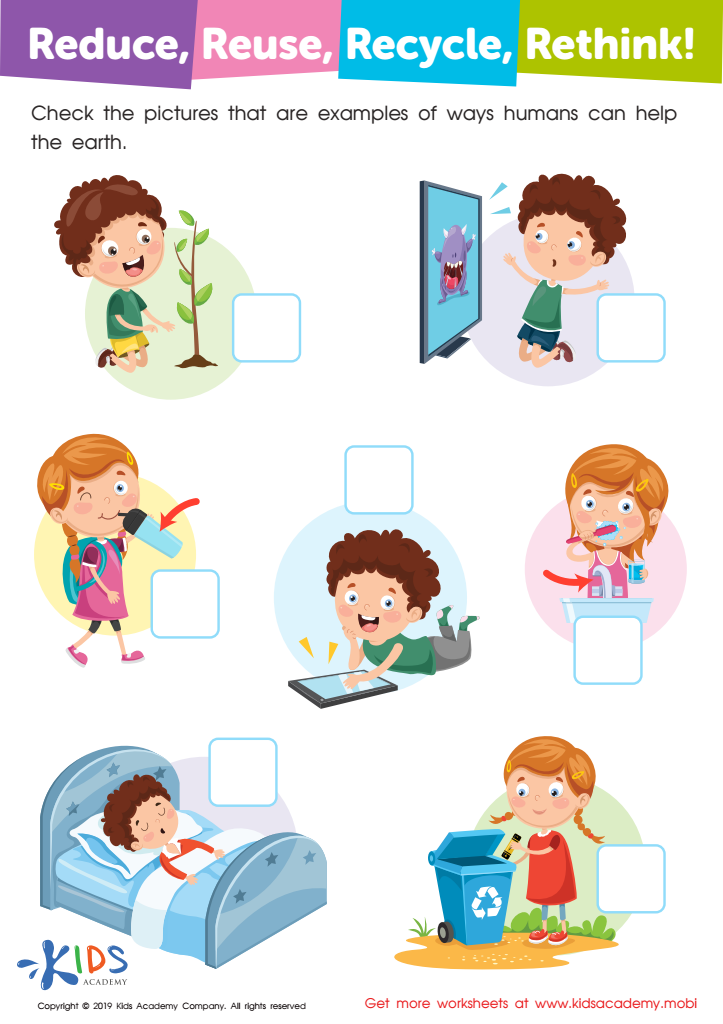
Reduce, Reuse, Recycle, Rethink Worksheet
 Assign to My Students
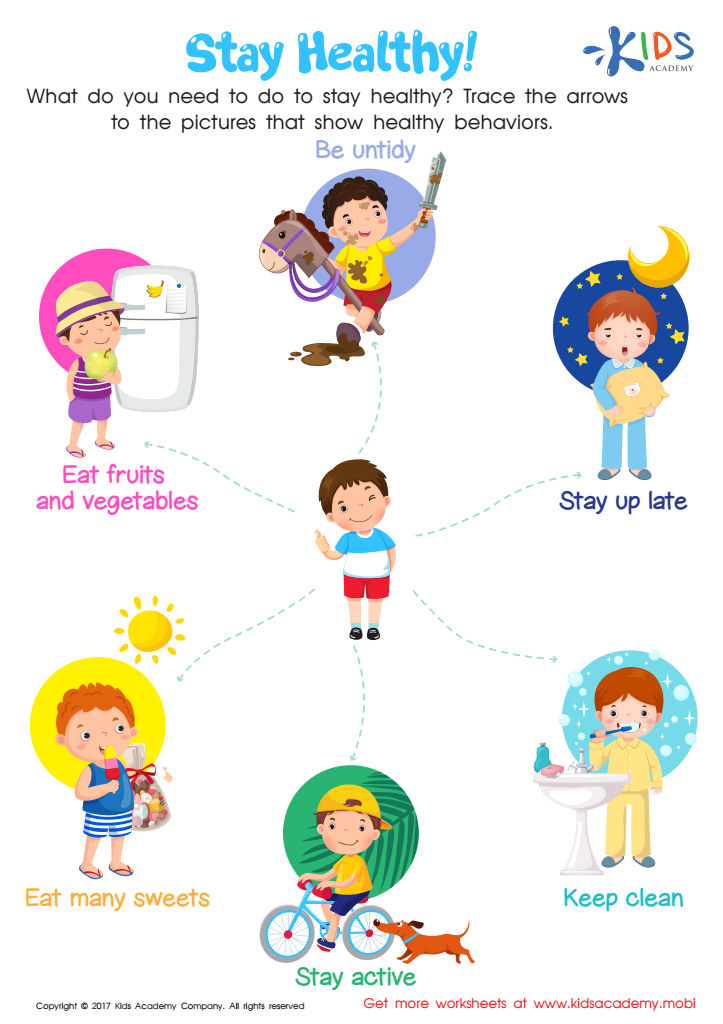
Healthy and Unhealthy Behaviors Worksheet
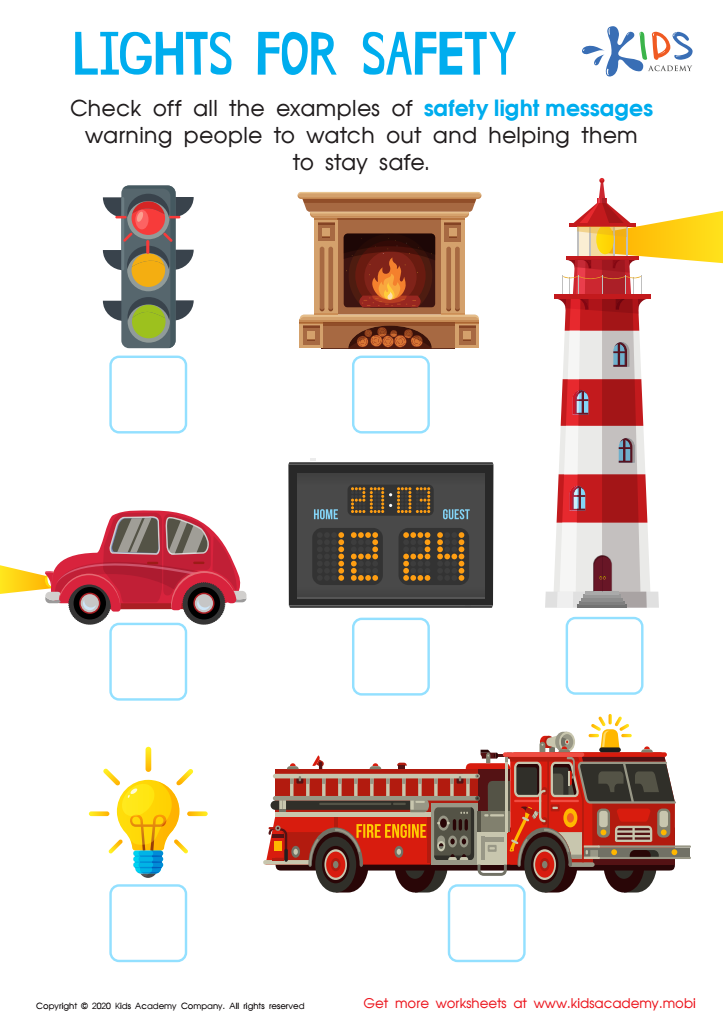
Lights for Safety Worksheet
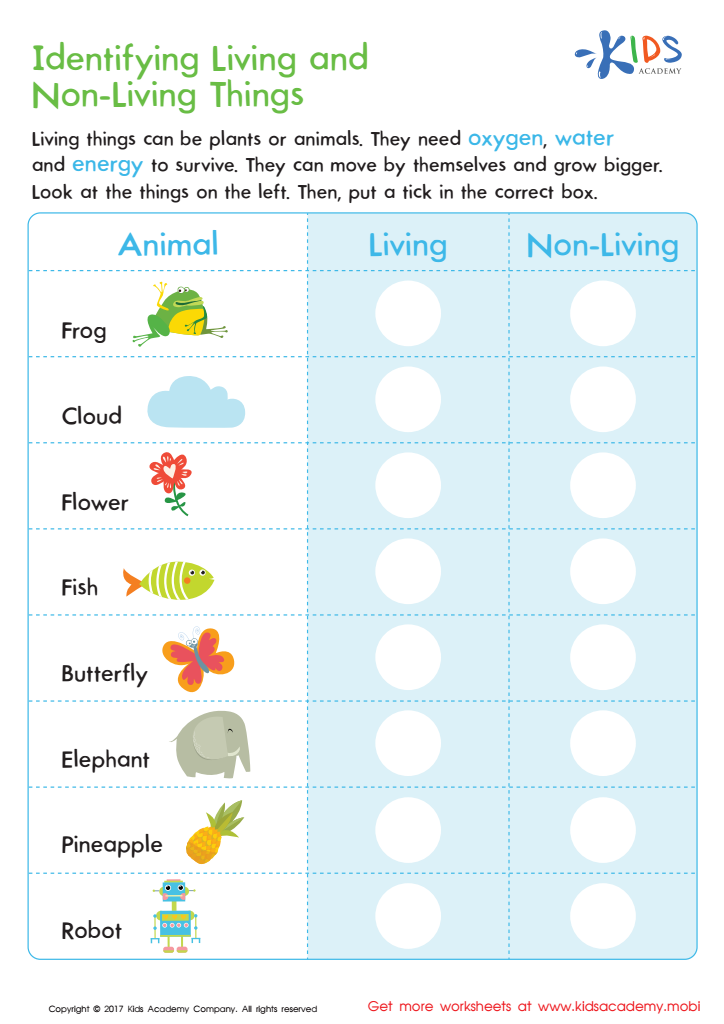
Identifying Living or Non–living Worksheet








Critical thinking development in early childhood, particularly during the "Normal Science" stage for ages 6-7, is crucial for several reasons. At this age, children begin to expand their cognitive abilities and engage more deeply with the world around them. They start to question, hypothesize, and explore causality, which lays the foundation for scientific reasoning and problem-solving skills in later years.
Parents and teachers should care about fostering critical thinking because it equips children with essential skills to navigate the complexities of life. Children learn to analyze information, differentiate between fact and opinion, and approach problems methodically. This not only promotes academic success but also nurtures independent thinkers who can tackle real-world challenges.
Moreover, critical thinking fosters a sense of curiosity and encourages children to wonder and investigate. Engaging in discussions, experiments, and reflective activities cultivates a mindset of inquiry that is vital in an increasingly complex society. By supporting the development of these skills, parents and educators can help children become confident decision-makers, instilling a lifelong love of learning and preparation for future academic pursuits and everyday decision-making. Ultimately, nurturing critical thinking at this early stage creates a solid foundation for personal and intellectual growth.







