Developing observation skills Normal Science Worksheets for Ages 6-7
3 filtered results
-
From - To
Enhance your child's observation skills with our engaging "Developing Observation Skills Normal Science Worksheets" designed for ages 6-7! These interactive worksheets encourage young learners to explore their environment, fostering critical thinking and keen observation. Each activity is crafted to spark curiosity and connect scientific concepts with real-world experiences, making learning fun and meaningful. From identifying patterns in nature to describing characteristics of various objects, these worksheets provide an exciting platform for hands-on exploration. Perfect for both home and classroom use, they help establish foundational science skills while nurturing a lifelong love of learning. Start your child's scientific journey today!
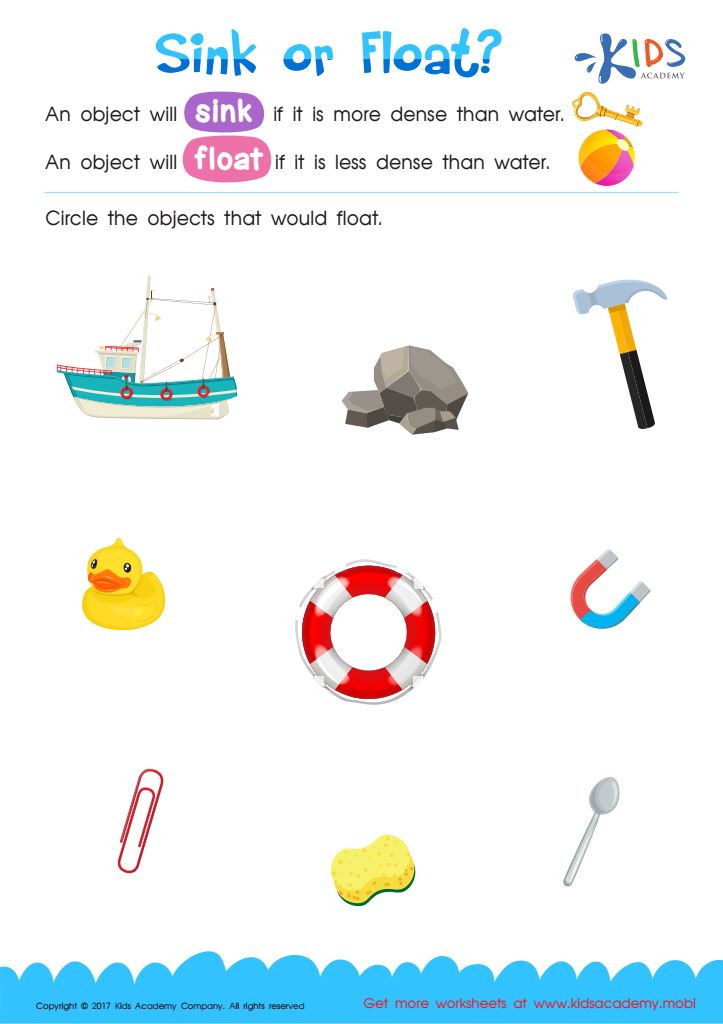
Sink or Float Printable
 Assign to My Students
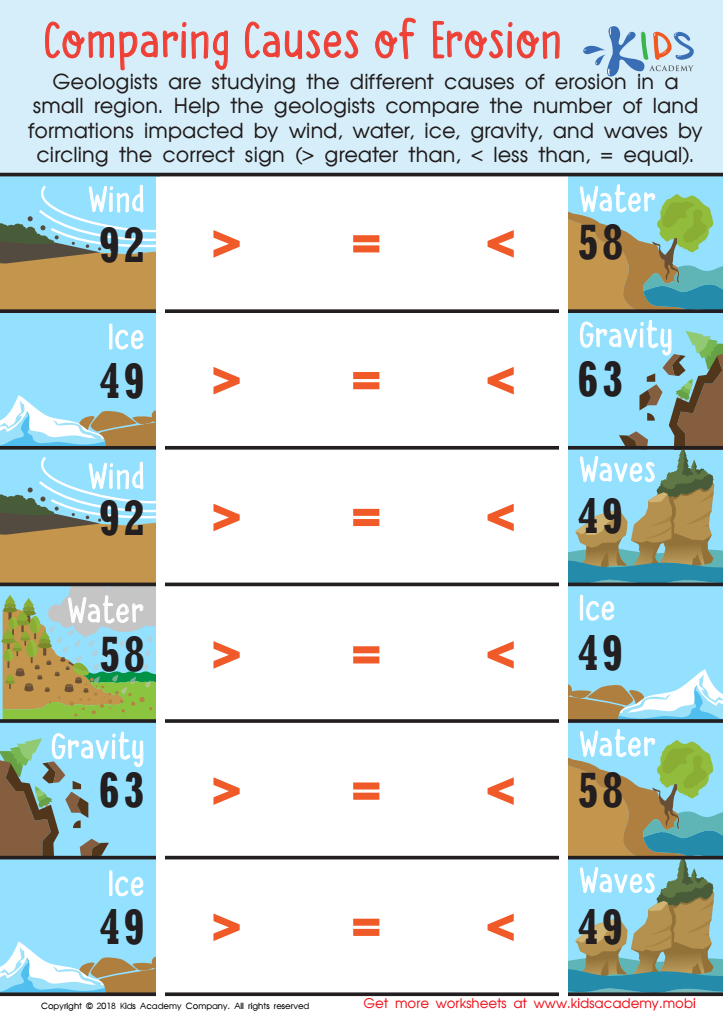
Comparing Causes of Erosion Worksheet
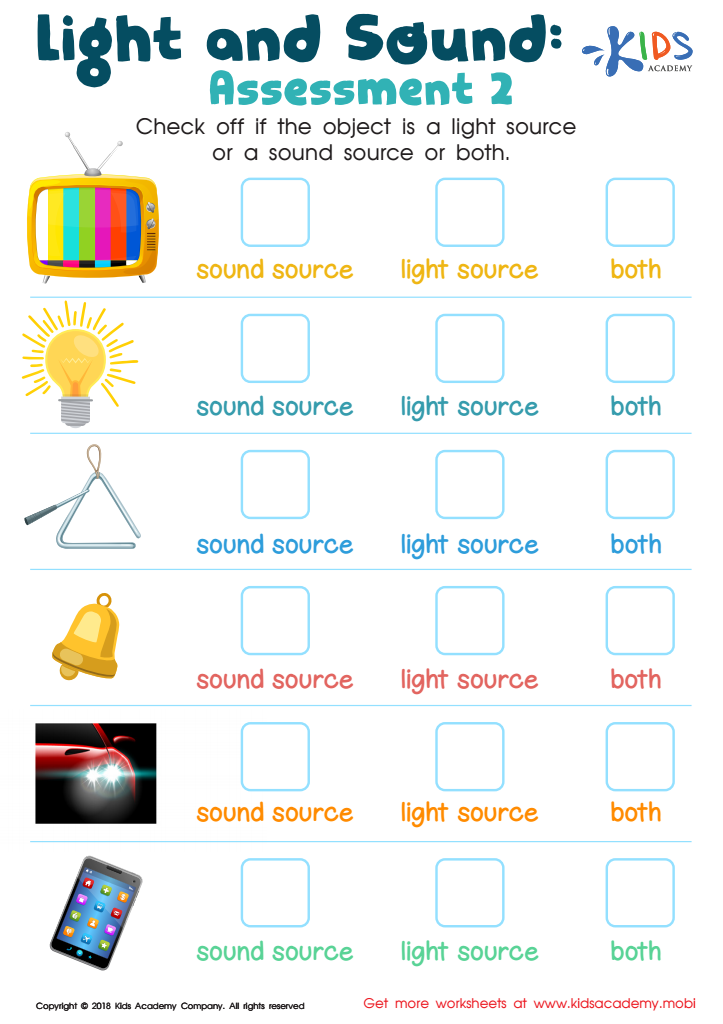
Light and Sound: Assessment 2 Worksheet


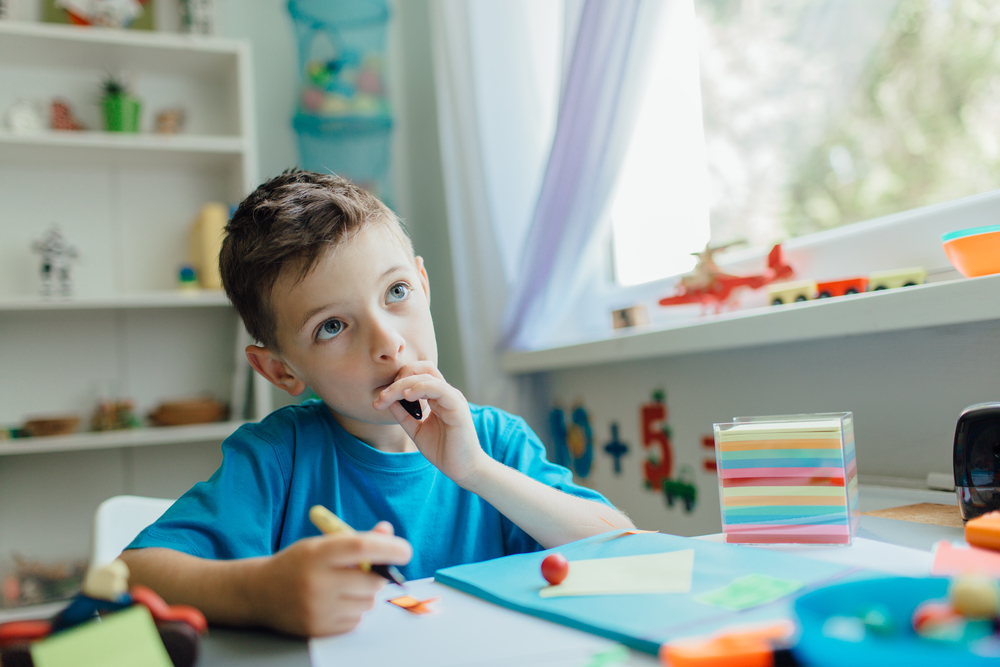

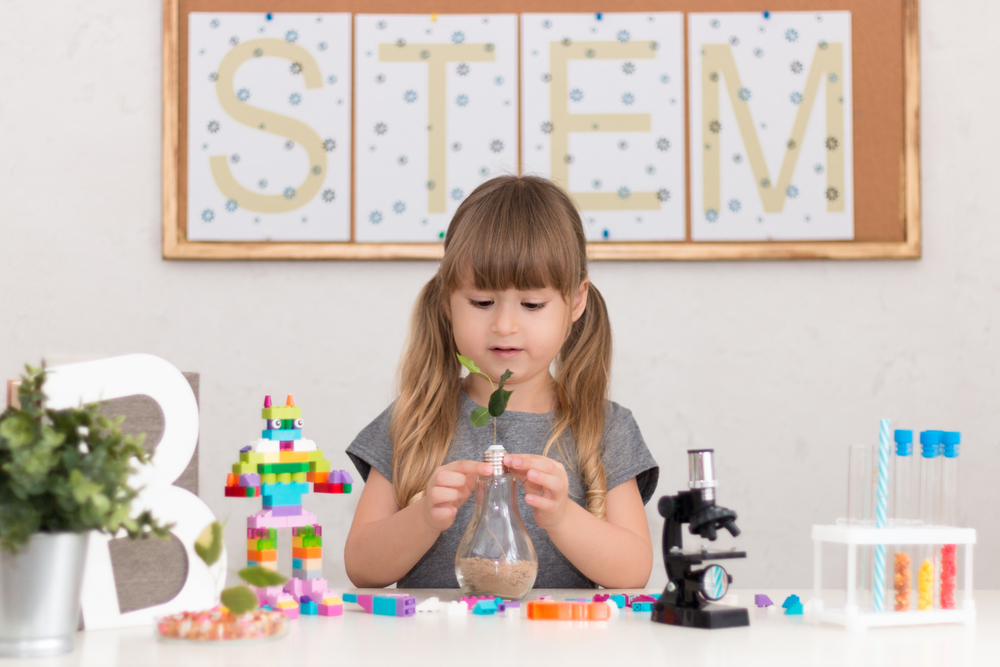
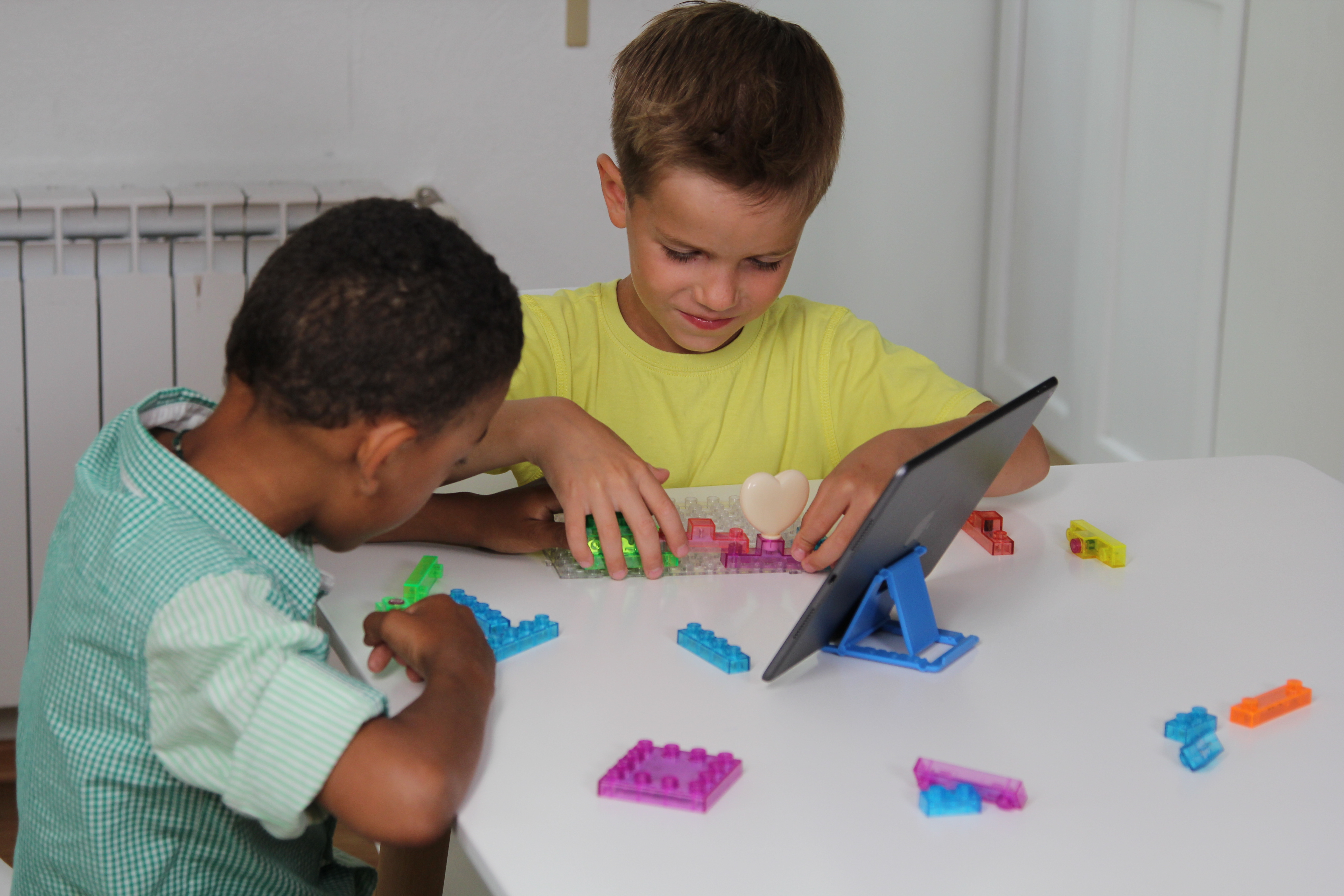
Developing observation skills in young students, particularly those aged 6 to 7, is crucial for their growth and development in multiple ways. At this age, children are naturally curious and eager to explore the world around them. By honing their observation skills, teachers and parents can foster critical thinking, creativity, and a scientific mindset.
Observational skills enable students to notice patterns, ask questions, and draw conclusions based on their experiences. This process is fundamental to the scientific method, encouraging children to investigate, hypothesize, and experiment. When children actively observe, they engage more deeply with their environment, leading to enhanced cognitive skills and greater retention of knowledge.
Additionally, these skills promote emotional intelligence. By observing the behaviors and feelings of others, students learn empathy and social interaction, crucial for their emotional development.
Finally, using real-world observations in science cultivates a lifelong love for learning. Parents and educators play an essential role in this journey by providing opportunities for exploration and discussion. Through activities like nature walks, science experiments, or simple classroom observations, they can nurture a generation that is curious, informed, and engaged in their inquiry into the world.







