Enhancing categorization skills Normal Science Worksheets for Ages 6-7
3 filtered results
-
From - To
Enhancing categorization skills with our Normal Science Worksheets for Ages 6-7 nurtures young minds by promoting critical thinking and organization. Designed for early learners, these worksheets offer engaging activities that introduce scientific concepts, helping children to group and classify information effectively. Through hands-on exercises, kids refine their abilities to compare, analyze, and recognize patterns in a fun and educational environment. Perfect for home or classroom use, these worksheets lay the foundation for future academic success by developing essential cognitive skills. Help your child discover the joys of learning science with our thoughtfully crafted, age-appropriate resources.
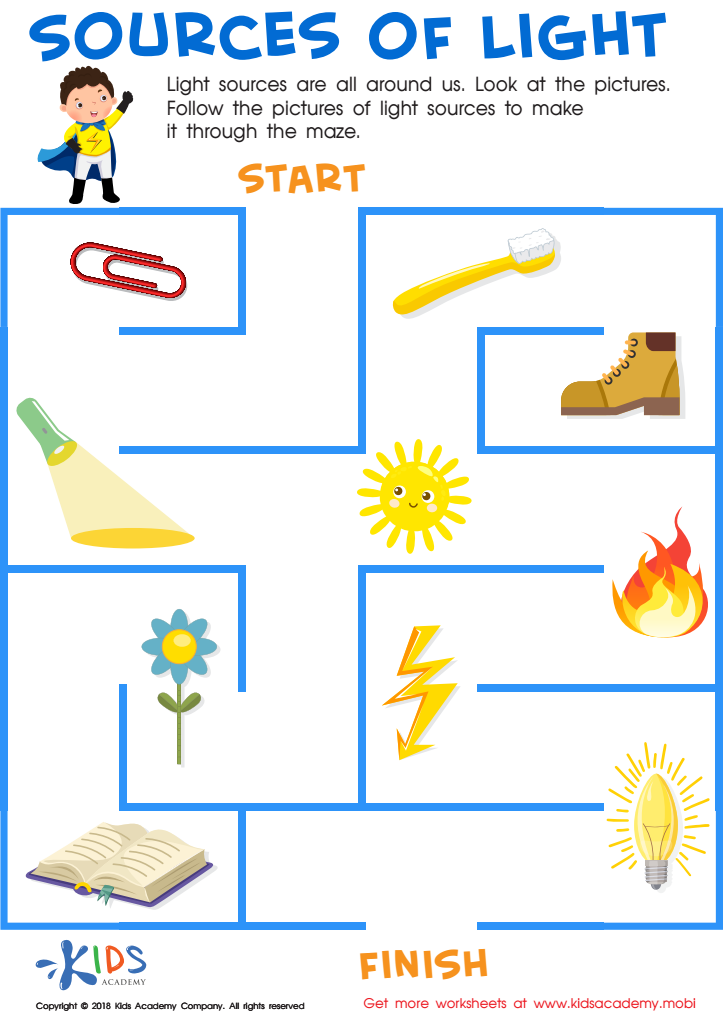
Sources of Light Worksheet
 Assign to My Students
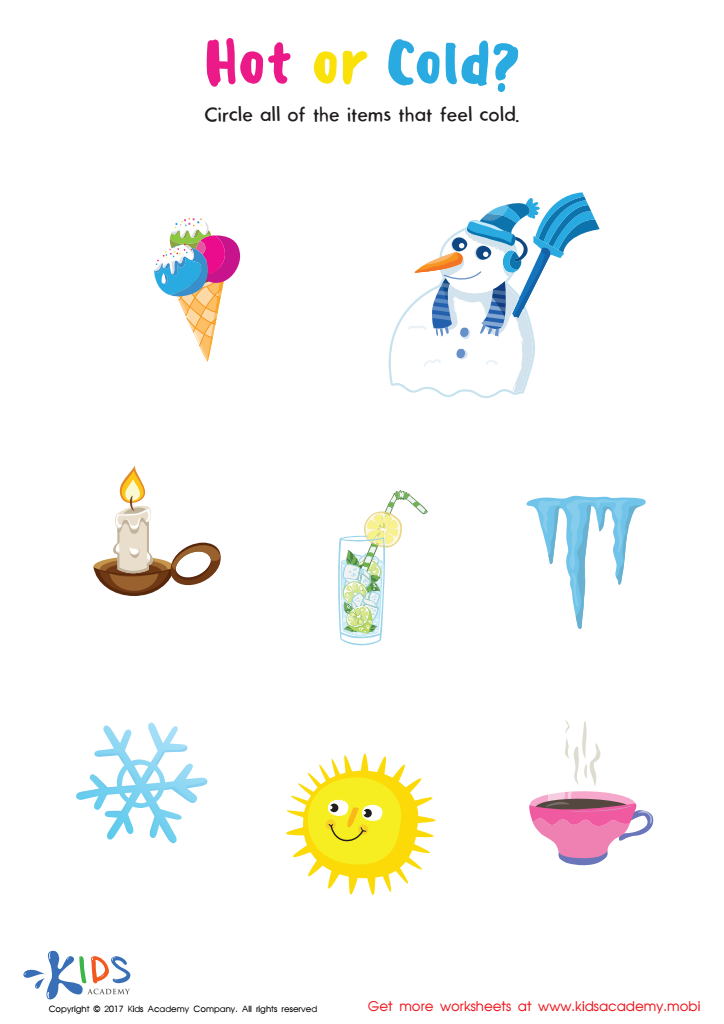
Hot or Cold Printable
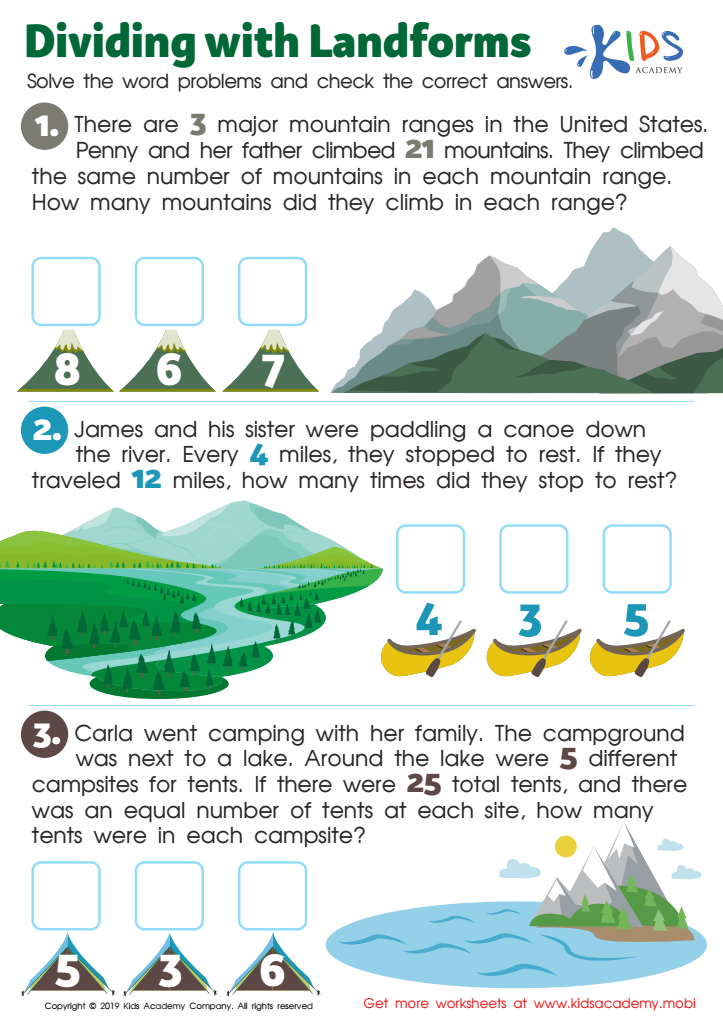
Dividing with Landforms






Enhancing categorization skills in children aged 6-7 is crucial for their cognitive development and foundational science education. At this formative stage, children's brains are highly adaptable, and building these skills lays essential groundwork for more complex thinking. Categorization helps children organize information, recognize patterns, and draw connections, which are vital skills in not only science but all areas of learning.
In the context of science, categorization enables children to make sense of the natural world. It allows them to classify animals, plants, rocks, and other elements into groups based on similarities and differences. This aids their understanding of basic scientific concepts like living vs. non-living things, states of matter, and various habitats. Teaching children to sort and categorize fosters observation skills, attention to detail, and critical thinking, empowering them to make better predictions and hypotheses in future scientific explorations.
Moreover, strong categorization skills support other academic areas such as math, reading, and writing. For parents and teachers, focusing on this skill helps create a structured learning environment that encourages curiosity and logical reasoning. Ultimately, nurturing categorization skills at a young age not only enhances academic performance but also contributes to a lifelong love of learning and exploration.







