Enhancing observation skills Normal Science Worksheets for Ages 6-7
7 filtered results
-
From - To
Boost your child's observation skills with our engaging Normal Science Worksheets designed for ages 6-7. These worksheets encourage young learners to refine their ability to notice details, compare and contrast findings, and develop critical thinking skills through fun and interactive activities. With an emphasis on hands-on exploration, children will engage with nature, conduct simple experiments, and make observations that spark their curiosity about the world around them. Perfect for teachers and parents alike, these carefully crafted worksheets align with educational standards and make learning science enjoyable. Help your child become a keen observer and an avid learner today!
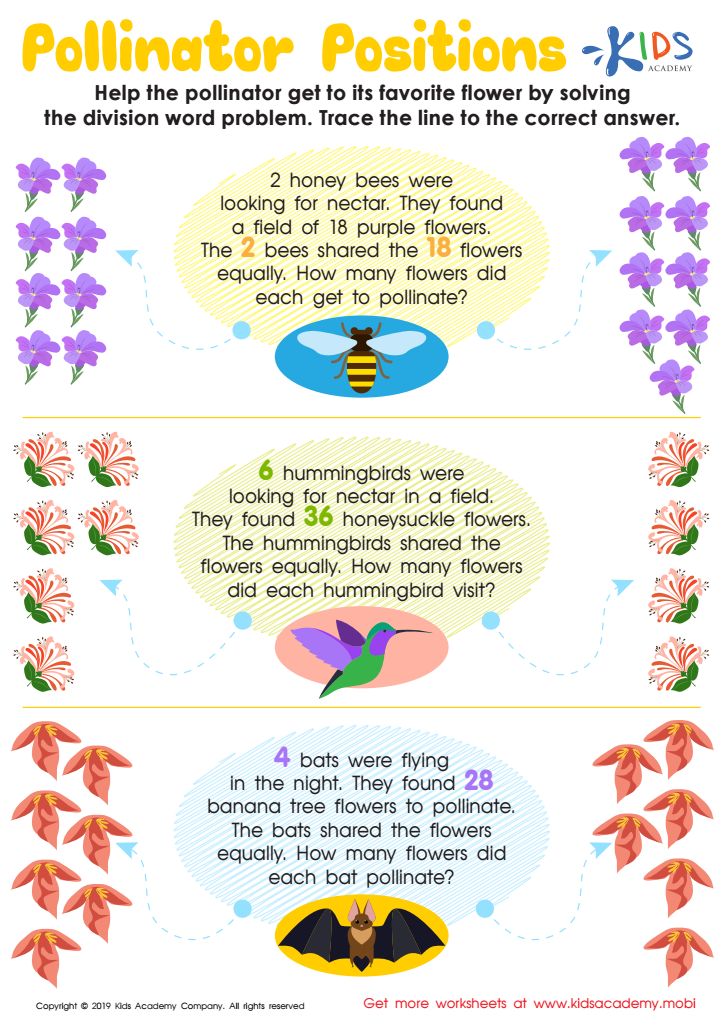
Pollinator Positions Worksheet
 Assign to My Students
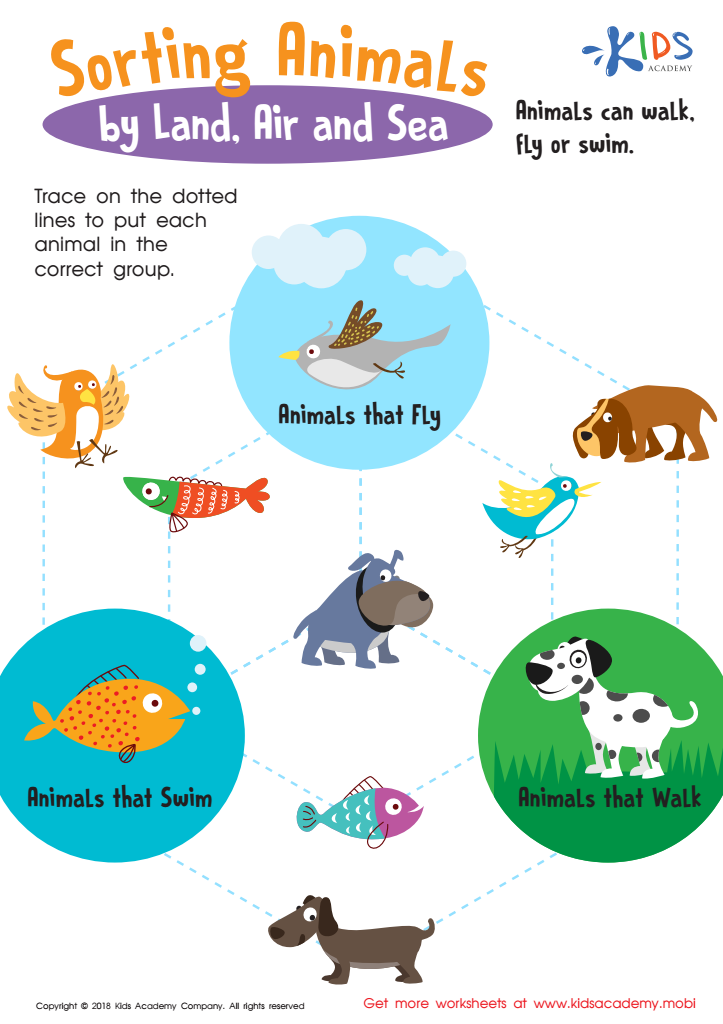
Sorting Animals by Land, Air and Sea Worksheet
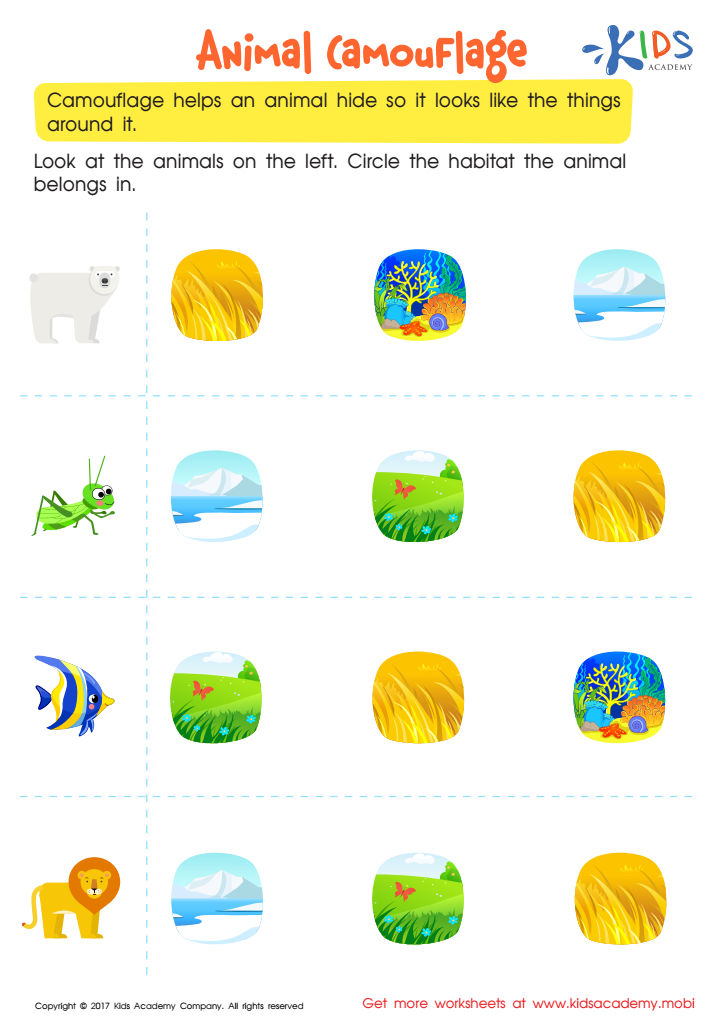
Animal Camouflage Worksheet
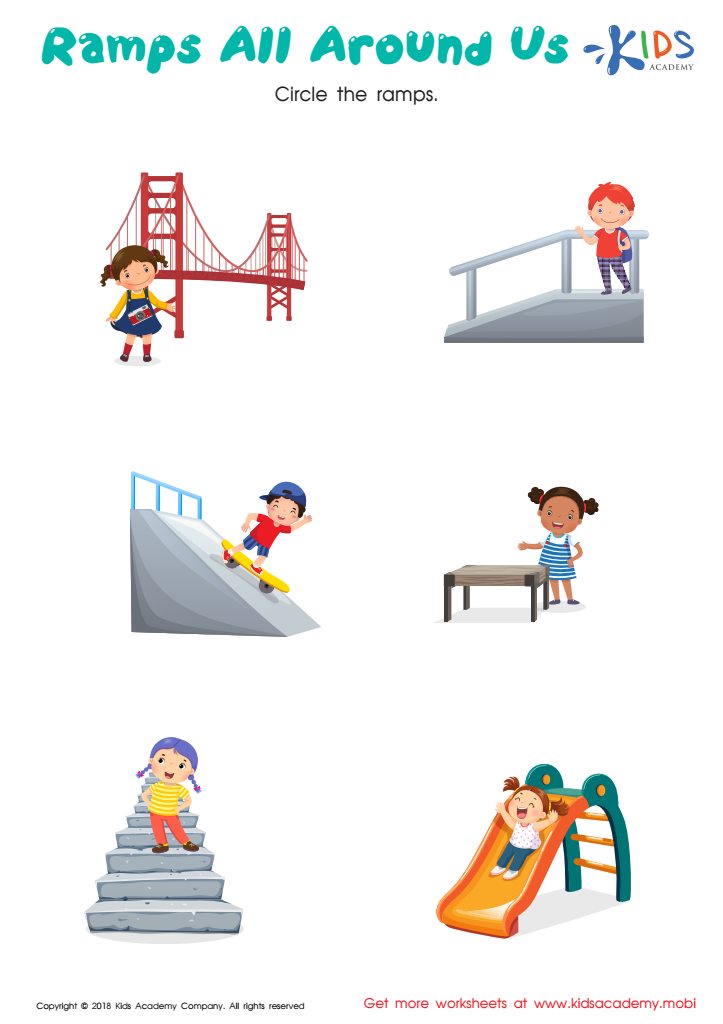
Ramps All Around us Worksheet
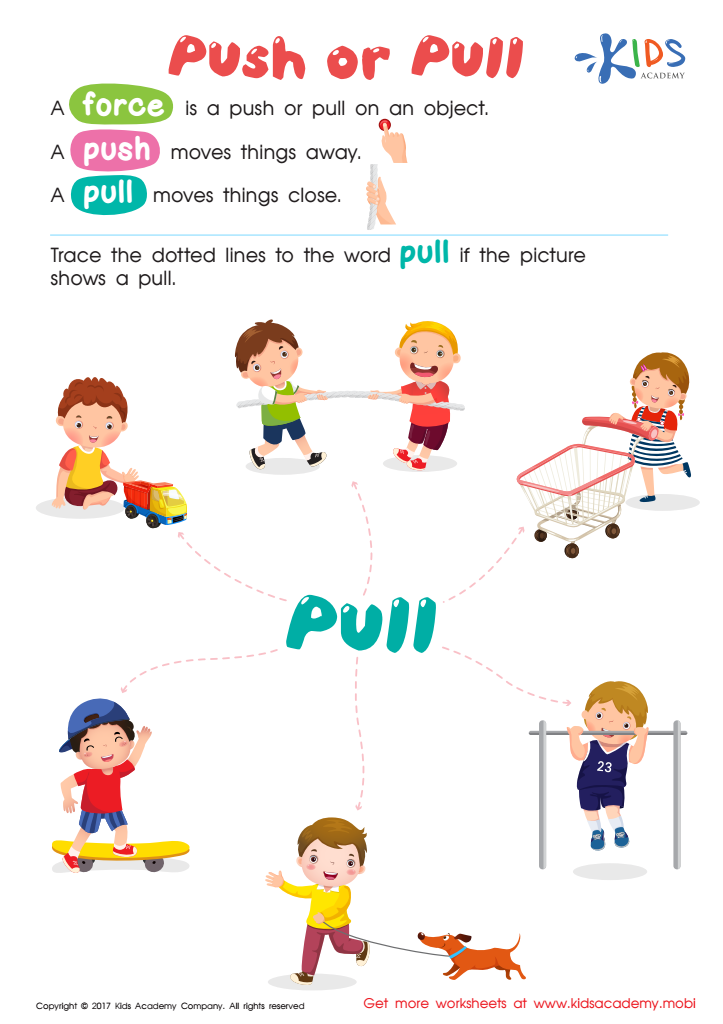
Pull or Push Worksheet
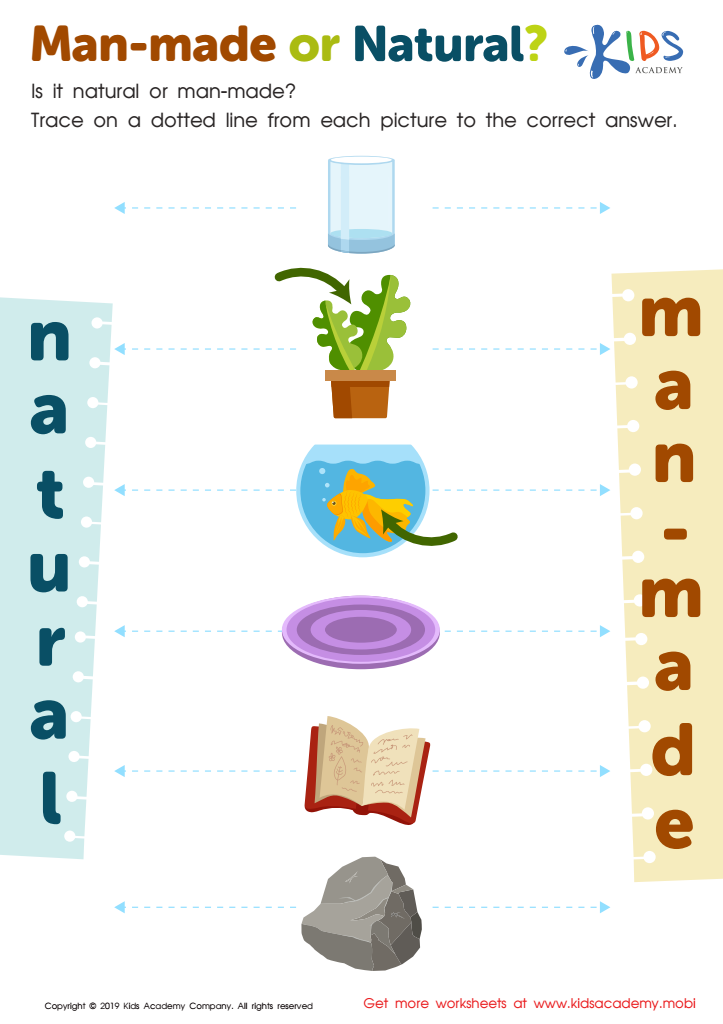
Man-Made or Natural? Worksheet
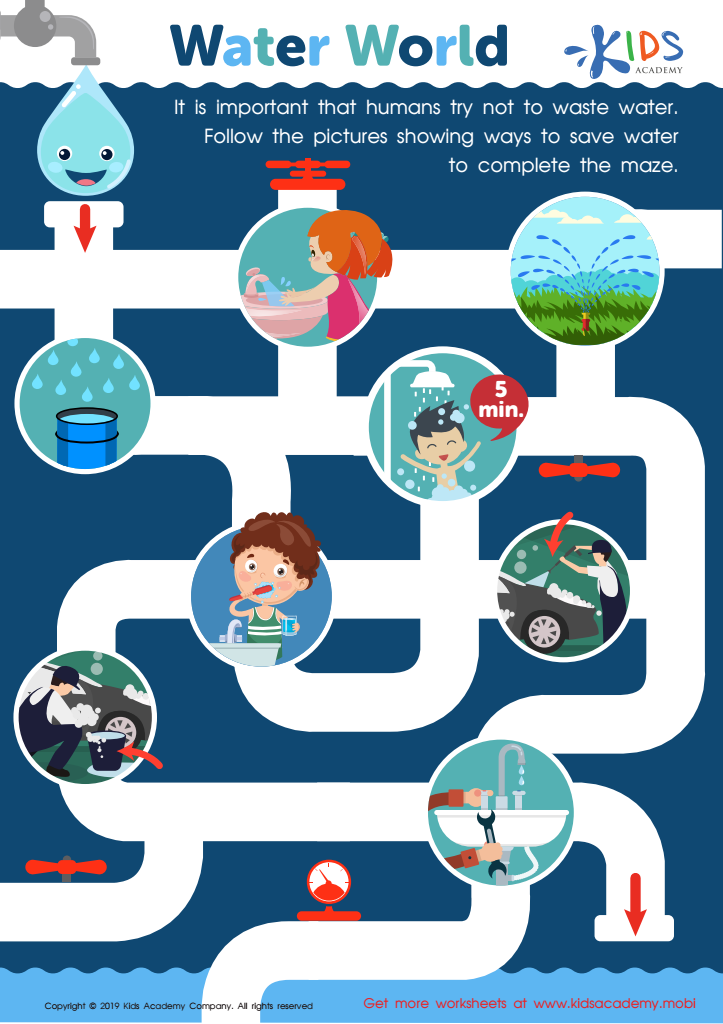
Water World Worksheet






Enhancing observation skills in young children, particularly those aged 6-7, is crucial for their overall development and learning in science. At this age, children are naturally curious and eager to explore their environment. By fostering strong observation skills, parents and teachers can help them develop critical thinking and analytical abilities, which are foundational for scientific inquiry.
Observation is the first step in the scientific process, allowing children to gather data about the world around them. Engaging in activities that encourage careful observation—such as nature walks, simple experiments, or hands-on projects—cultivates a habit of curiosity and inquiry. As children learn to notice details, make comparisons, and identify patterns, they gain skills that are transferable to other subjects, enriching their understanding across the curriculum.
Moreover, enhancing observation skills promotes sensory awareness and aids in emotional development, as children learn to observe not just physical properties but also social interactions. By prioritizing observation training, parents and teachers contribute to creating a generation of critical thinkers and problem solvers, ready to tackle challenges with both open-mindedness and resilience. In this way, nurturing observation skills in children sets the foundation for lifelong learning and scientific literacy.







