Science vocabulary expansion Normal Science Worksheets for Ages 6-7
3 filtered results
-
From - To
Explore our engaging Science Vocabulary Expansion Worksheets for ages 6-7, designed to ignite curiosity and deepen understanding in young learners. These worksheets incorporate fun, age-appropriate activities that help students expand their scientific vocabulary through interactive exercises, puzzles, and visual aids. Topics span the fundamentals of life science, earth science, and physical science, ensuring a comprehensive approach to learning inquiry-based terminology. Ideal for classroom use or homeschooling, these resources foster a love for science and enhance critical thinking skills. Watch your child's confidence soar as they discover the wonders of the world around them through enriched vocabulary experiences!
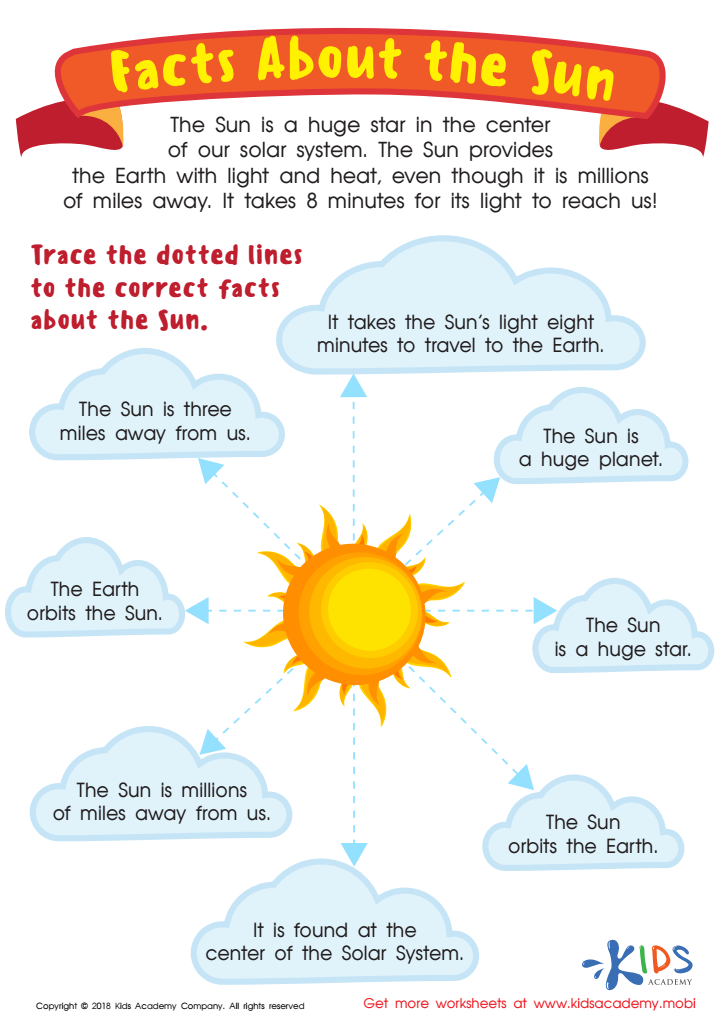
Facts About the Sun Worksheet
 Assign to My Students
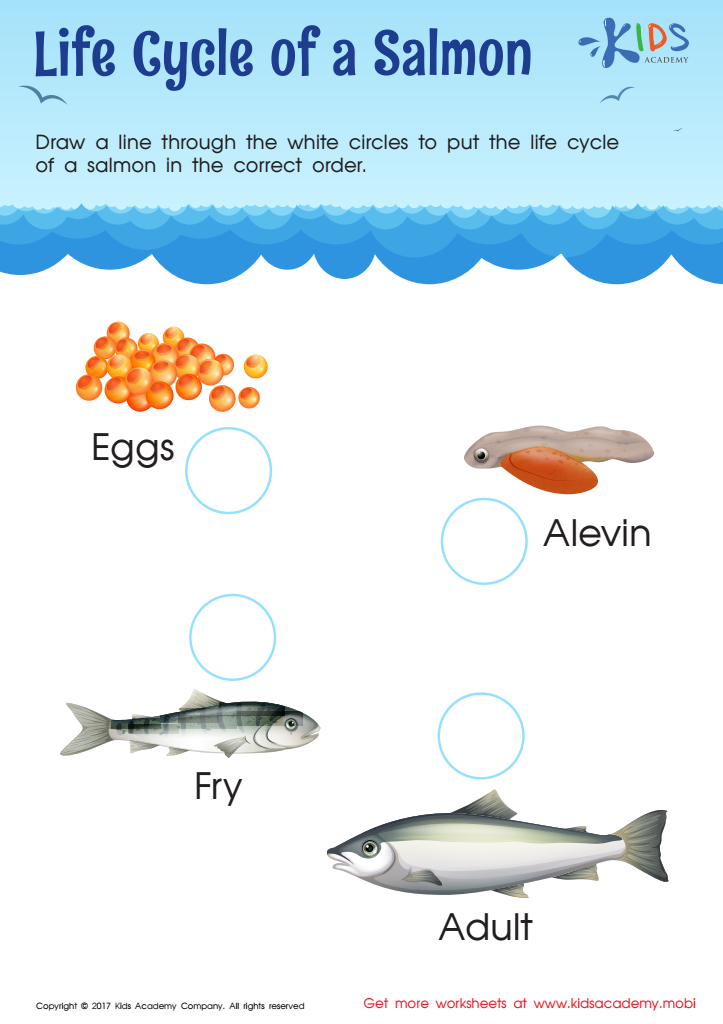
Cycle Of Salmon Worksheet
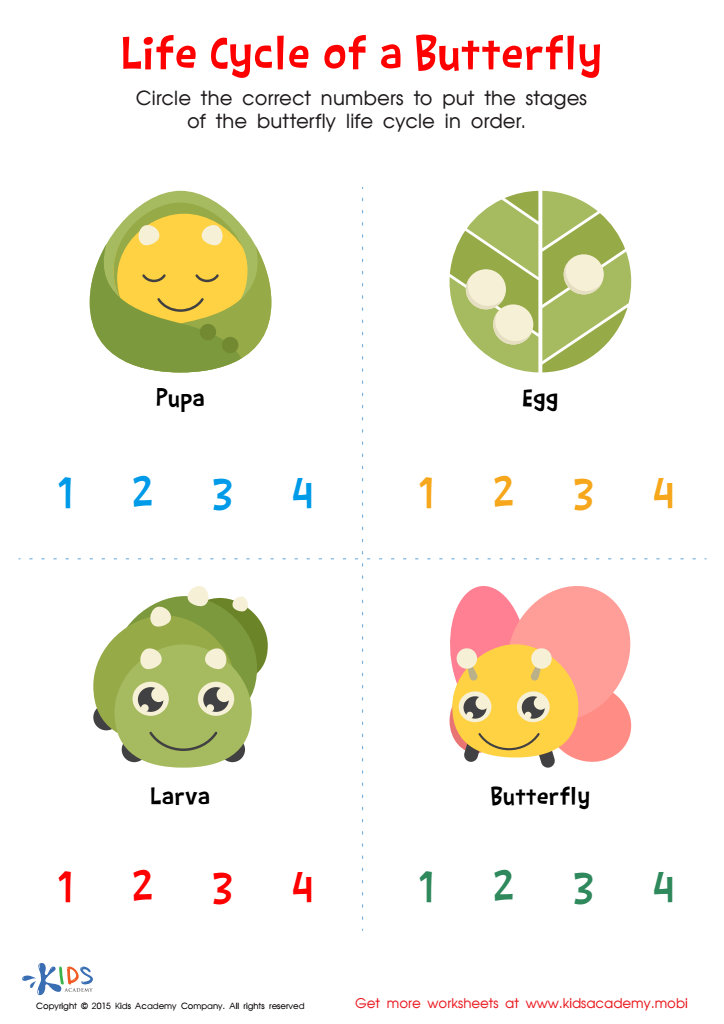
Life Cycle of Butterfly Printable







Parents and teachers play a crucial role in expanding children’s science vocabulary, particularly for ages 6-7. This age group is a pivotal stage where curiosity flourishes, and introducing scientific concepts can significantly shape their understanding of the world. A robust science vocabulary enhances comprehension and allows young learners to express their thoughts clearly. It fosters critical thinking skills, encouraging them to question, explore, and connect ideas.
By incorporating vocabulary related to the processes of inquiry, like "hypothesis," "experiment," and "observation," adults can nurture a scientific mindset in children. Moreover, an expanded vocabulary supports improved literacy skills overall; as children learn specific terms, they also enhance their reading and writing abilities.
Encouraging discussions around science topics at home or in the classroom creates an engaging environment where children feel empowered to share their observations and ideas. This interaction not only strengthens their language skills but also builds confidence and enthusiasm for science. Ultimately, understanding and using scientific vocabulary lays a strong foundation for future educational success, promoting lifelong learning and curiosity about the natural world. Fostering this love for science and communication equips children with valuable skills they will carry through their education and beyond.







