Visual Perception Skills Normal Science Worksheets for Ages 6-7
4 filtered results
-
From - To
Enhance your child's learning experience with our "Visual Perception Skills Normal Science Worksheets" for ages 6-7! These engaging and thoughtfully designed worksheets are tailored to develop essential visual perception skills necessary for scientific understanding. Children will explore various activities that enhance their ability to interpret and analyze visual information, encouraging critical thinking and problem-solving. From matching images to identifying patterns, these interactive worksheets promote learning in a fun and stimulating way. Ideal for home or classroom use, they will support young learners in building a solid foundation in science while fostering their observational skills. Download now to enrich their educational journey!
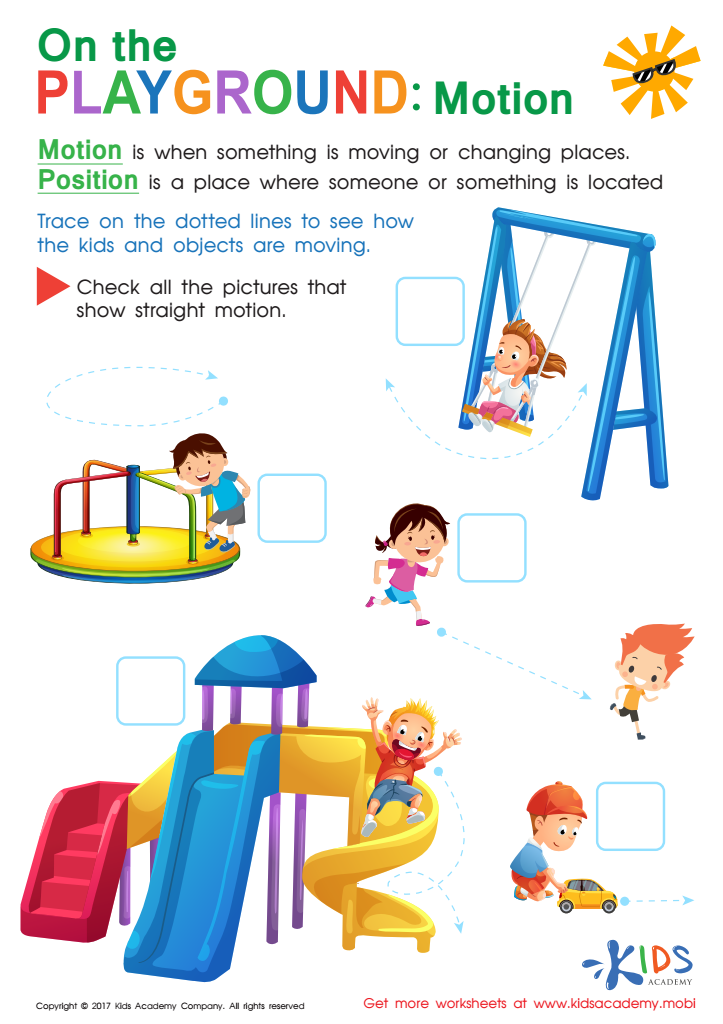
Position and Motion Worksheet
 Assign to My Students
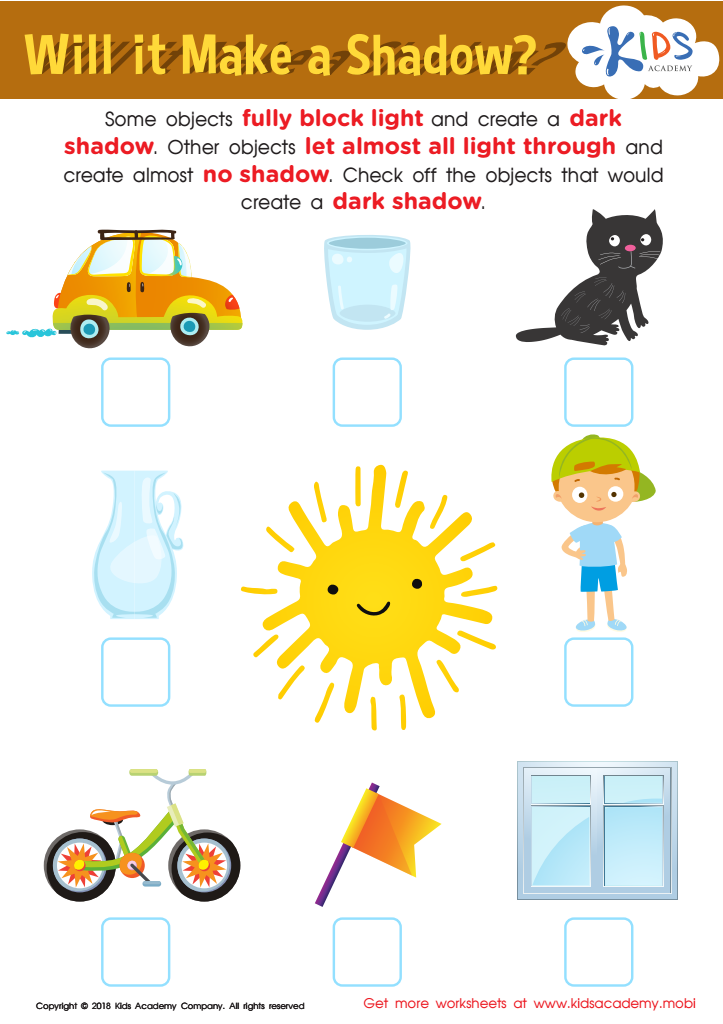
Will It Make a Shadow? Worksheet
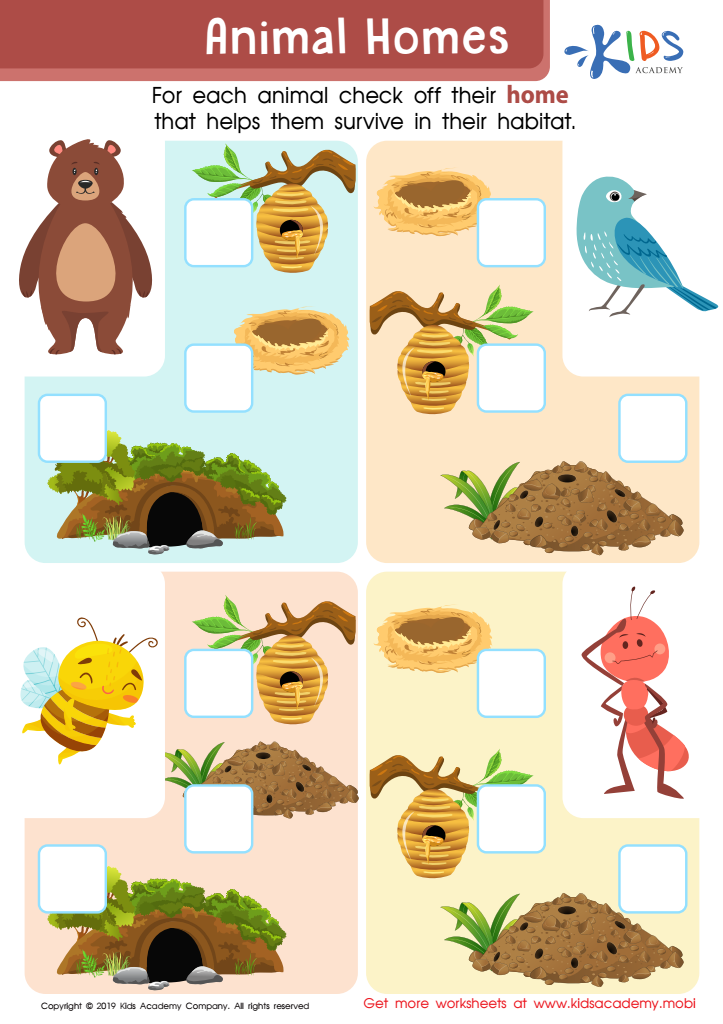
Animal Homes Worksheet
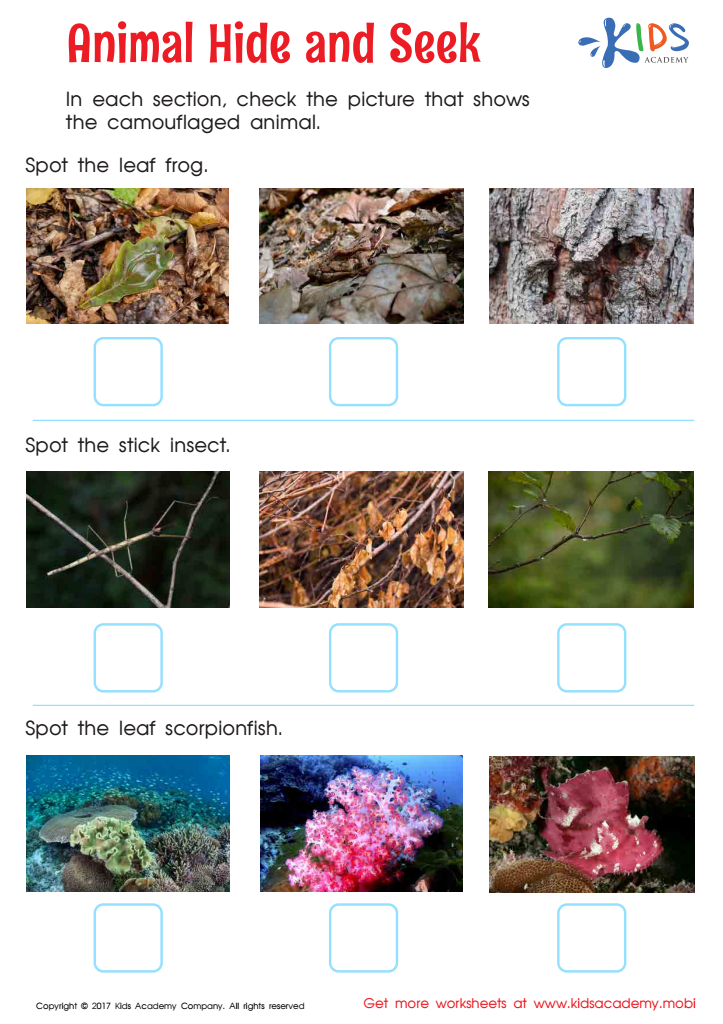
Animal Hide and Seek Worksheet







Visual perception skills are crucial for children aged 6 to 7, as they form the foundation for understanding the world around them. During this developmental stage, children are refining their ability to recognize, interpret, and respond to visual information. Strong visual perception skills enhance reading comprehension, math problem-solving, and overall learning abilities.
Parents and teachers should prioritize these skills because they impact a child's academic performance. For instance, proficient visual perception allows children to differentiate shapes, identify letters, and understand spatial relationships, all of which are vital for literacy and numeracy development. Children who struggle with visual perception may face challenges in school, leading to frustration and decreased self-esteem.
Moreover, visual perception skills are not only about academic success; they also play a crucial role in daily activities, such as participating in sports, arts and crafts, or even social interactions, where understanding body language and visual cues is essential. By nurturing these skills at home or within the classroom, parents and teachers can foster a child’s confidence, creativity, and problem-solving abilities. In essence, investing time and resources to develop visual perception skills is essential for helping children succeed in both academic and life contexts.







