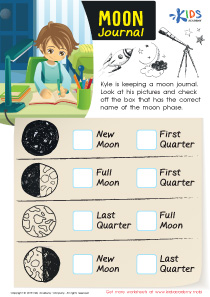
Critical thinking skills Normal Plants and Animals Worksheets for Ages 6-7
3 filtered results
-
From - To
Explore our "Critical Thinking Skills: Normal Plants and Animals" worksheets designed specifically for children aged 6-7! These engaging resources foster curiosity and encourage young learners to think critically about the natural world around them. Through fun activities and interactive exercises, kids will develop essential skills as they explore the characteristics, behaviors, and environments of various plants and animals. Each worksheet is thoughtfully created to challenge their understanding and promote thoughtful discussion. Perfect for homeschooling or supplementary learning, these worksheets not only enhance science comprehension but also boost problem-solving abilities, making learning both enjoyable and educational! Unlock the wonders of nature today!
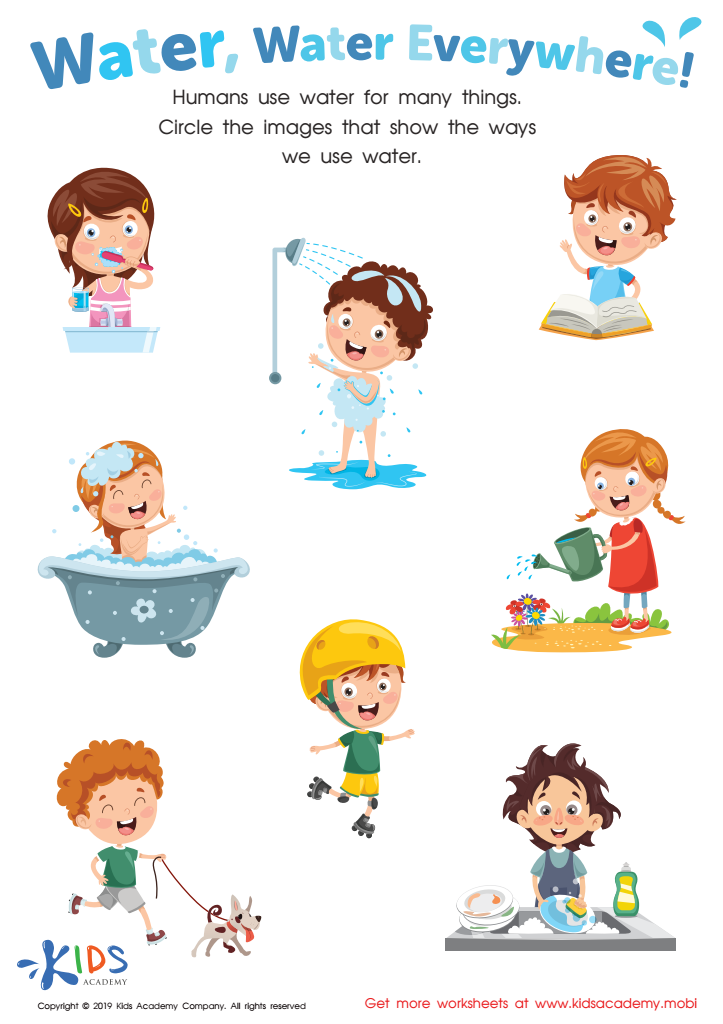
Water, Water Everywhere! Worksheet
 Assign to My Students


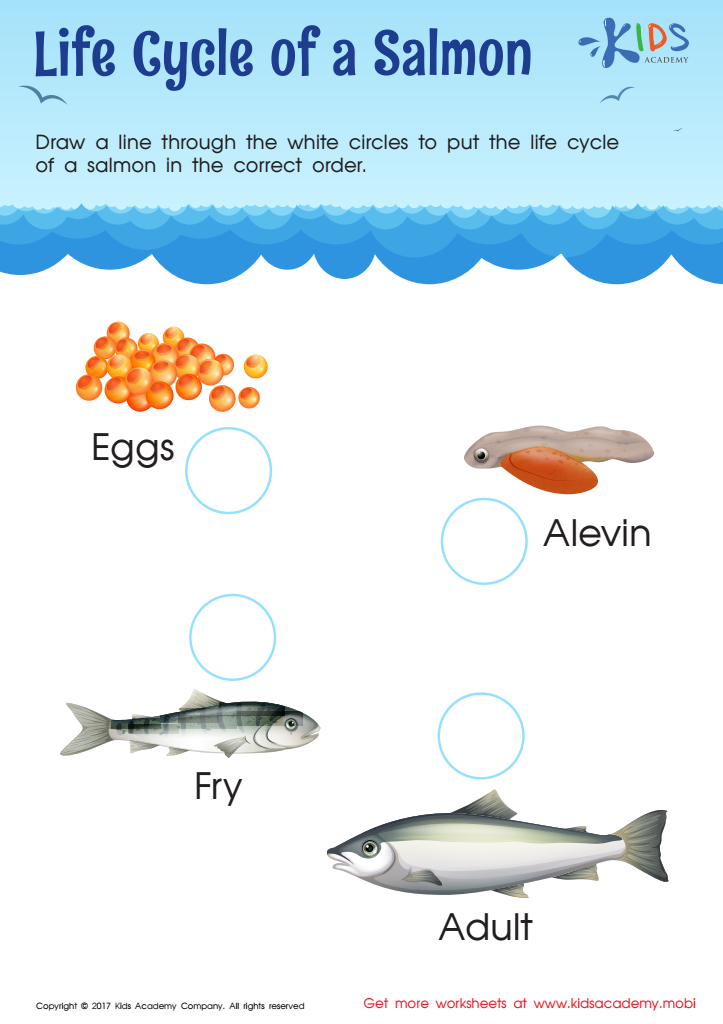
Cycle Of Salmon Worksheet
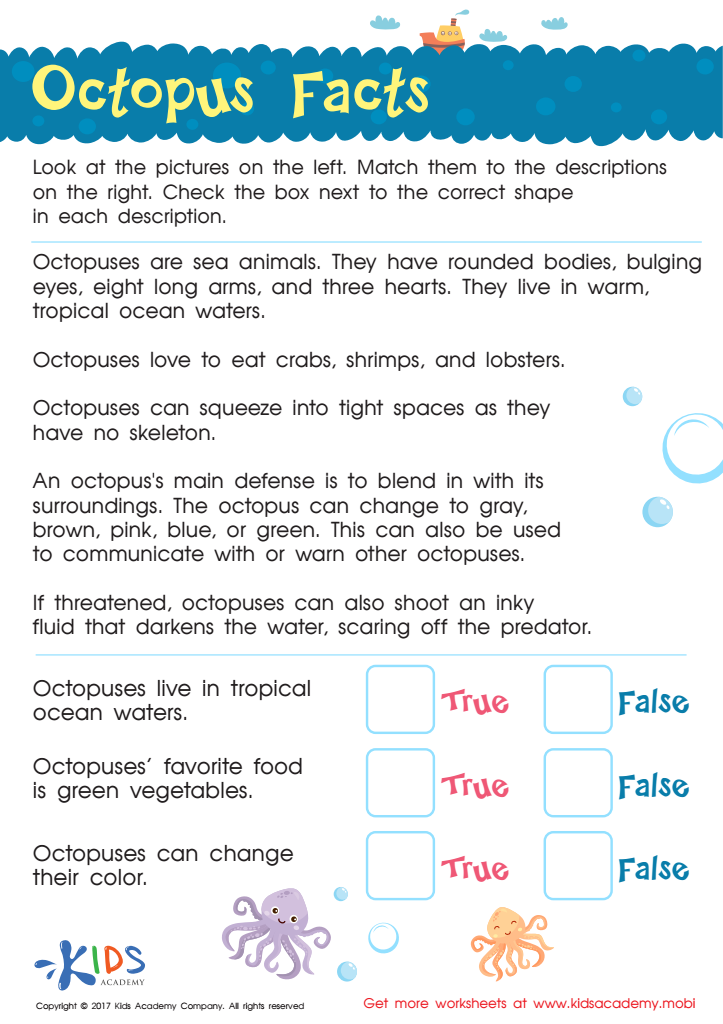
Octopus Facts Worksheet For Kids







Parents and teachers should care about developing critical thinking skills in young learners, particularly when studying normal plants and animals, for several important reasons. First and foremost, critical thinking enables children to analyze and evaluate information, encouraging creativity and problem-solving skills. At ages 6-7, children are naturally curious, and fostering their critical thinking helps them make connections about the living world around them, enhancing their understanding of ecosystems, habitats, and biodiversity.
Furthermore, learning about plants and animals through a critical lens encourages children to ask questions, such as "What do plants need to grow?" or "How do animals adapt to their surroundings?" This inquiry-based approach not only deepens their knowledge but also promotes scientific literacy—a crucial skill for future educational endeavors.
Additionally, these skills lay the groundwork for responsible stewardship of the environment. By nurturing a sense of care and understanding of their local ecosystems, children will develop a lifelong appreciation for nature. Ultimately, teaching critical thinking in the context of normal plants and animals empowers children to think independently, equipping them with the necessary tools to navigate challenges and make informed decisions in their lives.