Handwriting practice Normal Alphabet Worksheets for Ages 6-8 - Page 2
32 filtered results
-
From - To
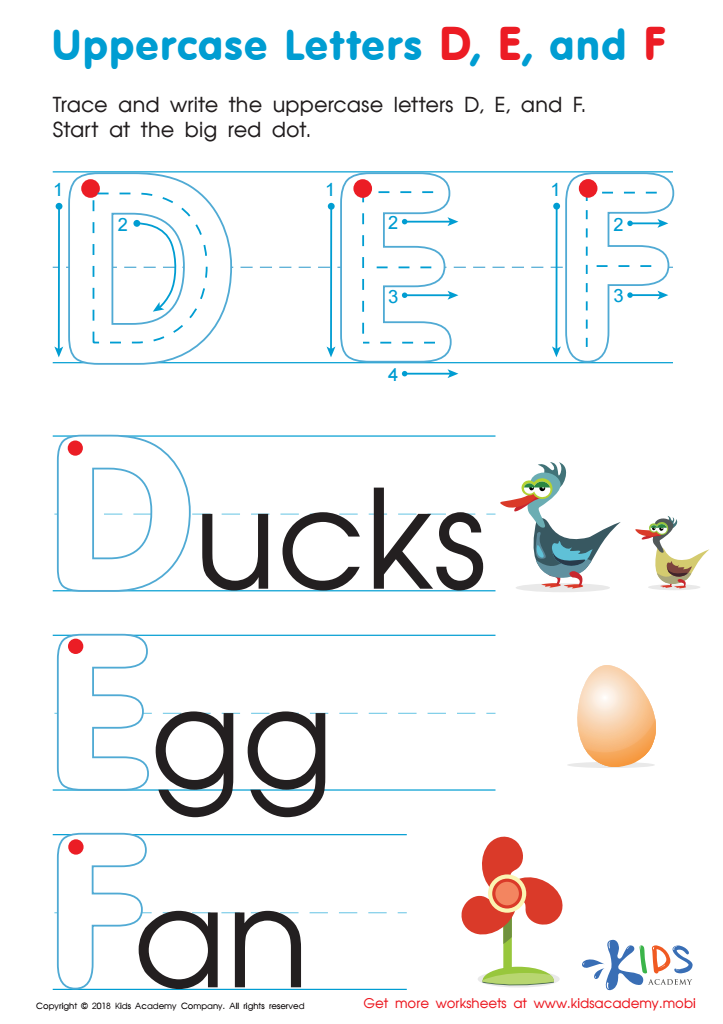
Uppercase Letters D, E, and F Worksheet
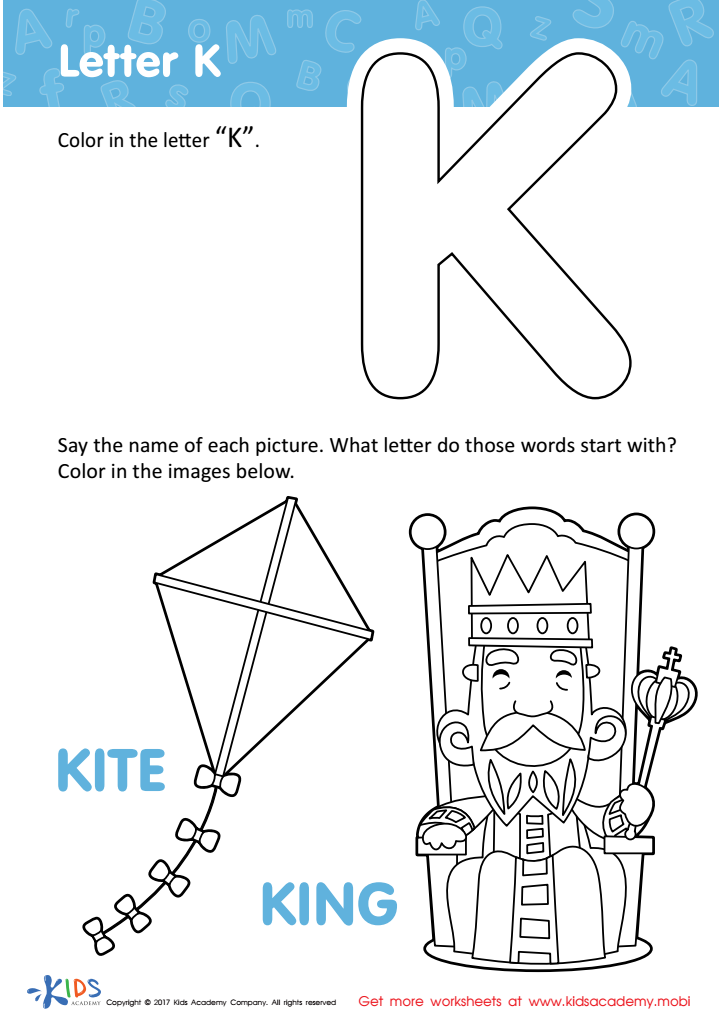
Letter K Coloring Sheet
 Assign to My Students
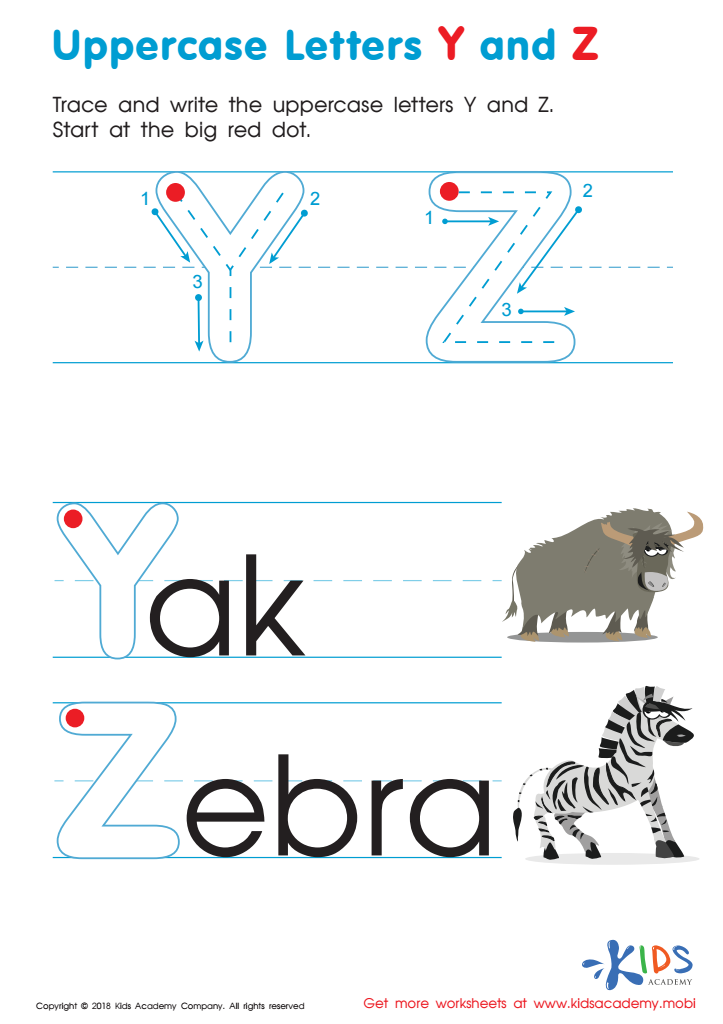
Uppercase Letters Y Z Worksheet
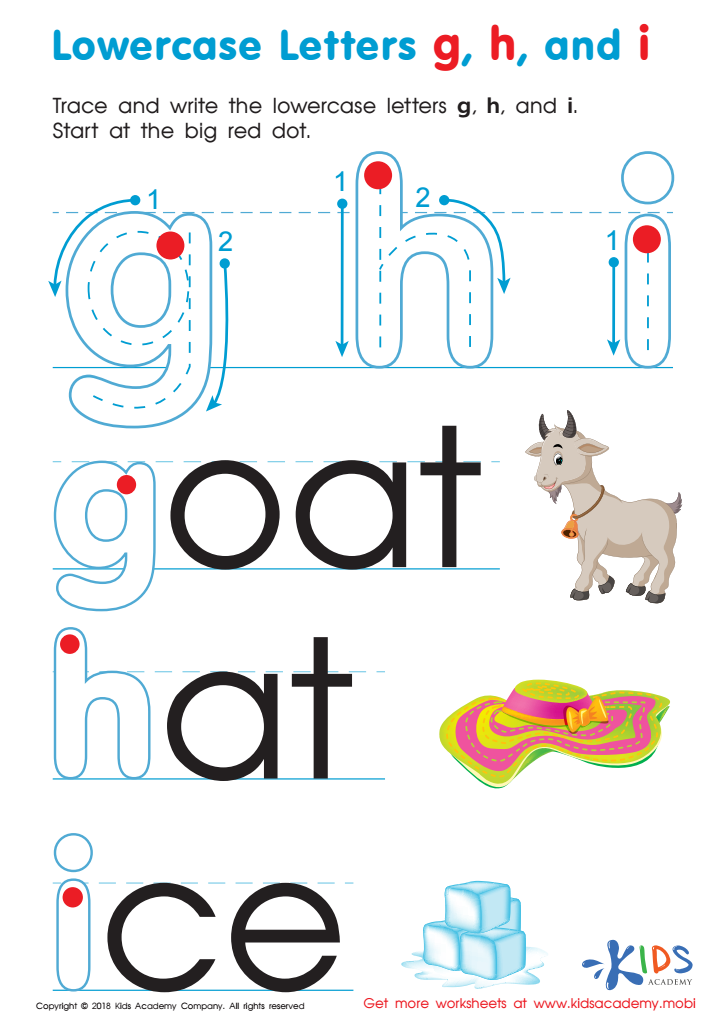
Lowercase Letters g h i Worksheet
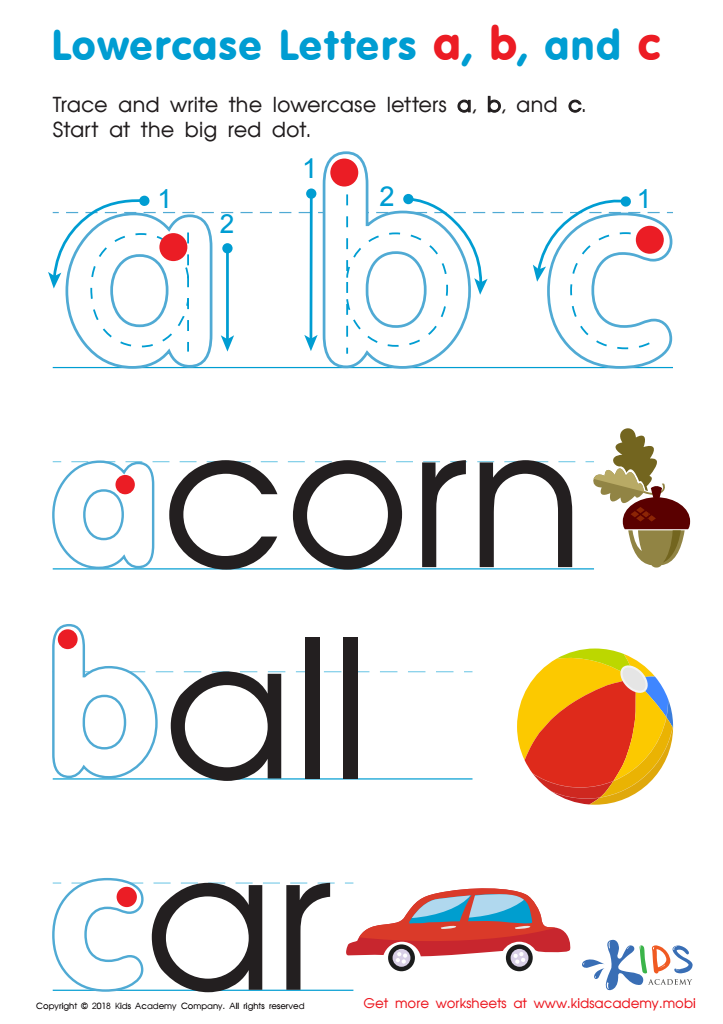
Lowercase Letters a b c Worksheet
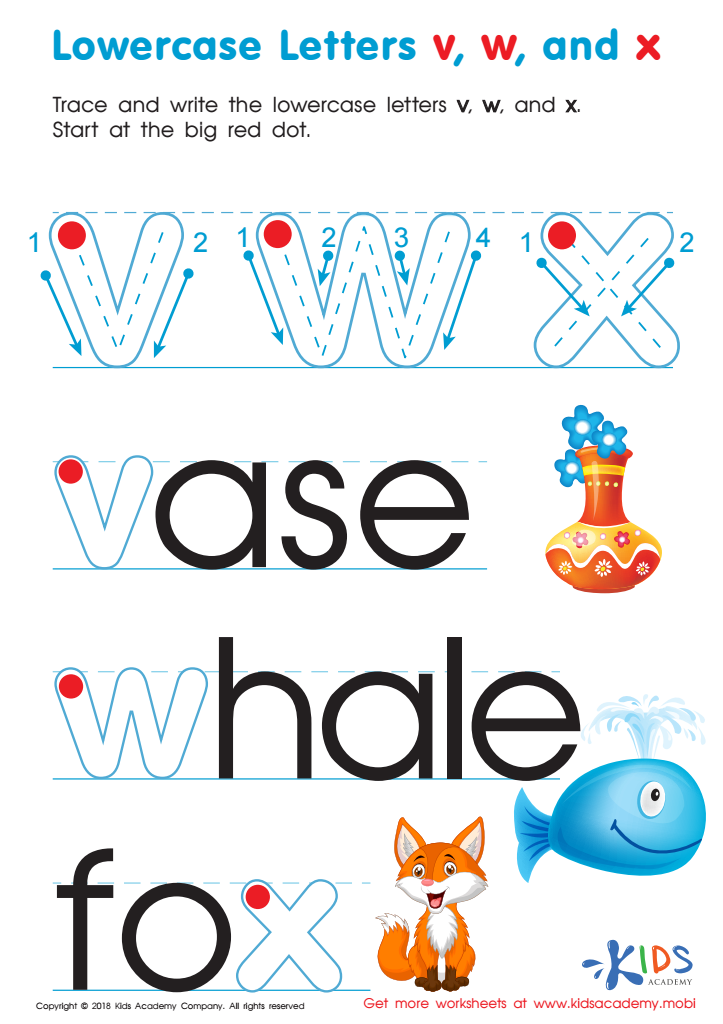
Lowercase Letters v w x Worksheet
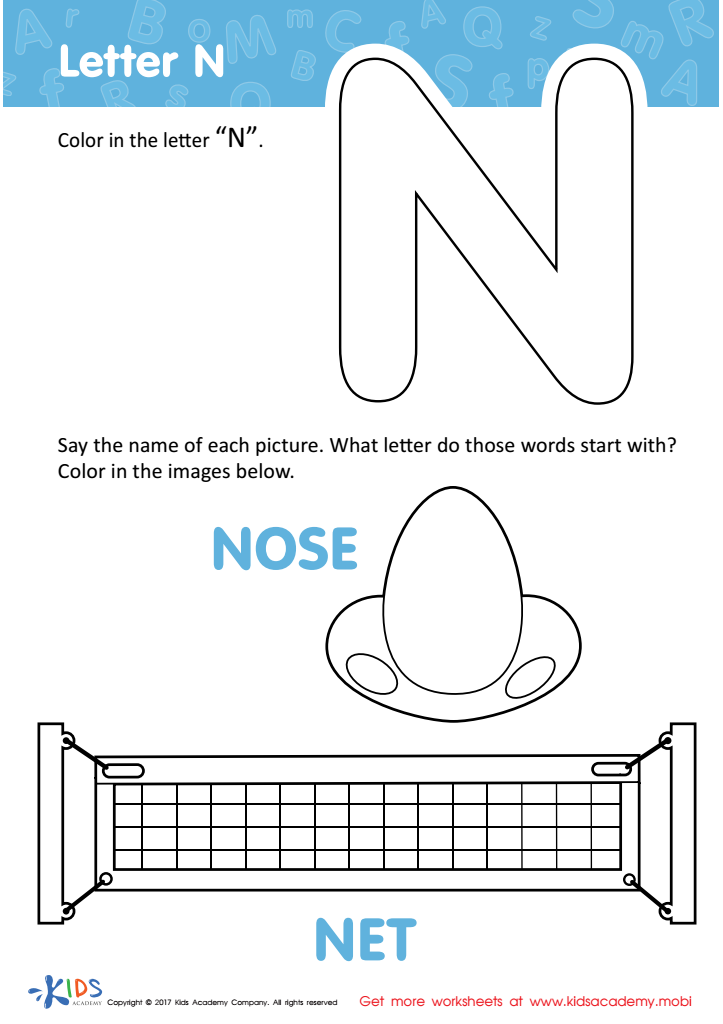
Letter N Coloring Sheet
Assign to My Students
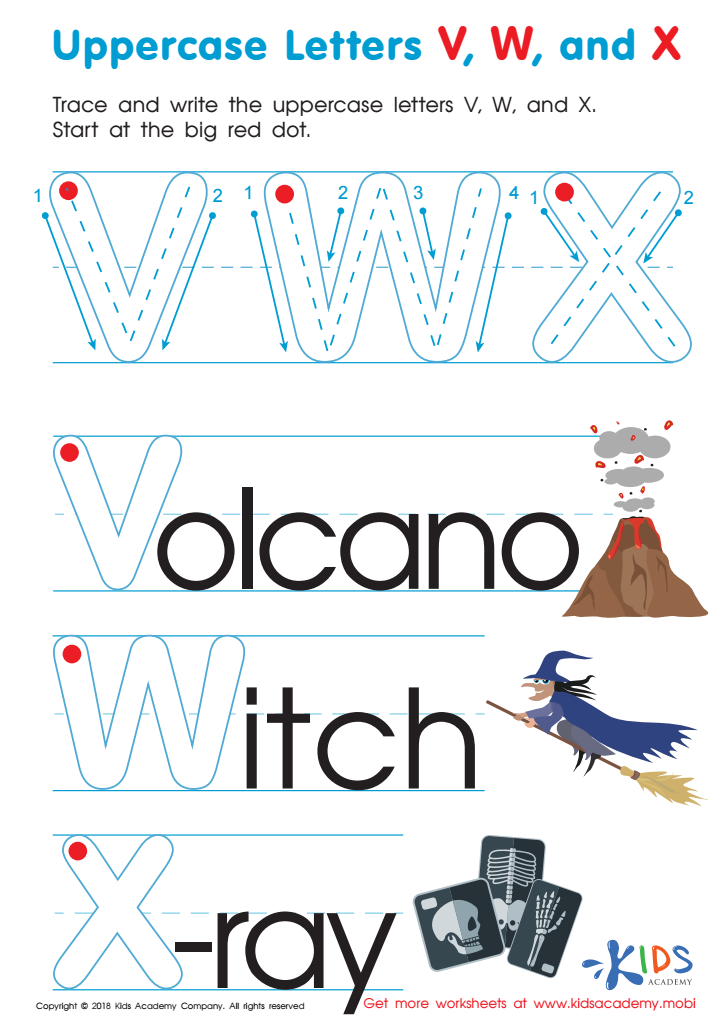
Uppercase Letters V, W, and X Worksheet








Handwriting practice for children aged 6-8 is crucial for several reasons, making it an important focus for both parents and teachers. During this developmental stage, children are honing their fine motor skills, and practicing handwriting helps strengthen their hand muscles and coordination. This is fundamental for their overall physical development and aids in later skills such as typing and drawing.
Moreover, handwriting is closely linked to literacy and cognitive development. As children learn to form letters, they also improve their phonemic awareness and spelling, enhancing their reading abilities. Practice reinforces proper letter formation and spacing, which are important for creating legible writing.
Socially, clear handwriting can affect a child’s confidence and communication skills. Children who write neatly are often more willing to share their work, contributing to a positive classroom environment and fostering a sense of accomplishment.
Additionally, in an increasingly digital world, the act of writing by hand is noted for its positive effects on memory and learning retention. Engaging in regular handwriting practice provides children with a foundation for academic success, promotes at-home learning habits, and encourages self-expression. Dedication to this practice nurtures essential skills that will benefit children throughout their education and beyond.







