Sound recognition Normal Alphabet Worksheets for Ages 6-8
11 filtered results
-
From - To
Discover our engaging Sound Recognition Normal Alphabet Worksheets, specially designed for children aged 6-8! These worksheets provide an interactive way for young learners to develop their phonetic awareness and improve their reading skills. Each worksheet encourages kids to recognize and connect letter sounds with corresponding words and images, making learning fun and effective. Perfect for classroom or home use, our materials support diverse learning styles and help children build a strong foundation in literacy. Boost your child's confidence and proficiency in the alphabet with these captivating sound recognition activities. Start their journey to reading success today!
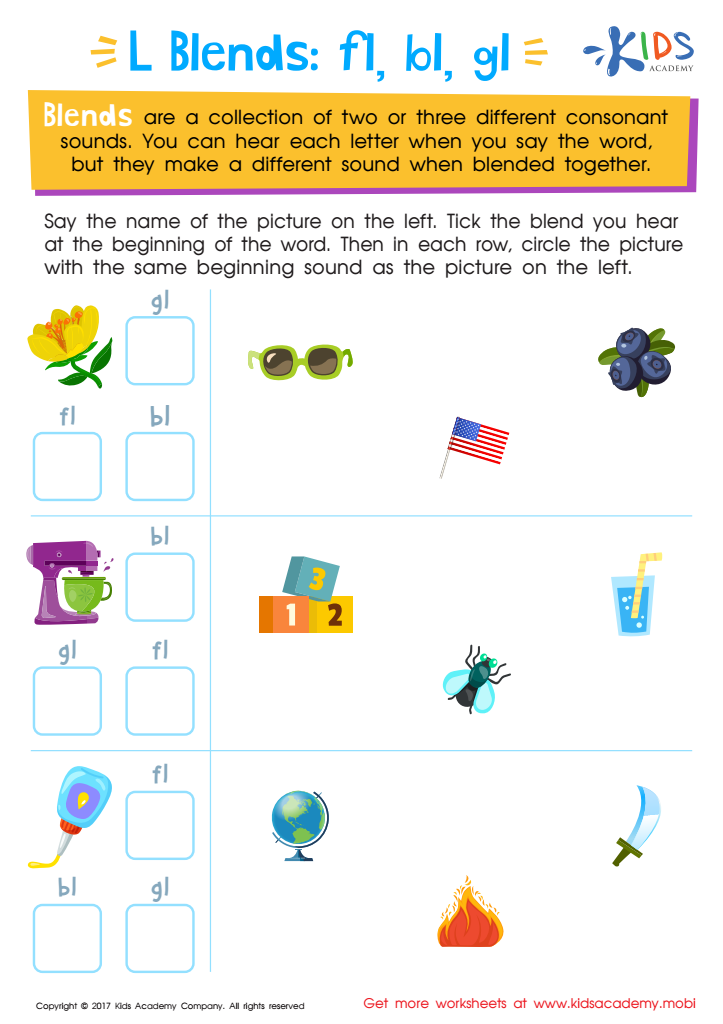
Blending Consonants: "Fl", "Bl" and "Gl" Printable
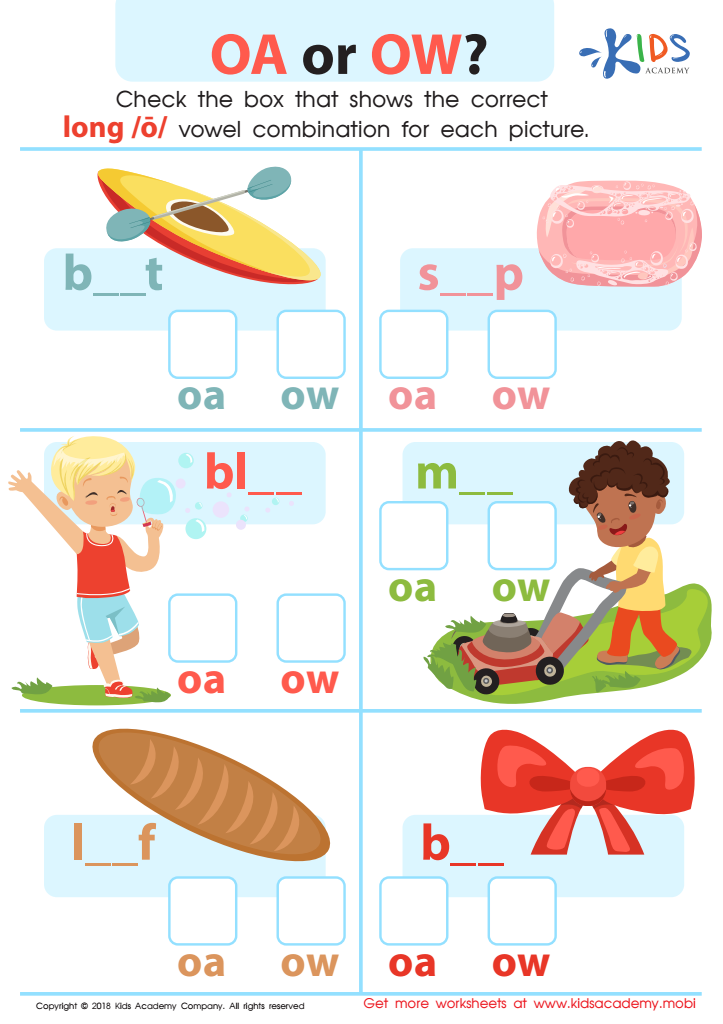
Reading: OA or OW Worksheet
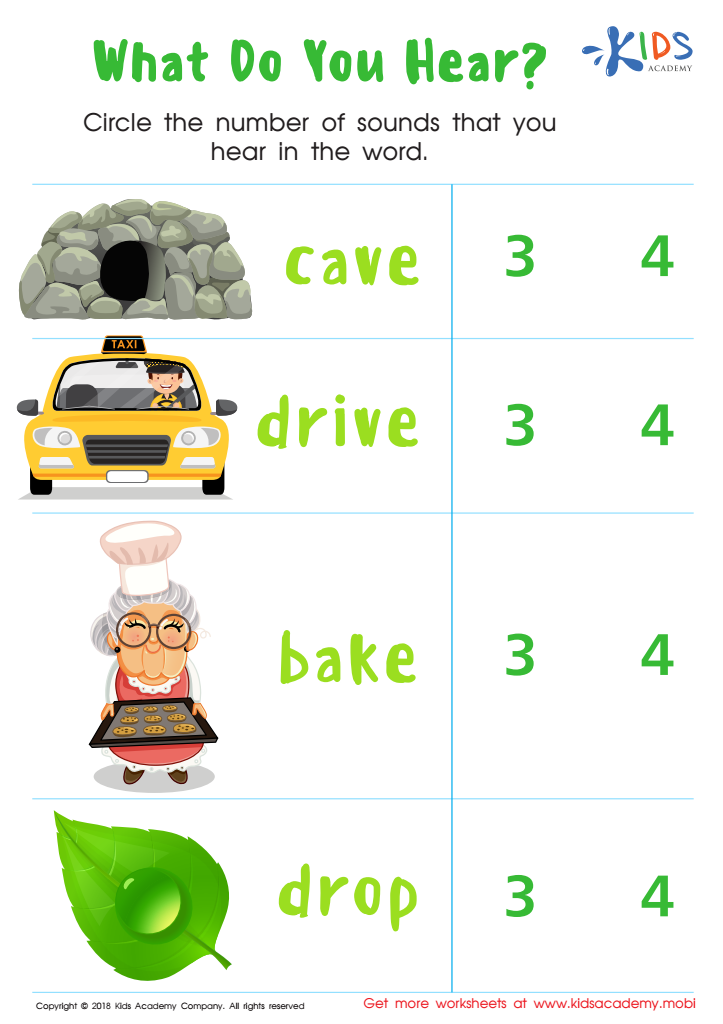
What Do You Hear? Worksheet
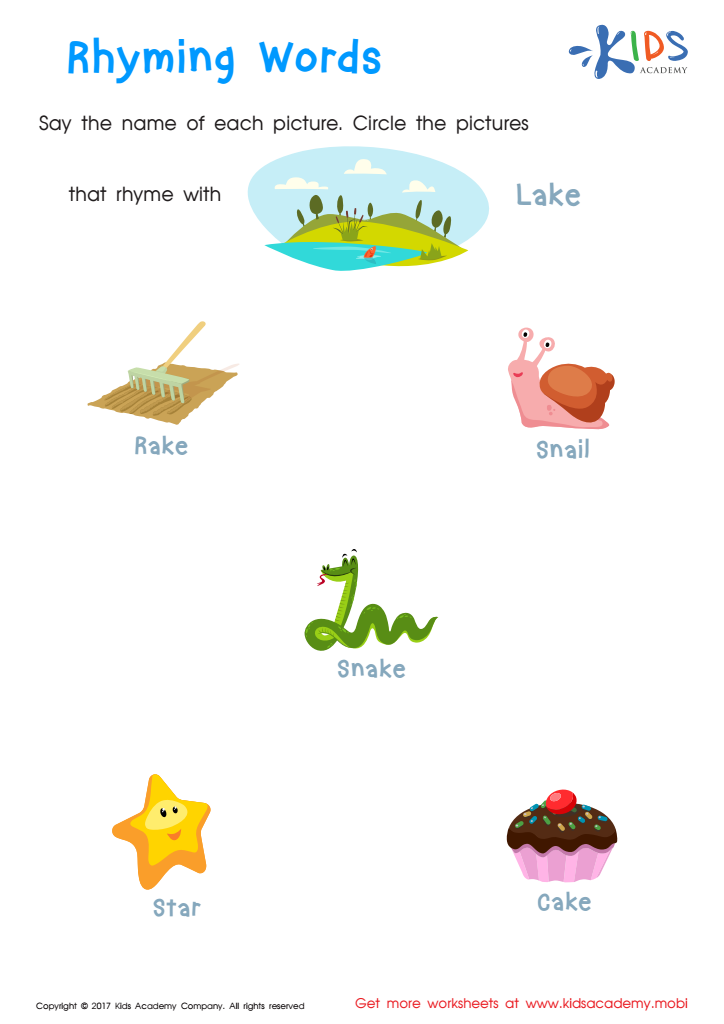
Rhyming Words Rhyming Worksheet
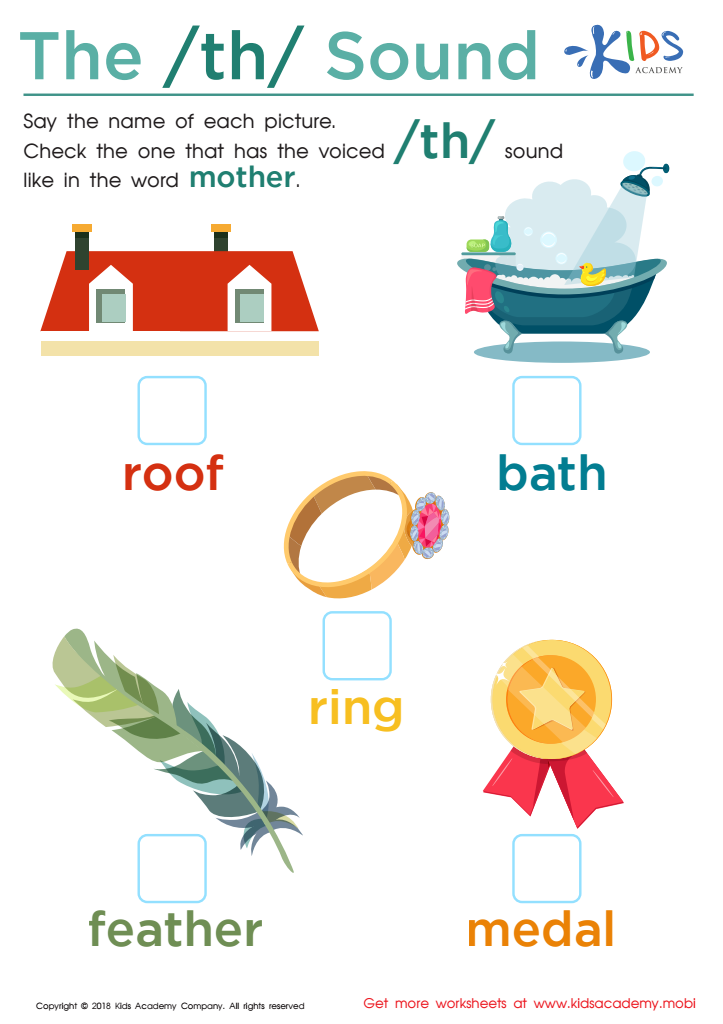
The /th/ Sound Worksheet
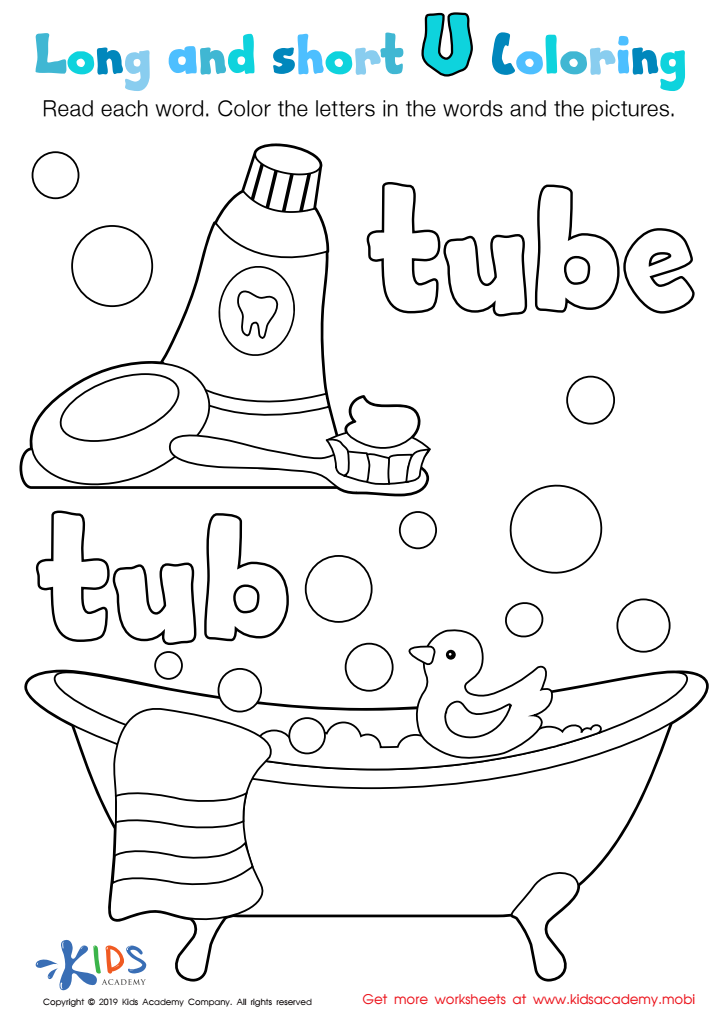
Long and Short U Worksheet
 Assign to My Students
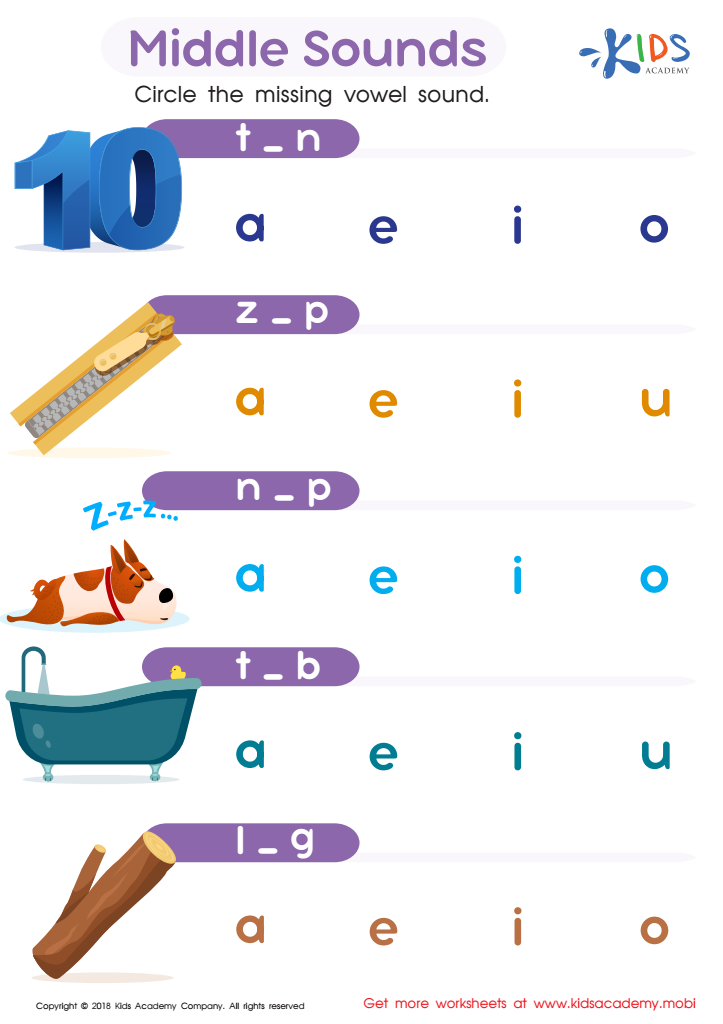
Middle Sounds Worksheet
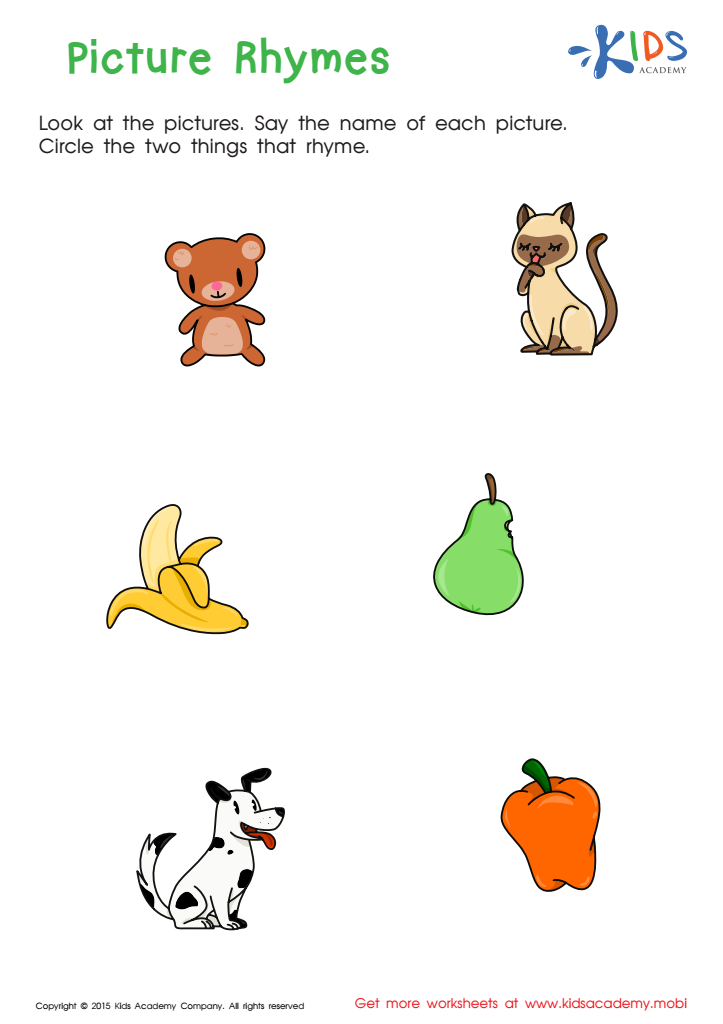
First Words: Picture Rhymes Worksheet
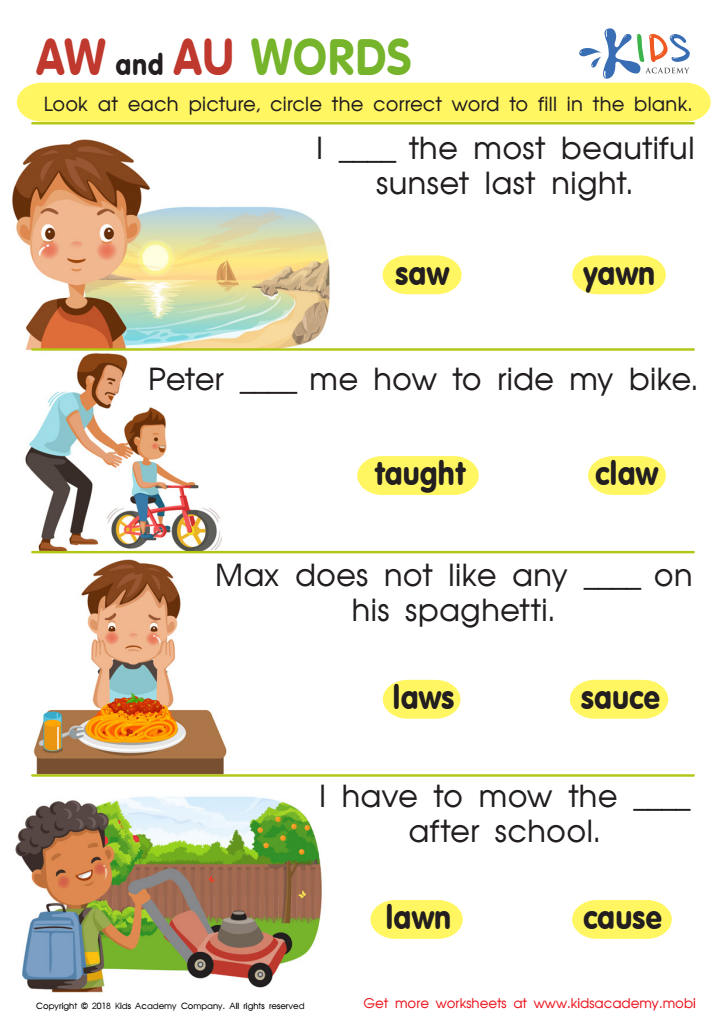
Reading: AW and AU Words Worksheet
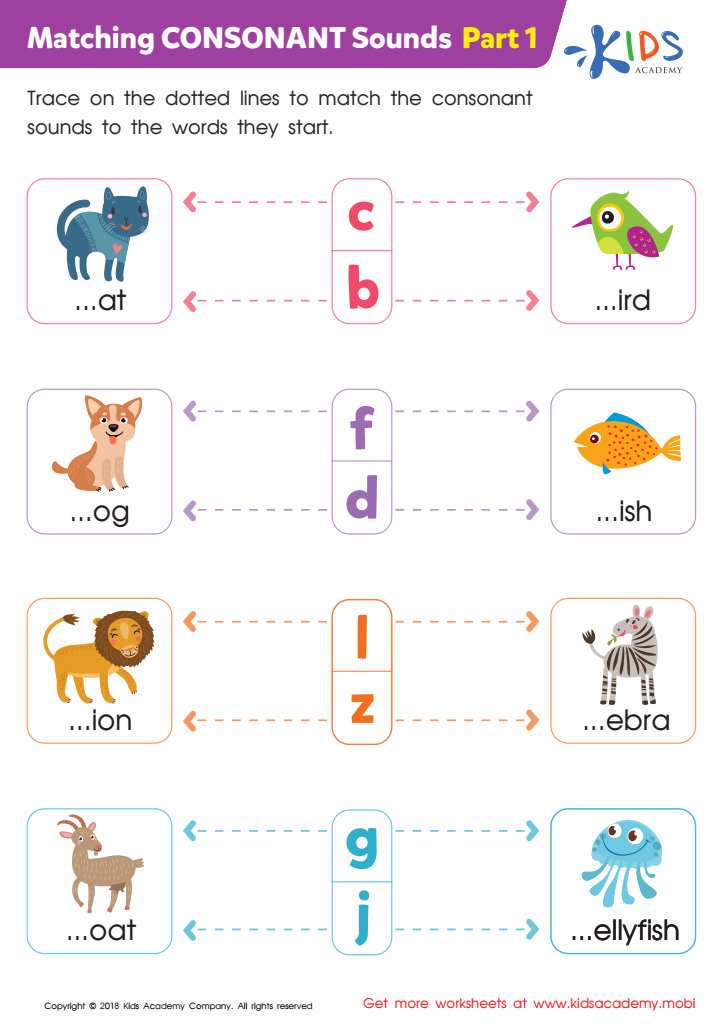
Matching Consonant Sounds: Part 1 Worksheet
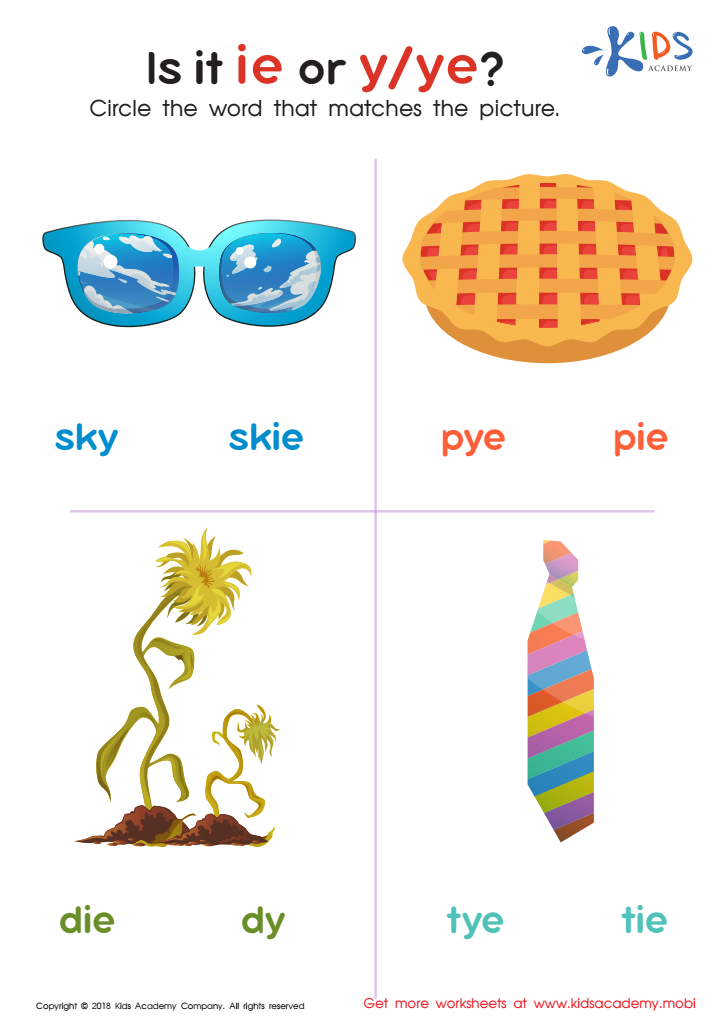
Is It IE or Y/Ye? Worksheet






Sound recognition and the normal alphabet are crucial for children aged 6-8 as they form the foundation for literacy and language skills. During these formative years, children move from recognizing letters to understanding how sounds correspond to these letters, which is essential for reading and writing. Sound recognition helps children decode words, enabling them to read independently and thrive academically.
Moreover, mastering sound-alphabet relationships enhances listening skills, which are vital for effective communication and comprehension. As children begin to explore more complex texts, a strong grasp of phonics helps them tackle unfamiliar words and build vocabulary.
From a developmental standpoint, engaging with sound recognition activities promotes cognitive flexibility and problem-solving, skills that extend beyond literacy. Activities involving rhymes, phonetic games, and sound-matching strengthen children's ability to categorize and manipulate sounds, fostering critical thinking.
Therefore, both parents and teachers should prioritize sound recognition through interactive and fun approaches, such as games, songs, and storytelling. By doing so, they bolster children’s confidence and enjoyment in reading, setting the stage for lifelong learning and success. Ensuring that children are equipped with strong foundational skills at this stage will pay dividends in their future educational endeavors.







