Alphabet Recognition Normal Tracing Letters Worksheets for Ages 6-8
21 filtered results
-
From - To
Discover our engaging Alphabet Recognition Normal Tracing Letters Worksheets, specially designed for children aged 6-8! These interactive sheets not only promote advanced letter tracing skills but also enhance alphabet recognition, laying a strong foundation for literacy. Each worksheet provides a fun and visually stimulating way for kids to practice their handwriting while reinforcing their understanding of each letter's shape and sound. Perfect for both classroom activities and home learning, our worksheets cater to diverse learning styles and help foster a love for reading and writing. Empower your child's educational journey with colorful worksheets that turn learning into a delightful adventure!
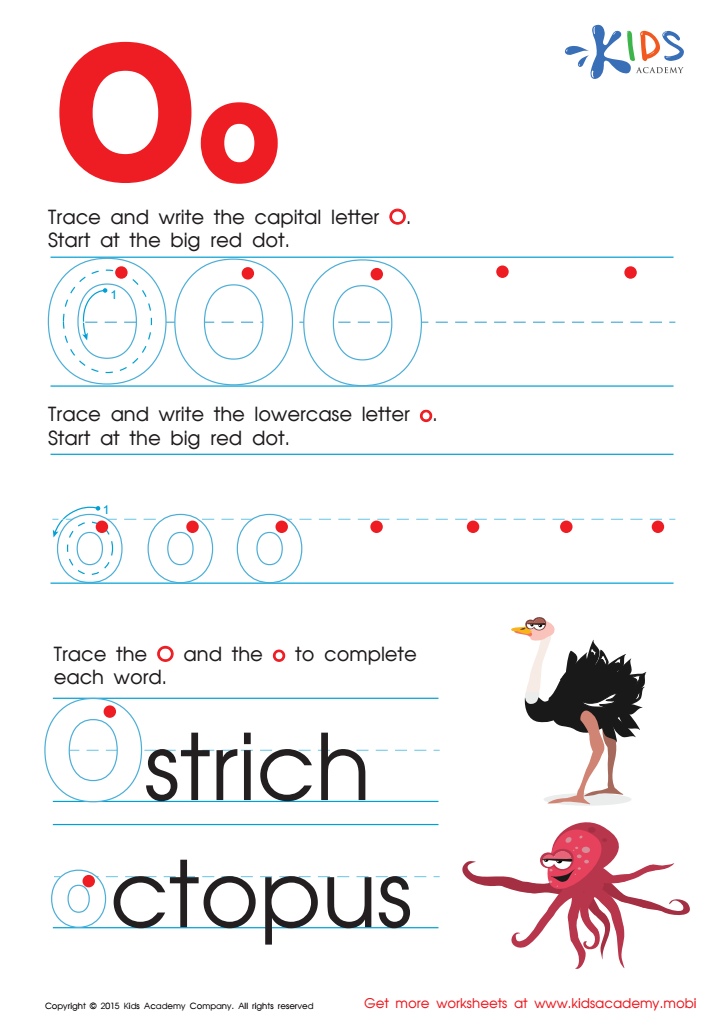
Letter O Tracing Page
 Assign to My Students
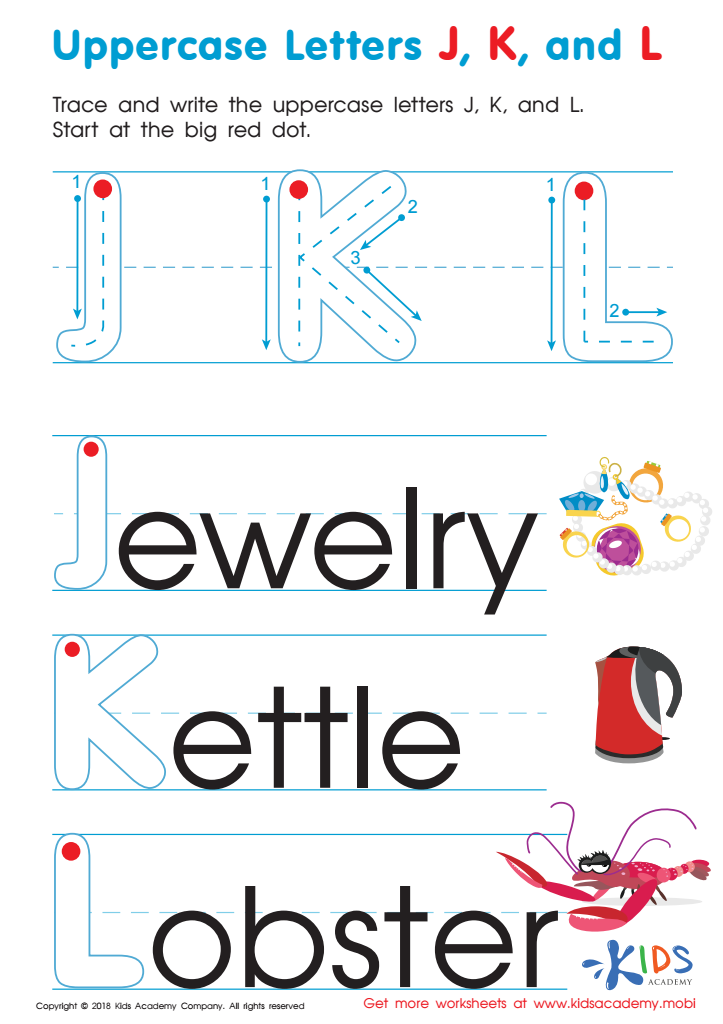
Uppercase Letters J, K, and L Worksheet
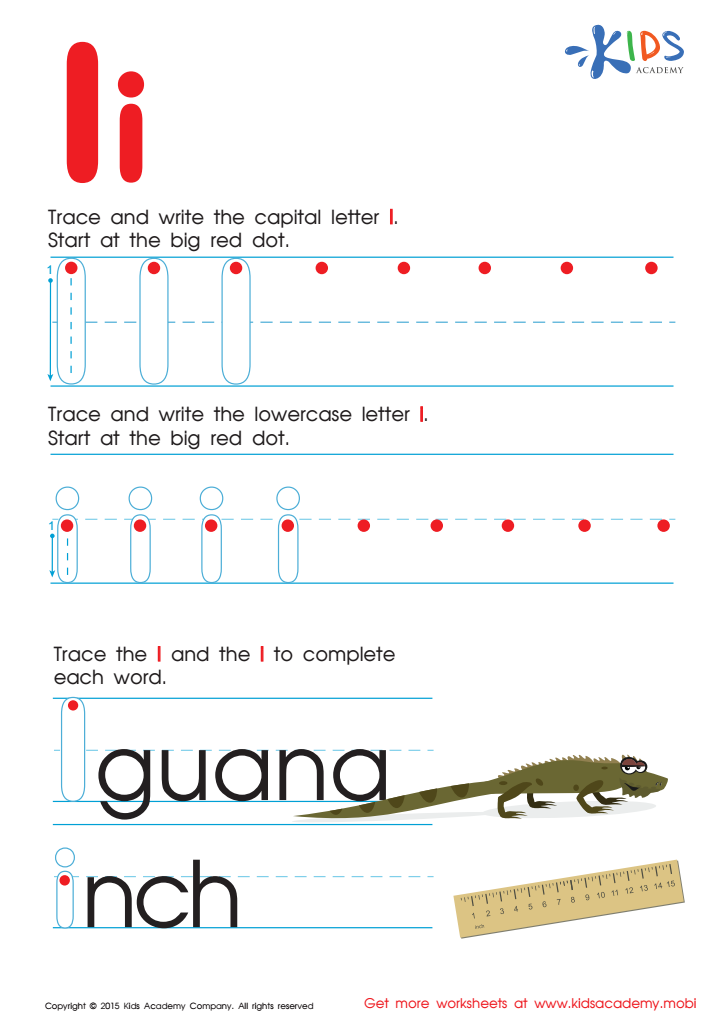
Letter I Tracing Page
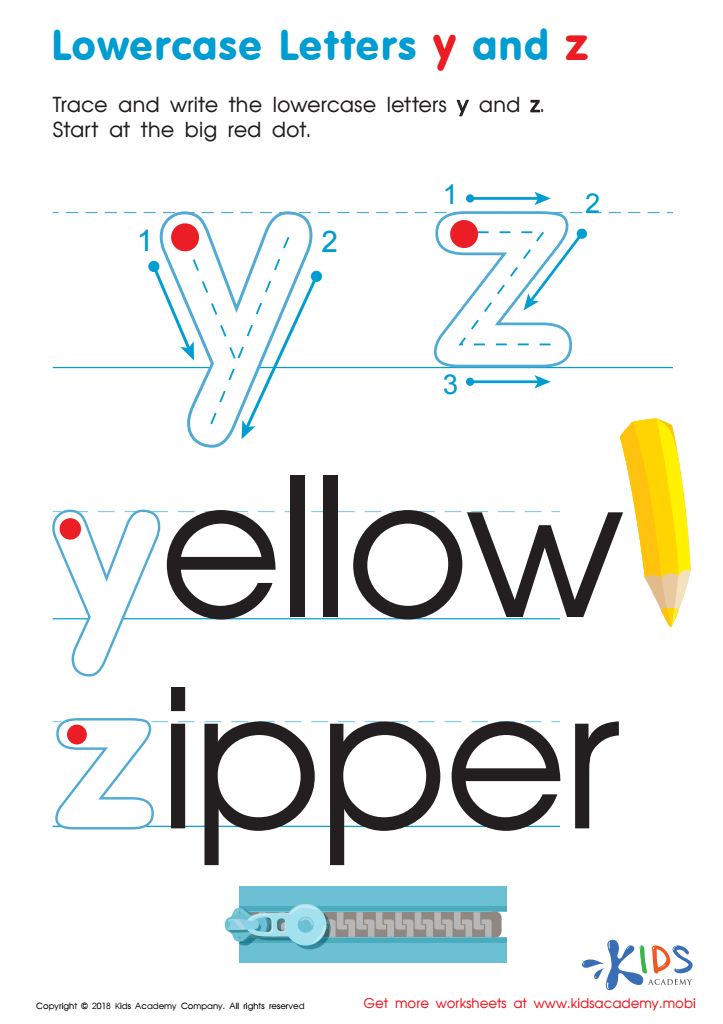
Lowercase Letters y z Worksheet
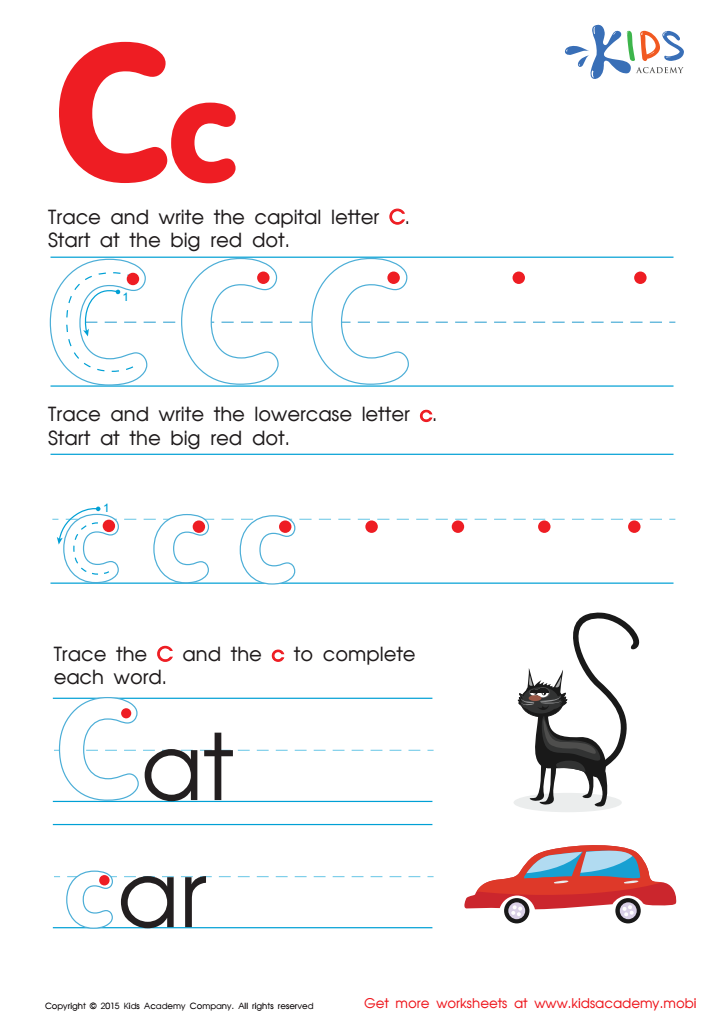
Letter C Tracing Page
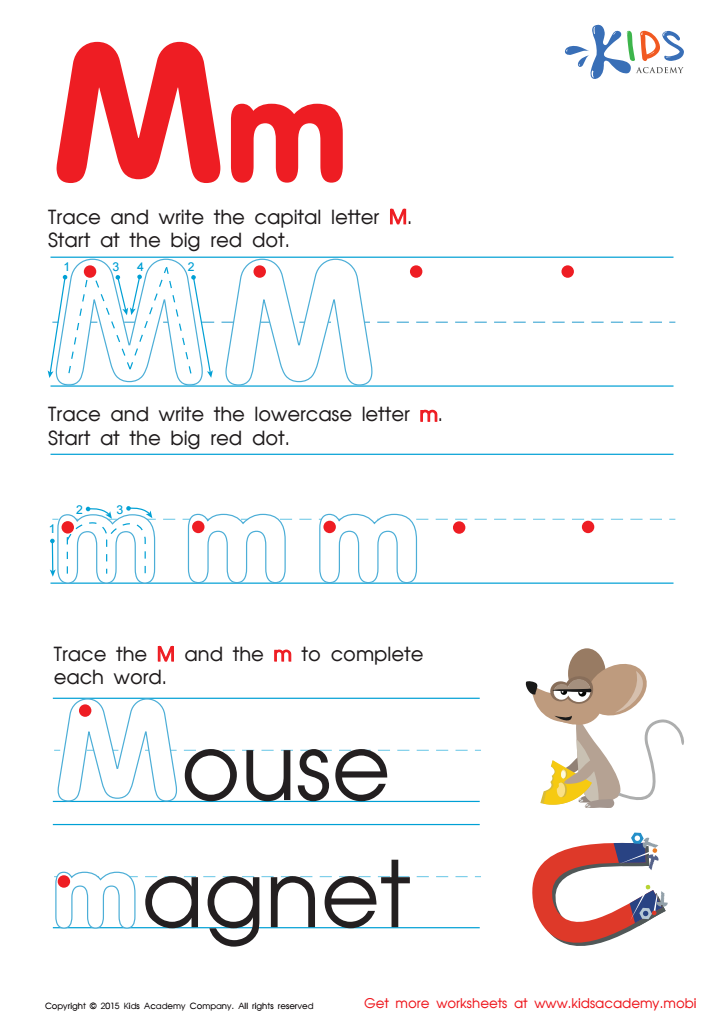
Letter M Tracing Page
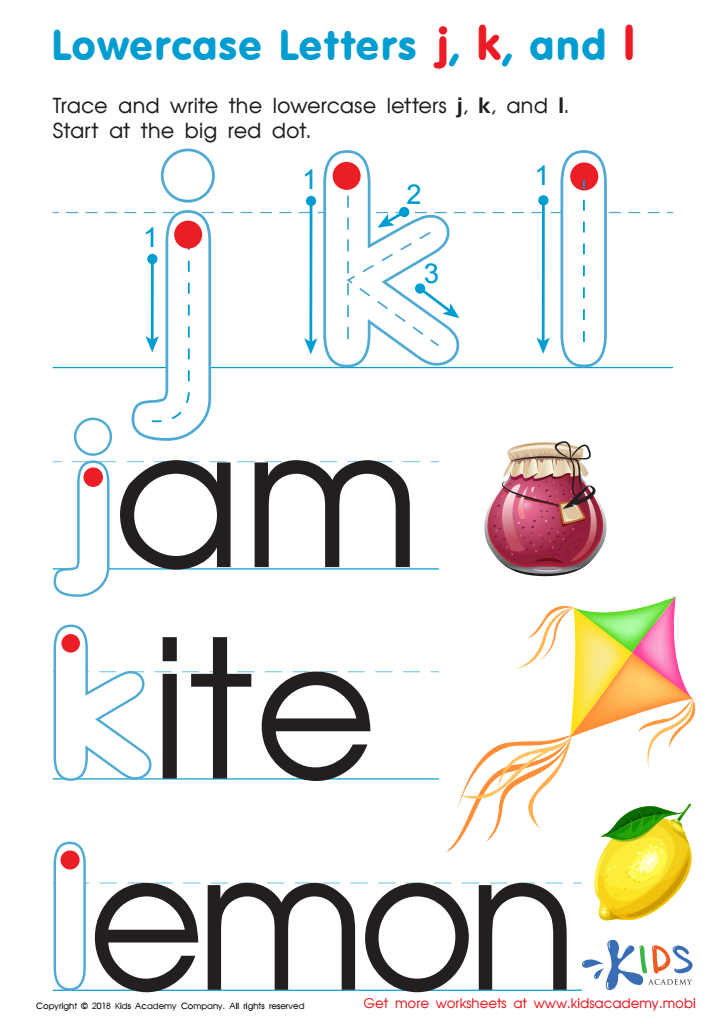
Lowercase Letters j k l Worksheet
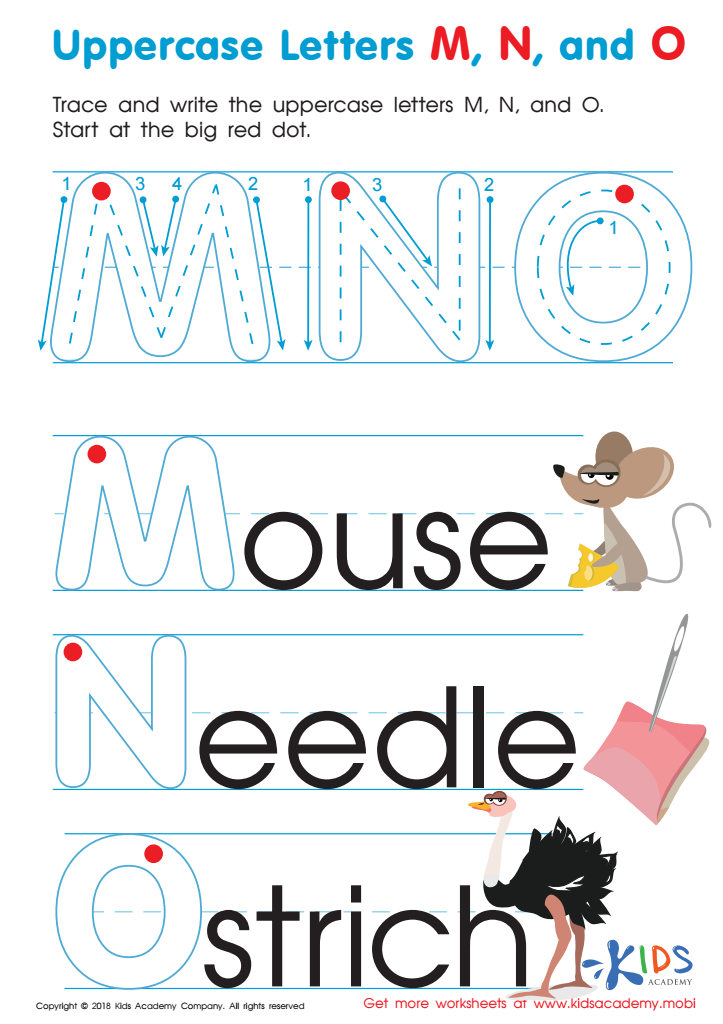
Uppercase Letters M, N, and O Worksheet
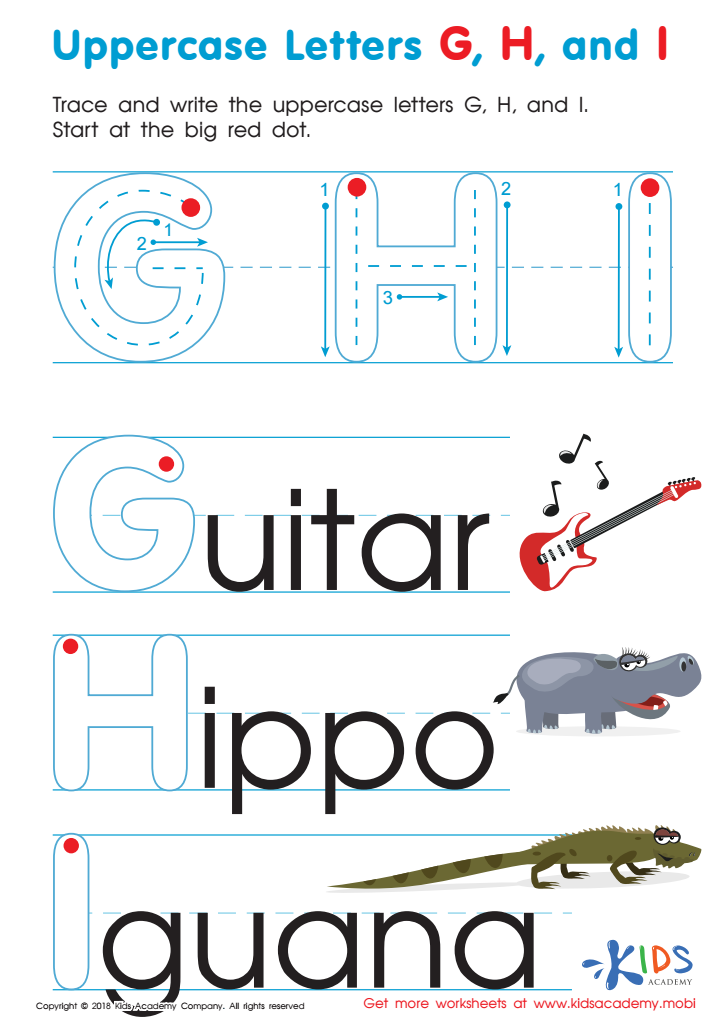
Uppercase Letters G, H, and I Worksheet
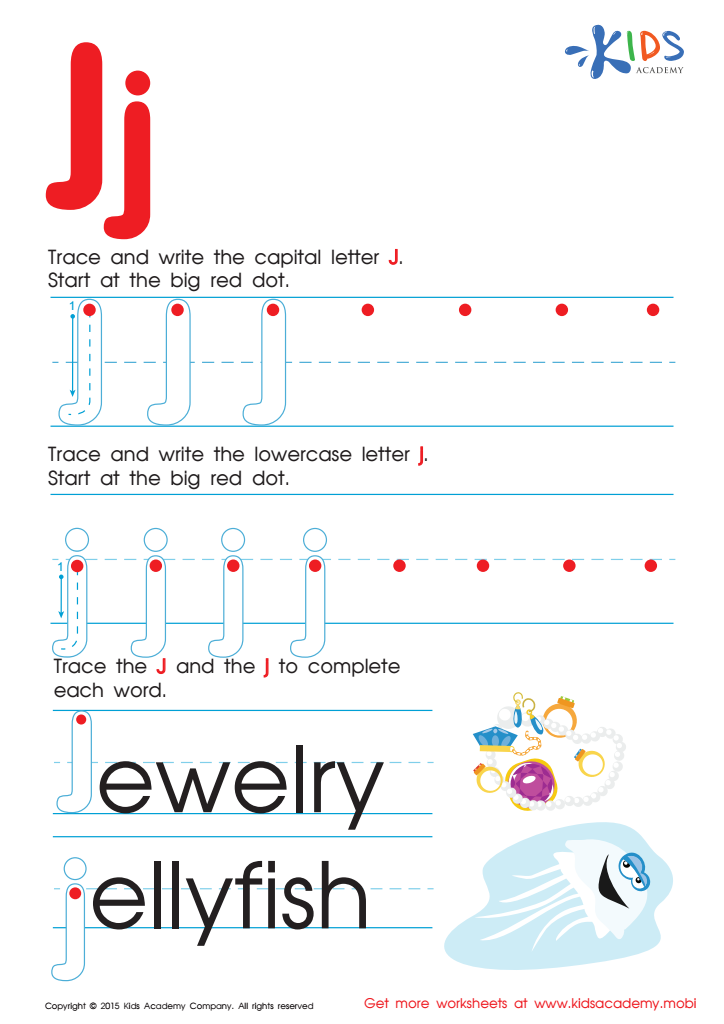
Letter J Tracing Page
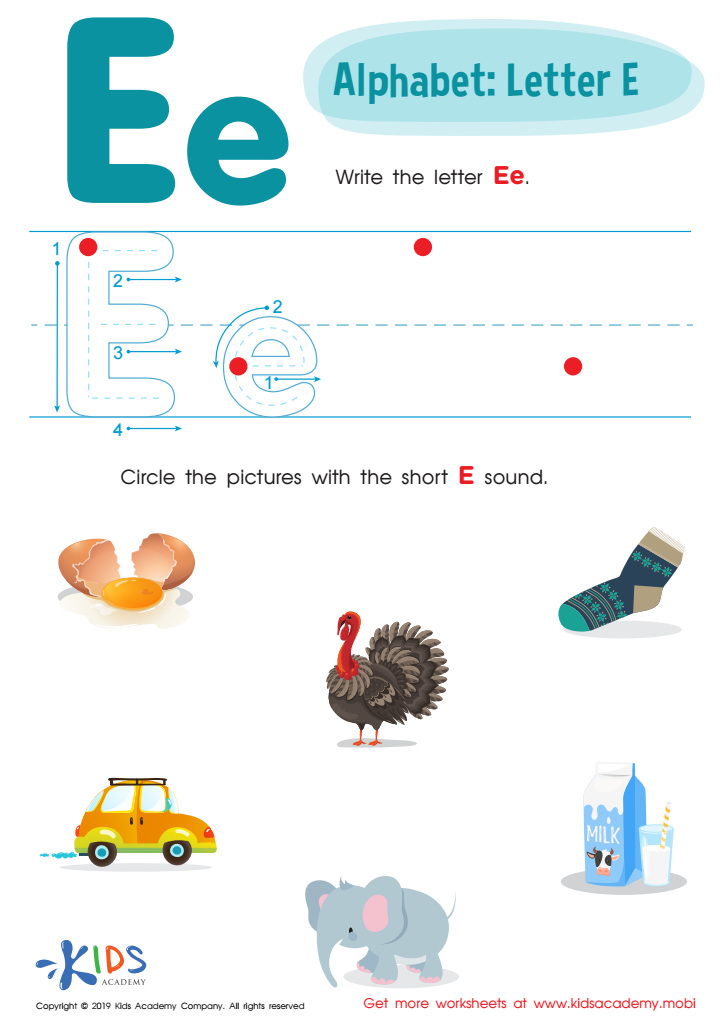
Letter E Tracing Worksheet
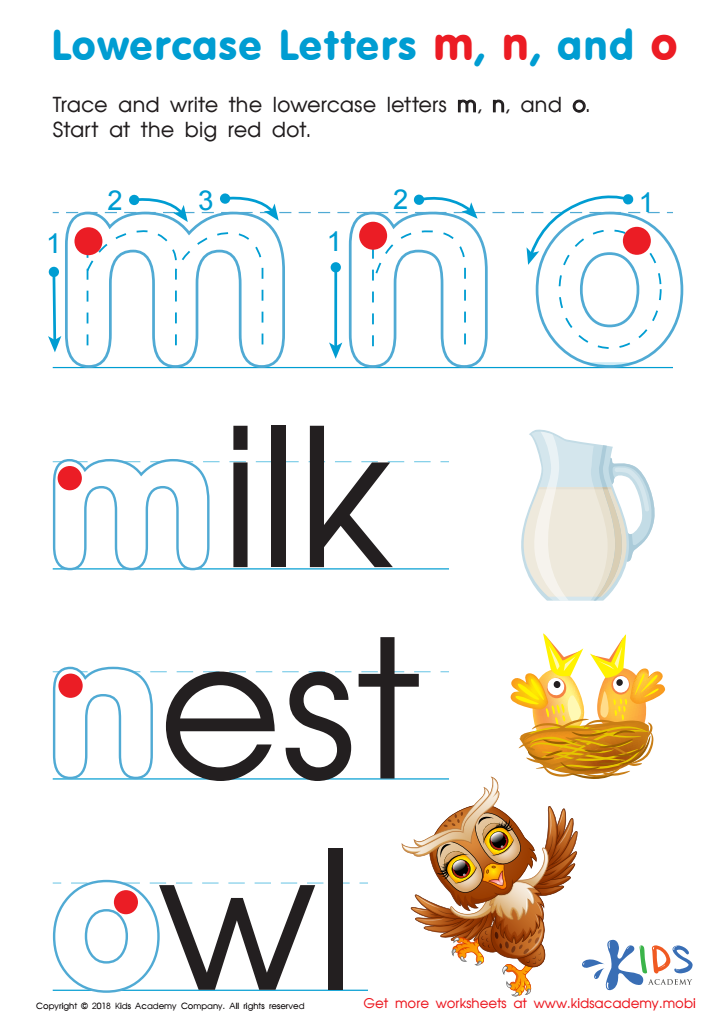
Lowercase Letters m n o Worksheet
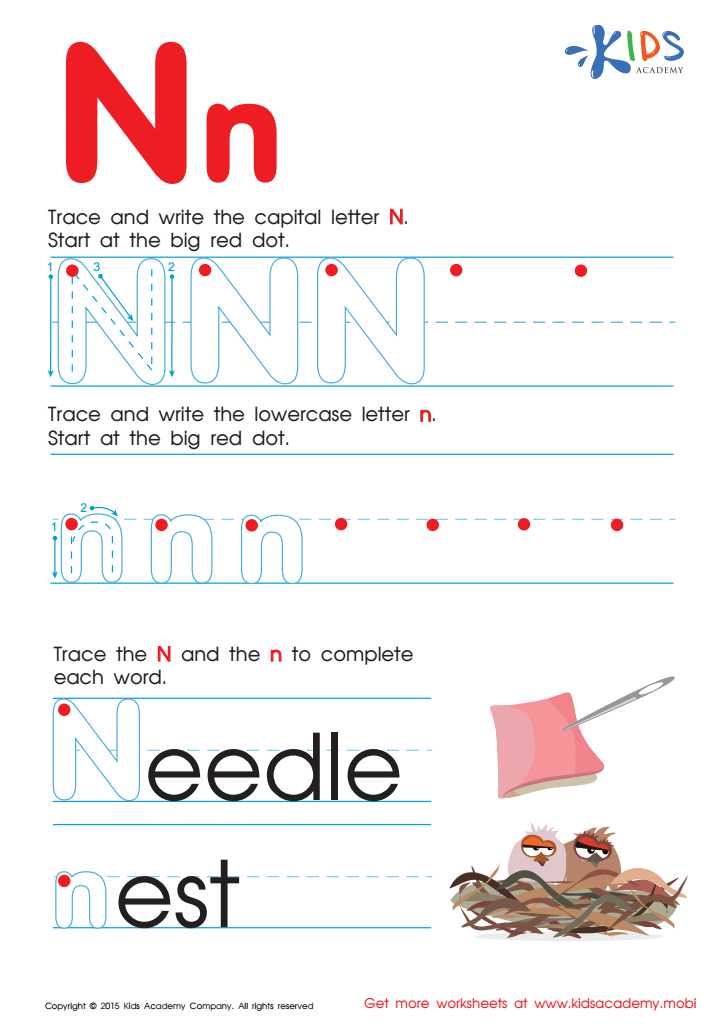
Letter N Tracing Page
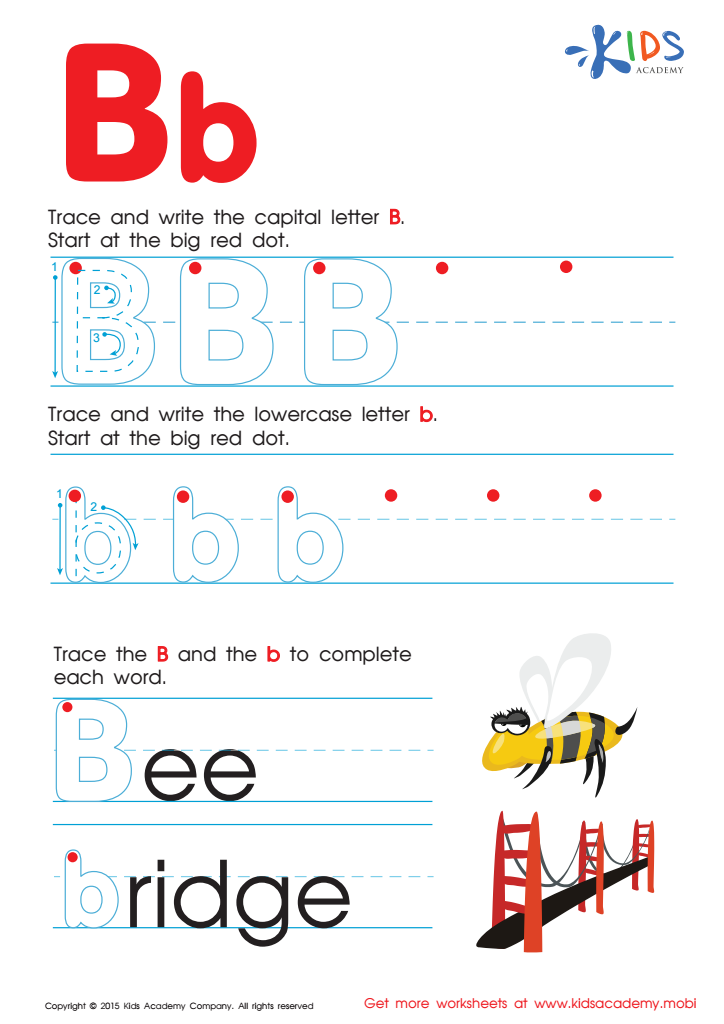
Letter B Tracing Page
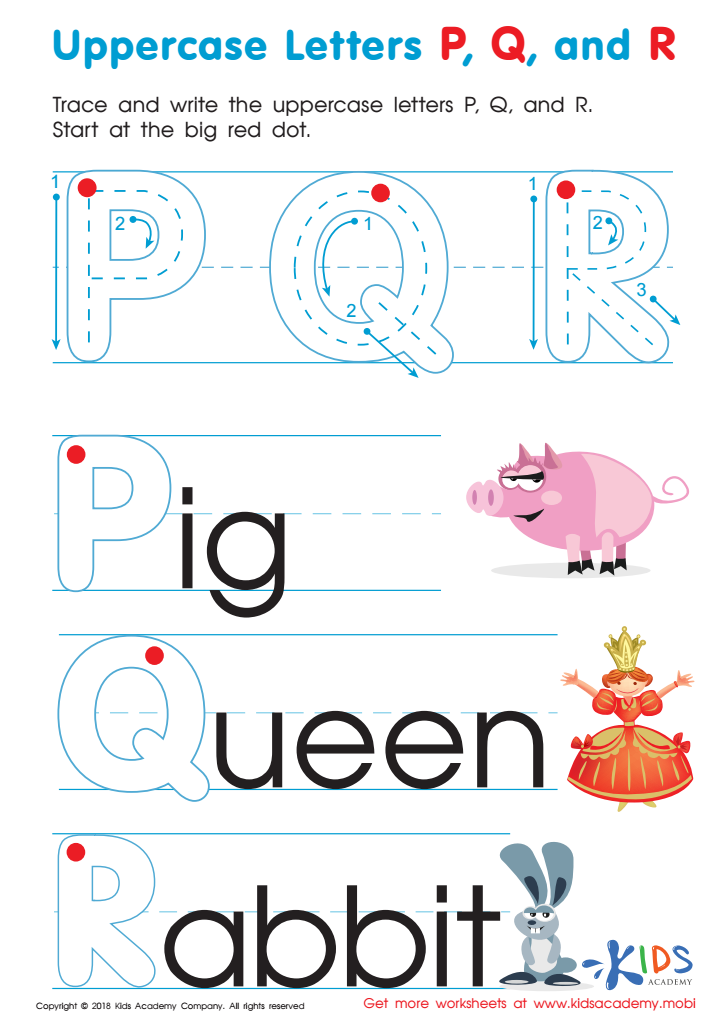
Uppercase Letters P, Q, and R Worksheet
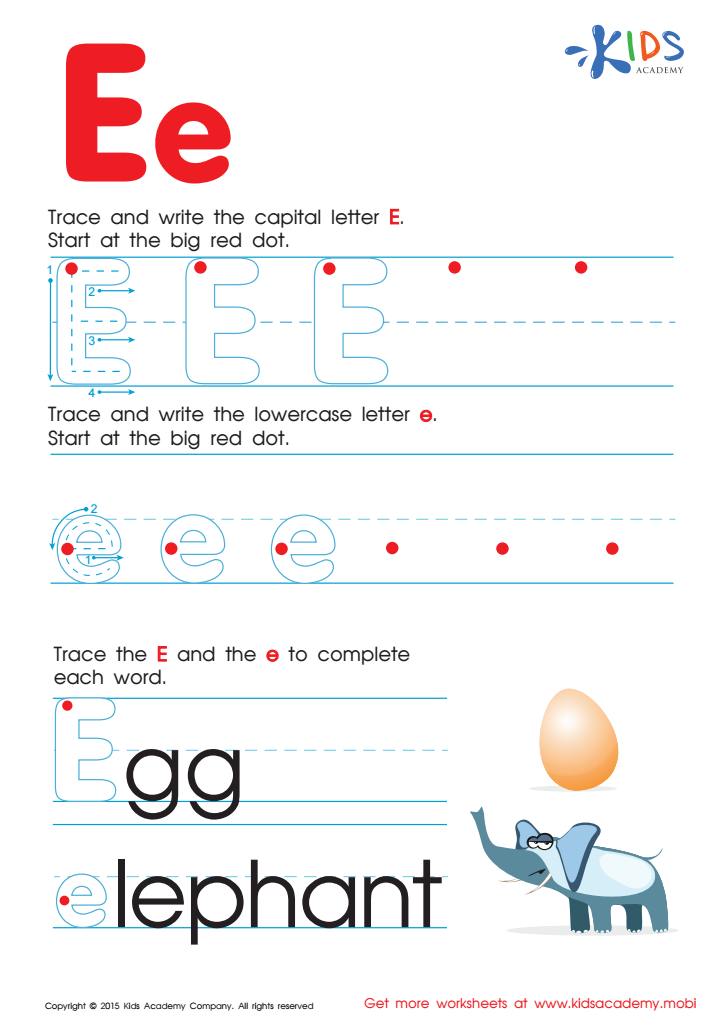
Letter E Tracing Page
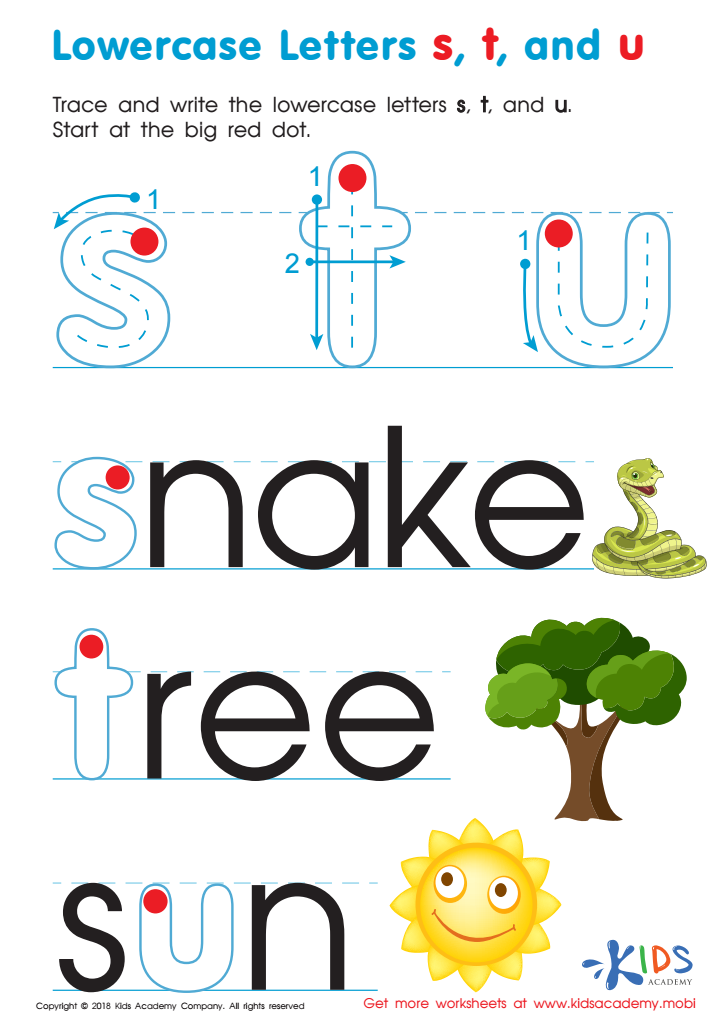
Lowercase Letters s t u Worksheet
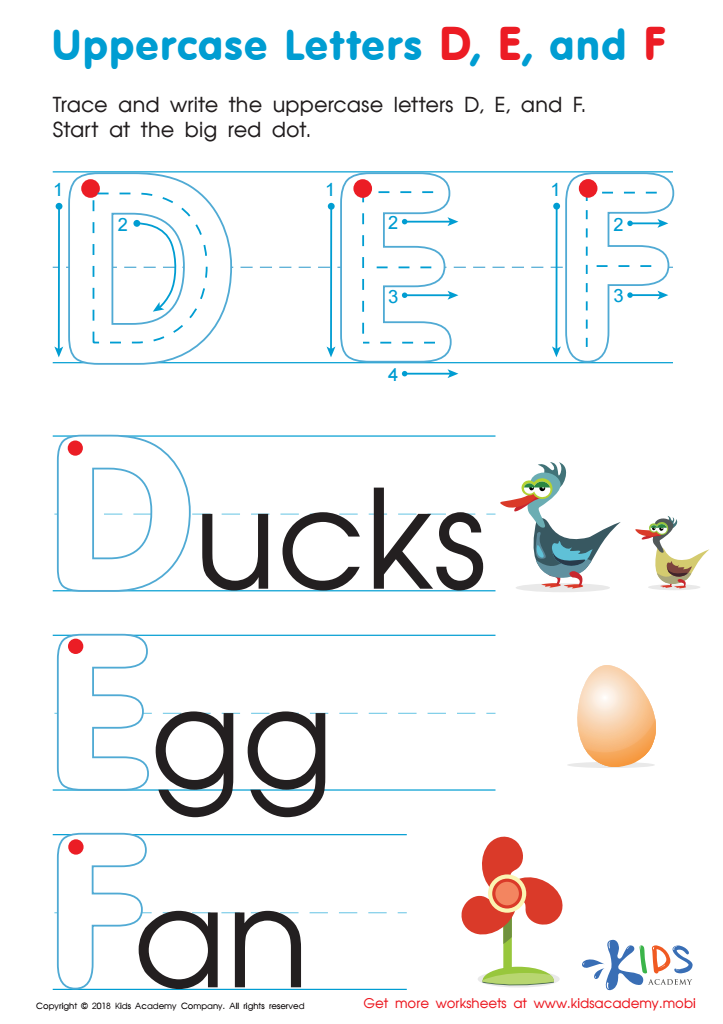
Uppercase Letters D, E, and F Worksheet
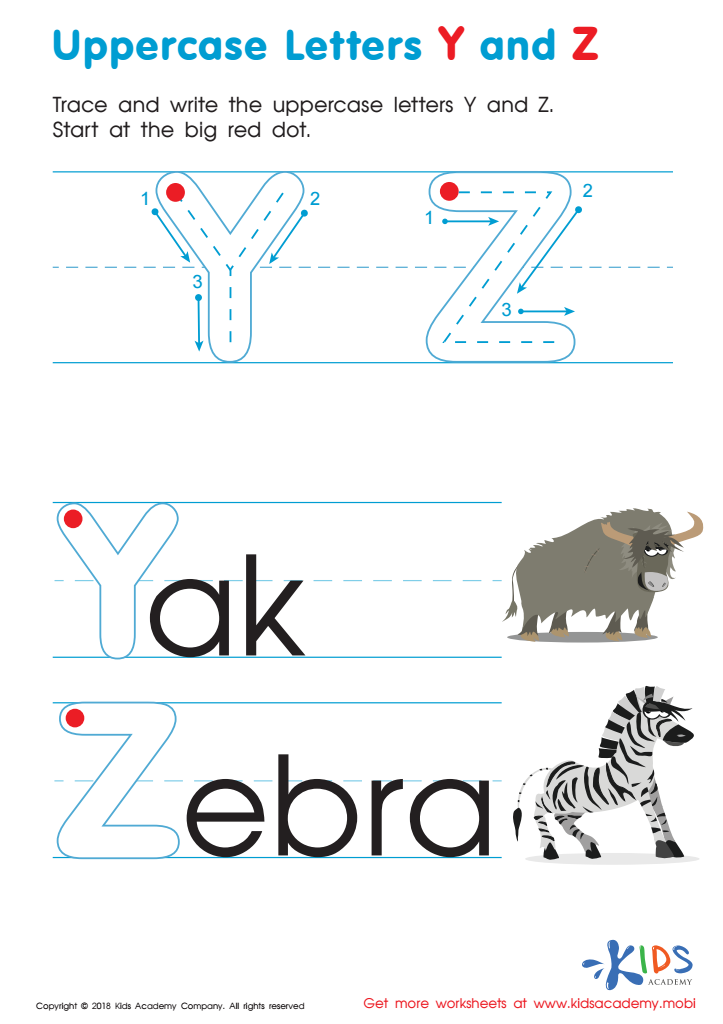
Uppercase Letters Y Z Worksheet
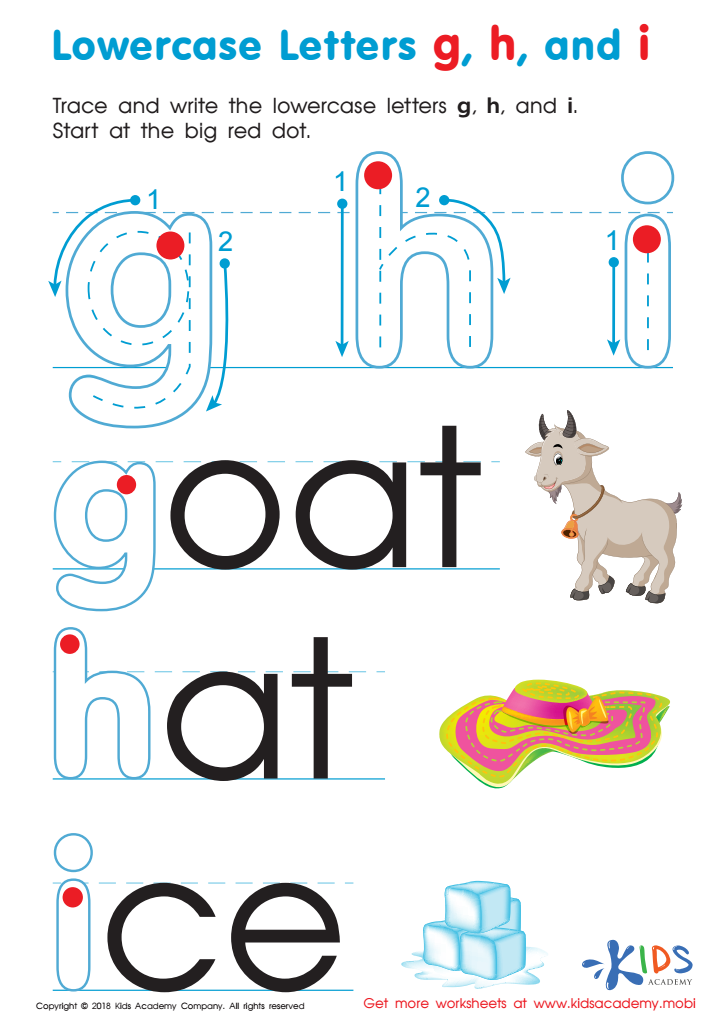
Lowercase Letters g h i Worksheet
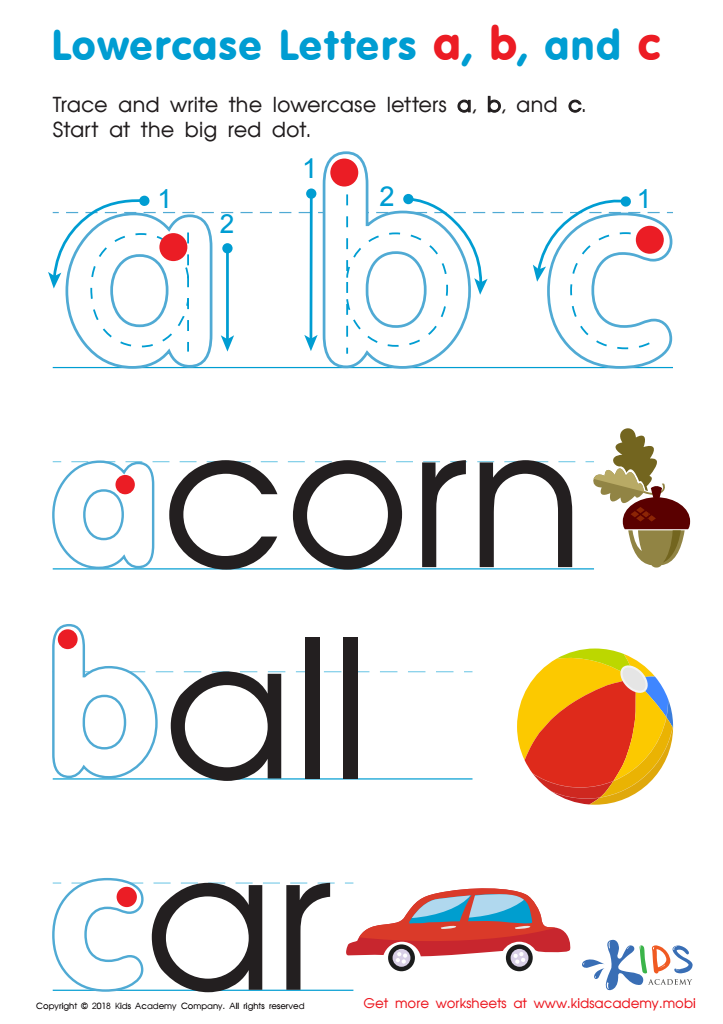
Lowercase Letters a b c Worksheet







Alphabet recognition and letter tracing are crucial skills for children aged 6-8 as they directly impact early literacy development. Mastering the alphabet lays the foundation for reading and writing, which are essential for academic success. When children recognize letters and understand their shapes, sounds, and connections, they become more confident readers and communicators.
For parents and teachers, fostering these skills is essential because this age group transitions from learning to read to reading to learn. Engaging children in normal tracing activities reinforces motor skills necessary for handwriting and reinforces memory retention of letter shapes. Moreover, consistent practice encourages discipline and concentration, traits that benefit not only academic performance but also everyday tasks.
Supporting alphabet recognition and letter tracing at this age can boost children's self-esteem. A strong grasp of these skills can lead to positive feedback in the classroom and reduce anxiety when undertaking more complex language tasks. In turn, this can foster a love for reading and learning, promoting lifelong educational engagement. In a digital age, grounding children in fundamental writing skills ensures they have the proficiency to navigate both traditional and modern literacy landscapes effectively. Therefore, prioritizing these activities is vital for parents and educators alike.








