Word Recognition Normal Two Letter Phonics Worksheets for Ages 6-8
6 filtered results
-
From - To
Discover our engaging "Word Recognition Normal Two Letter Phonics Worksheets" designed for kids ages 6-8. These worksheets make learning fun and effective by focusing on two-letter phonics combinations. Perfect for early grade students, the exercises help in building essential reading skills, enhancing word recognition, and boosting confidence. With colorful illustrations and interactive tasks, your child will find joy in mastering basic phonics. Explore our collection to provide a solid foundation for your young reader, ensuring they develop the skills needed for future academic success. Join today and watch your child become a proficient and eager reader!
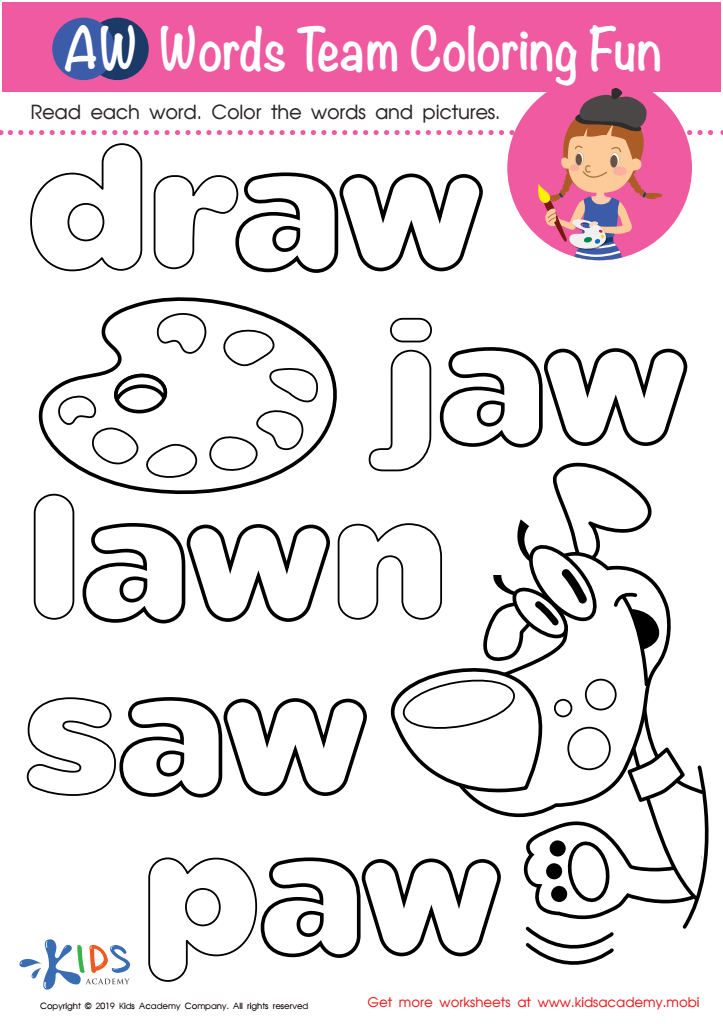
AW Words Team Coloring Fun Worksheet
 Assign to My Students
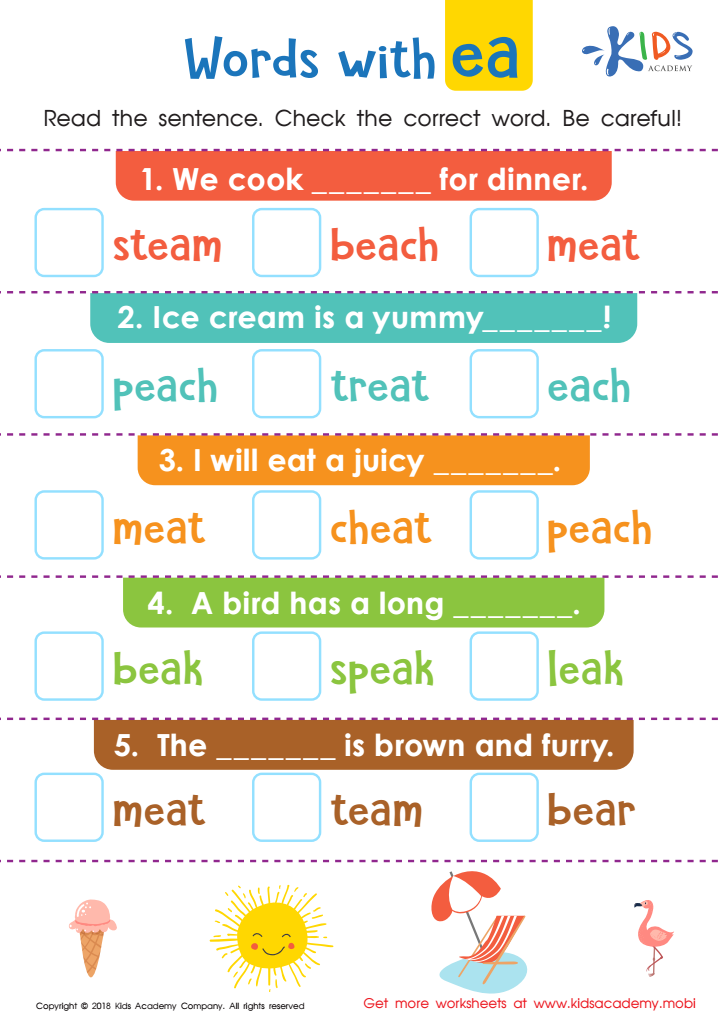
Words with ea Worksheet
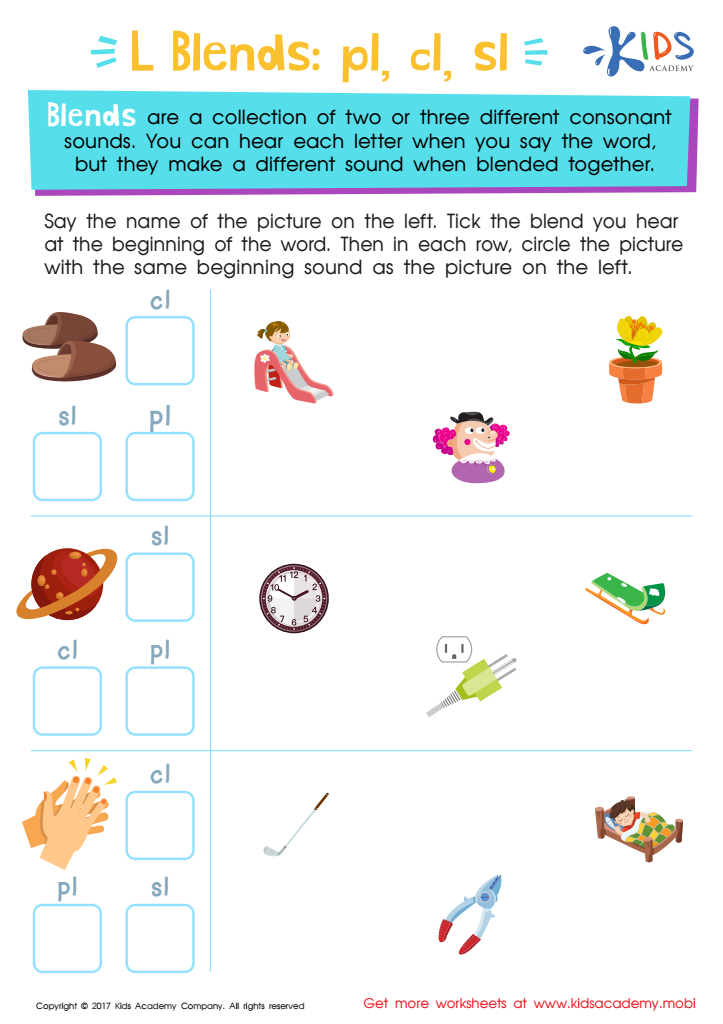
L Blends: "Pl", "Cl" and "Sl" Printable
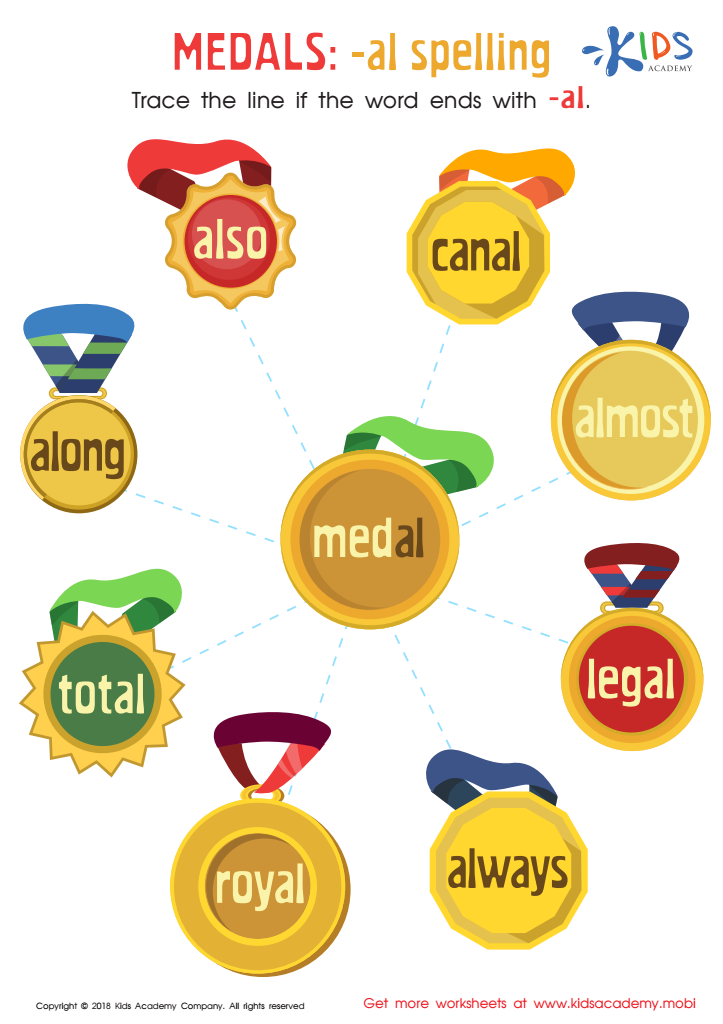
Medals: Al Spelling Worksheet
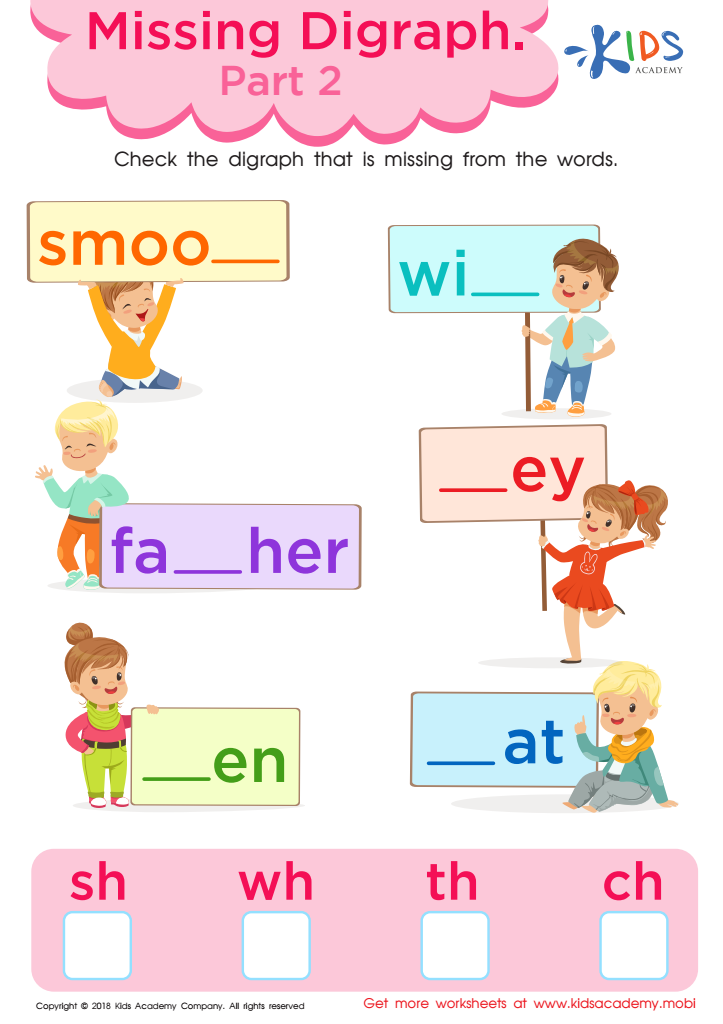
Missing Digraph: Part 2 Worksheet
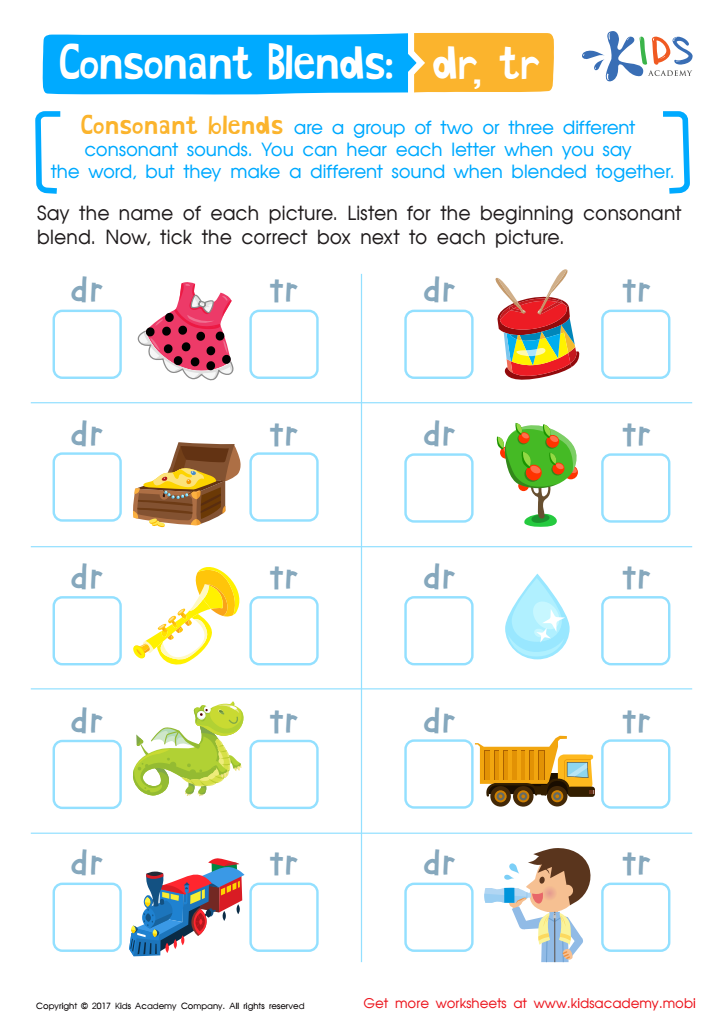
Consonant Blends: "Dr" and "Tr" Printable



Word recognition and normal two-letter phonics are fundamental components of early literacy development for children aged 6-8. During this critical period, young learners transition from recognizing individual letters to understanding and interpreting whole words. Mastery of two-letter phonics, such as "sh," "ch," "th," and combinations like "at" or "in," provides a crucial foundation for this development. These simple combinations help children decode words, fostering smoother and more confident reading.
When parents and teachers prioritize these skills, they effectively equip children with the tools needed to tackle more complex words and sentences. This impacts their reading fluency and comprehension positively. Children who grasp two-letter phonics early can read more quickly and with greater accuracy, enabling them to concentrate on understanding the meaning rather than sounding out each word laboriously.
Furthermore, strong word recognition and phonics skills contribute to a child's overall cognitive development. They expand a child's vocabulary, enhance their spelling, and ultimately enrich their overall academic performance. Ignoring this aspect of their literacy education may lead to struggles in reading, affecting their confidence and hindering their educational journey.
By focusing on word recognition and two-letter phonics for children aged 6-8, parents and teachers help set a strong foundation for lifelong learning and academic success.






