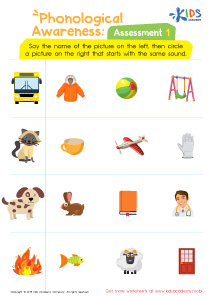
Reading proficiency Normal Vowels Worksheets for Ages 6-8
5 filtered results
-
From - To
Enhance your child's reading proficiency with our engaging Normal Vowels Worksheets for ages 6-8! Designed to support young learners, these interactive worksheets focus on identifying and mastering vowel sounds. By practicing various exercises, kids will improve their phonetic awareness, vocabulary, and reading comprehension skills in a fun and enjoyable way. The worksheets are easy to print and suitable for home or classroom use, making them perfect for daily practice or homework help. Encourage your child's literacy journey with our thoughtfully crafted activities that foster a love for reading and self-confidence in their abilities. Start exploring the joys of reading today!
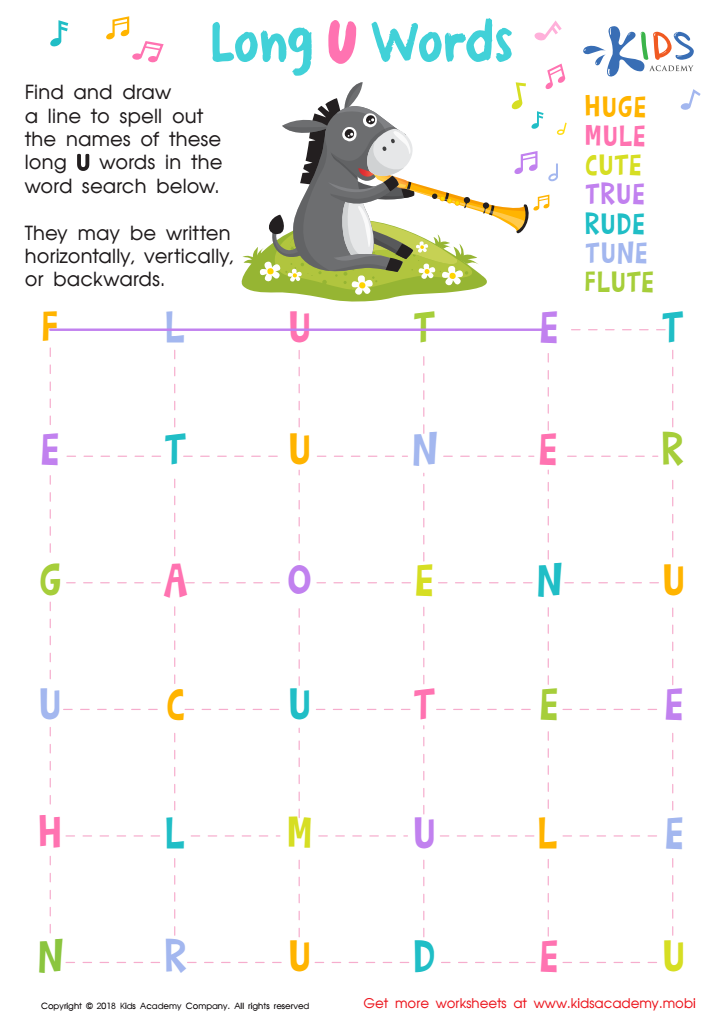
Long /u/ Words Worksheet
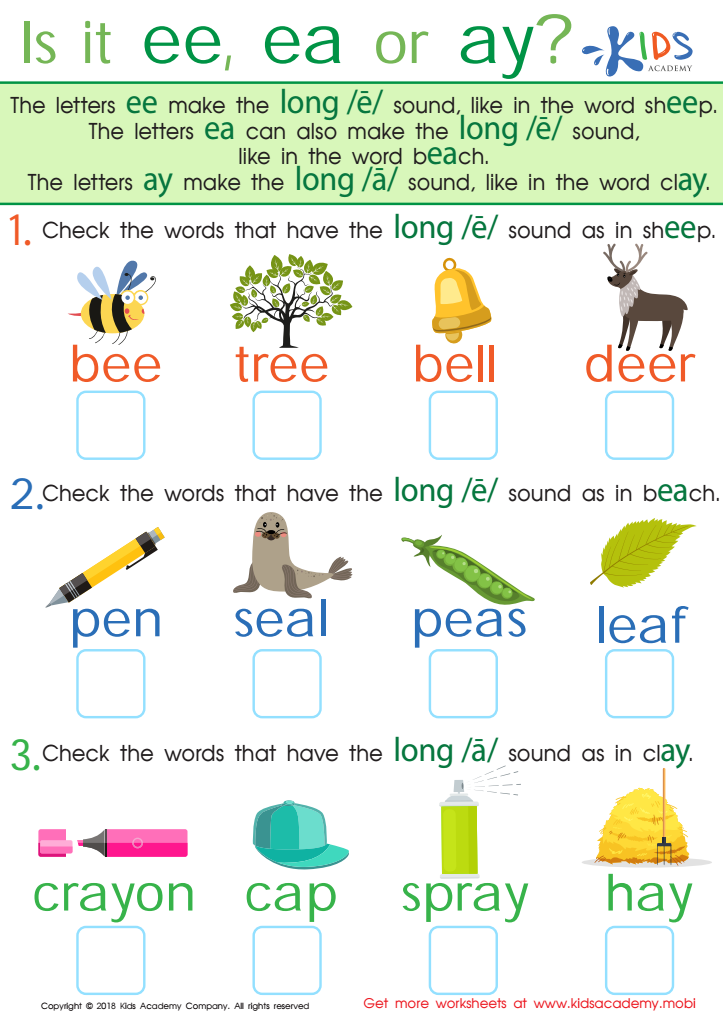
Is It EE, EA, or AY? Worksheet
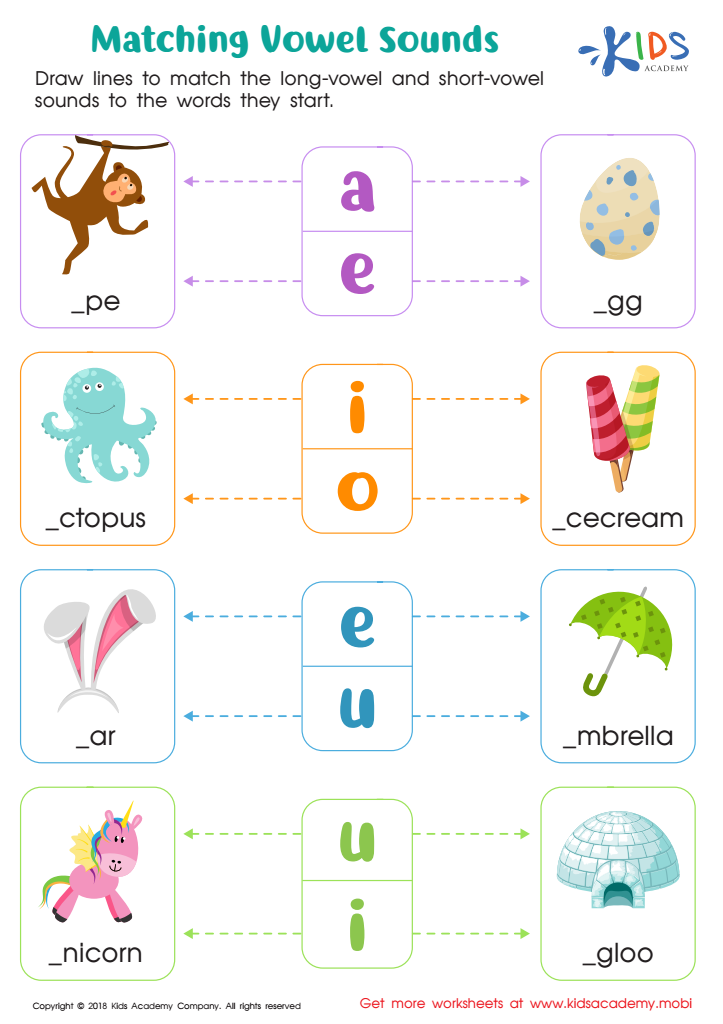
Matching Vowel Sounds Worksheet
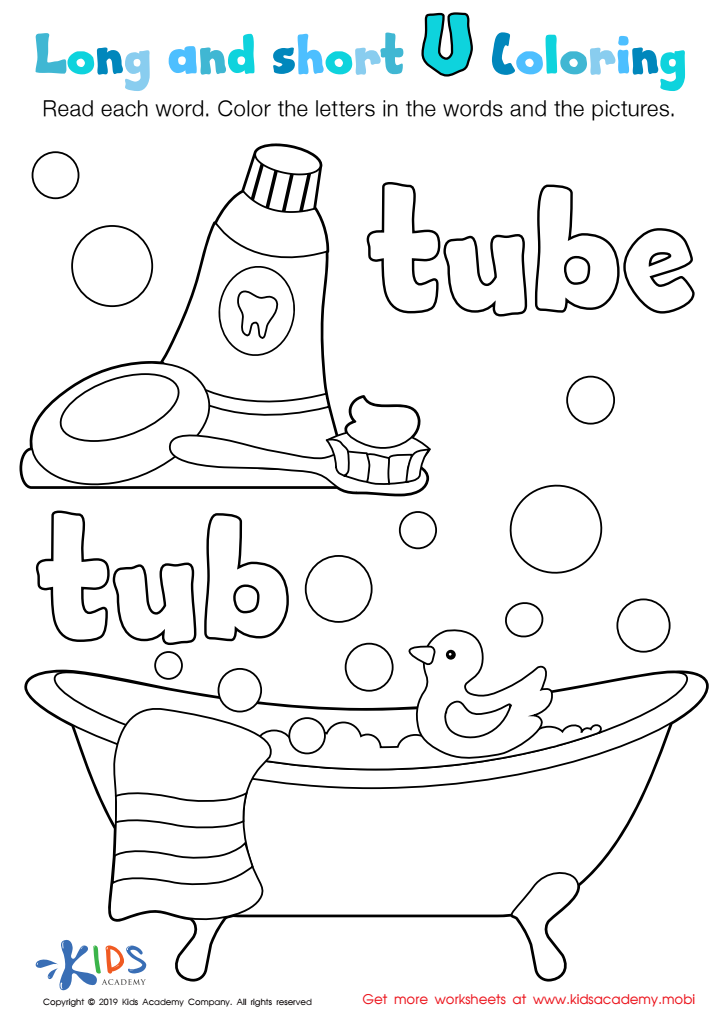
Long and Short U Worksheet
 Assign to My Students
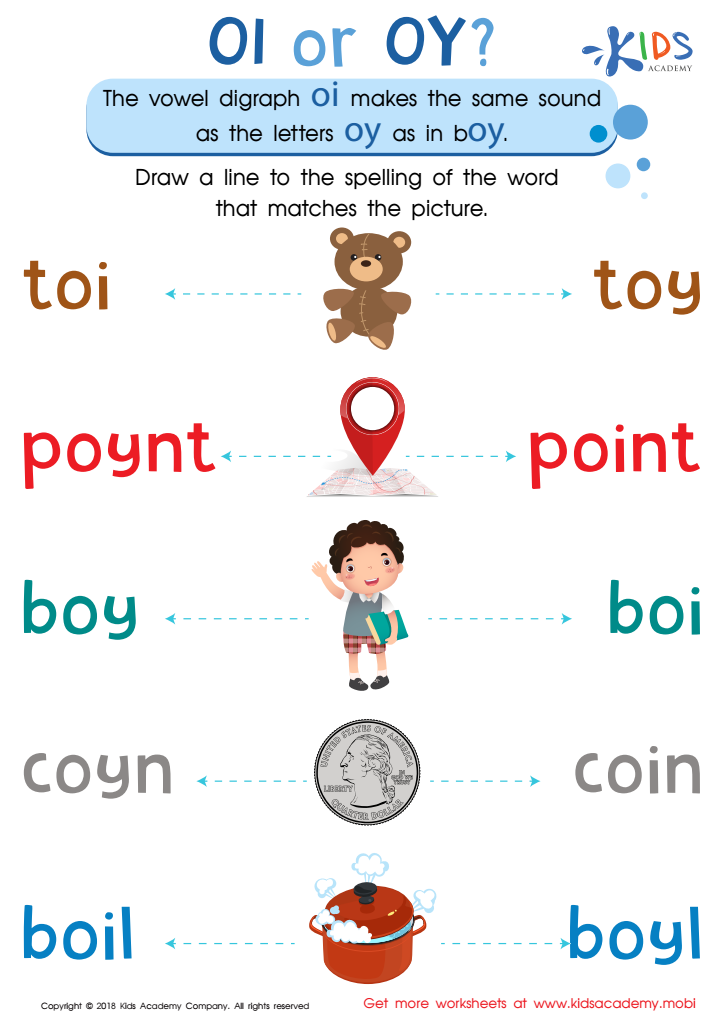
Reading: OI and OY Worksheet





Reading proficiency, especially regarding normal vowels for ages 6-8, is crucial for a child's overall development. During this formative stage, children are learning the foundational skills that foster literacy. Understanding normal vowels can enhance their reading fluency, comprehension, and confidence.
When children grasp how vowels function, they can decode words more effectively, making reading a less daunting task. This proficiency is essential not only for successful reading but also for academic performance across subjects. Reading skills are foundational for subjects like science and social studies, where comprehension of texts is necessary for learning new concepts.
Moreover, fostering early reading skills is linked to positive social and emotional outcomes. Children who struggle with reading often face frustration, leading to lower self-esteem and reluctance to engage in learning. Conversely, proficient readers tend to show curiosity, a love for learning, and ability to express themselves clearly.
Parents and teachers play a pivotal role in promoting yesor learning environments that support vowel recognition through engaging activities, books, and games. By prioritizing reading proficiency in young children, they set the stage for lifelong learning and success, ensuring that children are not just capable readers but also eager learners.