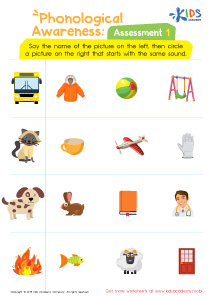
Vocabulary enhancement Normal Vowels Worksheets for Ages 6-8
19 filtered results
-
From - To
Enhance your young learner’s vocabulary with our engaging Normal Vowels Worksheets designed for ages 6-8. These carefully crafted activities aim to strengthen foundational literacy skills by focusing on vowel sounds in a fun and interactive way. Each worksheet helps children recognize, pronounce, and use vowels efficiently, fostering strong reading and writing habits. Ideal for early learners, these exercises support word recognition and contribute to a robust vocabulary. Kids will enjoy the colorful and easy-to-follow tasks that make learning an enjoyable experience. Equip your child with the tools they need to succeed in their literacy journey today!
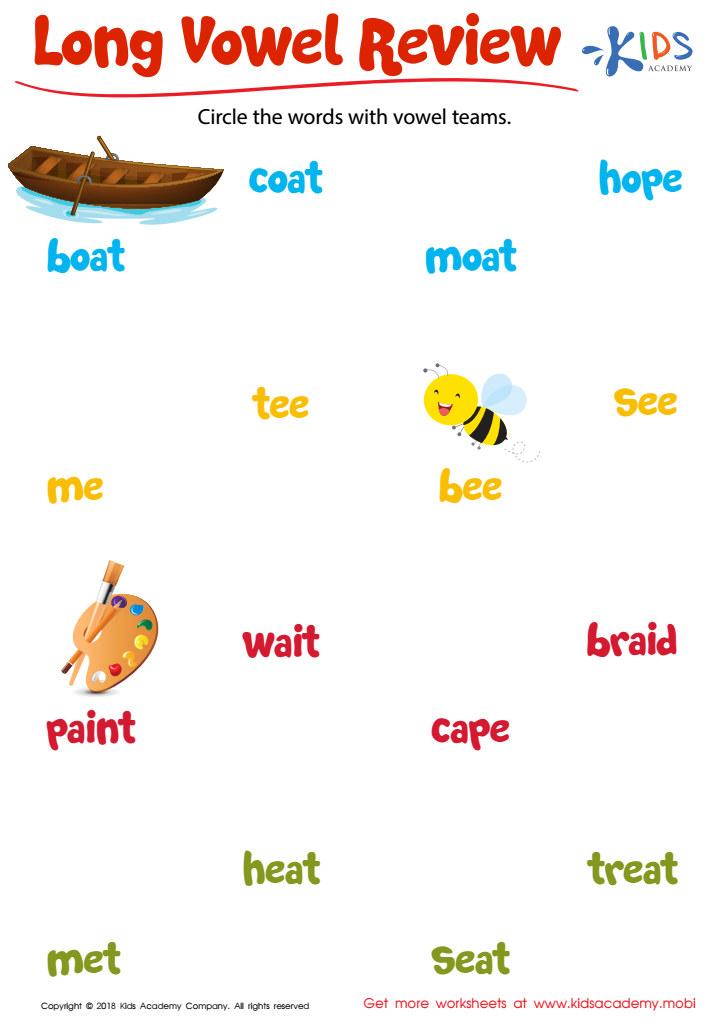
Long Vowel Review Worksheet
 Assign to My Students
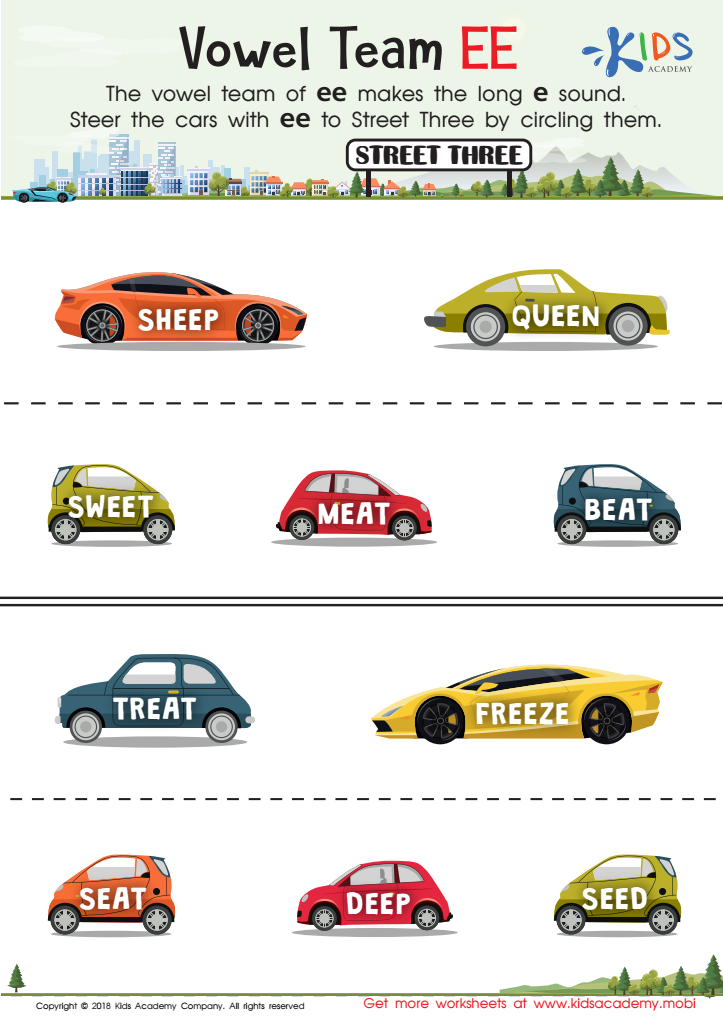
Vowel team ee Worksheet
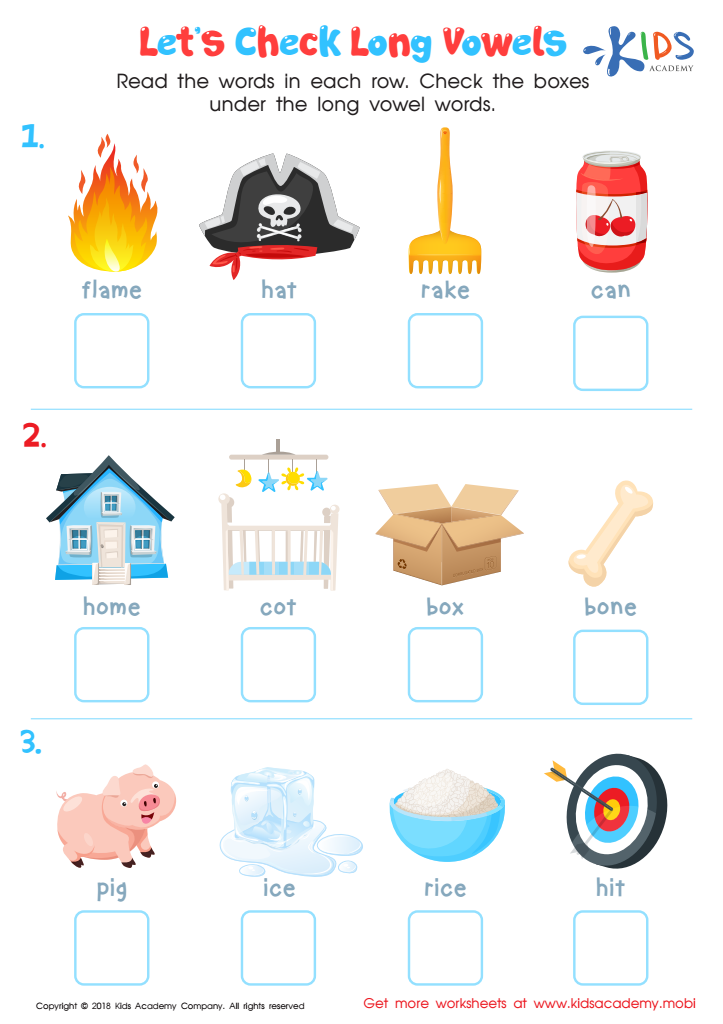
Let's Check Long Vowels: Assessment Worksheet
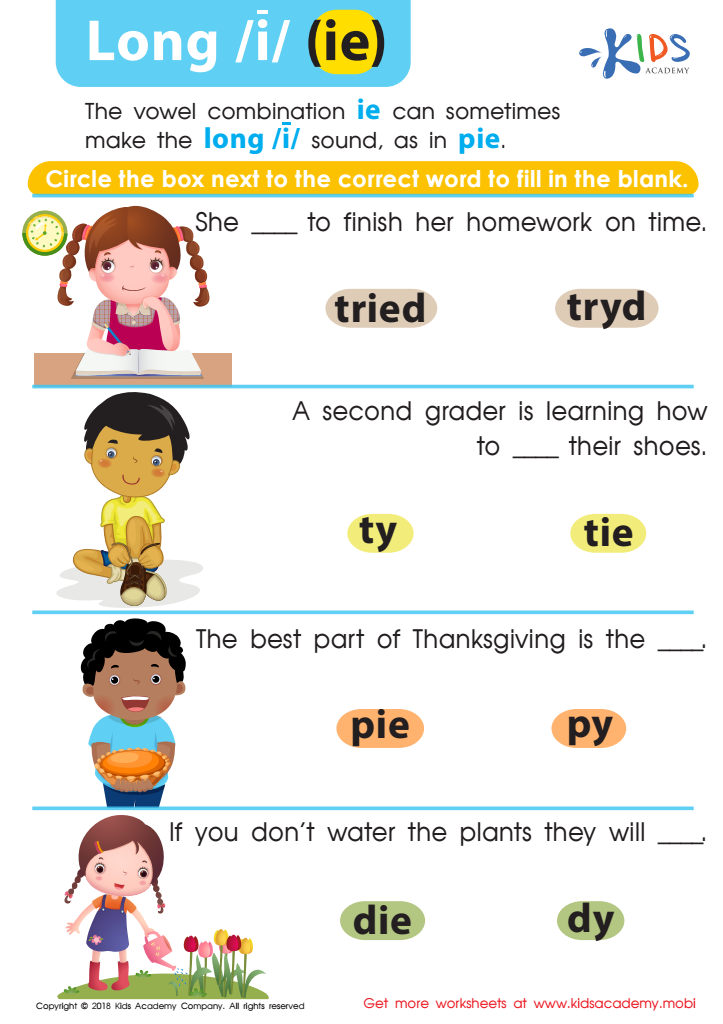
Reading: Long I and IE Worksheet
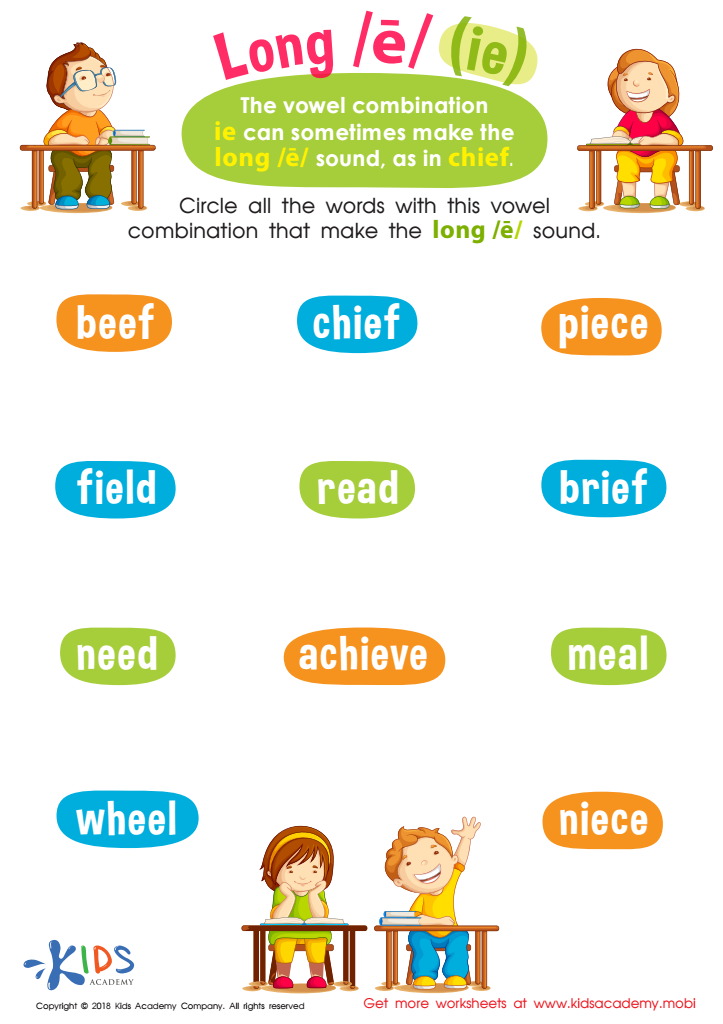
Reading: Long E and IE Worksheet
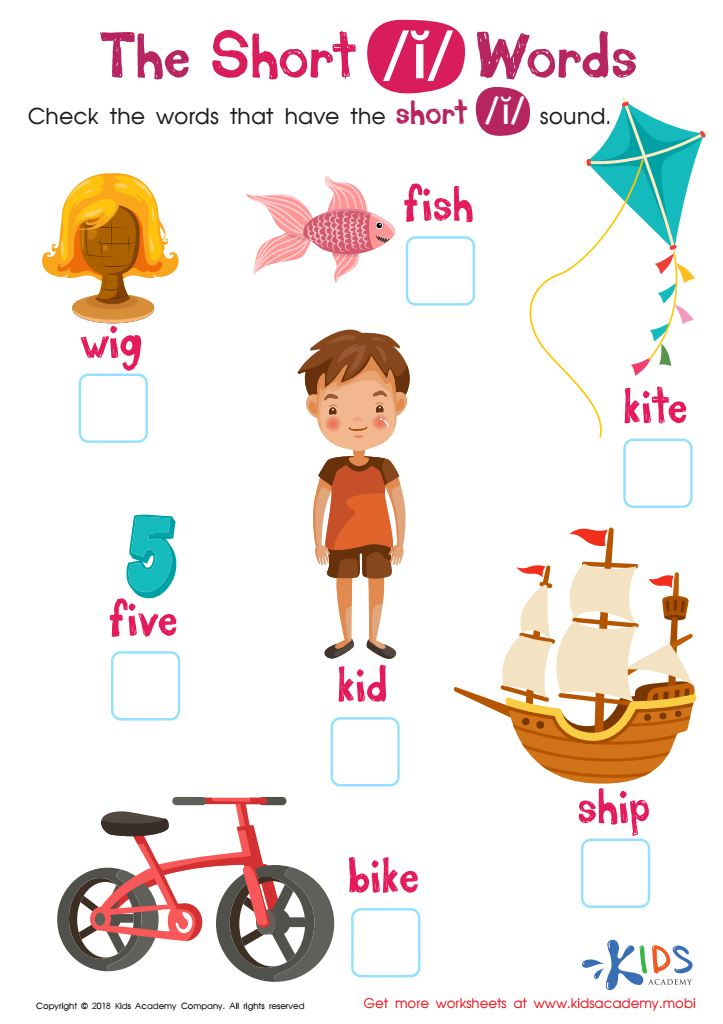
The Short I Words Reading Worksheet
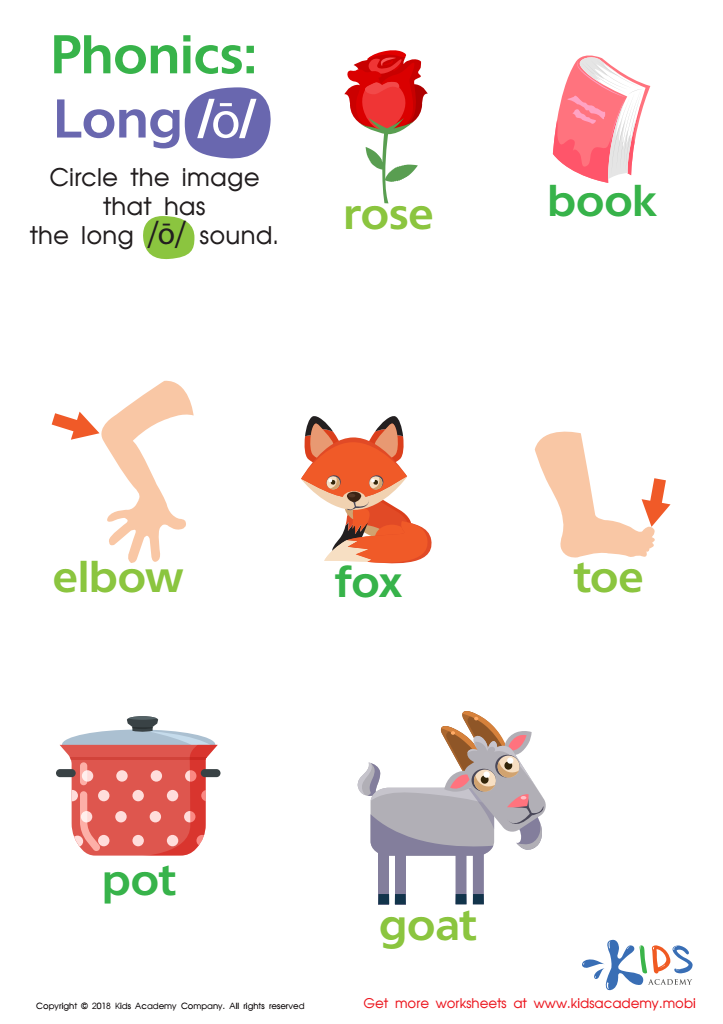
Phonics Long O Reading Worksheet
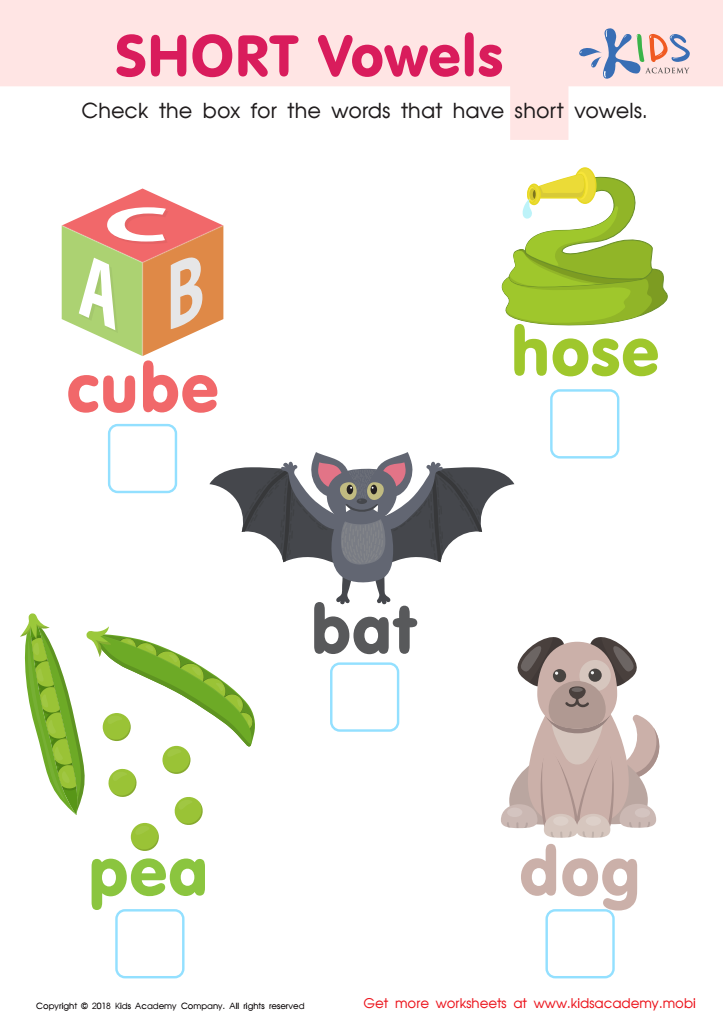
short vowels Worksheet
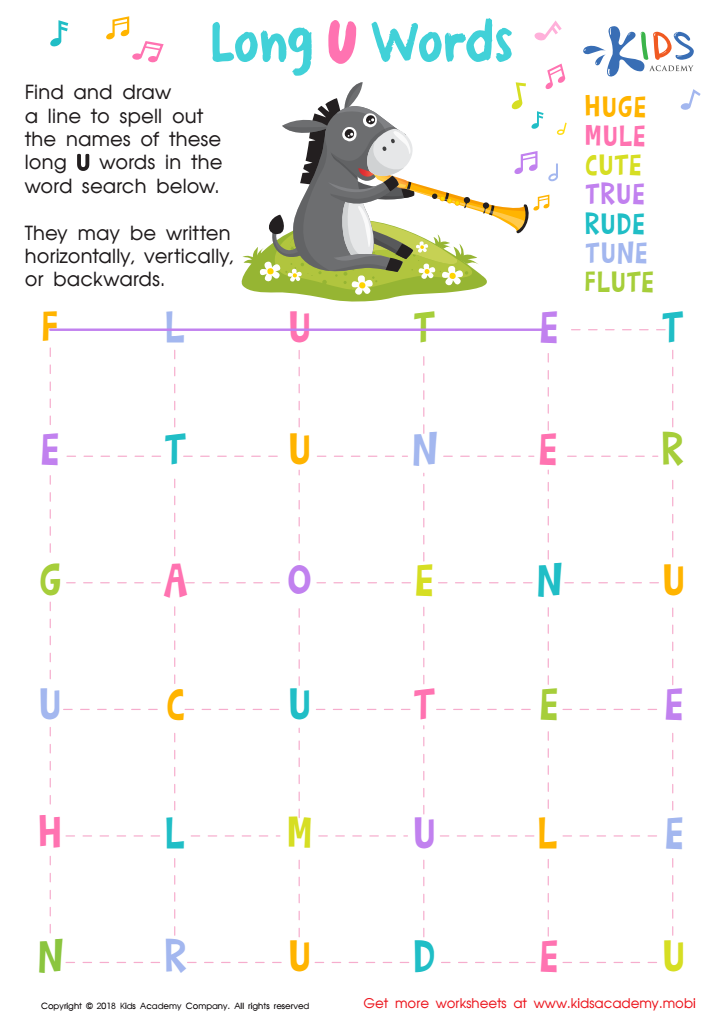
Long /u/ Words Worksheet
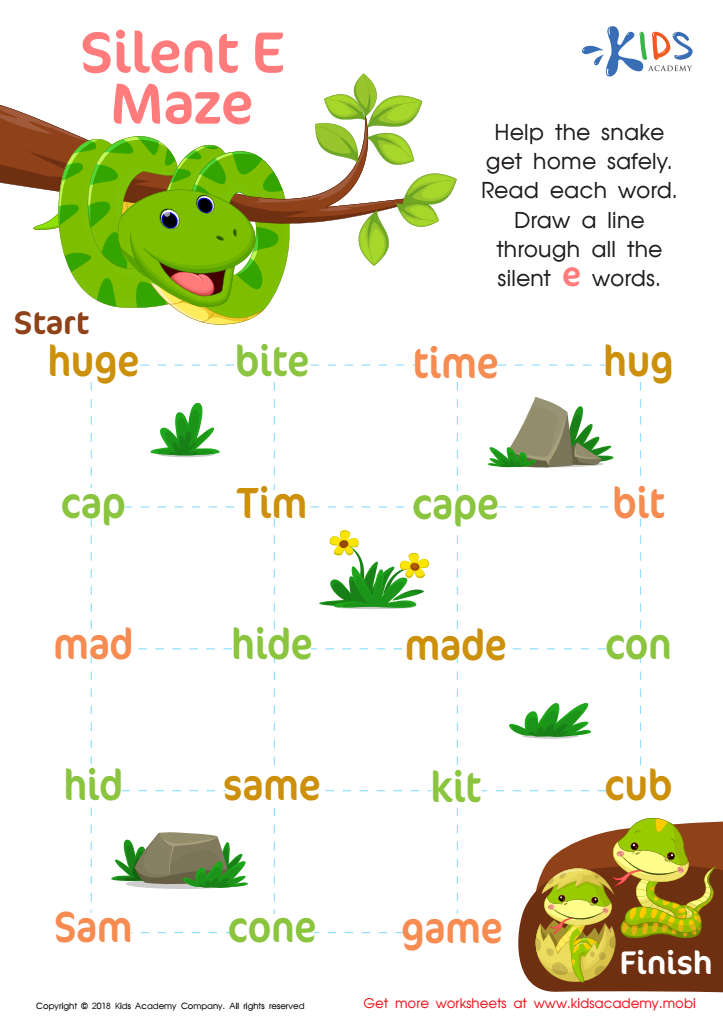
Silent E Maze Worksheet
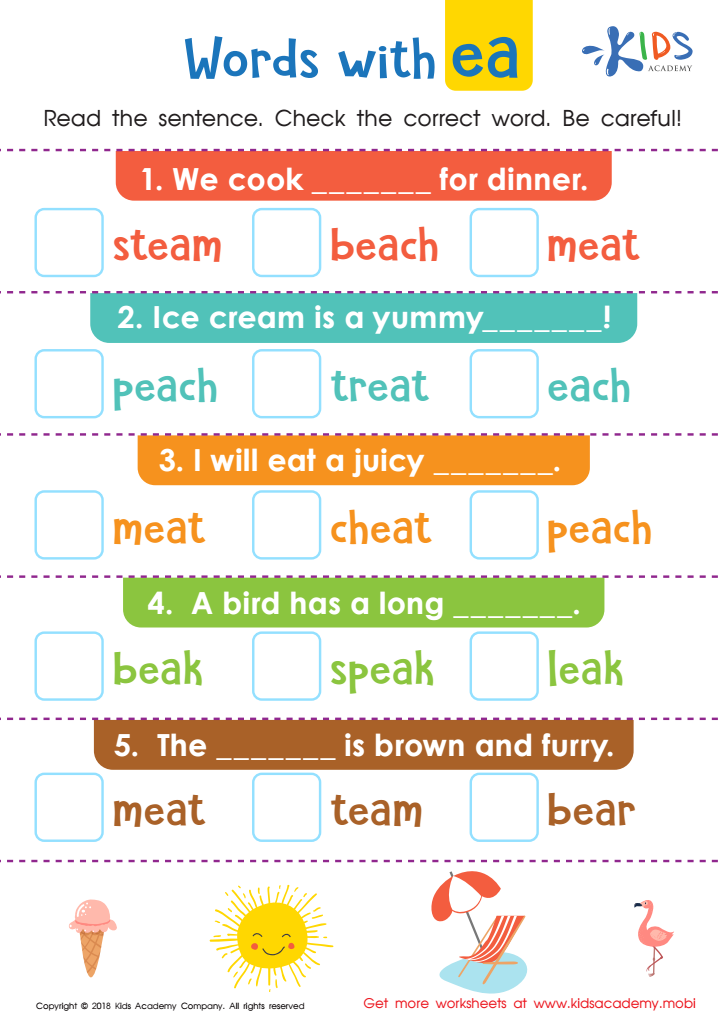
Words with ea Worksheet
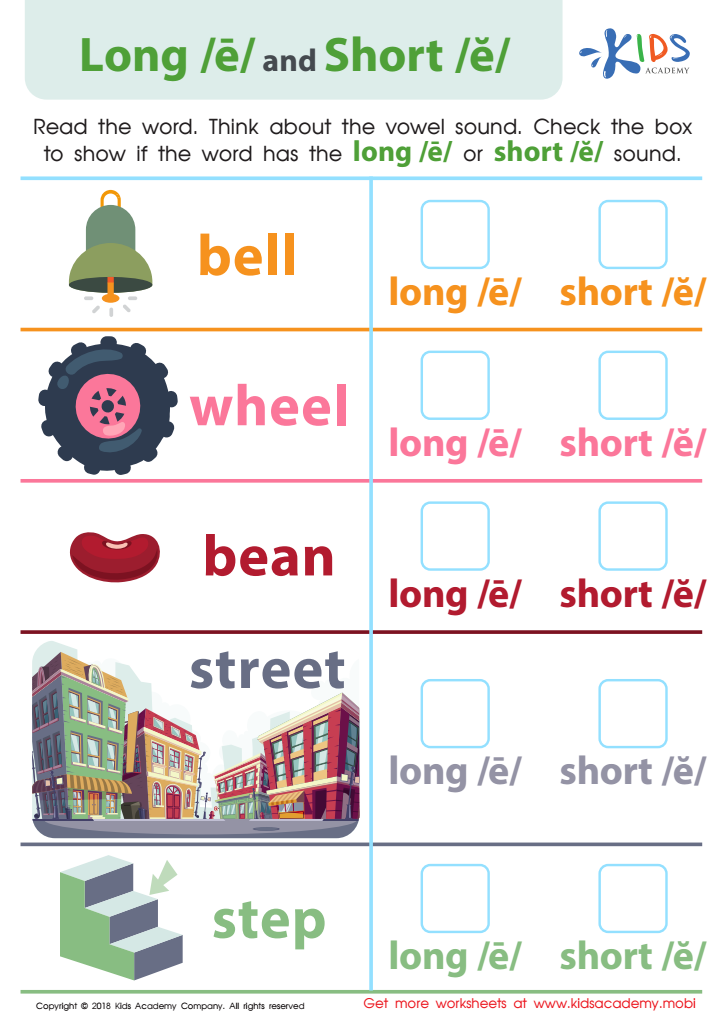
Reading: Long E and Short E Worksheet
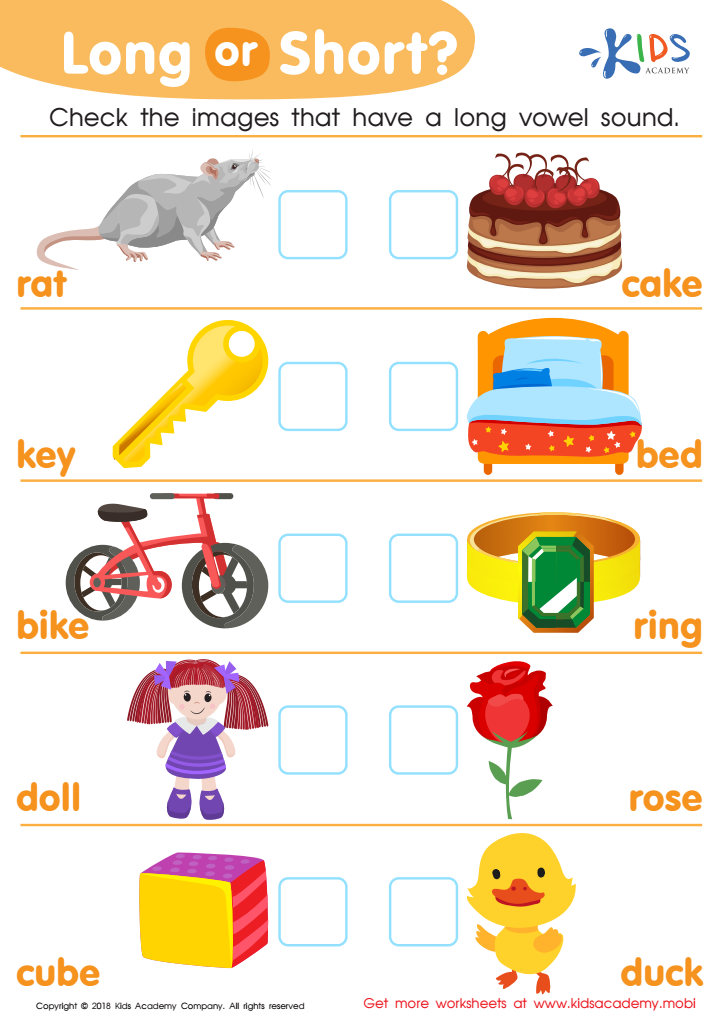
Long or Short Reading Worksheet
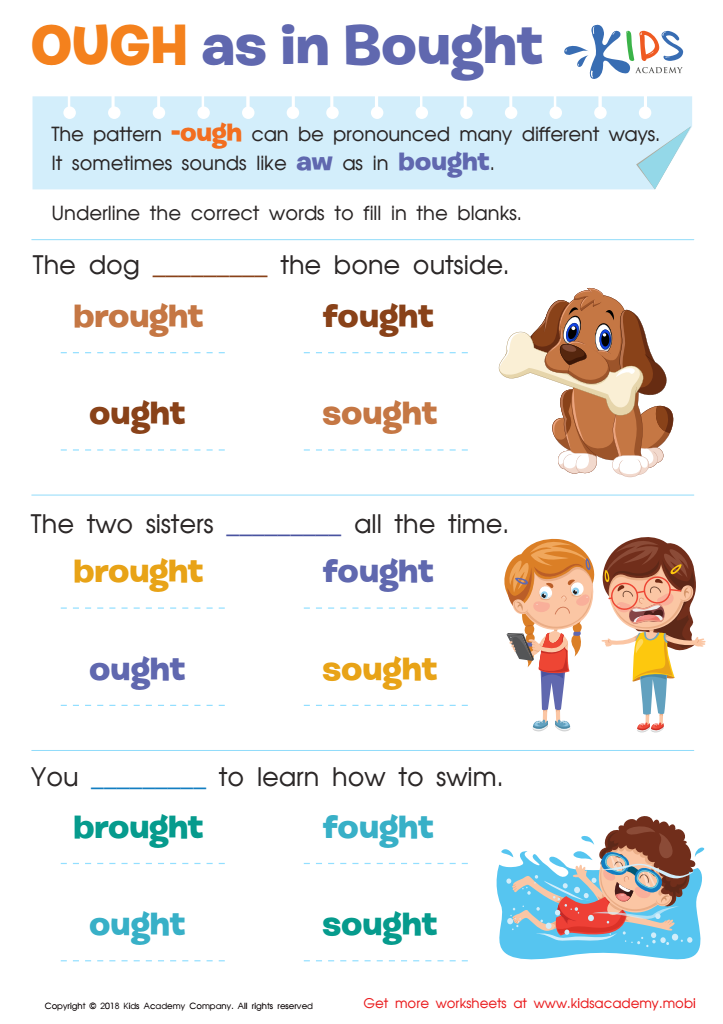
OUGH as in Bought Worksheet
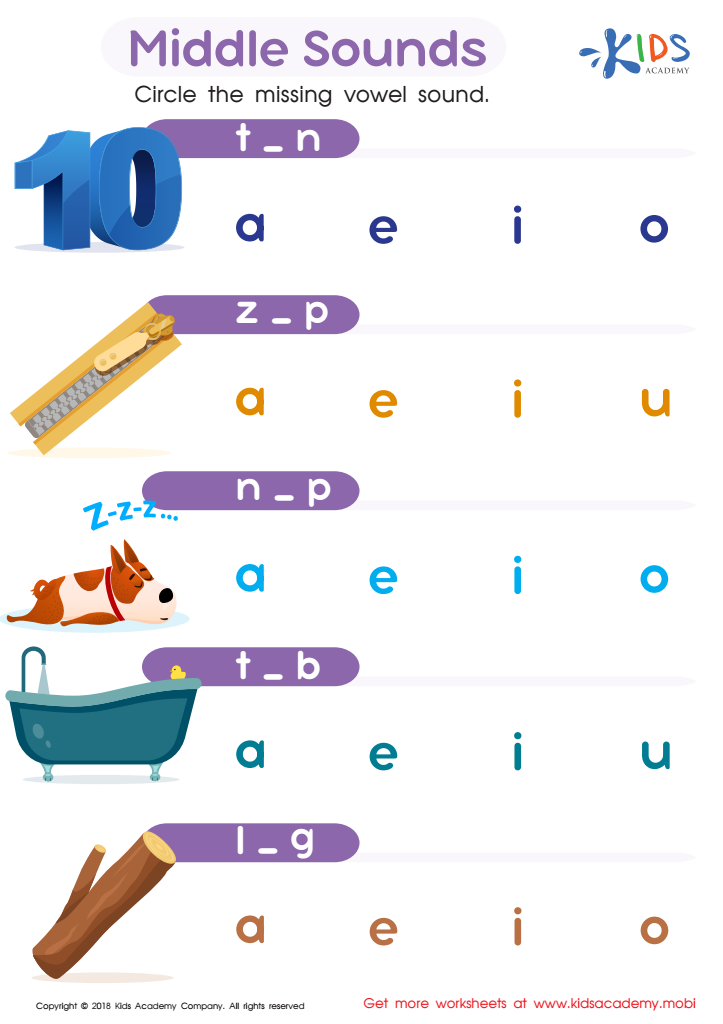
Middle Sounds Worksheet
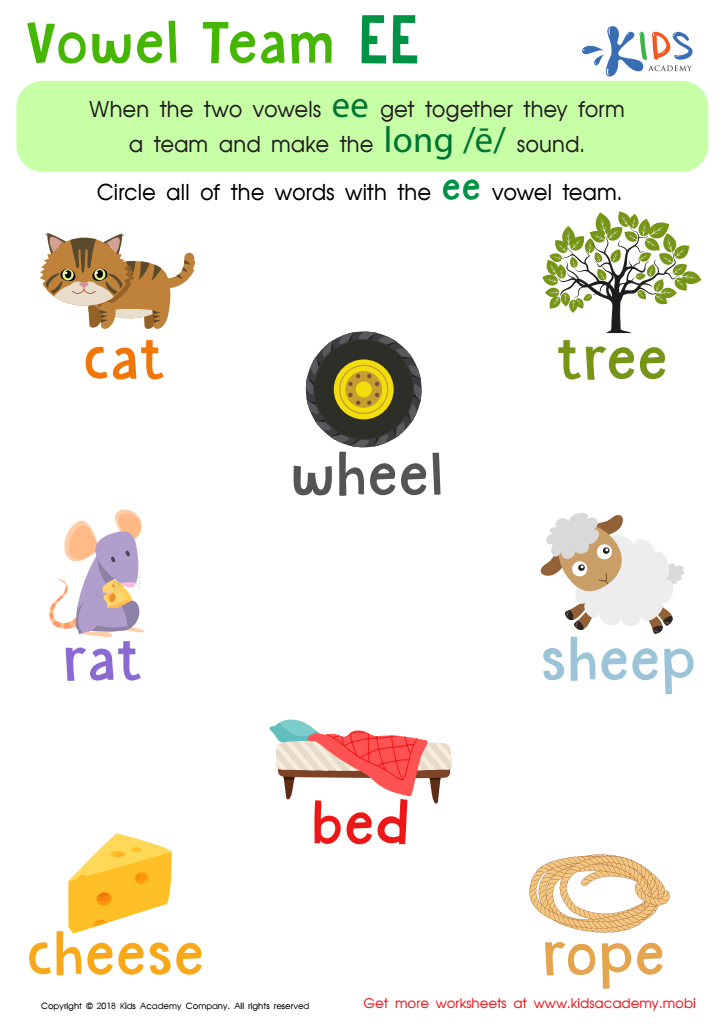
Reading: Vowel Team EE Worksheet
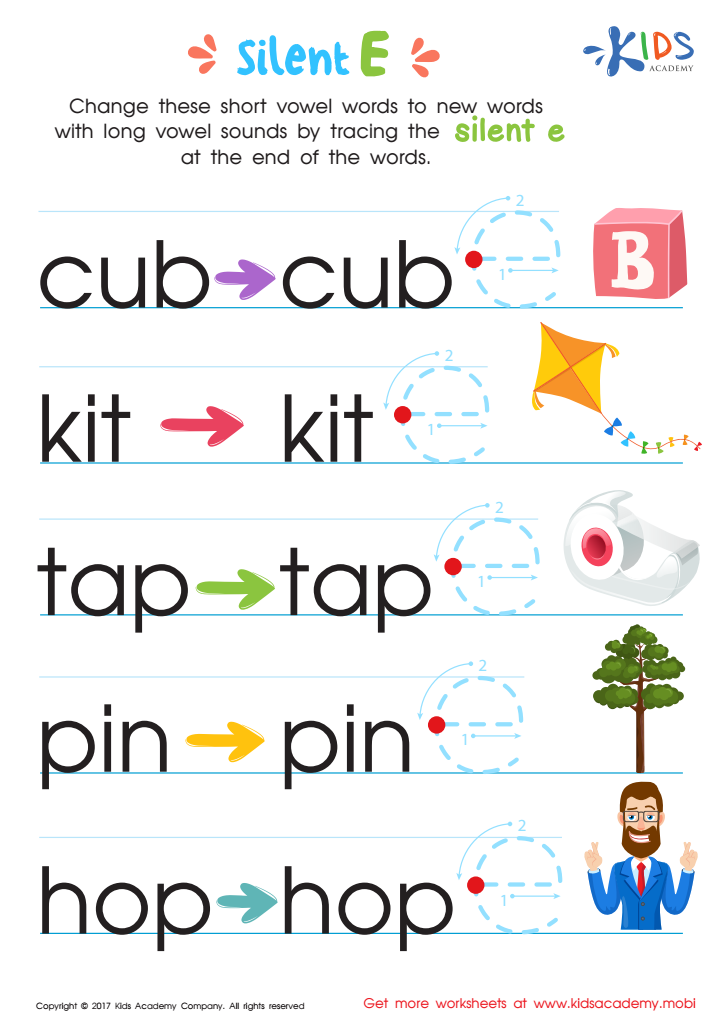
Silent E Words Worksheet
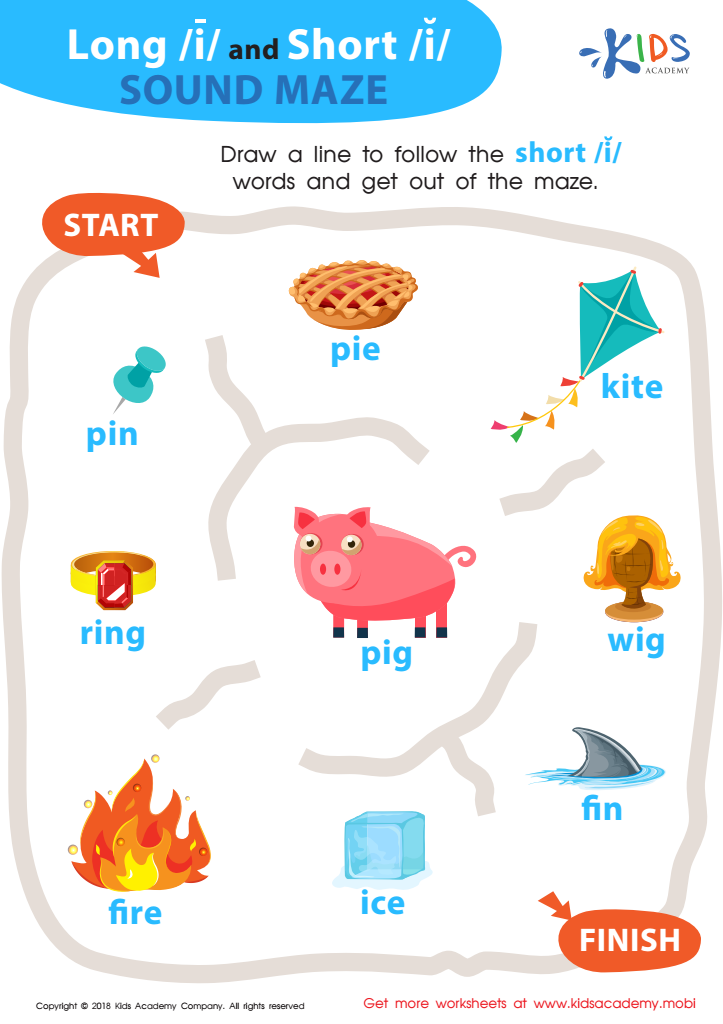
Reading: Long I and Short I Sound Maze Worksheet
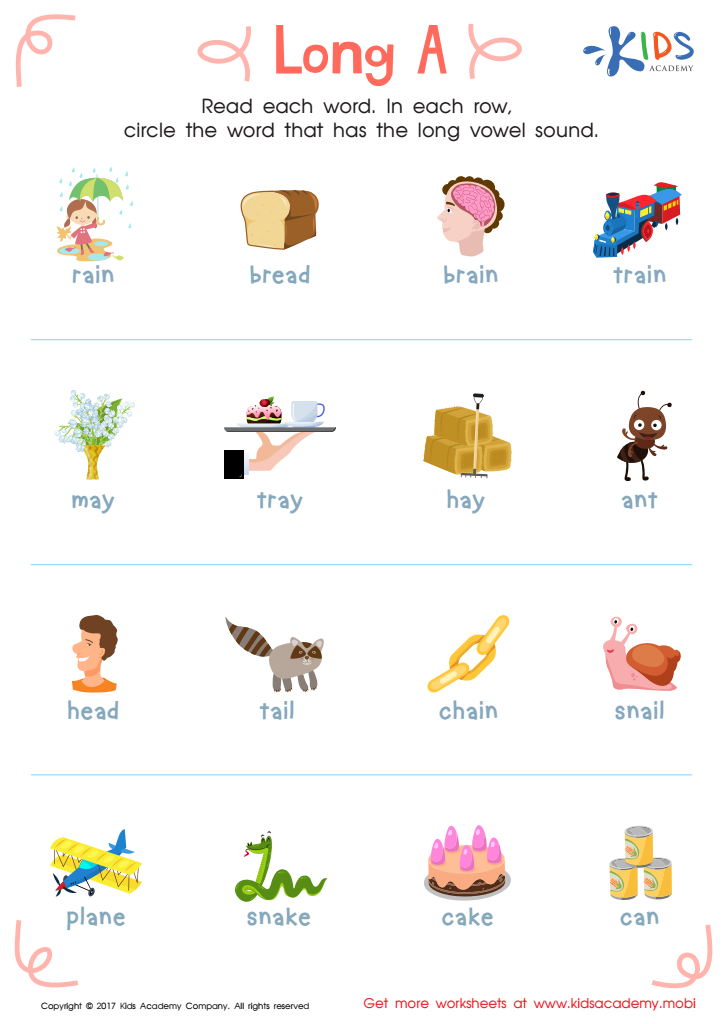





Vocabulary enhancement for ages 6-8 is crucial as it lays the foundation for reading comprehension, communication skills, and overall academic success. During this early developmental stage, children are like sponges, quickly absorbing new information. A strong vocabulary helps them better express their thoughts and understand others, fostering effective communication and social interaction.
Normal vowels (a, e, i, o, u) are an integral part of this process. Mastery of vowel sounds is essential for decoding words, which is the ability to translate printed text into spoken words. This fundamental reading skill paves the way for fluency, enhancing a child's ability to read smoothly and with confidence.
Moreover, a rich vocabulary and strong phonetic understanding are closely linked to improved writing skills. Children who can accurately use a wide range of words and sounds will be better equipped to articulate their ideas through written text, promoting creative expression and academic achievement.
Finally, vocabulary and vowel proficiency positively influence cognitive development. They enhance critical thinking, problem-solving skills, and conceptual understanding. Educators and parents play a pivotal role in encouraging vocabulary enhancement. By engaging in activities that promote language skills, providing a language-rich environment, and modeling good communication habits, they are setting children up for lifelong learning and success.