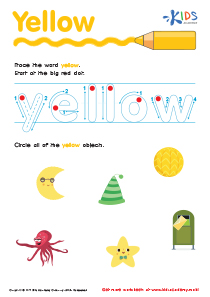
Word Recognition Normal English for Beginners Worksheets for Ages 6-8
3 filtered results
-
From - To
Discover our engaging "Word Recognition Normal English for Beginners Worksheets" designed specifically for children aged 6-8. These interactive worksheets help young learners develop essential reading and vocabulary skills, making language acquisition enjoyable. Featuring colorful visuals and age-appropriate activities, our resources promote the recognition of common words and phrases in everyday English. Ideal for both classroom environments and home learning, these worksheets encourage practice and enhance comprehension, supporting students as they embark on their language journey. Perfect for ESL students or anyone new to English, our educational materials provide a fun and effective way to build a solid foundation in word recognition.
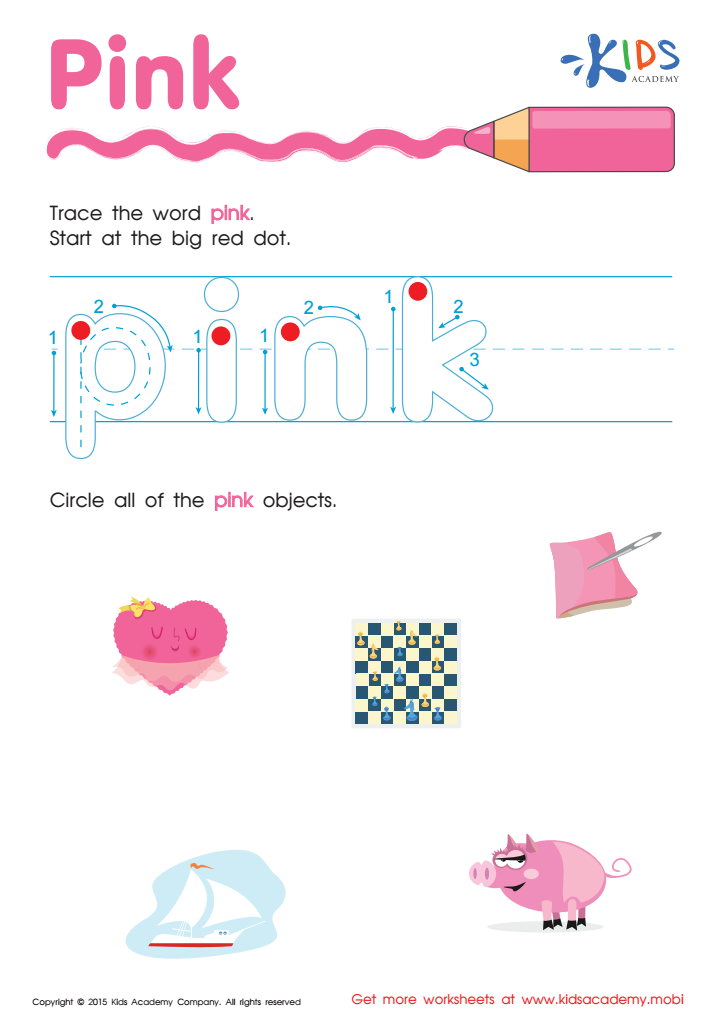
Pink Tracing Color Words Worksheet
 Assign to My Students
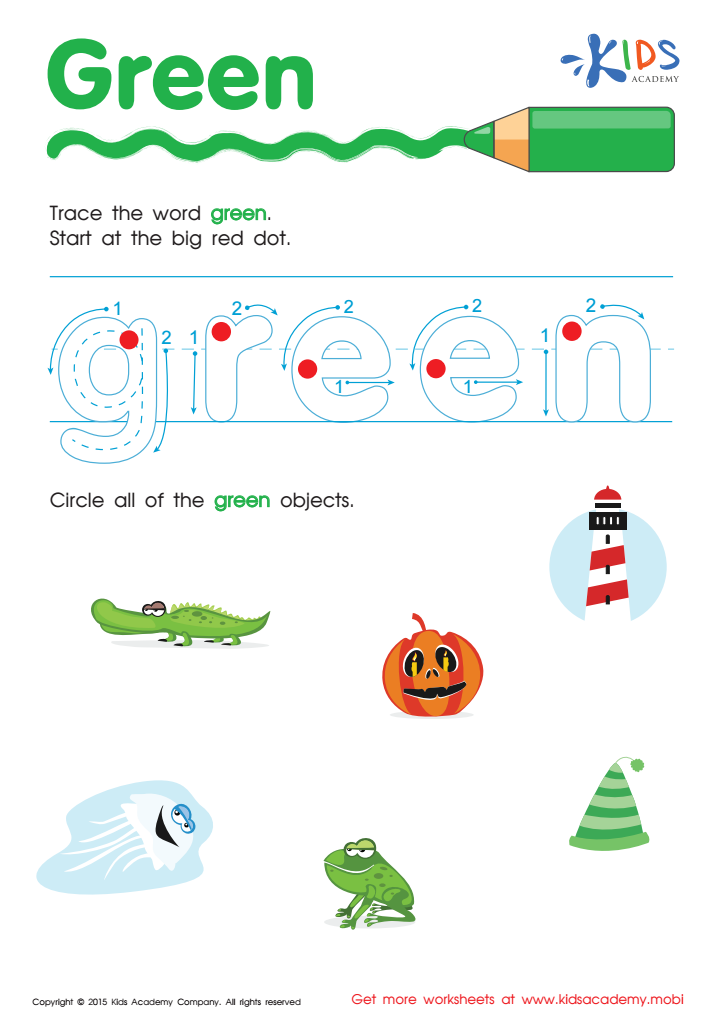
Green Tracing Color Words Worksheet
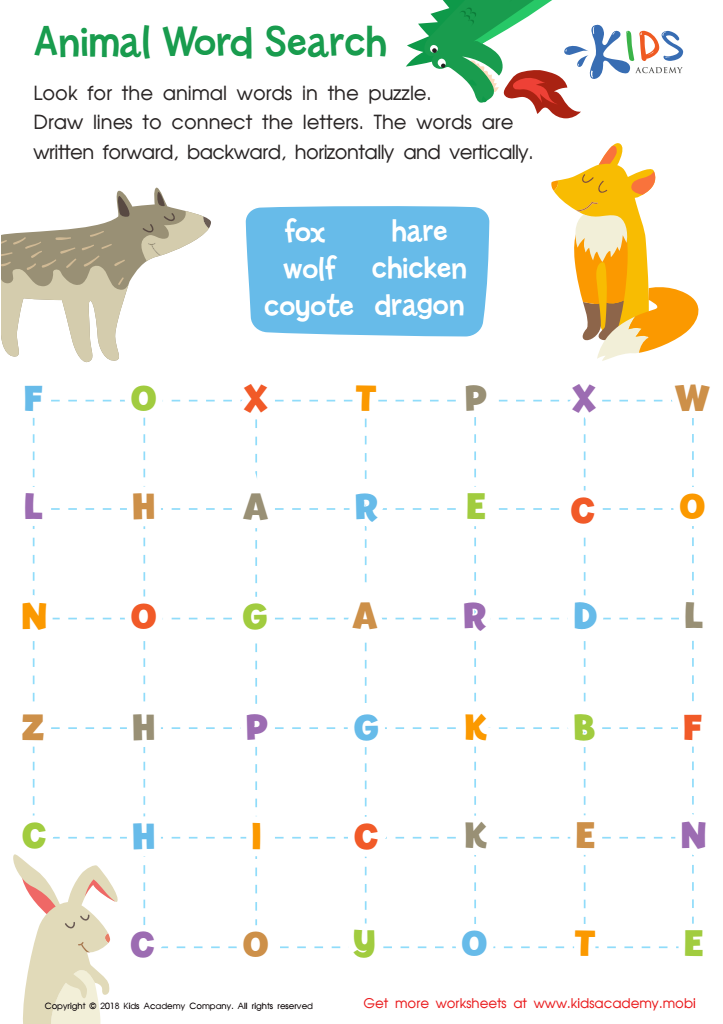
Animal Word Search Worksheet




Word recognition is a fundamental skill for early readers, and understanding its importance can greatly benefit children aged 6-8. At this stage, learners are rapidly developing their language and literacy skills, making it crucial for parents and teachers to prioritize effective word recognition strategies.
First, word recognition allows children to quickly and efficiently identify familiar words, facilitating smoother reading experiences. This fluency builds confidence, encourages a love for reading, and enhances comprehension. When students can recognize words automatically, they can focus on understanding the meaning, rather than decoding each word.
Moreover, strong word recognition aids vocabulary development. Many reading programs use a balanced approach, introducing high-frequency words to help young readers master essential vocabulary that appears often in texts.
For parents and teachers, engaging children in fun word recognition activities—such as games, flashcards, and interactive reading sessions—supports varied learning styles. It fosters a cooperative learning environment where confidence and enjoyment in reading can flourish.
Ultimately, attention to word recognition in these formative years lays the foundation for successful literacy development, thereby shaping future academic achievements and lifelong reading habits. This commitment not only nurtures readers but also promotes critical thinking and cognitive skills essential for overall learning.