Counting practice Normal Worksheets for Ages 6-8 - Page 2
36 filtered results
-
From - To
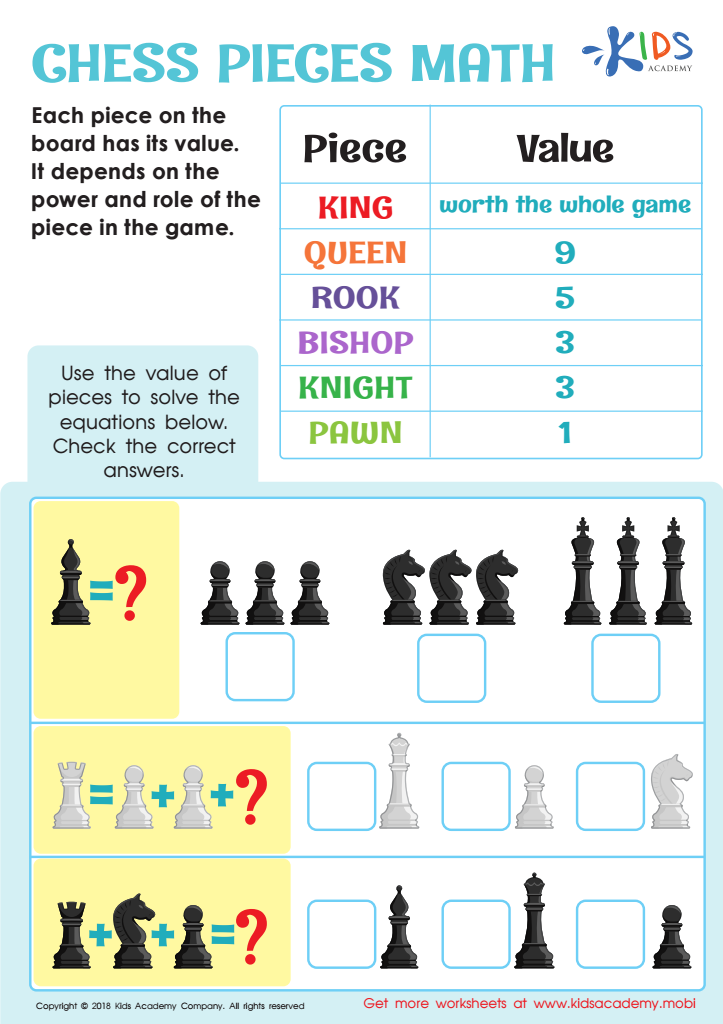
Chess Pieces Math Worksheet
 Assign to My Students
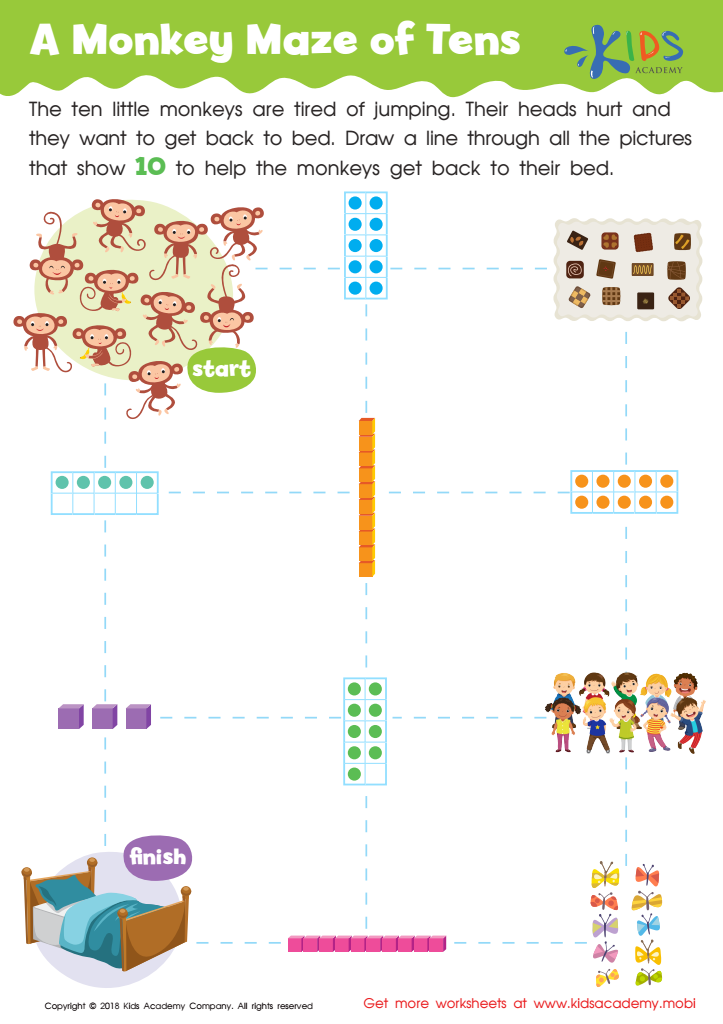
A Monkey Maze of Tens Worksheet
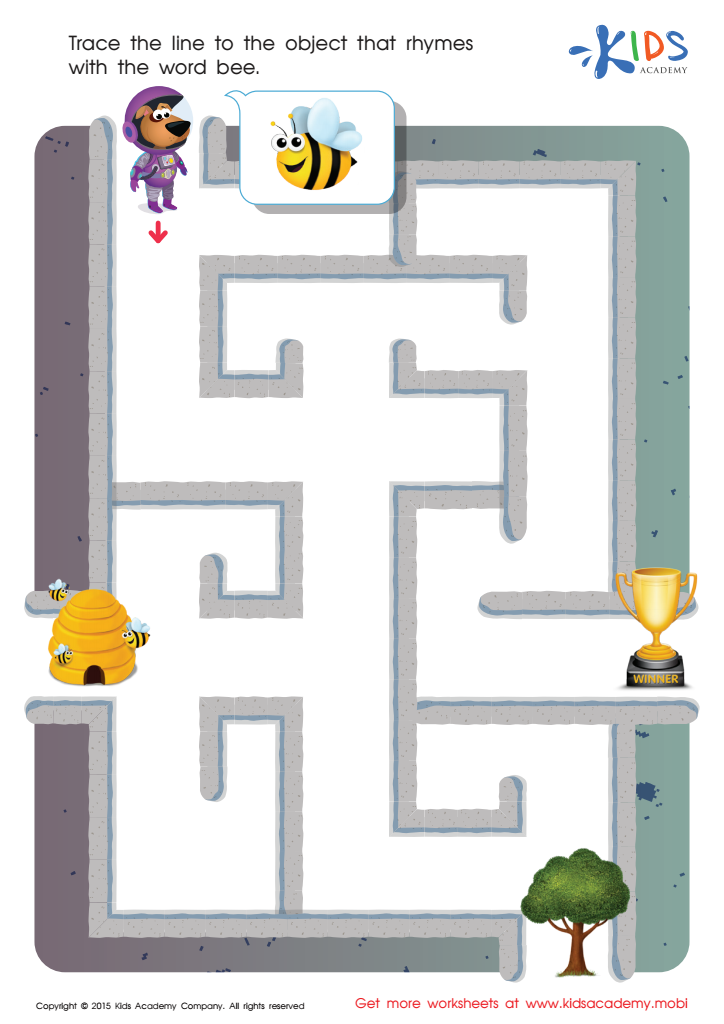
Bee Rhyming Words Worksheet
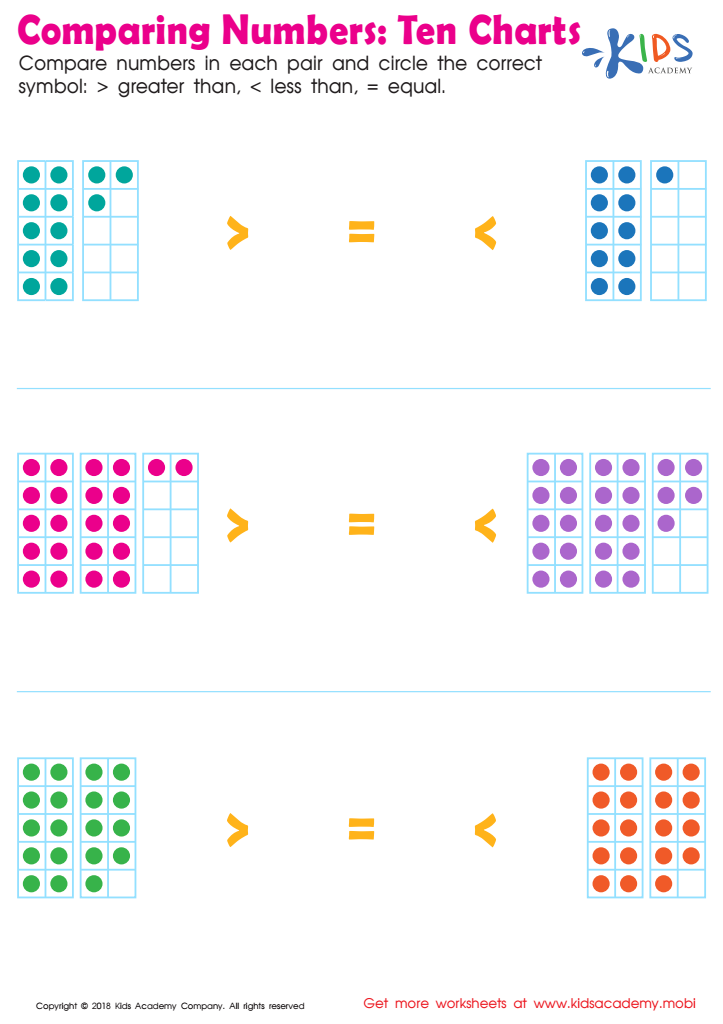
Ten Charts Worksheet
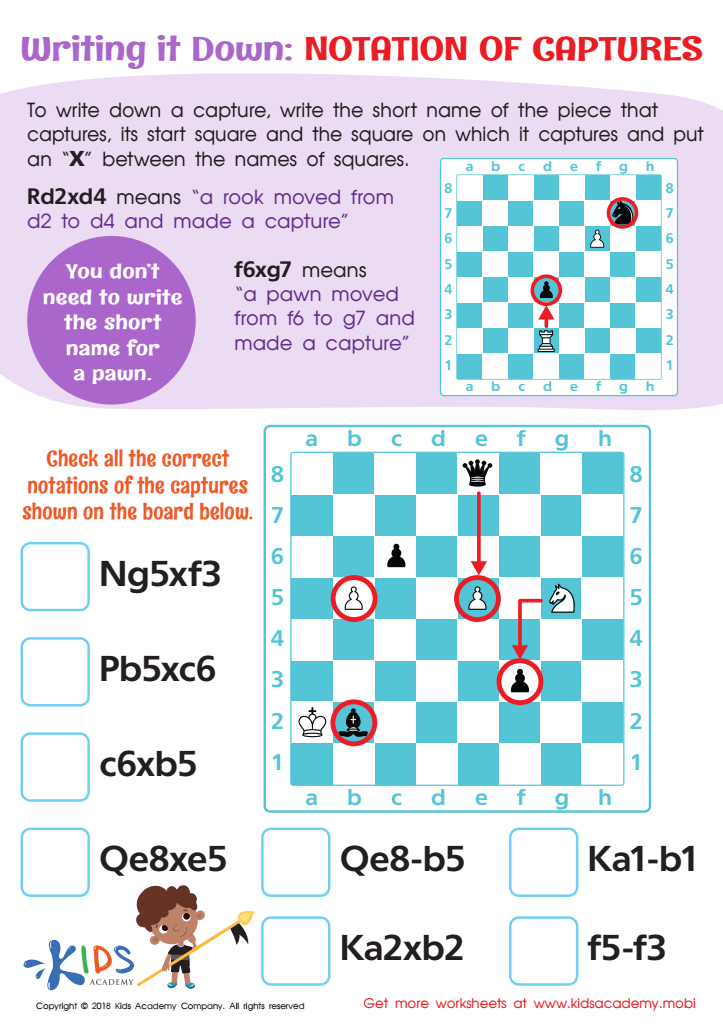
Notation of Captures Writing it Down Worksheet
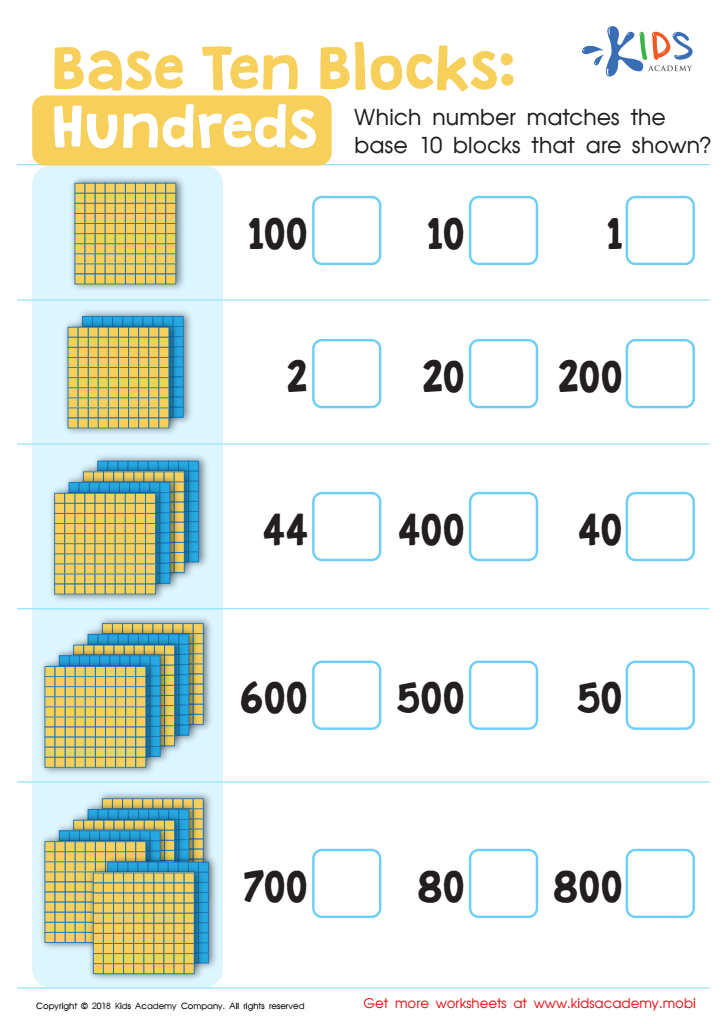
Base Ten Blocks: Hundreds Worksheet
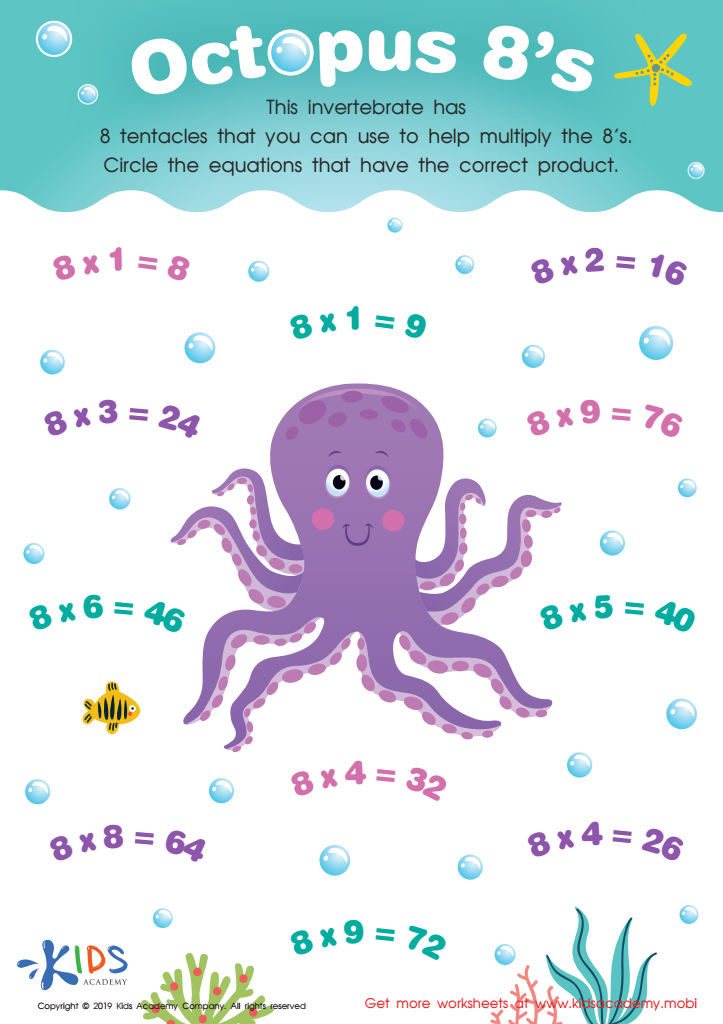
Octopus 8’s Worksheet
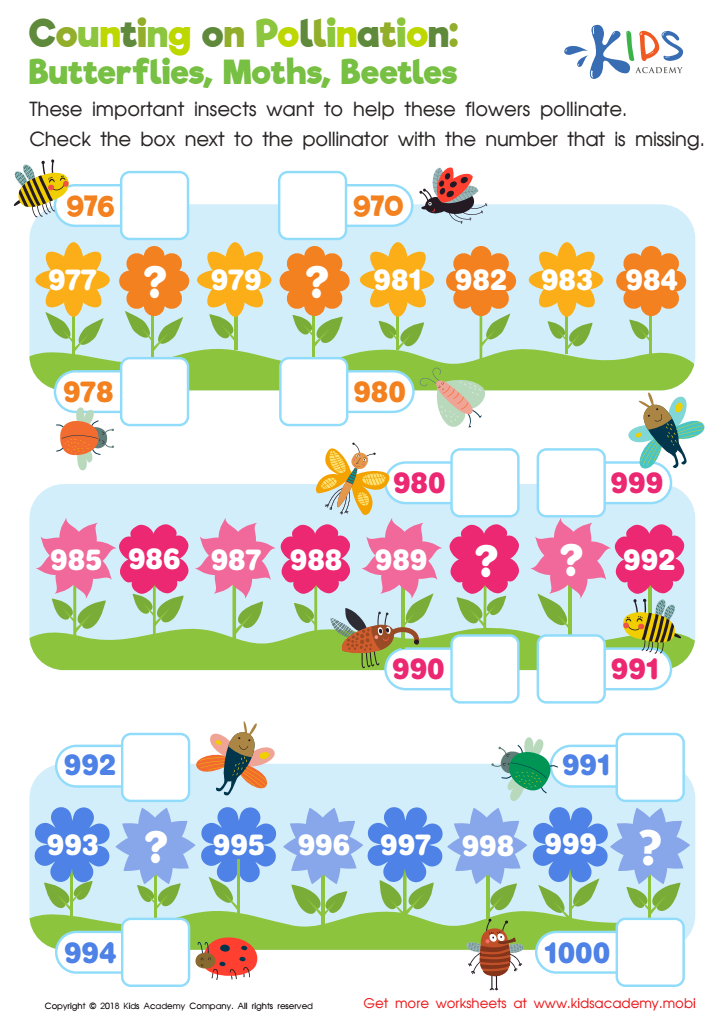
Counting on Pollination: Butterflies, Moths, Beetles Worksheet
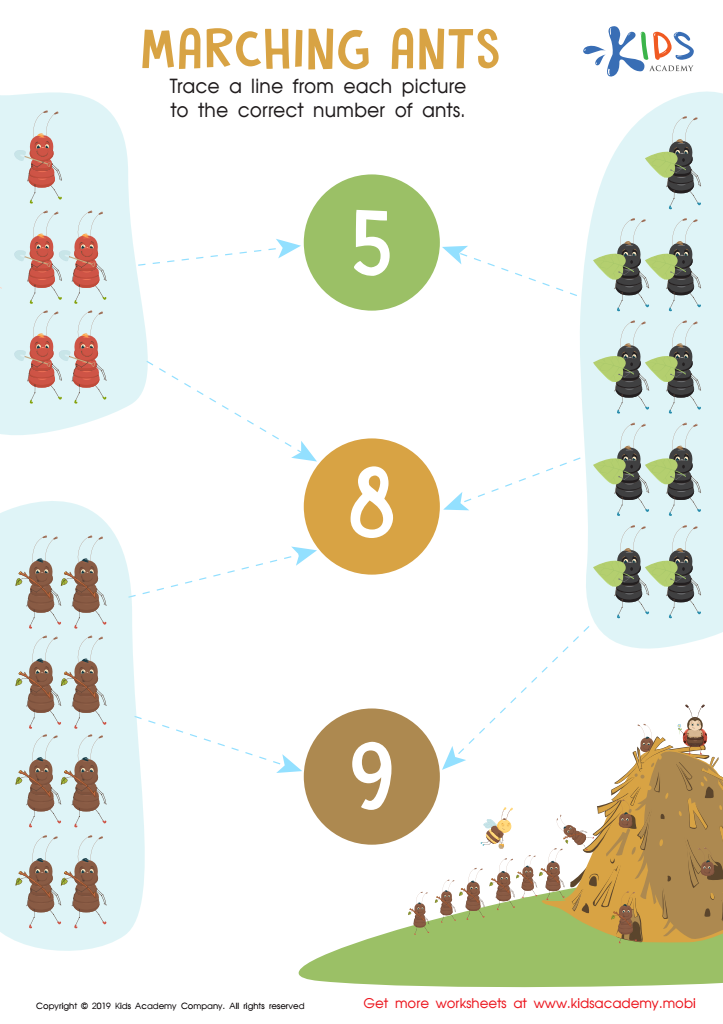
Marching Ants Worksheet
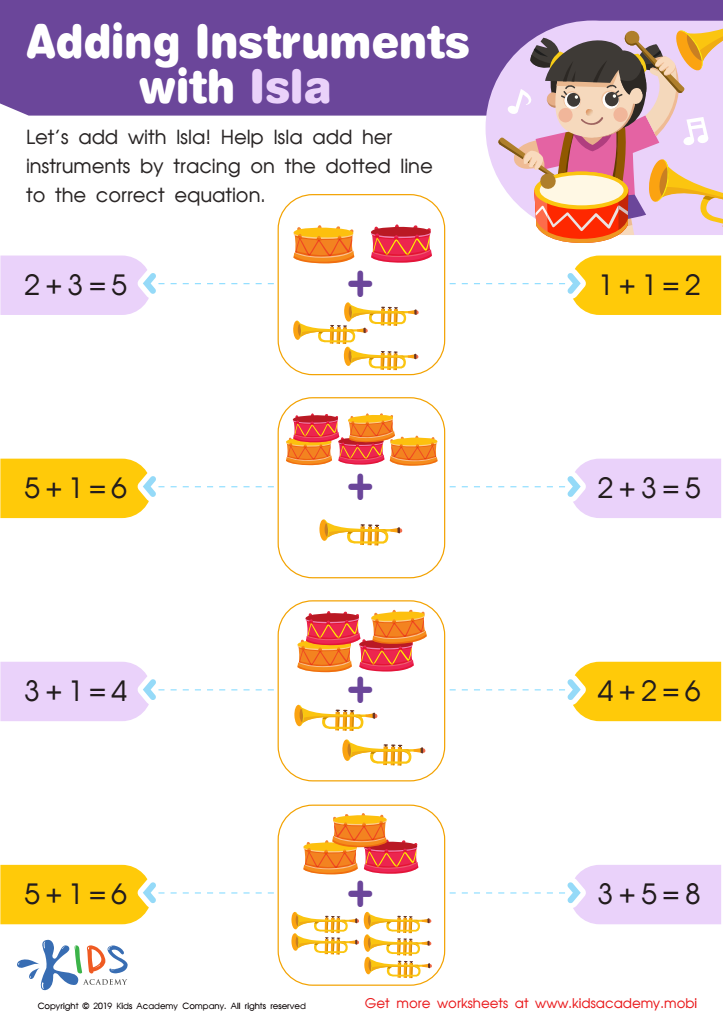
Adding Instruments with Isla Worksheet
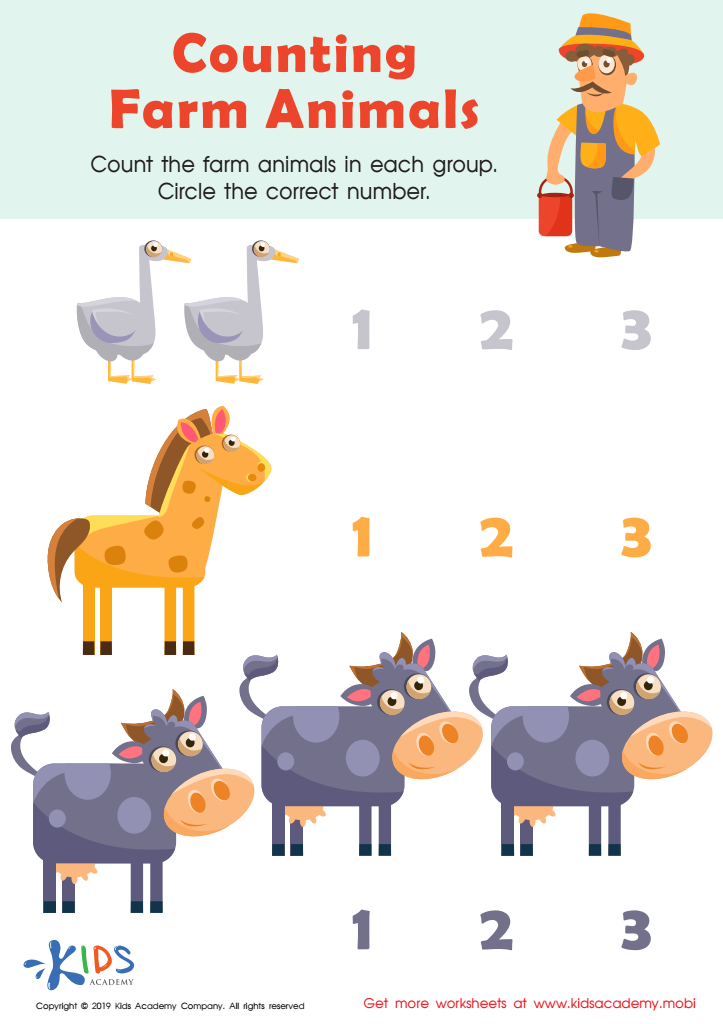
Counting Farm Animals Worksheet
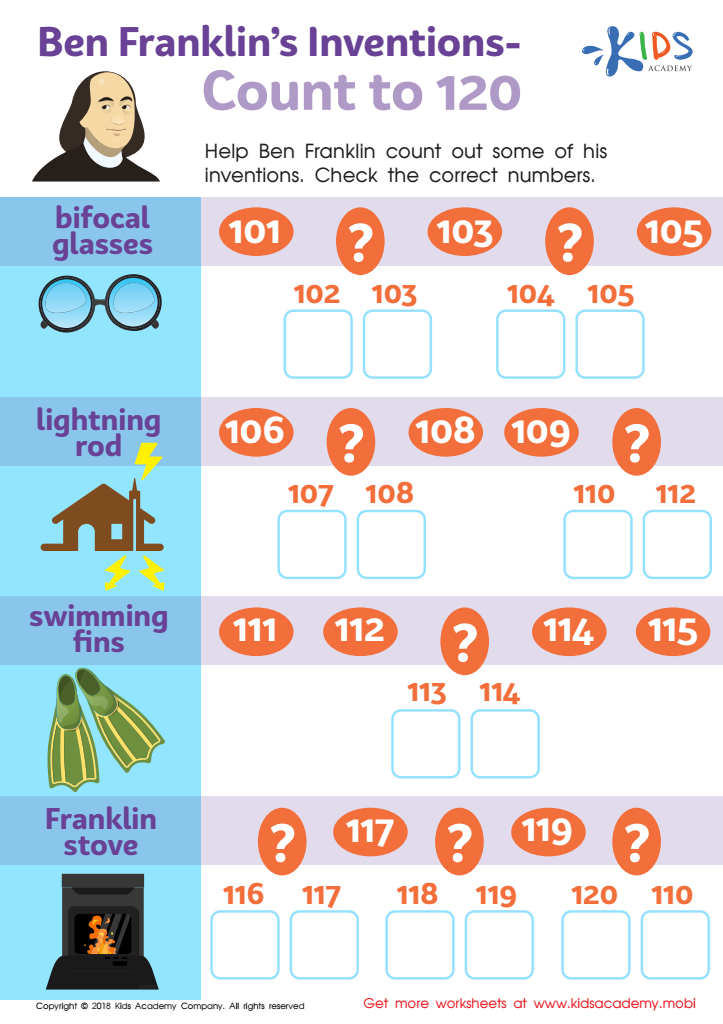
Ben Franklin’s Inventions – Count to 120 Worksheet







Counting practice is crucial for children aged 6-8 as it lays the foundation for vital mathematical skills and cognitive development. During these formative years, children's understanding of numbers transitions from informal counting to more structured mathematical concepts. Engaging in focused counting exercises helps to reinforce number recognition, enhance problem-solving abilities, and develop essential skills like addition and subtraction.
Moreover, counting practice fosters a sense of confidence and independence in young learners. Through repetitive activities, such as counting objects, using number lines, or engaging in games, children not only learn to quantify but also discover patterns and relationships between numbers. This hands-on experience is vital in encouraging critical thinking and analytical skills.
Parents and teachers should care about counting practice because it directly impacts children's overall academic performance. A strong numerical foundation makes it easier for students to tackle more complex math topics later on, preventing future learning gaps. Ultimately, regular counting practice cultivates enthusiasm for math, paving the way for lifelong learning and patience. By prioritizing this practice, adults can create engaging learning environments that guide children toward mastering math concepts, setting them up for success in their educational journeys.








