Fine motor development Normal Worksheets for Ages 6-8
4 filtered results
-
From - To
Our "Fine Motor Development Worksheets for Ages 6-8" are expertly designed to enhance precision and coordination in your child's small muscle movements. These engaging activities help children build critical skills needed for everyday tasks such as writing, cutting, and manipulating objects. Each worksheet offers fun and challenging exercises that support hand-eye coordination and dexterity. Perfect for home or classroom use, our worksheets cater to various learning styles, ensuring every child can succeed. Boost your child's fine motor skills with our effective and enjoyable resources, paving the way for academic success and lifelong abilities.

Uppercase Letters J, K, and L Worksheet
 Assign to My Students
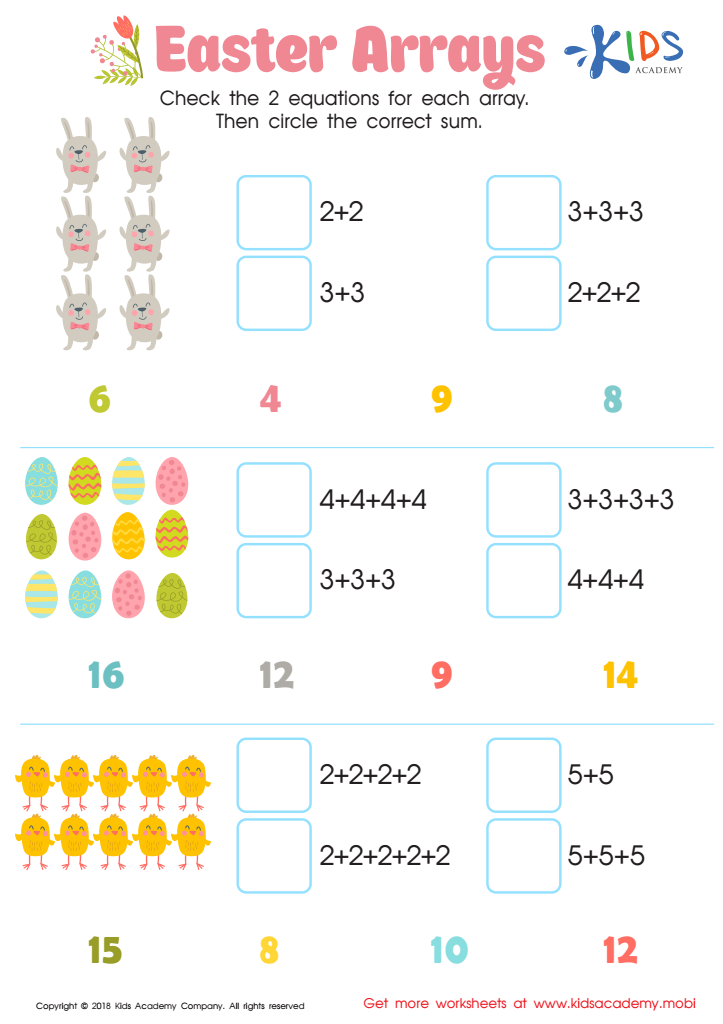
Easter Arrays Worksheet
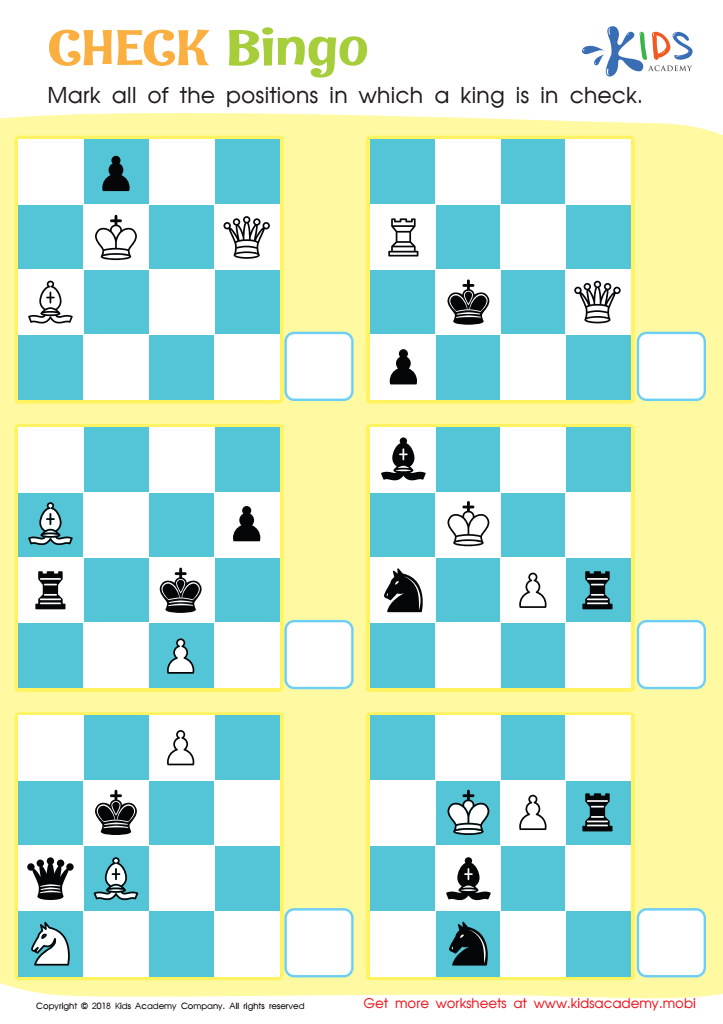
Check Bingo Worksheet

Kindergarten Number Tracing: Medow Flowers Worksheet








Fine motor development is crucial for children aged 6-8 because it forms the foundation for many essential life skills and academic abilities. Fine motor skills refer to the coordinated movements of the small muscles in hands and fingers, crucial for tasks such as writing, cutting with scissors, tying shoelaces, and buttoning clothes. At this age, children are expected to develop greater control and precision in their hand movements, which directly impacts their performance in school and daily activities.
For parents and teachers, paying attention to fine motor development is vital for several reasons. Academically, fine motor skills are necessary for legible handwriting, efficient use of classroom tools, and engagement in art and craft activities. These skills contribute to a child's ability to complete homework and in-class assignments effectively and independently.
On a broader scale, fine motor development is linked to cognitive development, including hand-eye coordination and problem-solving skills. Engaging in activities that promote fine motor skills helps to improve attention to detail, increase concentration, and boost self-esteem, as children feel competent in handling tasks.
Furthermore, early detection and intervention of any delays in fine motor development allow for timely support, ensuring children don't fall behind. Encouraging activities like drawing, playing with building blocks, manipulating small objects, and practicing writing can significantly enhance a child's fine motor skills, setting them up for future success.








