Improve vocabulary Normal Worksheets for Ages 6-8
3 filtered results
-
From - To
Enhance your child’s vocabulary with our engaging Normal Worksheets designed specifically for ages 6-8! These interactive worksheets offer fun and educational activities that encourage language development and comprehension. With a variety of exercises, including word matching, fill-in-the-blanks, and picture word association, kids will expand their vocabulary in an enjoyable way. Our worksheets are aligned with key learning standards, making them ideal for both home and classroom use. Parents and teachers can track progress as children discover new words and improve their language skills. Unlock the power of words and boost your child's confidence in communication today!
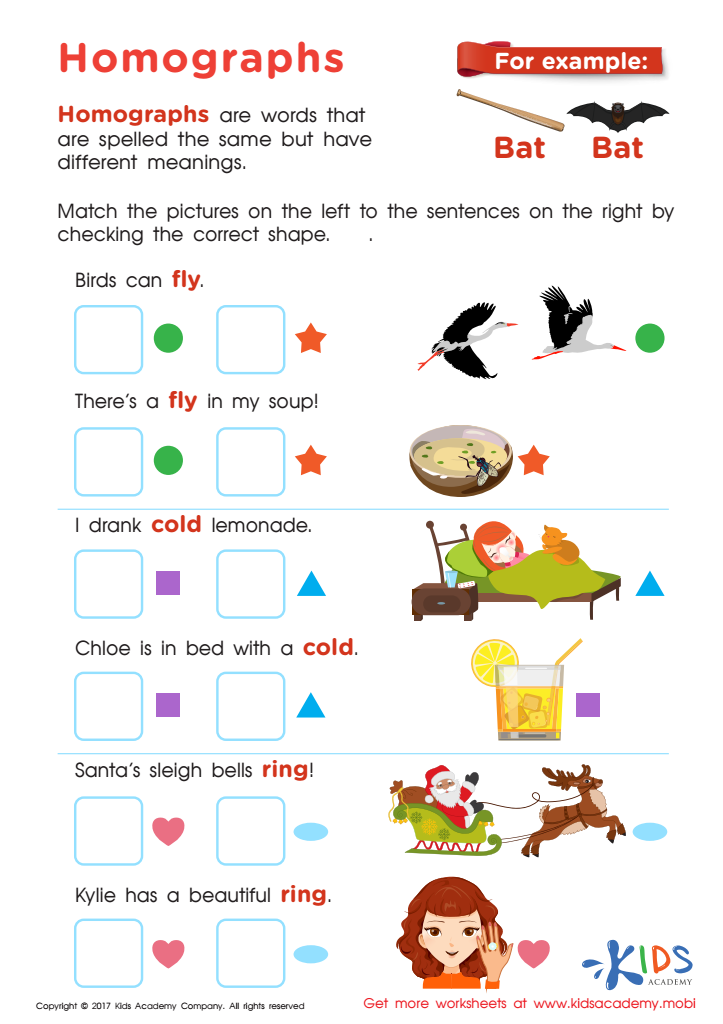
Homographs Free Printable Worksheet
 Assign to My Students
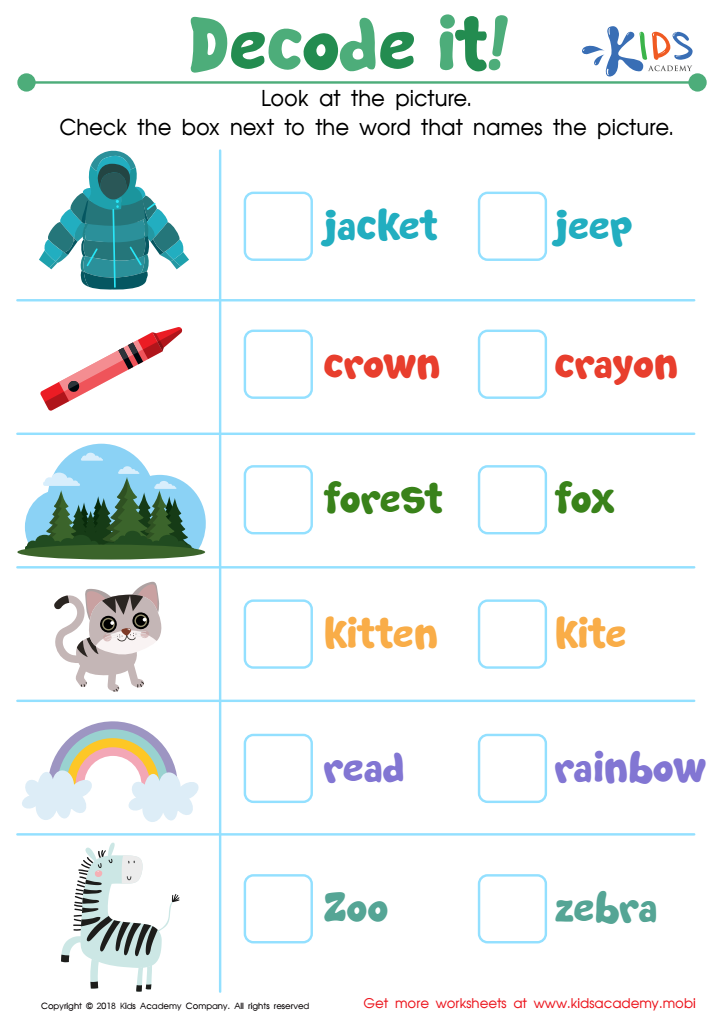
Reading: Decode It Worksheet
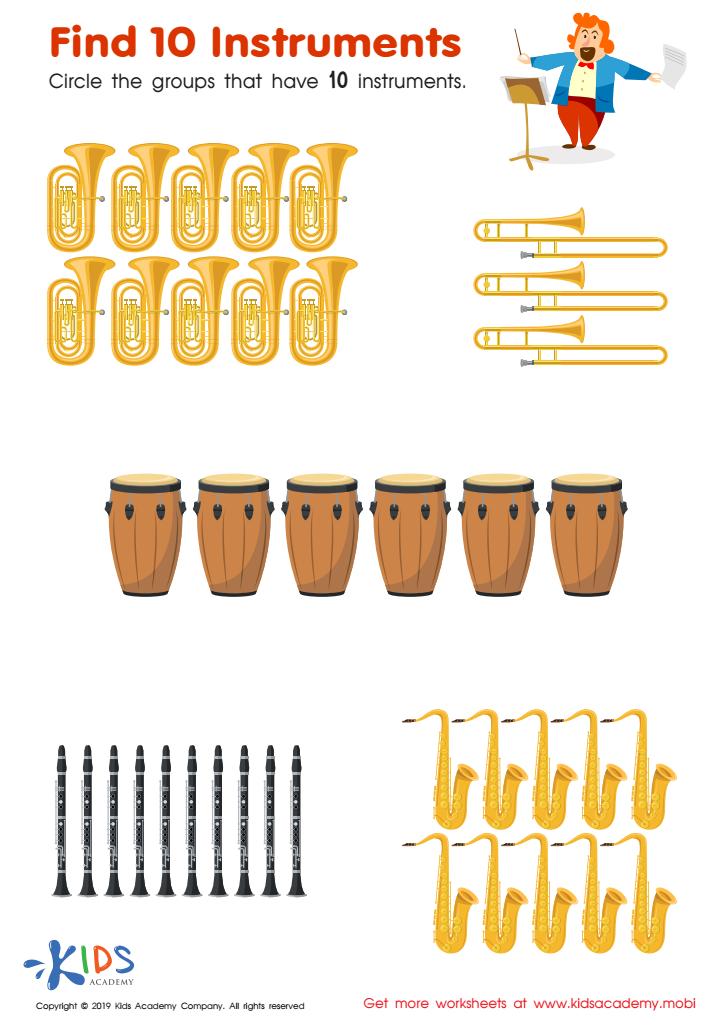
Find 10 Instruments Worksheet






.jpg)

Improving vocabulary for children aged 6-8 is crucial for their overall development and academic success. At this formative stage, children are not only expanding their language skills but also enhancing their cognitive abilities. A rich vocabulary is essential for effective communication, enabling children to express their thoughts, feelings, and ideas with clarity.
For parents and teachers, fostering vocabulary development can lead to improved reading comprehension and writing skills. A robust vocabulary helps children make sense of complex texts and engage more deeply with the materials they encounter in school. This foundation is vital as they transition to more intricate subjects in later grades.
Moreover, vocabulary improvement promotes confidence in children. When they can articulate themselves well, they feel more comfortable participating in discussions and expressing their opinions. This self-assurance is important for their social interactions and emotional development.
Additionally, enhancing vocabulary can spark a love for learning. Engaging activities such as reading together, word games, and vocabulary-building exercises can make the learning process enjoyable and interactive. In summary, prioritizing vocabulary development not only supports academic achievement but also nurtures communication skills, confidence, and a positive attitude toward learning, benefiting children in numerous ways.








