Information processing Normal Worksheets for Ages 6-8
4 filtered results
-
From - To
Our Information Processing Normal Worksheets for Ages 6-8 are designed to enhance young learners' critical thinking abilities. These engaging activities help children practice analyzing, organizing, and synthesizing information, fostering essential problem-solving skills. Presented in an easy-to-follow format, each worksheet covers a range of topics, encouraging kids to observe, compare, and categorize data effectively. Ideal for both classroom and home use, these worksheets support cognitive development and boost academic performance. Equip your child with the tools needed for successful learning through our fun and educational content, specially crafted for kids aged 6-8. Explore our collection and promote enduring learning skills today!
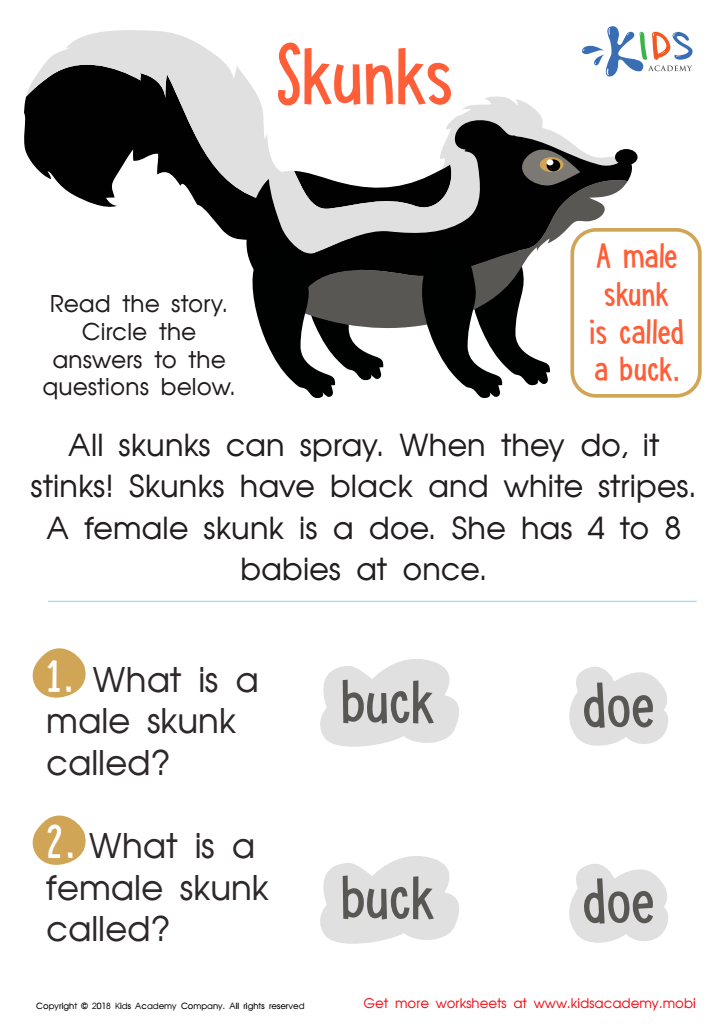
Skunks Worksheet
 Assign to My Students
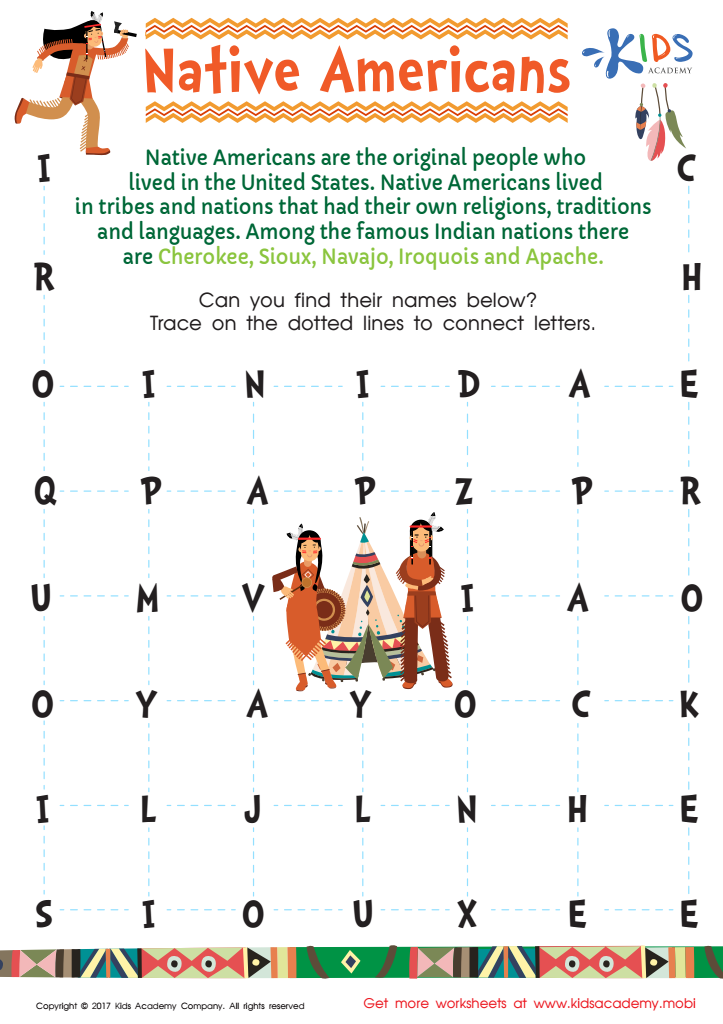
Native American Word Search Printable

Golden Eagles Worksheet
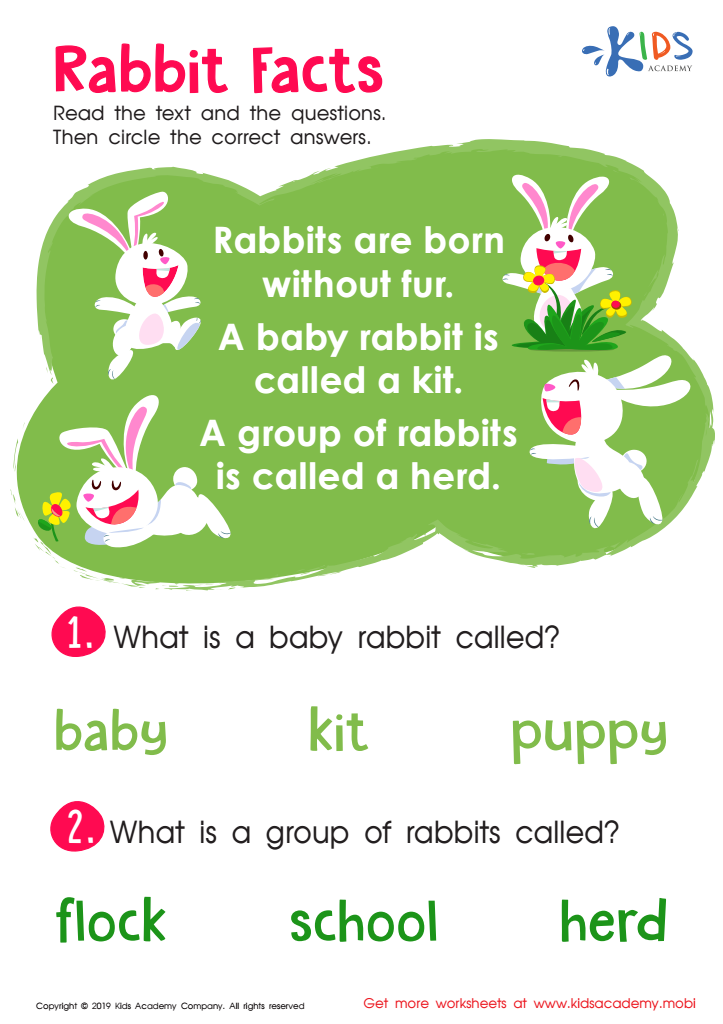
Rabbit Facts Worksheet






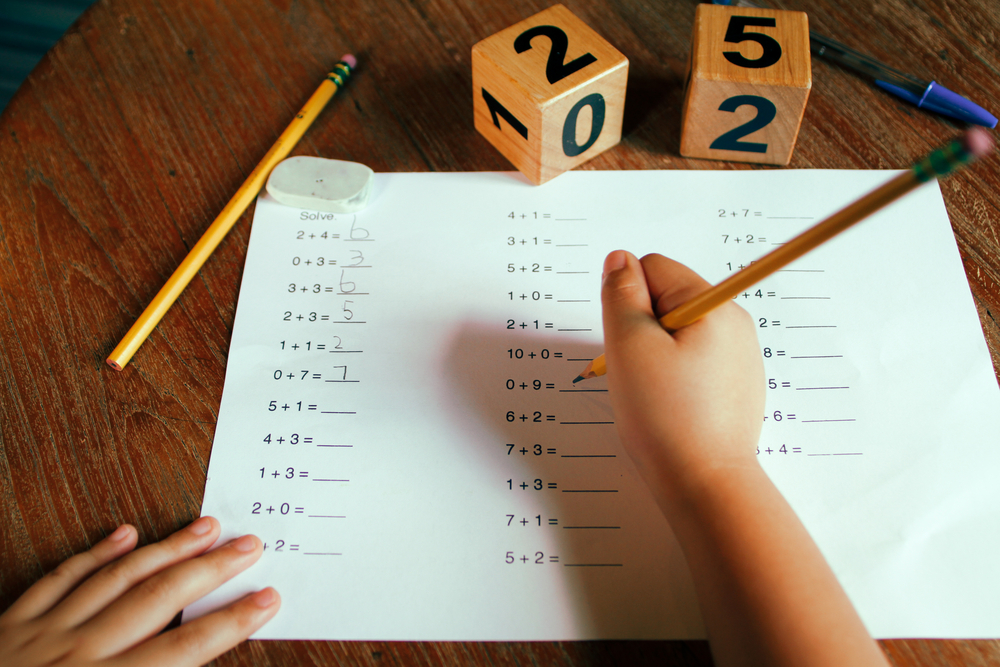
Understanding information processing in children aged 6-8 is essential for parents and teachers because it directly impacts learning, behavior, and development. At this stage, kids transition from simple, concrete thinking to more complex and abstract problem-solving. Their brains are developing rapidly, making it a critical period for acquiring foundational skills in reading, writing, and mathematics.
Firstly, being aware of normal information processing helps adults recognize and support children’s cognitive development. For instance, children this age start using strategies like rehearsal (repeating information) and categorization (grouping similar items) to retain and retrieve information. Recognizing these strategies allows parents and teachers to reinforce and expand them, aiding memory and comprehension.
Secondly, knowledge of typical developmental milestones can help identify atypical processing patterns early. Early detection of struggles, such as difficulties with attention or memory, allows for timely interventions which can prevent long-term academic challenges.
Lastly, understanding information processing enables the creation of effective, engaging learning environments. Activities can be designed to promote active learning, such as hands-on tasks and interactive storytelling, which align with children’s cognitive abilities.
In sum, paying attention to information processing in children aged 6-8 supports overall development, ensuring they acquire essential skills while offering early intervention opportunities.








