Letter formation Normal Worksheets for Ages 6-8
4 filtered results
-
From - To
Enhance your child’s handwriting skills with our "Letter Formation Normal Worksheets" designed specifically for ages 6-8. These engaging worksheets provide a structured and fun way for young learners to practice forming both uppercase and lowercase letters. With clear guidelines and numerous practice opportunities, children will build confidence and improve their letter writing techniques. Our resources cater to various learning styles and enable parents and teachers to support literacy development at home or in the classroom. By using our worksheets, kids will develop fine motor skills while enjoying the learning process. Start your child’s journey to neat handwriting today!
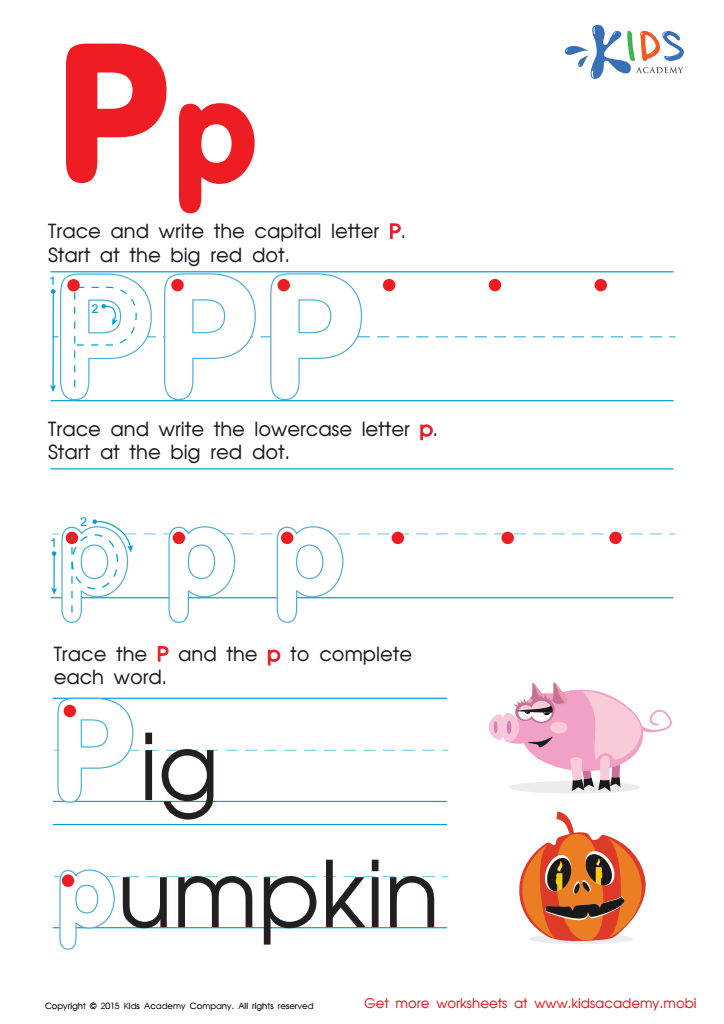
Letter P Tracing Page
 Assign to My Students
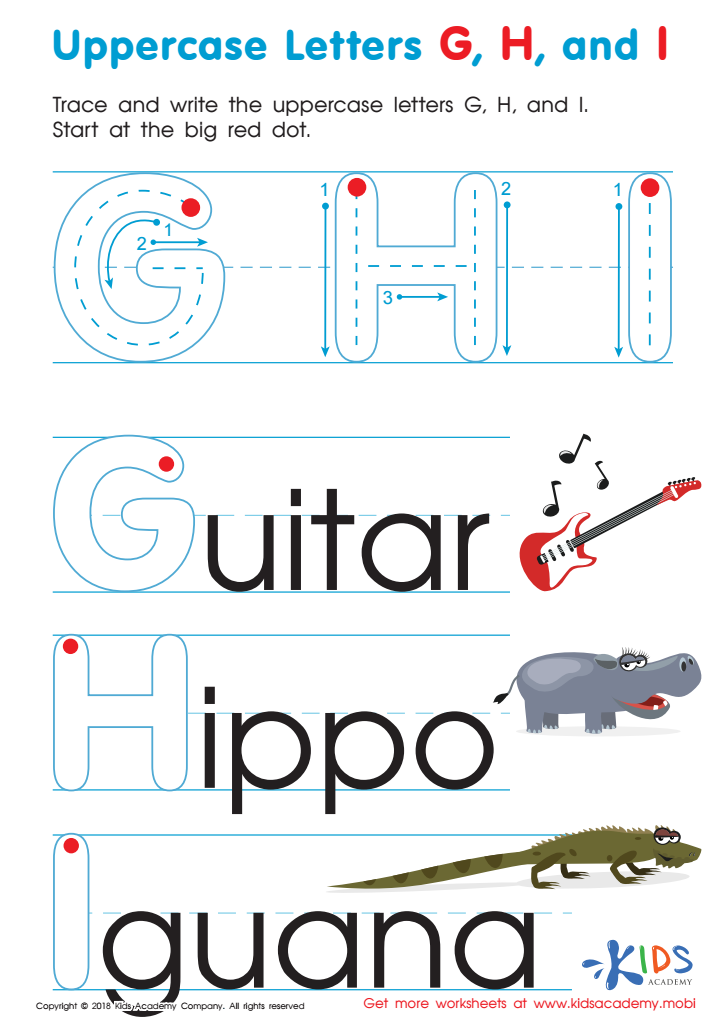
Uppercase Letters G, H, and I Worksheet
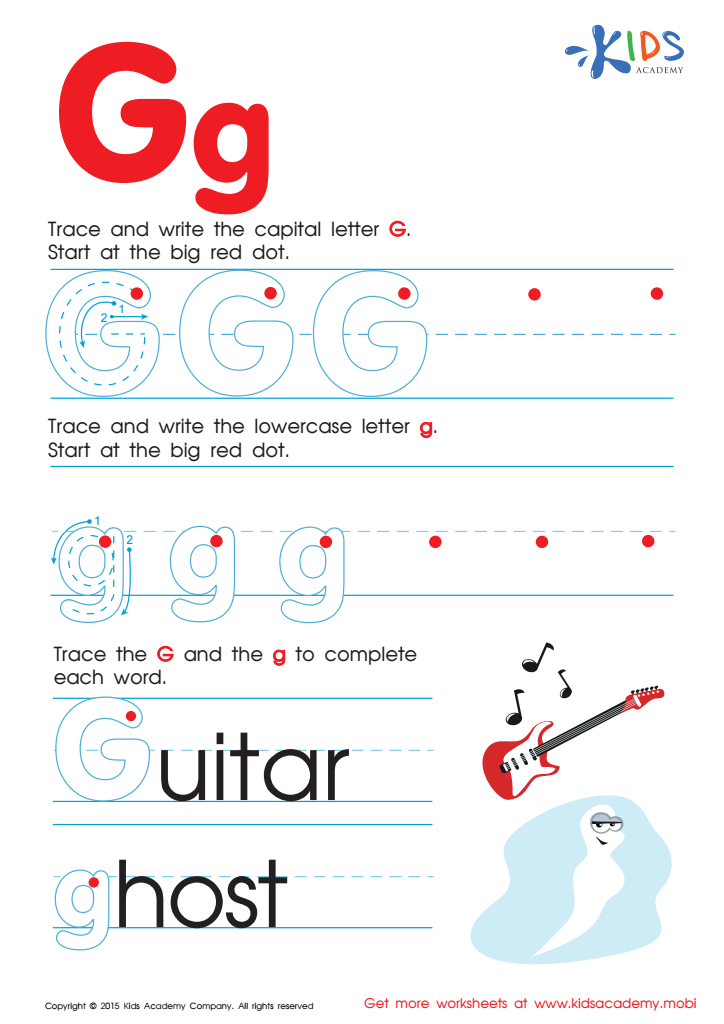
Letter G Tracing Page
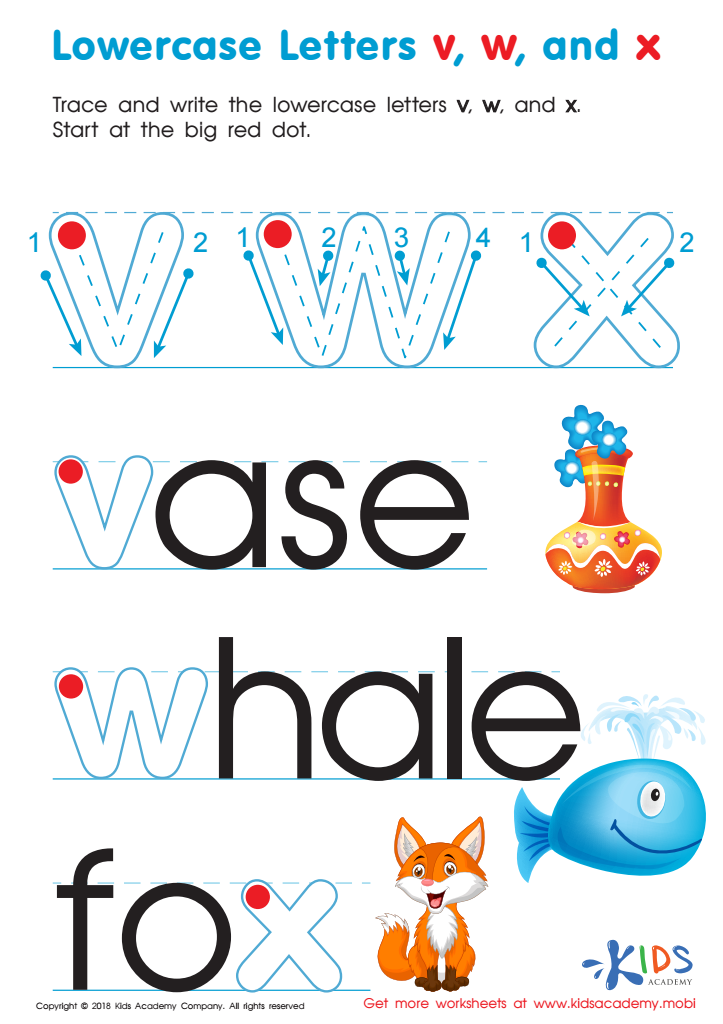
Lowercase Letters v w x Worksheet







Letter formation is a crucial component of early literacy and writing development for children aged 6-8. During this stage, children are transitioning from learning to write to writing to learn, making proper letter formation essential for their overall academic success.
Firstly, well-formed letters contribute to legibility. When children form letters correctly, their writing is easier to read, which helps teachers and peers understand their ideas and thoughts. This clarity fosters communication skills and encourages children to express themselves more fully, knowing their writing will be understood.
Moreover, mastering letter formation aids in developing fine motor skills. As children practice writing, they strengthen the small muscles in their hands and improve their hand-eye coordination, which is vital for many daily tasks. Good handwriting can also build confidence; children who take pride in their neatly written work are more likely to engage in writing activities willingly.
Additionally, reinforcing proper letter formation lays a strong foundation for future writing tasks, including more complex assignments in higher grades. It instills discipline and attention to detail, traits that will benefit children in various academic and professional contexts throughout their lives. Therefore, attention to letter formation in these early years is crucial for fostering competent, confident, and motivated learners.








