Letter recognition Normal Worksheets for Ages 6-8 - Page 3
55 filtered results
-
From - To
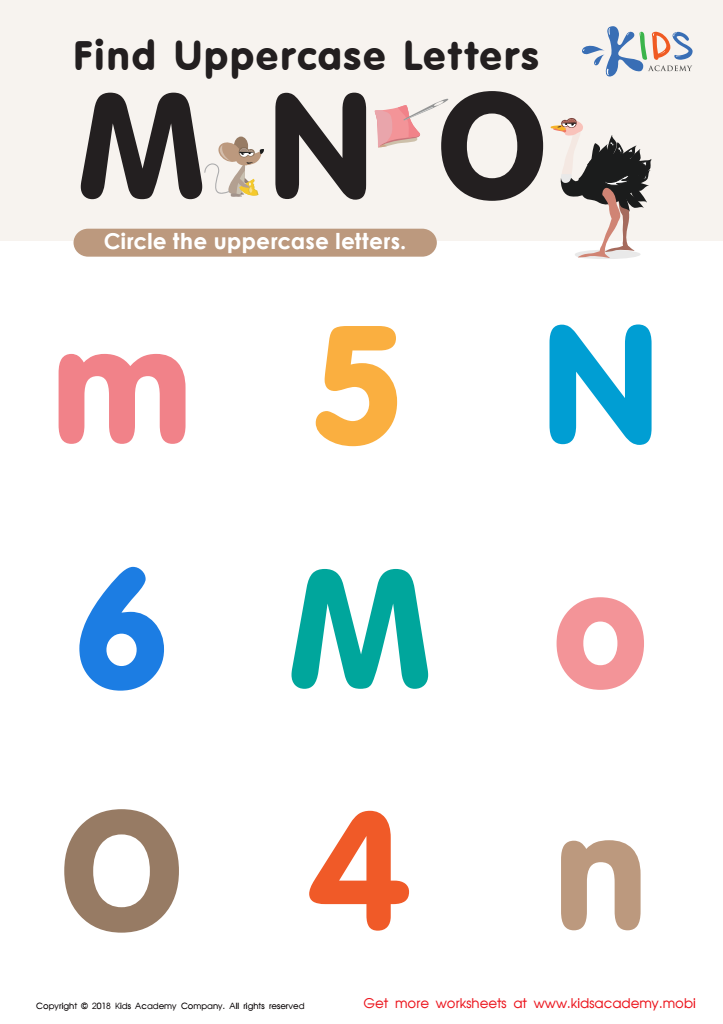
Find Uppercase Letters M, N, and O Worksheet
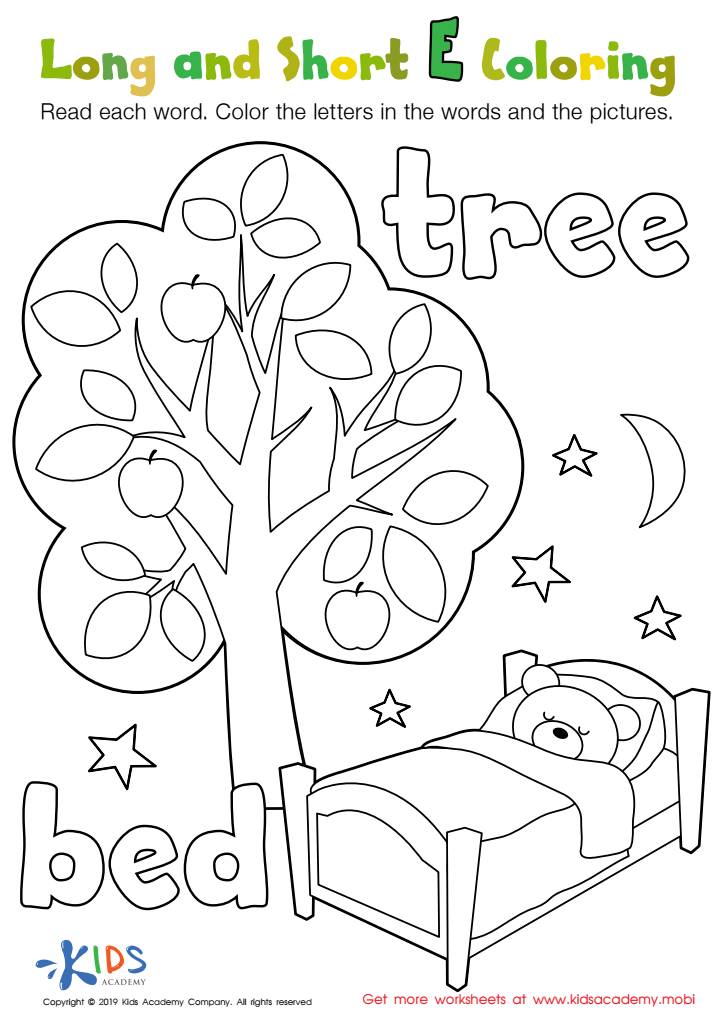
Long and Short E Worksheet
 Assign to My Students
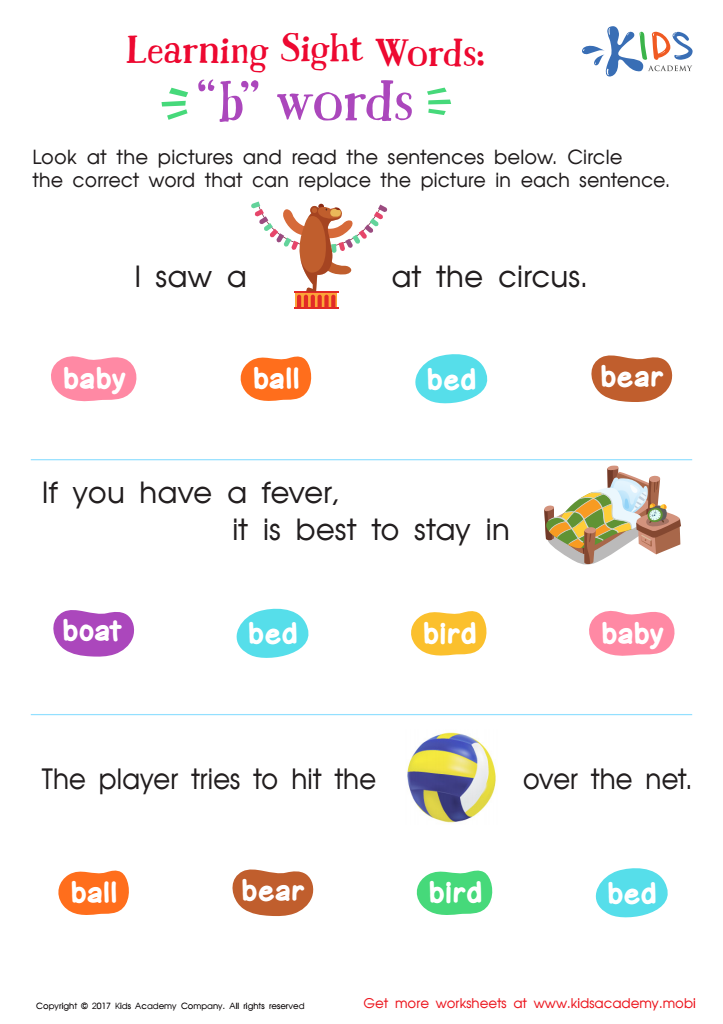
"B" Words Printable Sight Words Worksheet
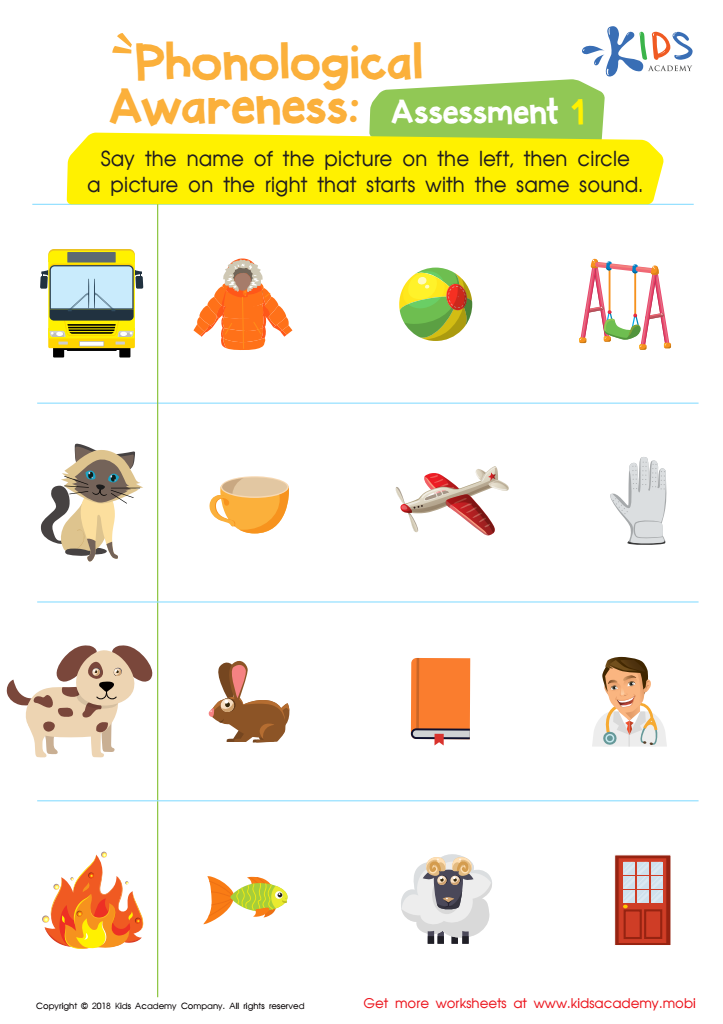
Phonological Awareness: Assessment 1 Worksheet

Letter N Coloring Sheet
Assign to My Students

Letter D Tracing Page
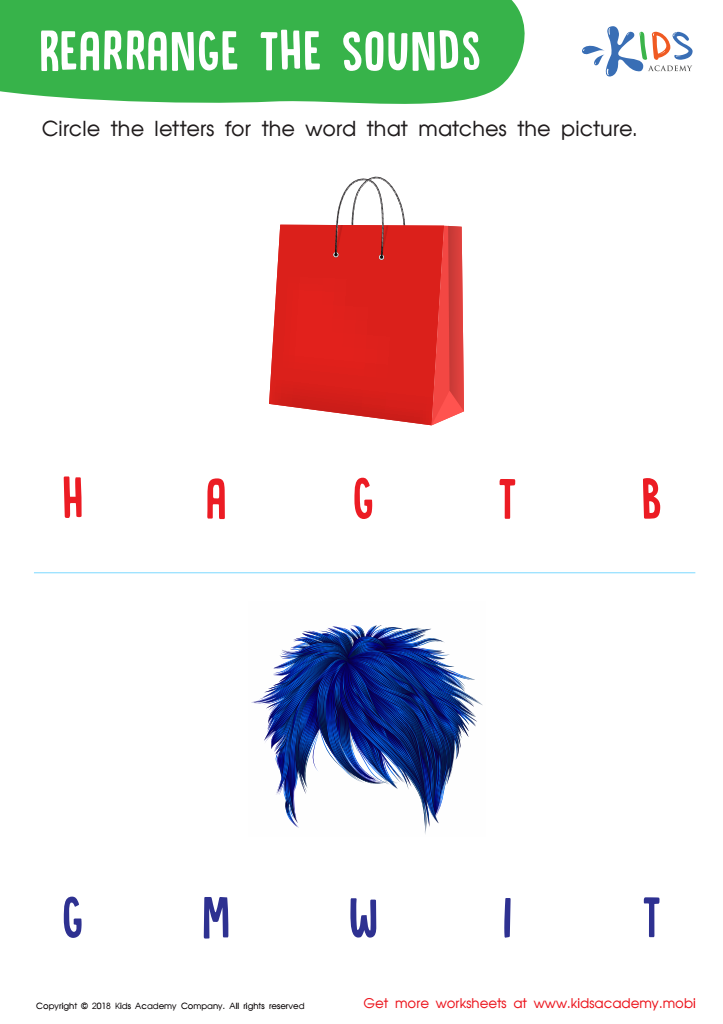
Rearrange the Sounds Worksheet






Letter recognition is a fundamental building block in early education for children ages 6-8, and both parents and teachers should prioritize this aspect of learning. During this critical developmental stage, children transition from recognizing letters to understanding their correlations with sounds, which is essential for reading and writing. Mastery of letter recognition lays a solid foundation for phonemic awareness, critical for decoding words, spelling, and reading fluency.
When children can easily recognize letters, they can more quickly internalize word patterns and begin to read with greater ease. This also boosts their self-confidence and fosters a love of learning and reading. Alternatively, difficulties in letter recognition can lead to substantial hurdles in literacy development, potentially resulting in frustrations and a negative attitude toward school.
Moreover, attentive parents and teachers can identify and address any learning difficulties early on, such as dyslexia, that could impede the child's academic progress. The collaborative efforts of parents and teachers ensure that the child receives tailored support and encouragement both at home and school.
Therefore, nurturing letter recognition in early grades not only prepares children academically but also enhances their cognitive development, setting them on a successful educational journey.








