Sequencing Skills Normal Worksheets for Ages 6-8
6 filtered results
-
From - To
Develop your child’s ability to understand and organize events with our Sequencing Skills Normal Worksheets, designed for ages 6-8. These engaging worksheets provide a fun and effective way to enhance cognitive development by helping kids practice the sequencing of stories, events, and processes. Through a variety of activities, children will improve their reading comprehension, logical thinking, and problem-solving skills. Perfect for parents and educators, our worksheets offer a structured approach to mastering sequencing in a manner that’s both educational and enjoyable. Start building a strong foundation for future learning with our expertly crafted resources.
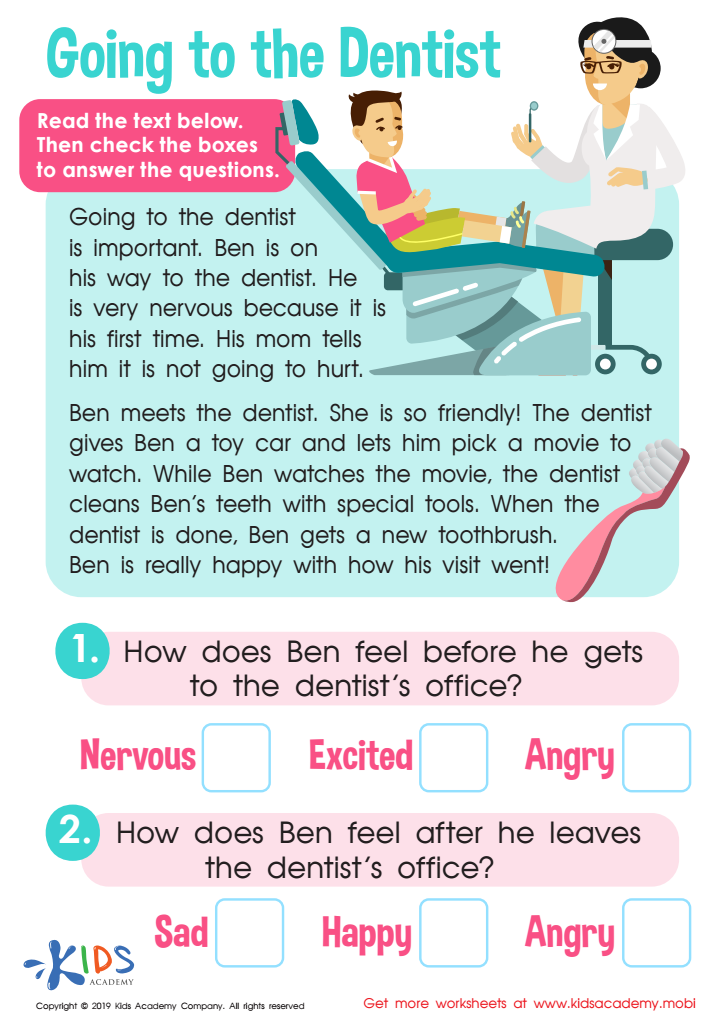
Going to the Dentist Worksheet
 Assign to My Students
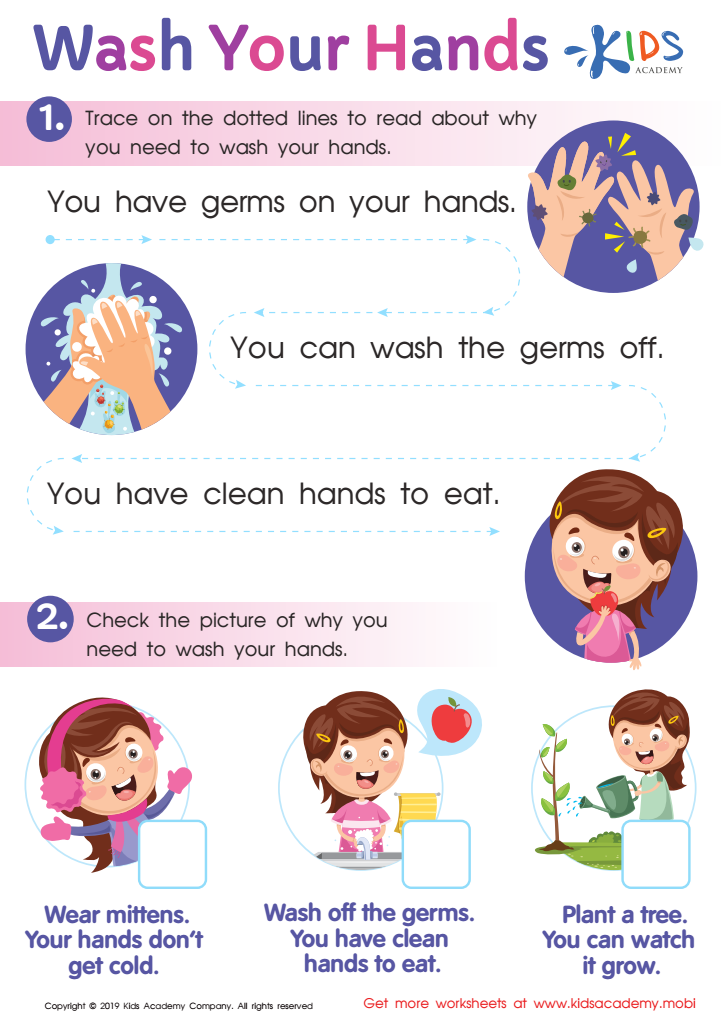
Wash Your Hands Worksheet
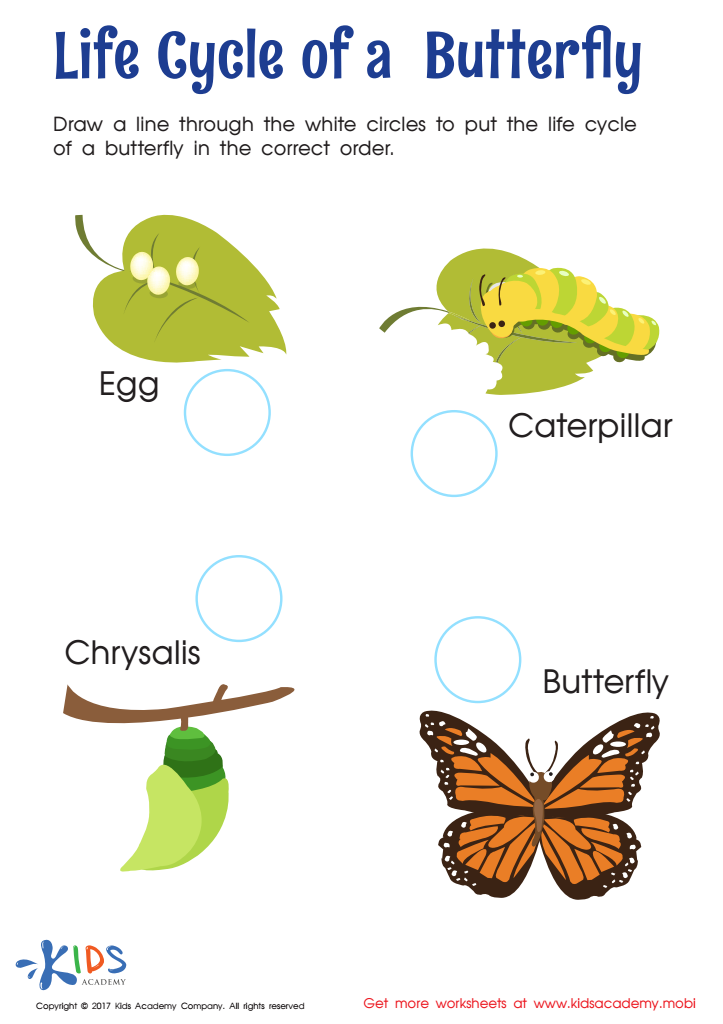
Life Cycle of Butterfly Worksheet
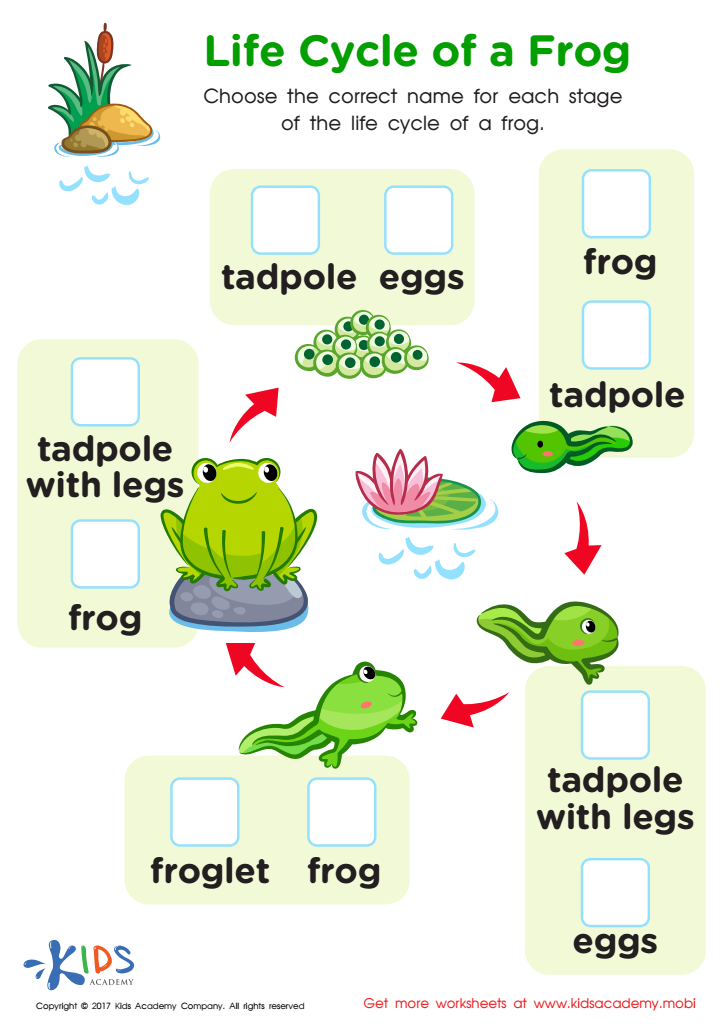
Life Cycle Frog Printable
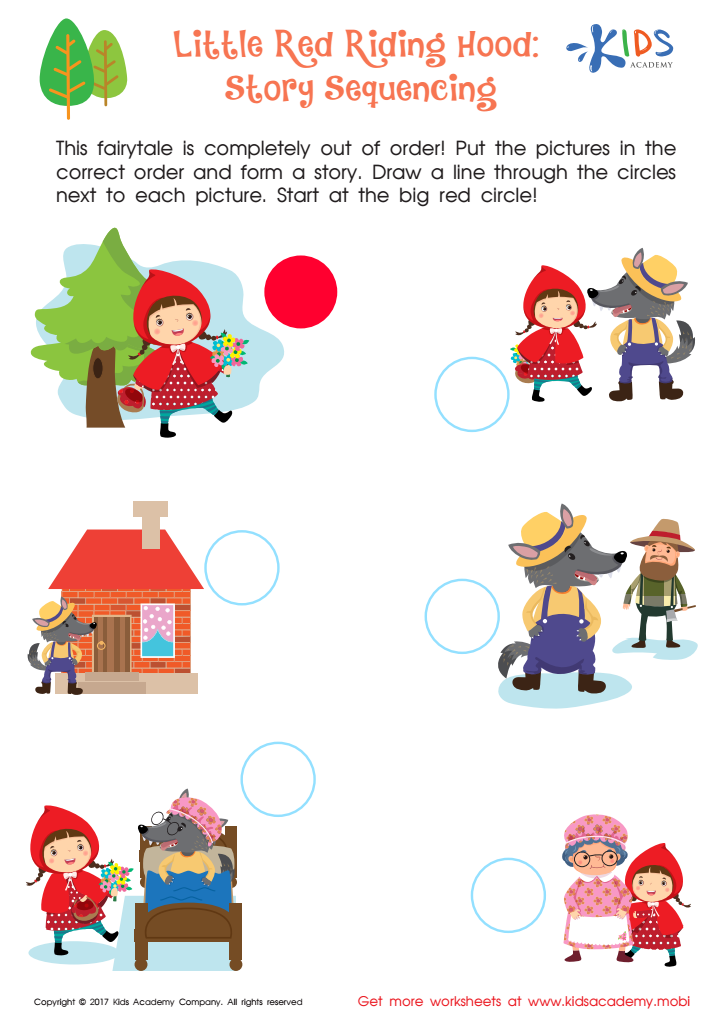
Story Sequencing Printable
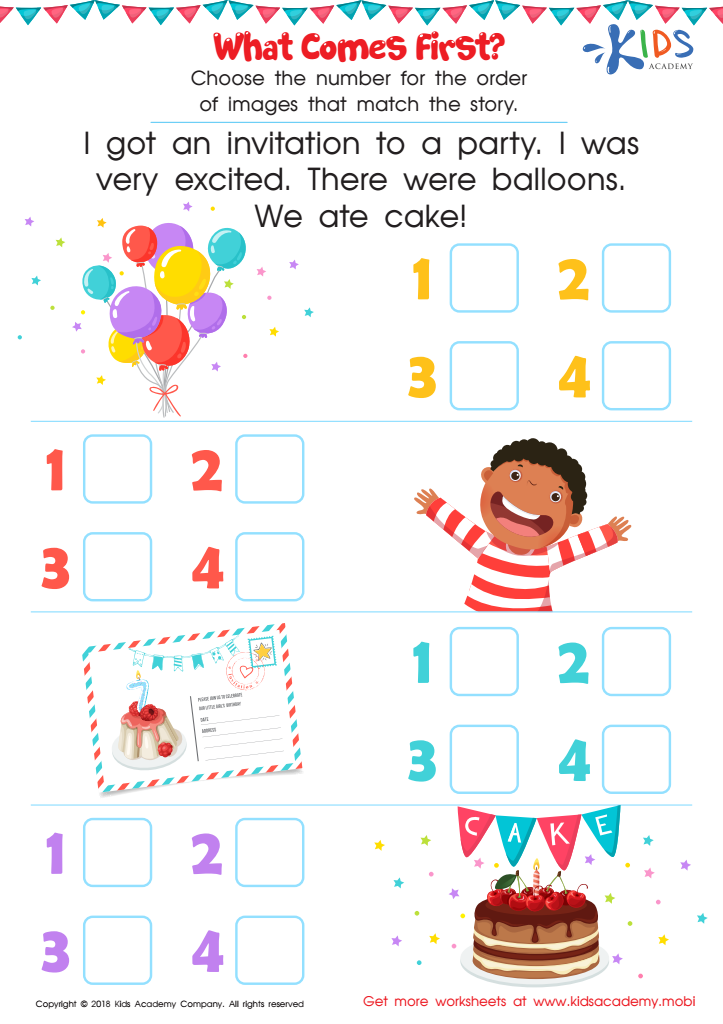
What Comes First Worksheet





.jpg)


Sequencing skills are essential for children ages 6-8 as they serve as a foundation for numerous cognitive and developmental milestones. At this stage, children begin to comprehend and organize information in a logical order, which is crucial for reading comprehension, mathematical problem-solving, and following instructions. When kids can sequence events accurately, they better understand narratives, improve their storytelling abilities, and enhance their capacity to recall details in the right order. This skill directly impacts their academic performance and readiness for higher-level thinking tasks.
For parents and teachers, nurturing sequencing skills in early childhood sets the stage for intellectual growth and academic success. Simple activities like arranging pictures in a story, following step-by-step directions, or even engaging in daily routines help children practice these skills. Consistent support and practice enable kids to develop a stronger grasp of order and organization, promoting both self-confidence and independence.
Furthermore, strong sequencing abilities contribute significantly to problem-solving and critical thinking skills. For example, in math, understanding patterns and predicting the next item in a sequence are foundational concepts. By fostering these skills early on, parents and teachers can help children build a solid cognitive framework that will support more complex learning experiences in the future.








