Shape identification Normal Worksheets for Ages 6-8
7 filtered results
-
From - To
Discover our engaging shape identification worksheets designed specifically for children ages 6-8. These fun and interactive resources help young learners recognize and differentiate between various shapes while building essential cognitive skills. Featuring colorful illustrations and clear instructions, our worksheets are perfect for reinforcing classroom lessons or for home practice. Topics include circles, squares, triangles, and more, ensuring a comprehensive understanding of shapes. Educators and parents can easily download and print these worksheets, making learning accessible and enjoyable. Encourage your child’s creativity and critical thinking as they complete each activity, fostering a love for learning through playful exploration of geometry!
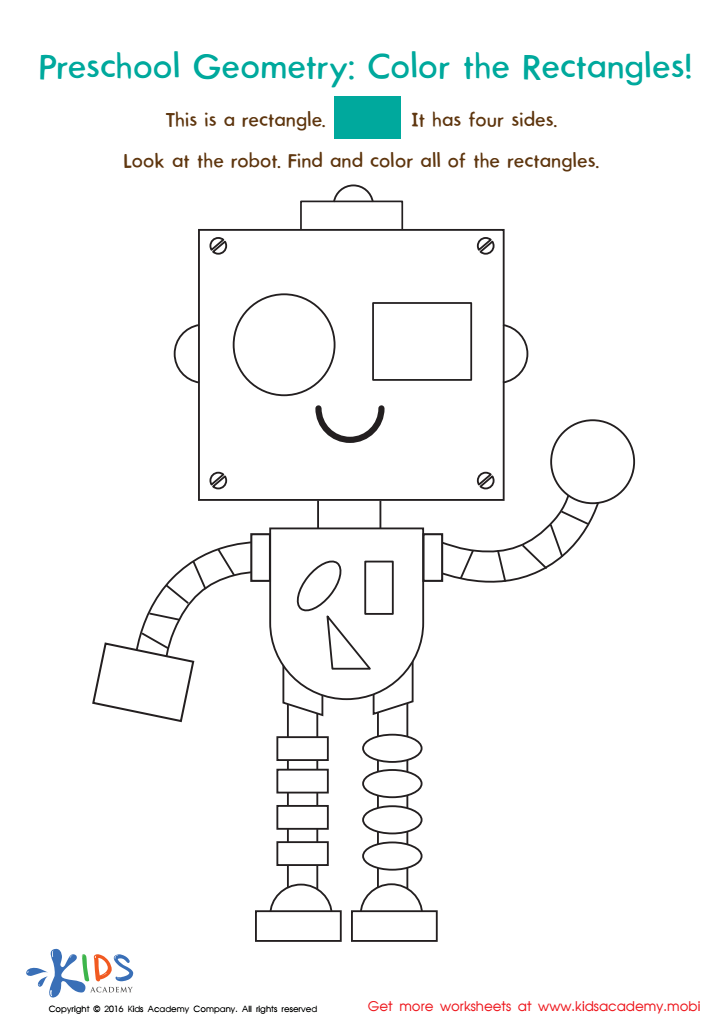
Geometry Worksheet
 Assign to My Students
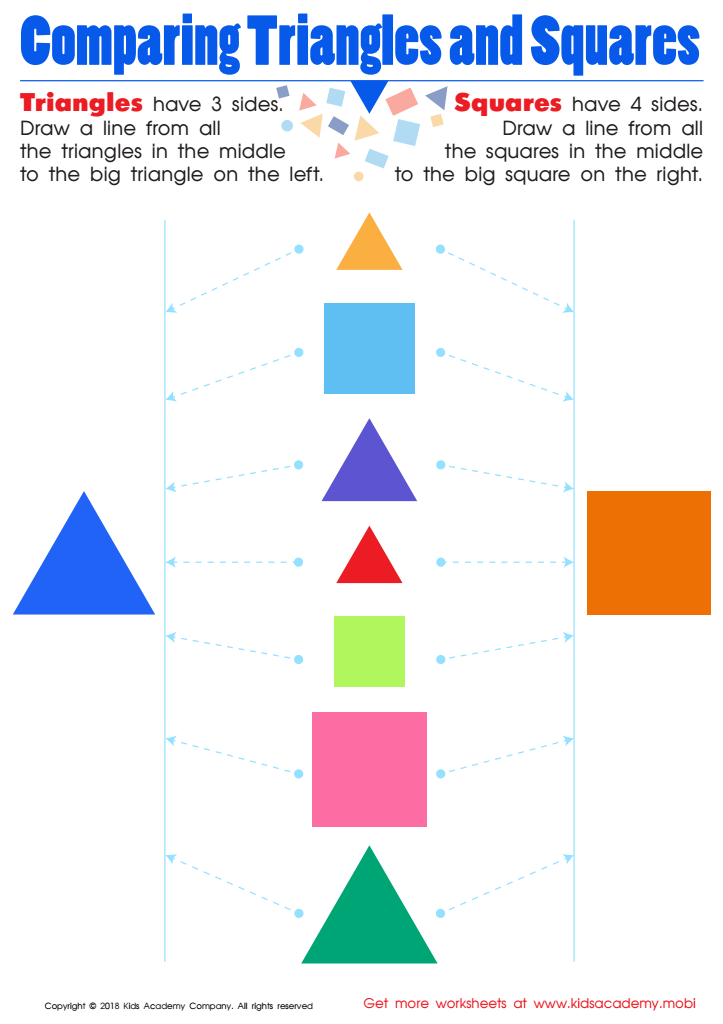
Comparing Triangles Squares Worksheet
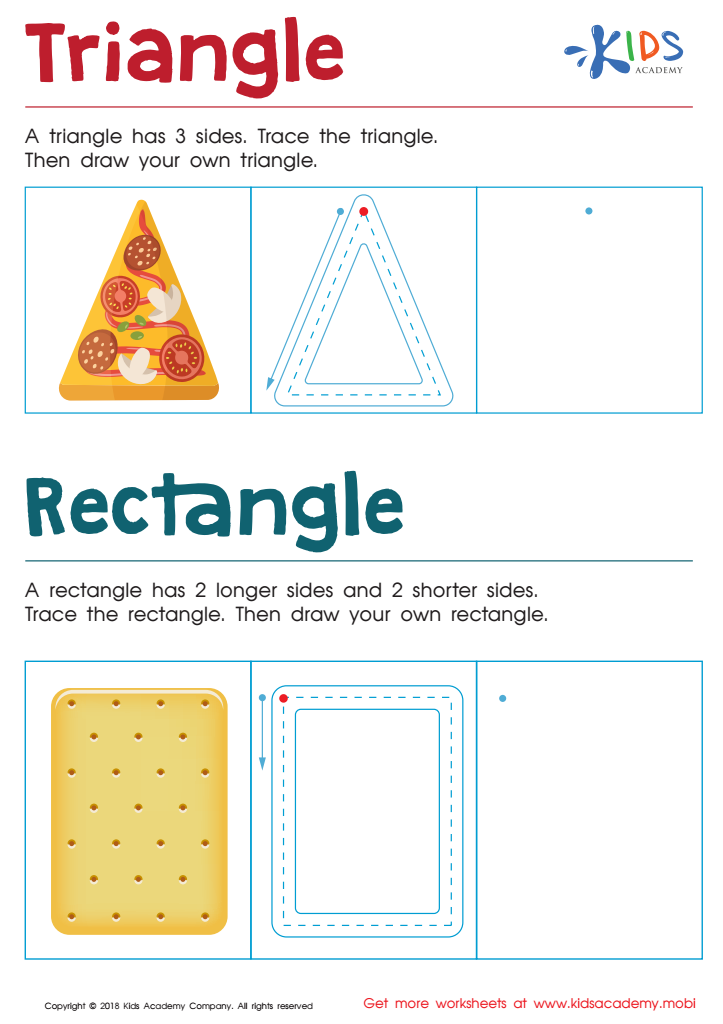
Triangle Rectangle Worksheet
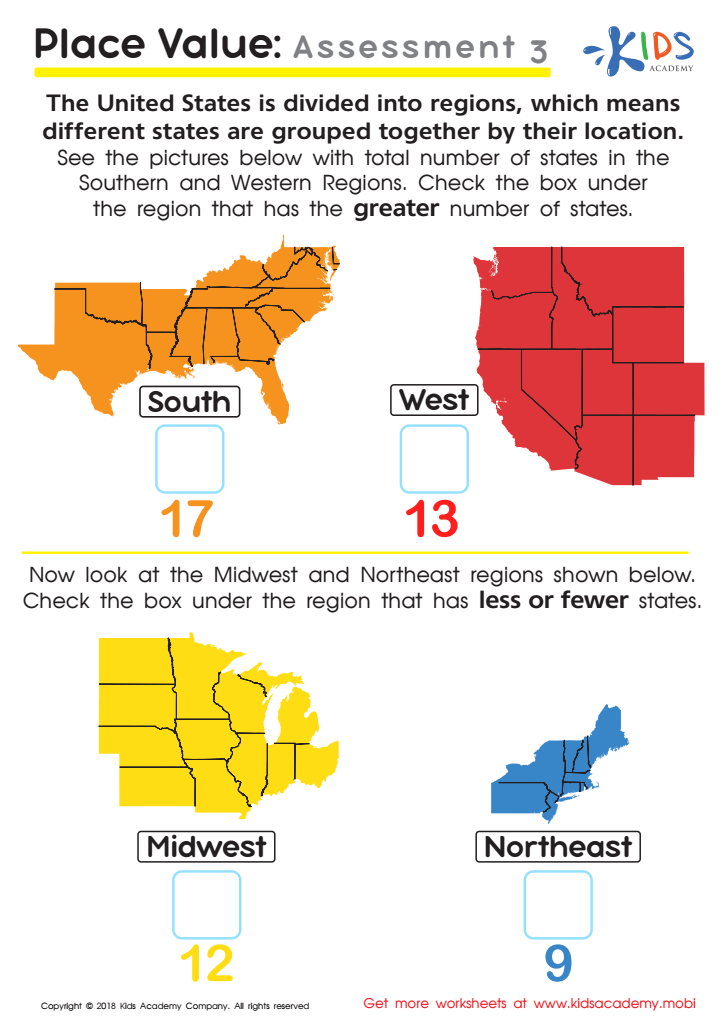
Place Value: Assessment 3 Worksheet
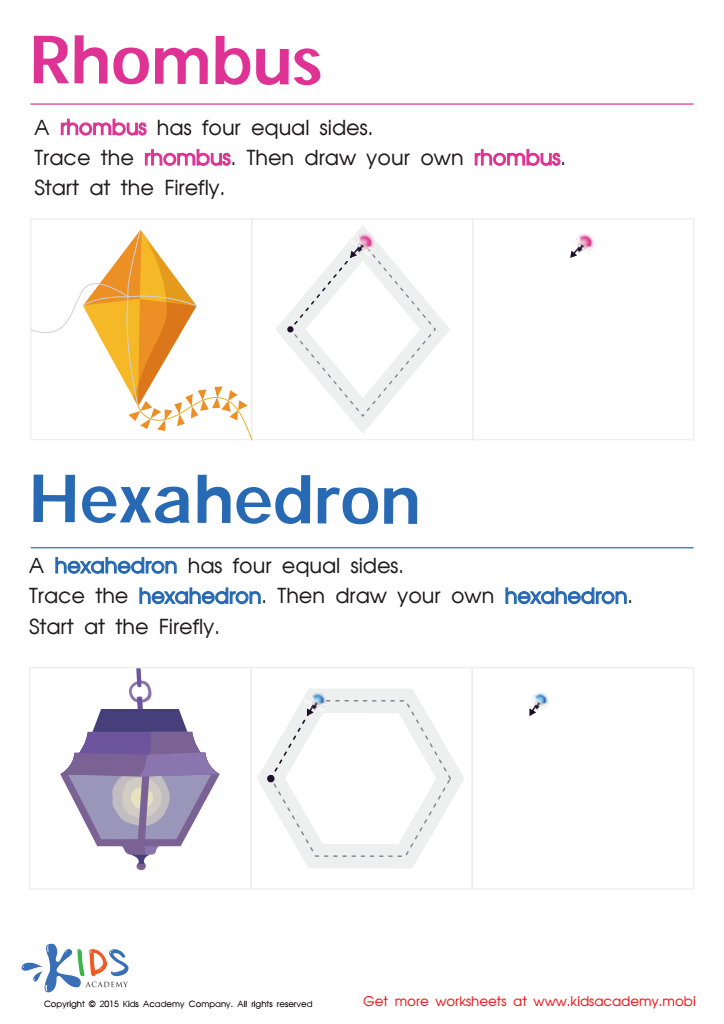
Draw a Rhombus And a Hexahedron Printable
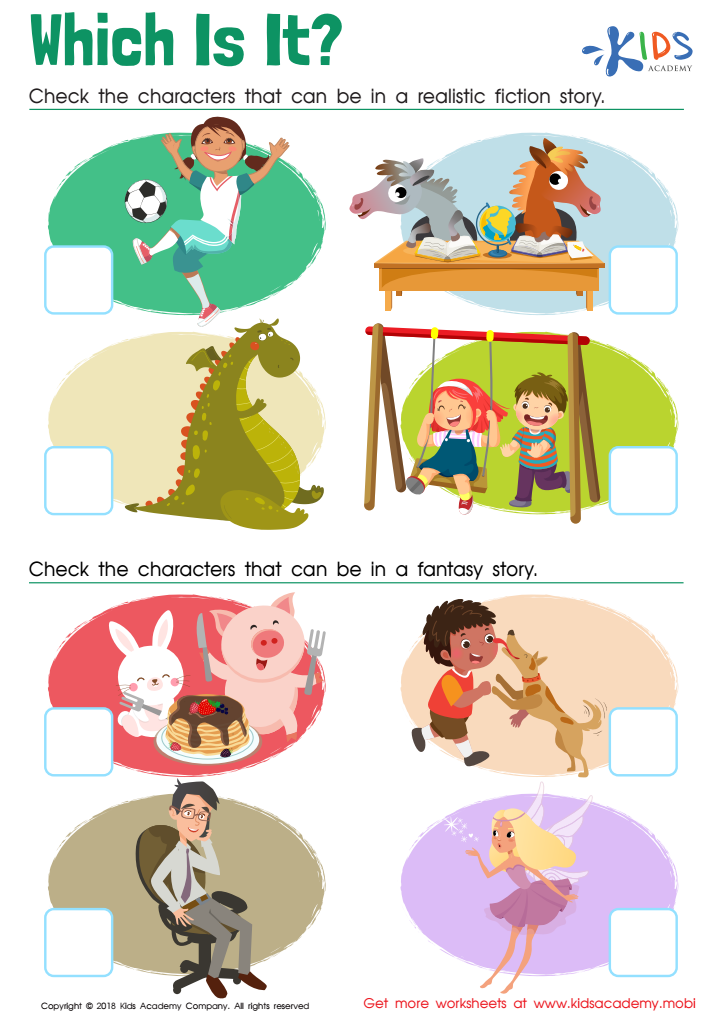
Which Is It? Worksheet
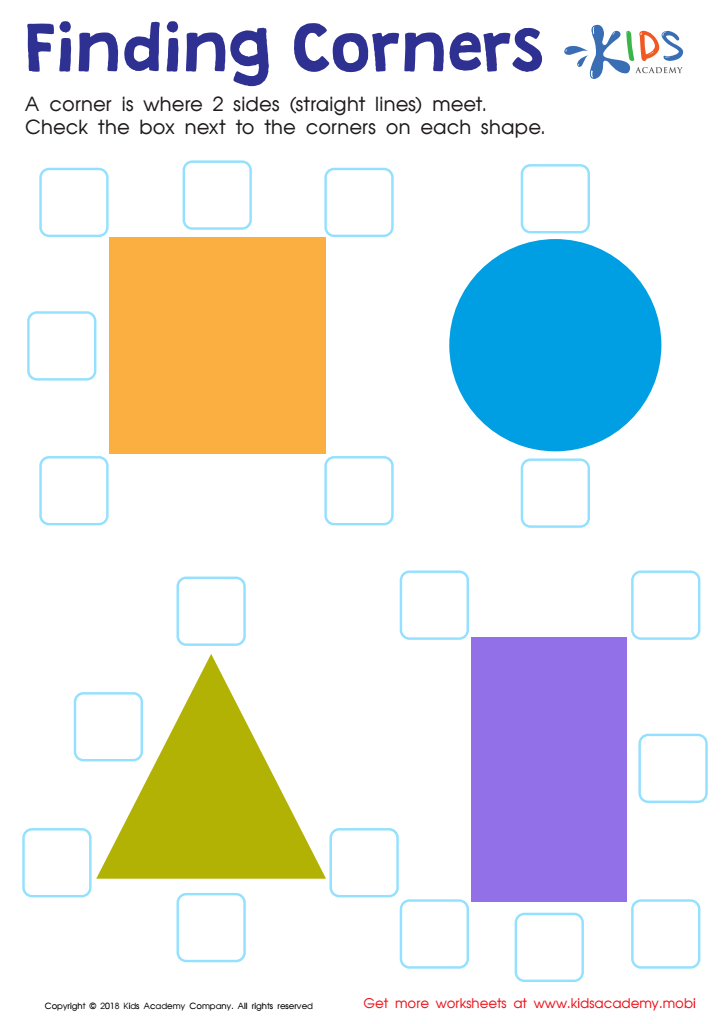
Finding Corners Worksheet







.jpg)
Shape identification is a fundamental skill for children aged 6-8, and both parents and teachers should prioritize its development for several reasons. First, understanding shapes lays the groundwork for more complex mathematical concepts. Recognizing different shapes helps children grasp spatial relationships, sizes, and symmetry, which are critical for future geometry comprehension.
Second, shape identification fosters cognitive development by enhancing visual perception and critical thinking skills. When children learn to classify and describe shapes, they practice categorization and analytical abilities, essential for logic-based reasoning in other subjects.
Additionally, shape identification plays a vital role in everyday life. Children encounter shapes in art, construction, and nature. By recognizing shapes, they can better interpret their environment, leading to improved observational skills and creativity.
Moreover, engaging with shapes promotes fine motor skills through hands-on activities such as drawing, cutting, or constructing objects with various materials. These activities encourage children to be playful and innovative.
Ultimately, shape identification contributes to a solid foundation in holistic learning, vital in promoting lifelong skills. By emphasizing shape recognition, parents and teachers can support a child's overall education and inspire curiosity about the world around them. Ultimately, this fun and engaging learning process nurtures confident and capable thinkers.








