Visual recognition Normal Worksheets for Ages 6-8
6 filtered results
-
From - To
Enhance your child’s visual recognition skills with our specially designed worksheets for ages 6-8! These engaging and interactive activities help young learners identify objects, patterns, and shapes, laying the foundation for critical thinking and observational abilities. Our worksheets are tailored to cater to varying skill levels, ensuring that every child can progress at their own pace. With colorful graphics and fun exercises, your little ones will enjoy learning while improving their attention to detail, memory, and cognitive skills. Explore our collection today to make visual recognition learning a fun and enriching experience for your child! Perfect for home or classroom use!
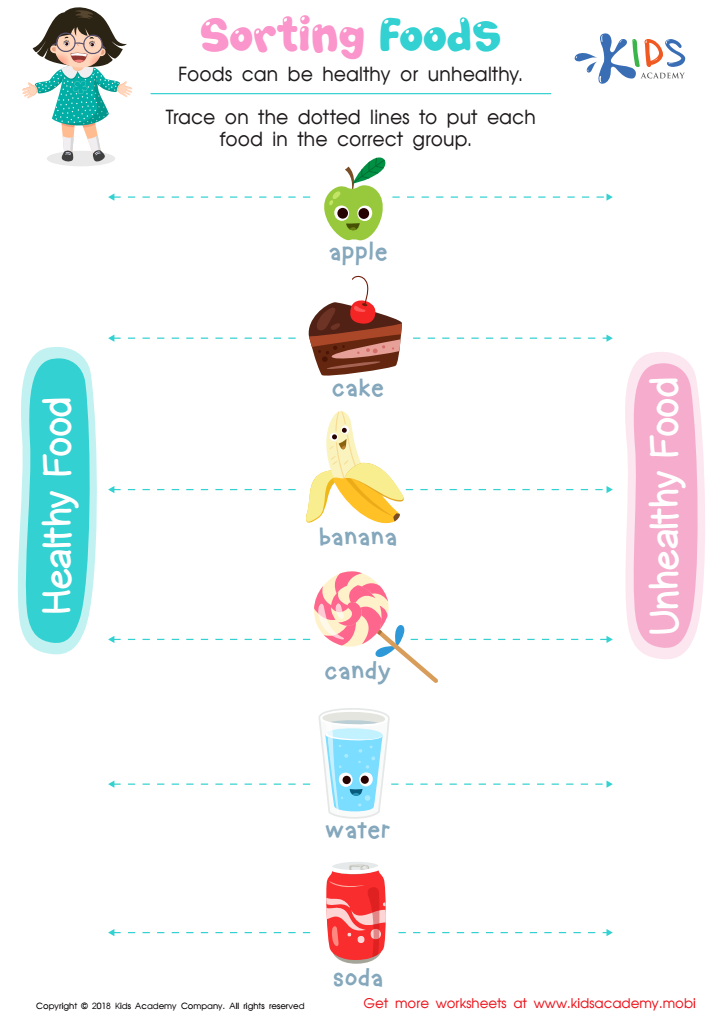
Sorting Food Worksheet
 Assign to My Students
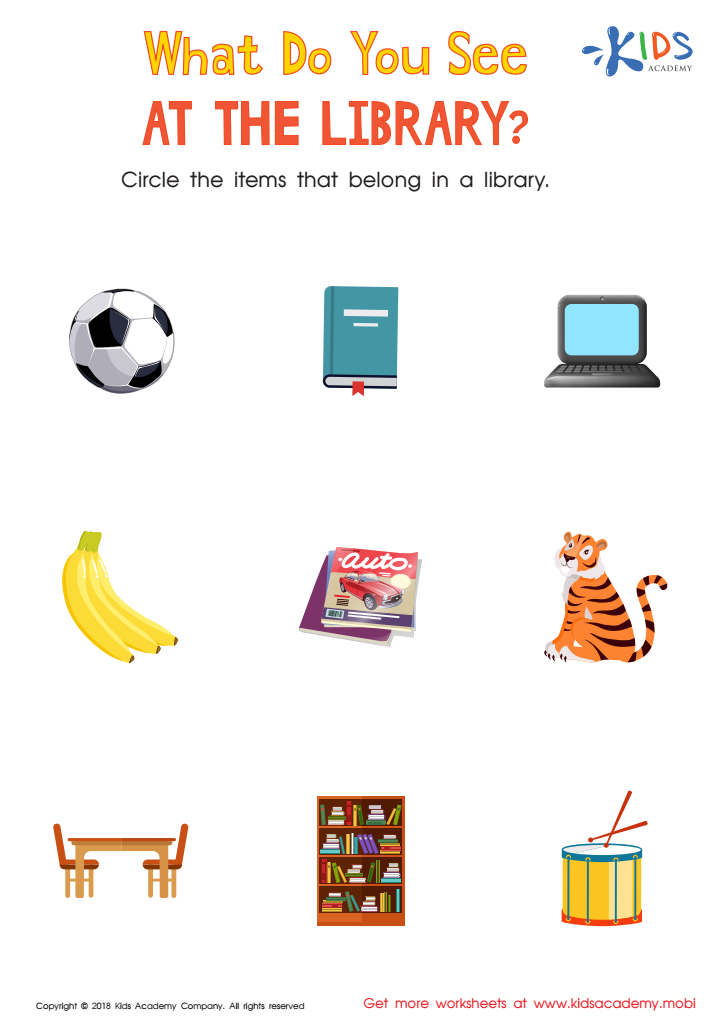
What Do you See at the Library? Worksheet
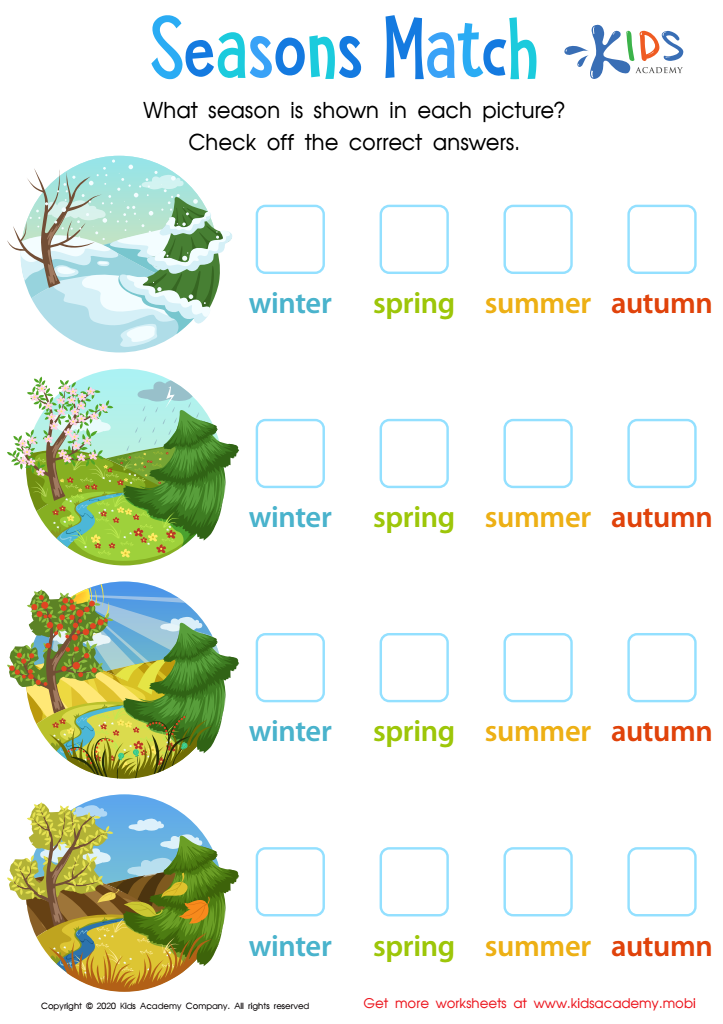
Seasons Match Worksheet
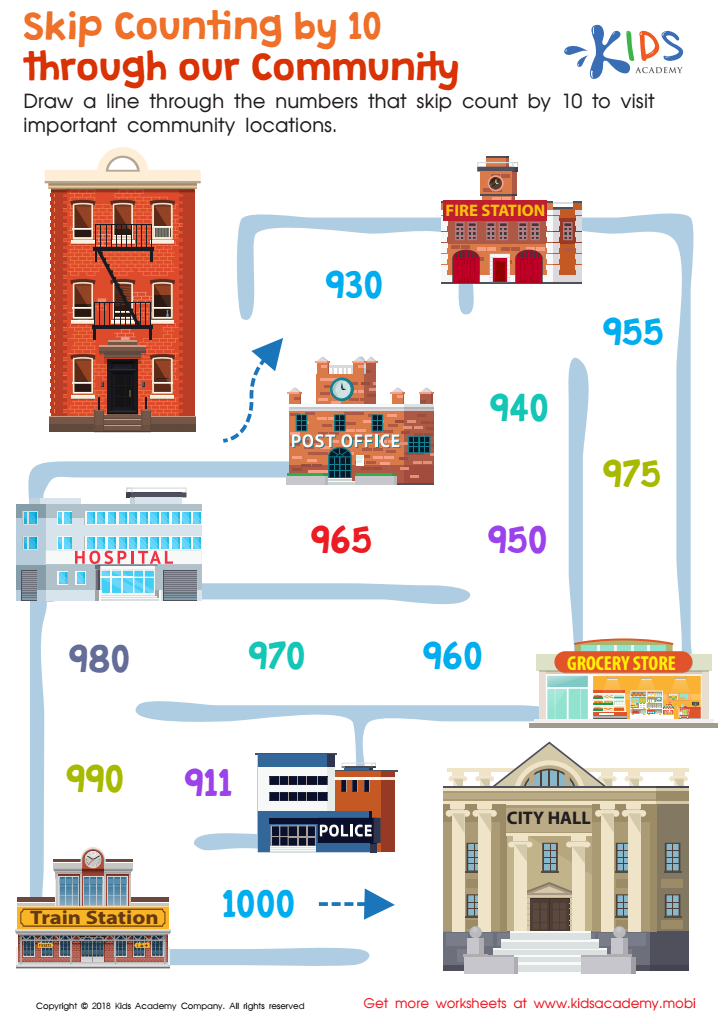
Skip Counting by 10 Through Our Community Worksheet
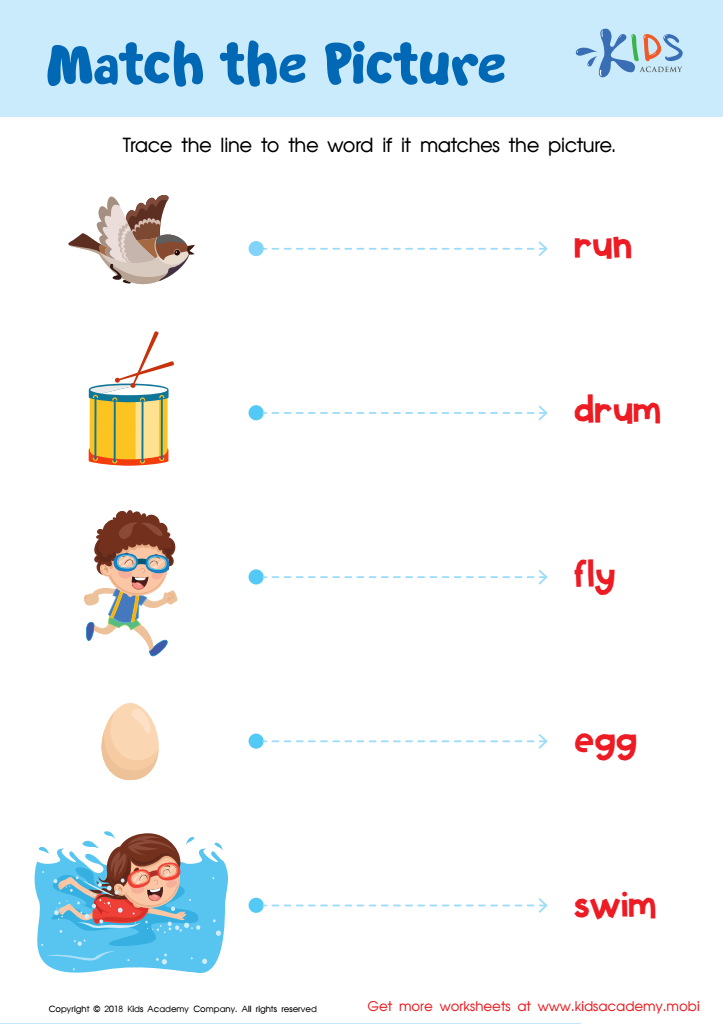
Match the Picture Worksheet
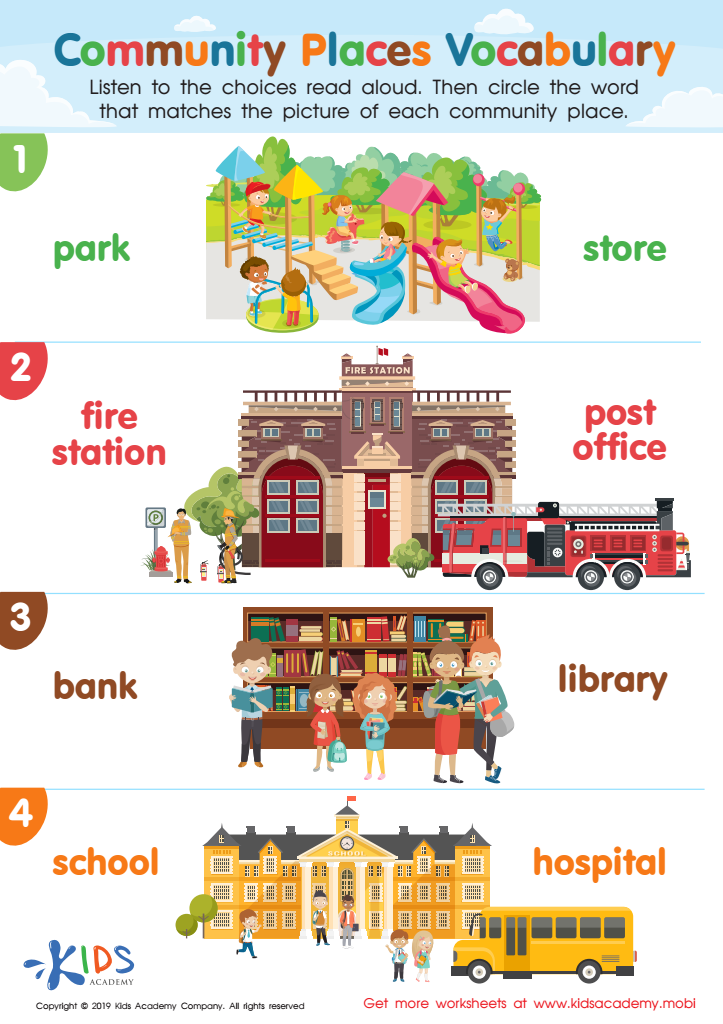
Community Places Vocabulary Worksheet





.jpg)
Visual recognition is a critical skill for children aged 6-8 as it forms the foundation for various academic and social competencies. At this age, children are rapidly developing their cognitive abilities and honing their observation and interpretation skills. Visual recognition enables them to identify letters, numbers, shapes, colors, and other visual stimuli, which are essential for reading, math, and overall learning.
When parents and teachers prioritize visual recognition, they support children's reading development by helping them recognize sight words and decode unfamiliar words. Additionally, enhanced visual recognition improves problem-solving abilities in math by allowing children to quickly identify patterns and relationships. Beyond academics, strong visual recognition skills aid in social interactions, as children learn to interpret nonverbal cues and facial expressions, fostering better communication and relationships with peers.
Furthermore, early investment in visual recognition can identify challenges that might lead to learning difficulties, enabling timely interventions. By supporting activities that promote visual recognition—such as games, puzzles, and interactive learning—adults can nurture a child's curiosity and love for learning, laying the groundwork for future academic success and lifelong skills. Thus, fostering visual recognition in early education is essential for holistic development.








