Vocabulary Enrichment Normal Worksheets for Ages 6-8
13 filtered results
-
From - To
Boost your child's language skills with our Vocabulary Enrichment Normal Worksheets for Ages 6-8! These expertly designed worksheets are perfect for young learners, offering engaging activities that expand their vocabulary, improve reading comprehension, and enhance language abilities. Each worksheet is carefully curated to suit the developmental stages of 6 to 8-year-olds, encouraging thoughtful exploration of new words and their meanings. Whether for home or classroom use, these resources make learning fun and effective. Help your child build a strong vocabulary foundation that will support their academic growth and communication skills through these interactive and educational worksheets.
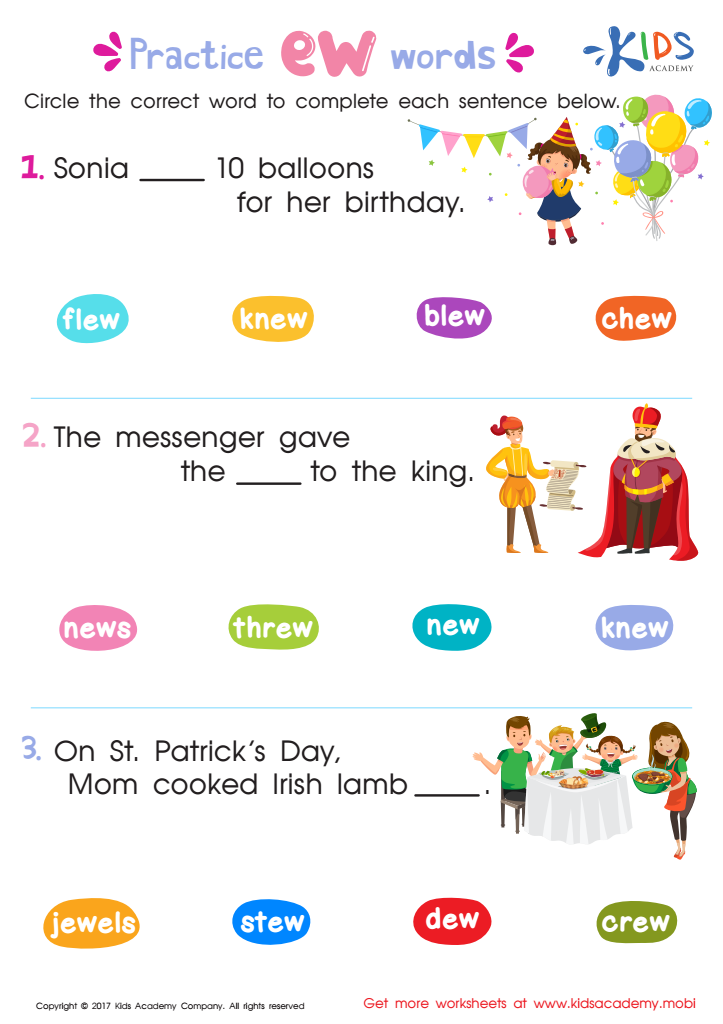
EW Words Worksheet
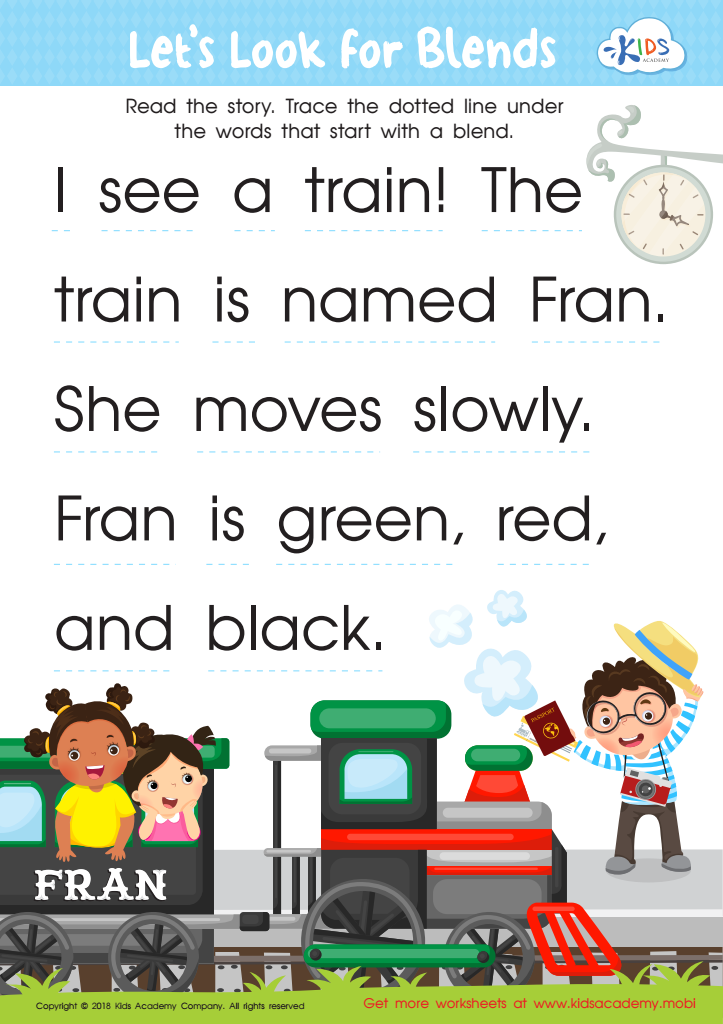
Let's Look for Blends Worksheet
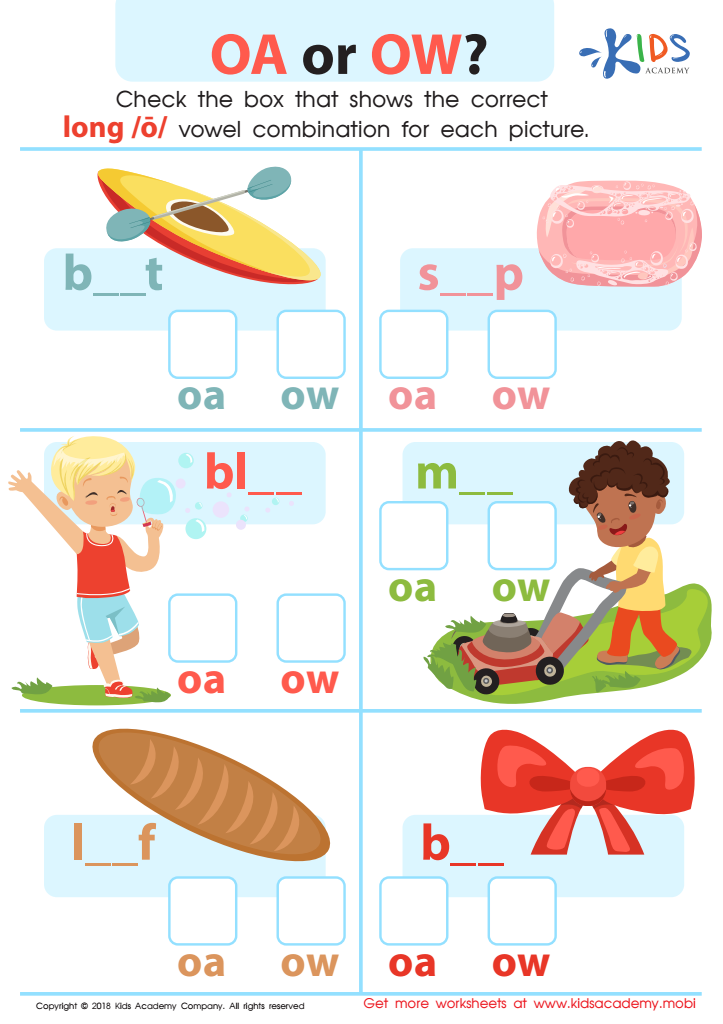
Reading: OA or OW Worksheet
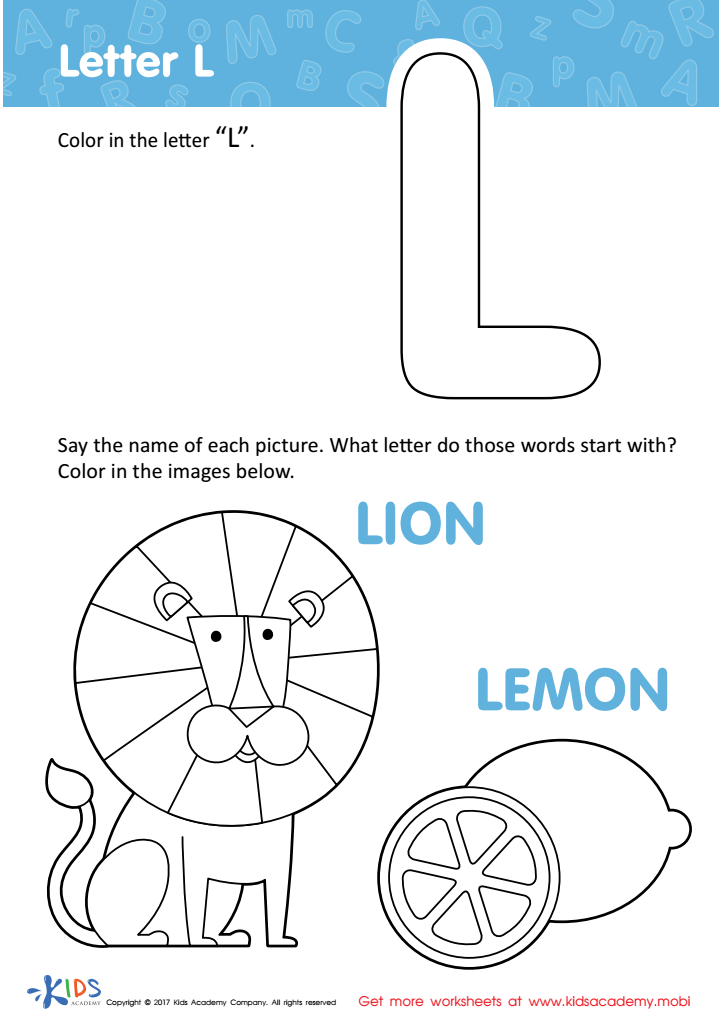
Letter L Coloring Sheet
 Assign to My Students
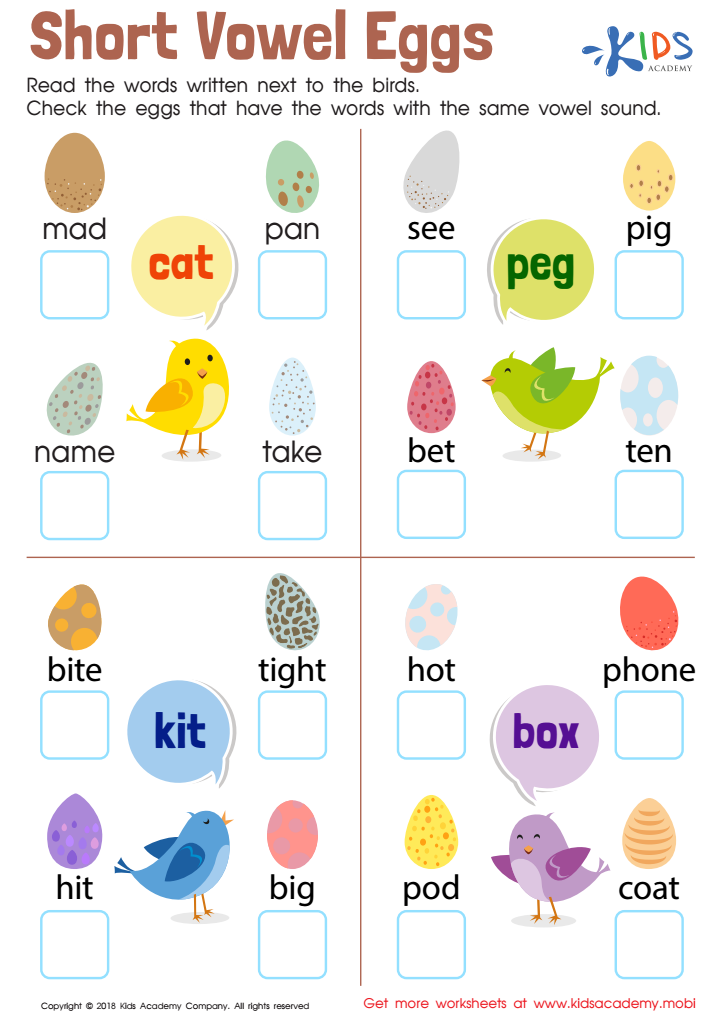
Short Vowel Eggs Worksheet
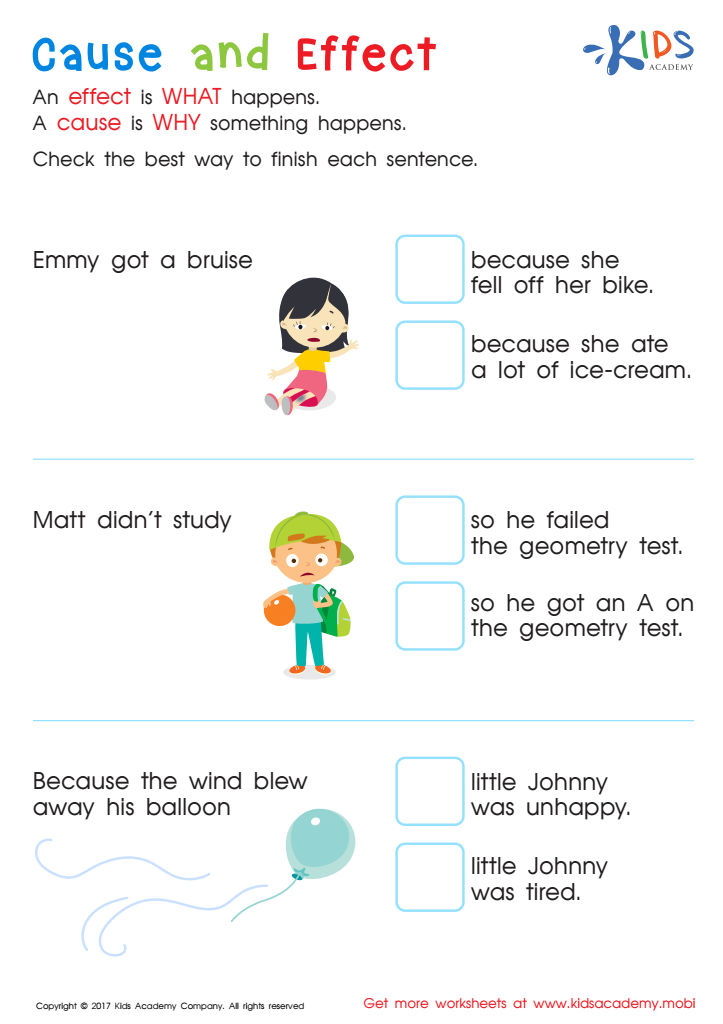
Cause and Effect Worksheet
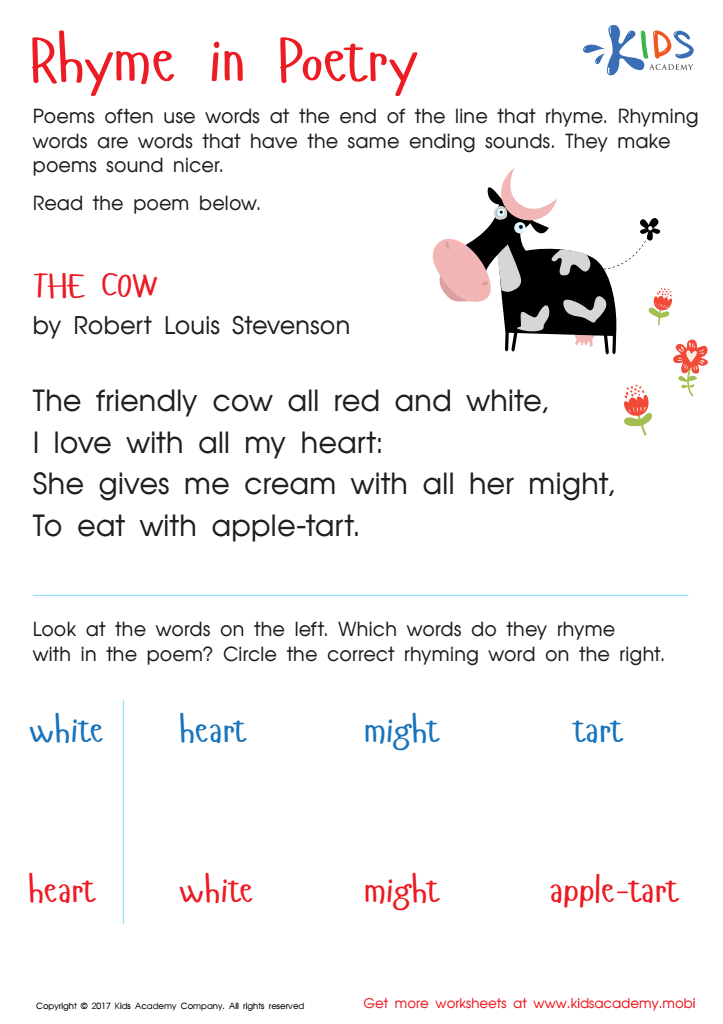
Rhyme In Poetry Worksheet
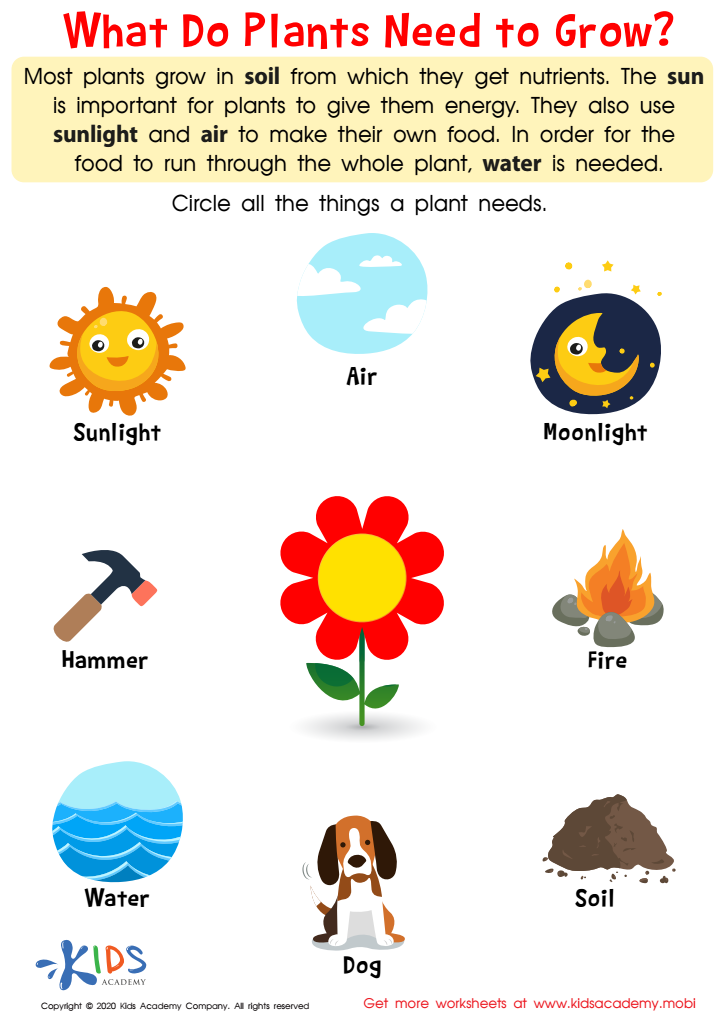
What Do Plants Need to Grow Worksheet
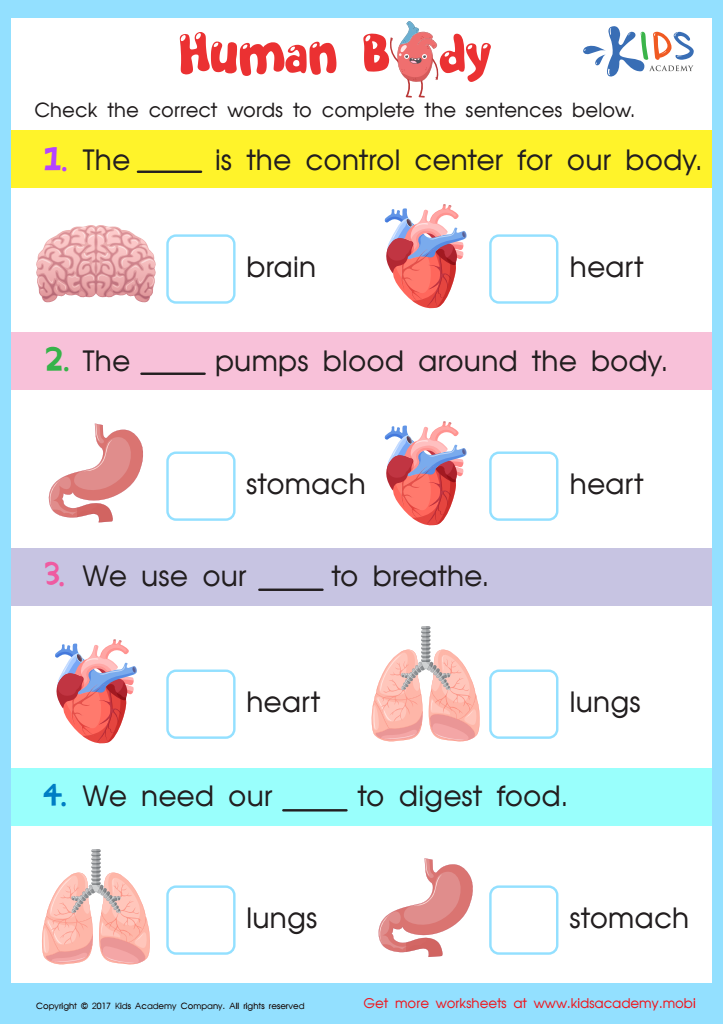
Internal Organs Worksheet
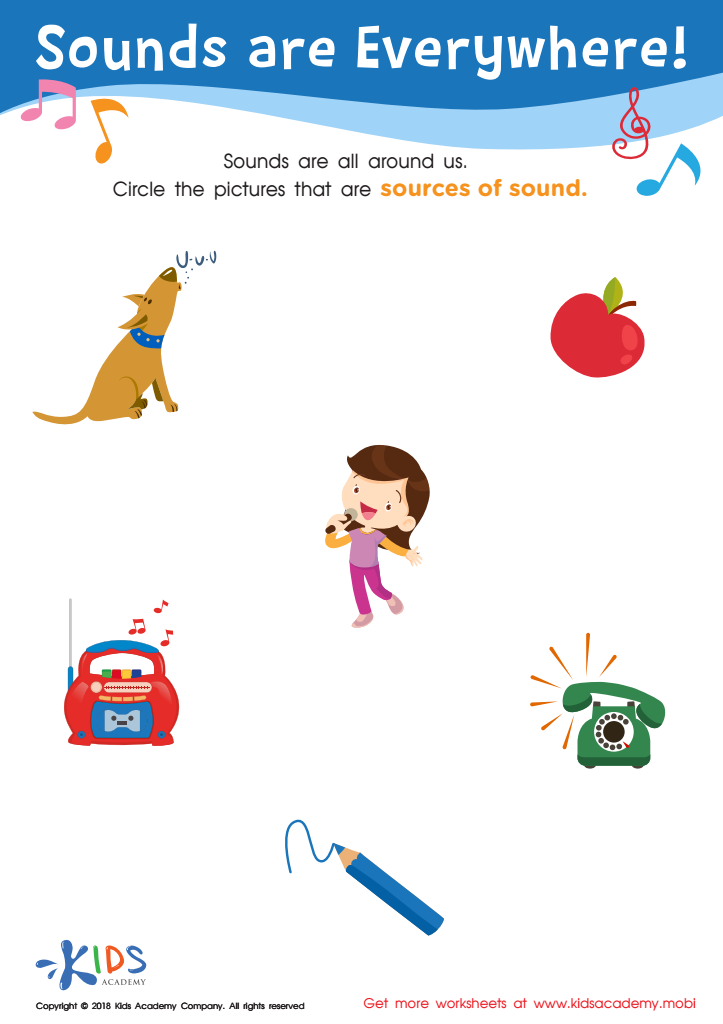
Sounds Are Everywhere! Worksheet
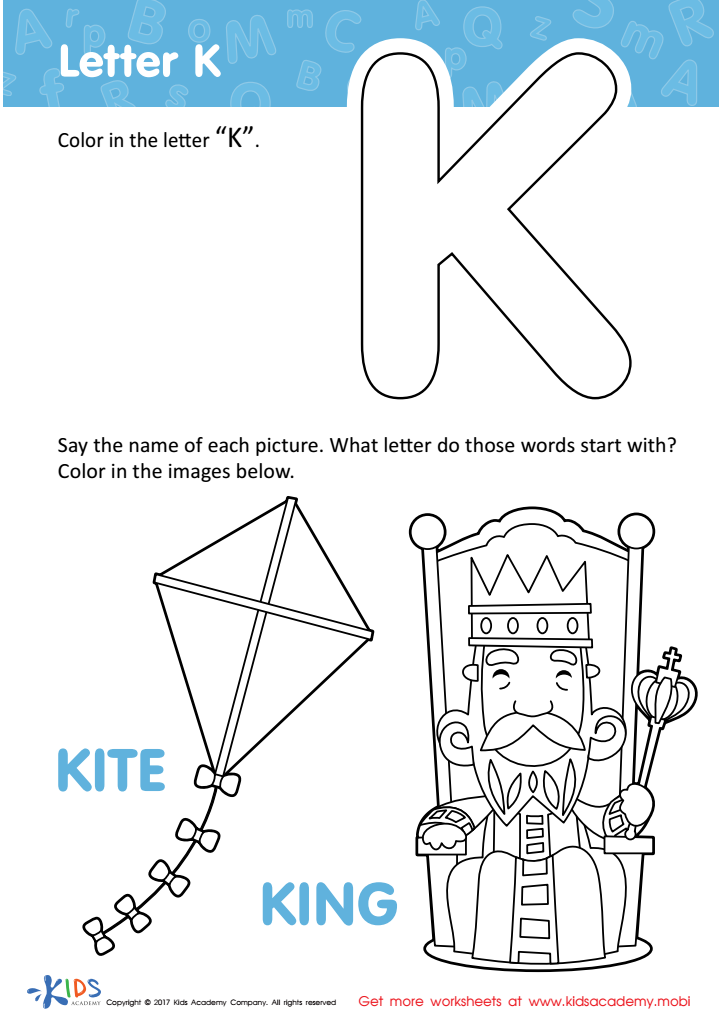
Letter K Coloring Sheet
Assign to My Students
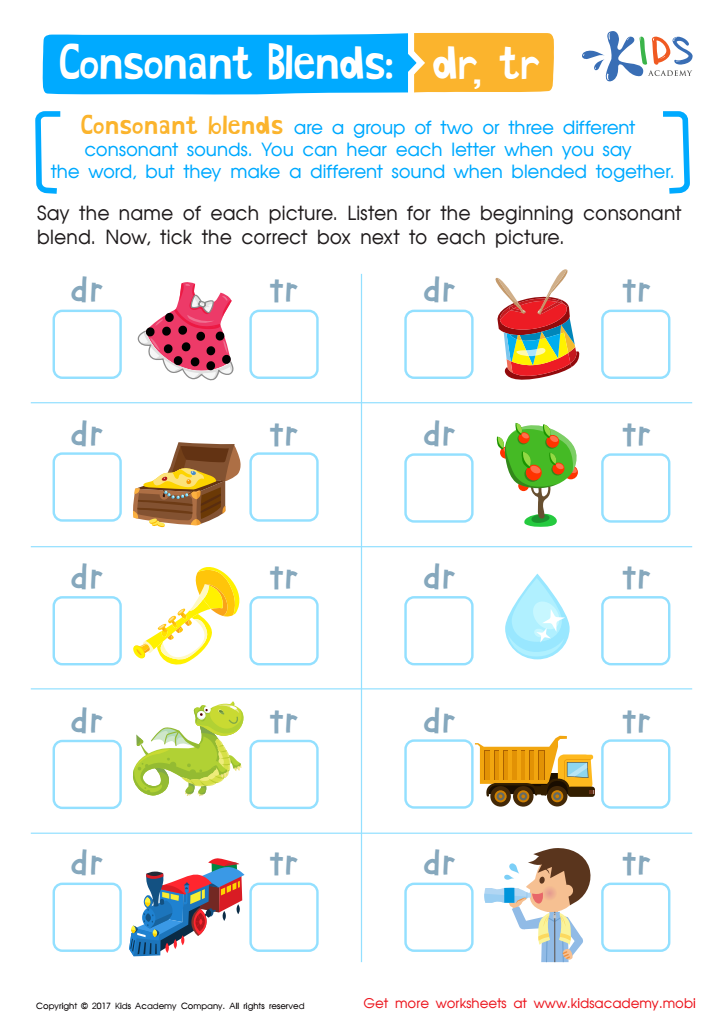
Consonant Blends: "Dr" and "Tr" Printable
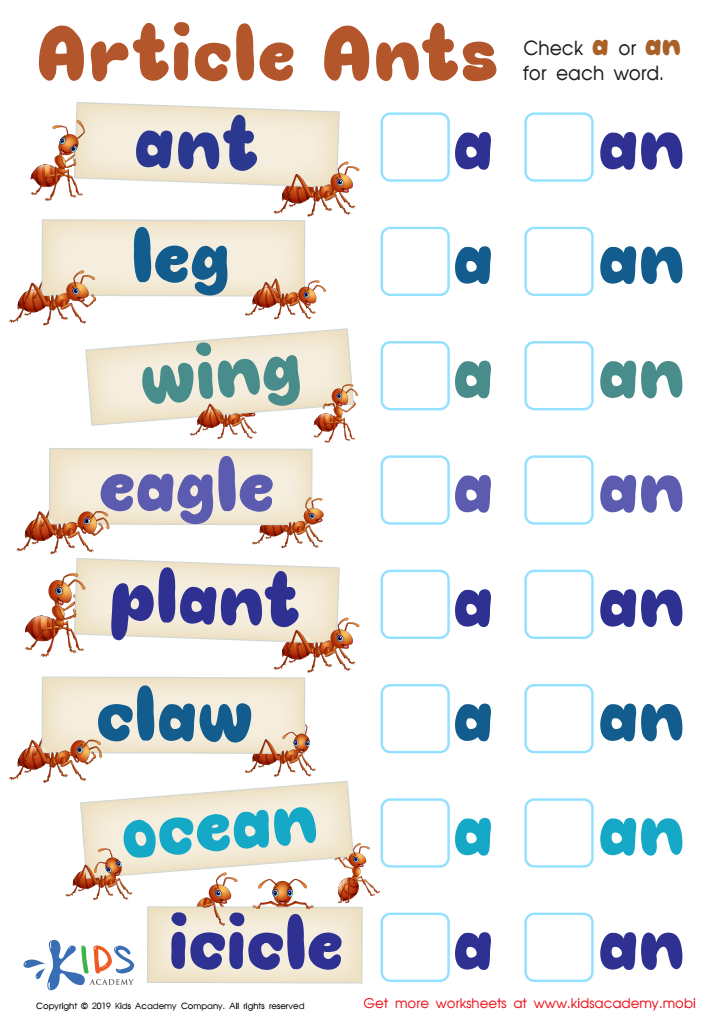
Article Ants Worksheet








Vocabulary enrichment is crucial for children aged 6-8 because it serves as a foundational element for their overall academic success, communication skills, and cognitive development. At this stage, children are transitioning from learning to read to reading to learn; thus, a robust vocabulary enhances their comprehension abilities and academic performance across different subjects.
A rich vocabulary gives children the tools they need to express their thoughts and ideas clearly and effectively, fostering better communication with peers and adults. Additionally, exposure to a wide range of words allows children to engage more deeply in reading activities, expanding their horizon and stimulating their imaginations. This ultimately promotes a love for learning and reading, cultivating lifelong learning habits.
Vocabulary enrichment also boosts critical thinking and problem-solving skills. Children learn to understand context, infer meanings, and make connections between ideas, all of which are vital for intellectual growth. An extensive vocabulary aids emotional development as well by providing children the words to describe their feelings, reducing frustration, and encouraging positive interpersonal relationships.
For teachers and parents, facilitating vocabulary growth involves engaging children in conversations, reading a variety of books aloud, and participating in enriching activities. By prioritizing vocabulary development, adults can help children strengthen their linguistic foundation, setting them up for success now and in the future.








