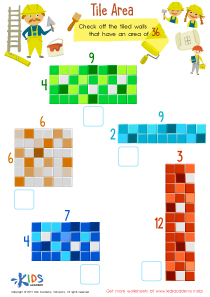
Improving math skills Normal Numbers Worksheets for Ages 6-8
7 filtered results
-
From - To
Boost your child's math prowess with our comprehensive Normal Numbers Worksheets, designed specifically for ages 6-8. These carefully curated worksheets aim to improve essential math skills, ensuring a strong foundation in number recognition, counting, and basic arithmetic. Each worksheet is engaging and easy to understand, making learning math a fun and interactive experience. By incorporating colorful graphics and varied exercises, we cater to different learning styles to keep your child motivated. Empower your child to excel in math with our expertly crafted worksheets, and watch their confidence and proficiency soar. Visit our site for more details.
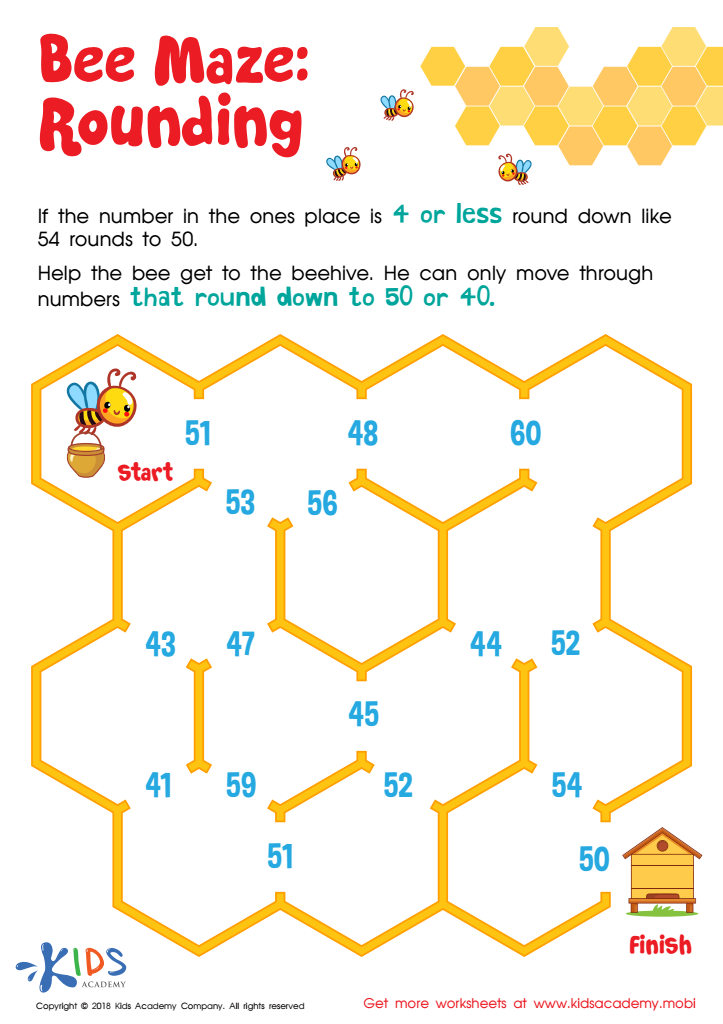
Rounding Down Printable Worksheet
 Assign to My Students
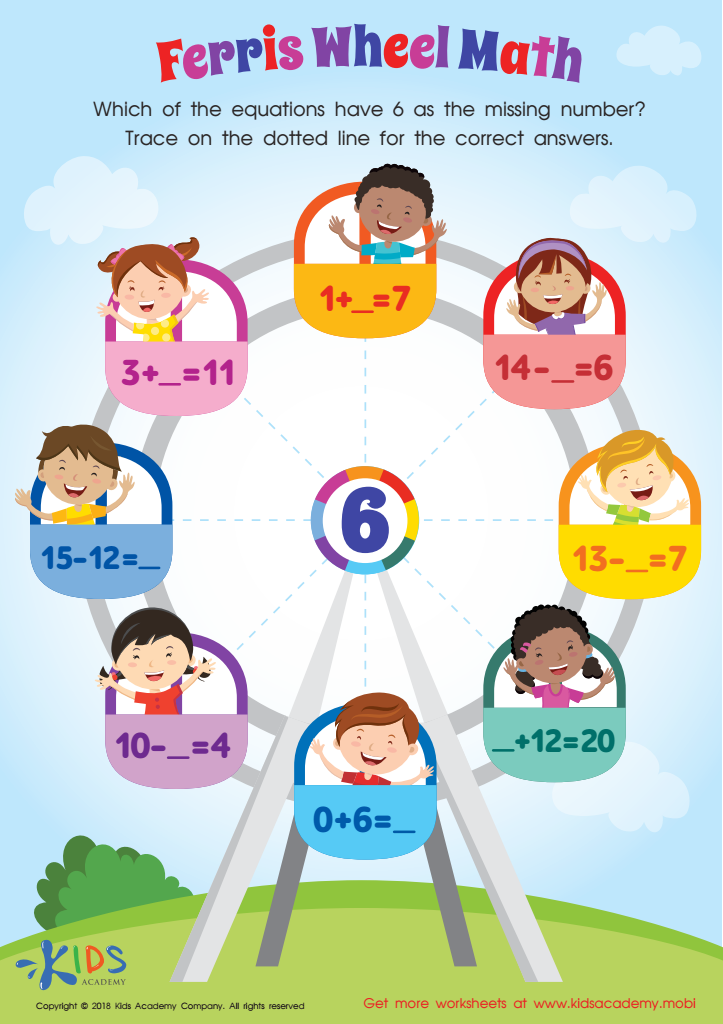
Missing Number: Ferris Wheel Math Worksheet
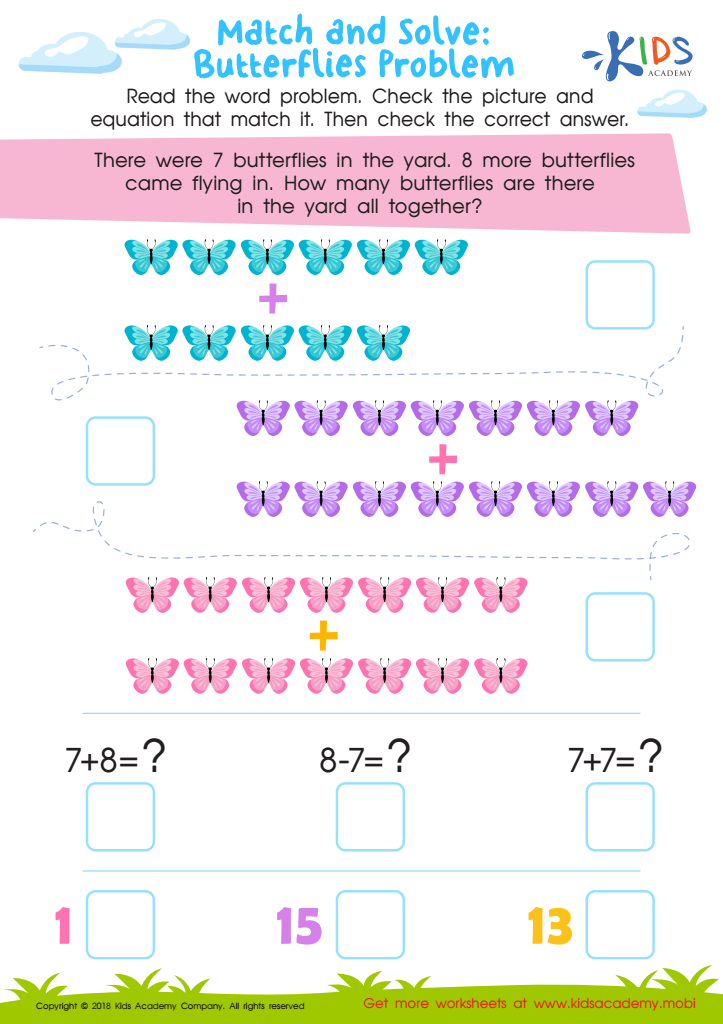
Match and Solve: Butterfly Problem Worksheet
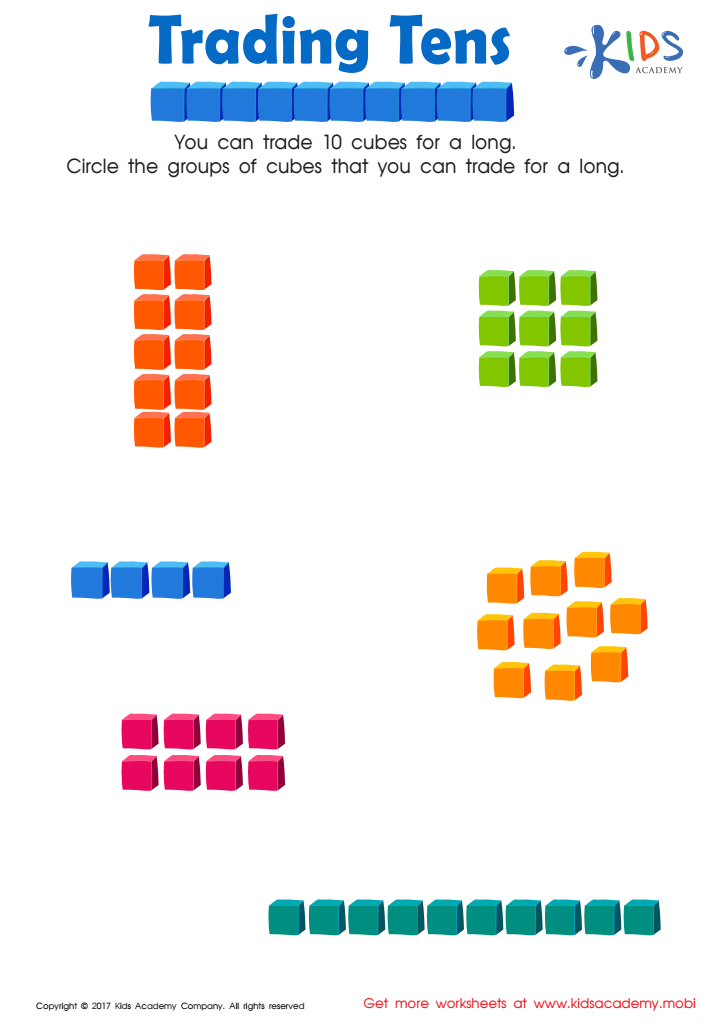
Trading Tens Worksheet
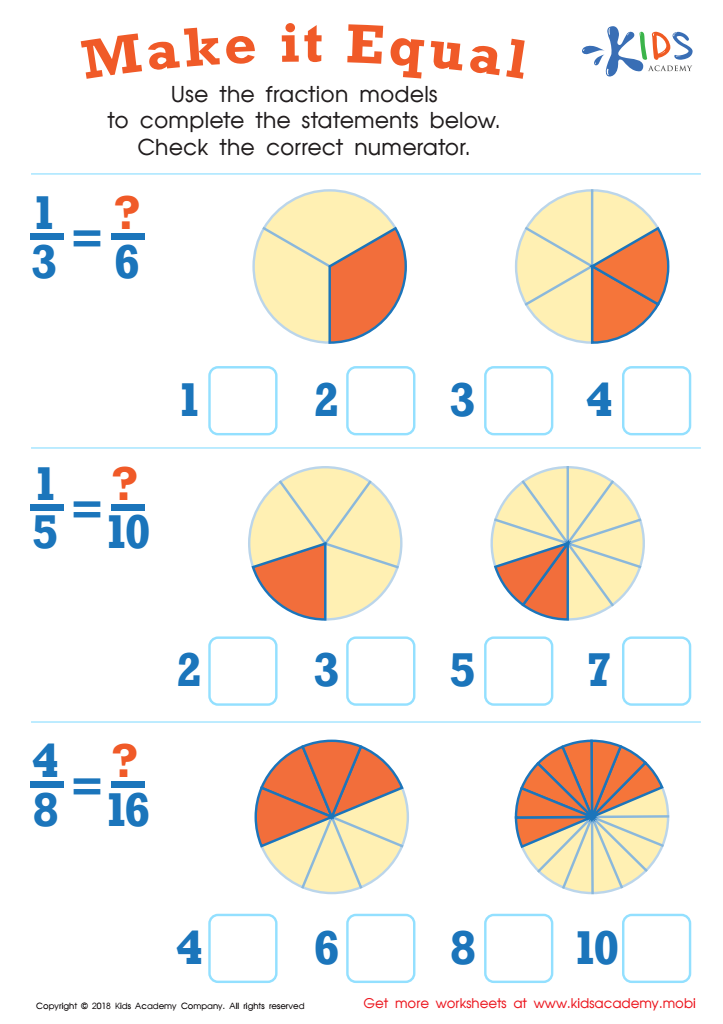
Make It Equal Worksheet
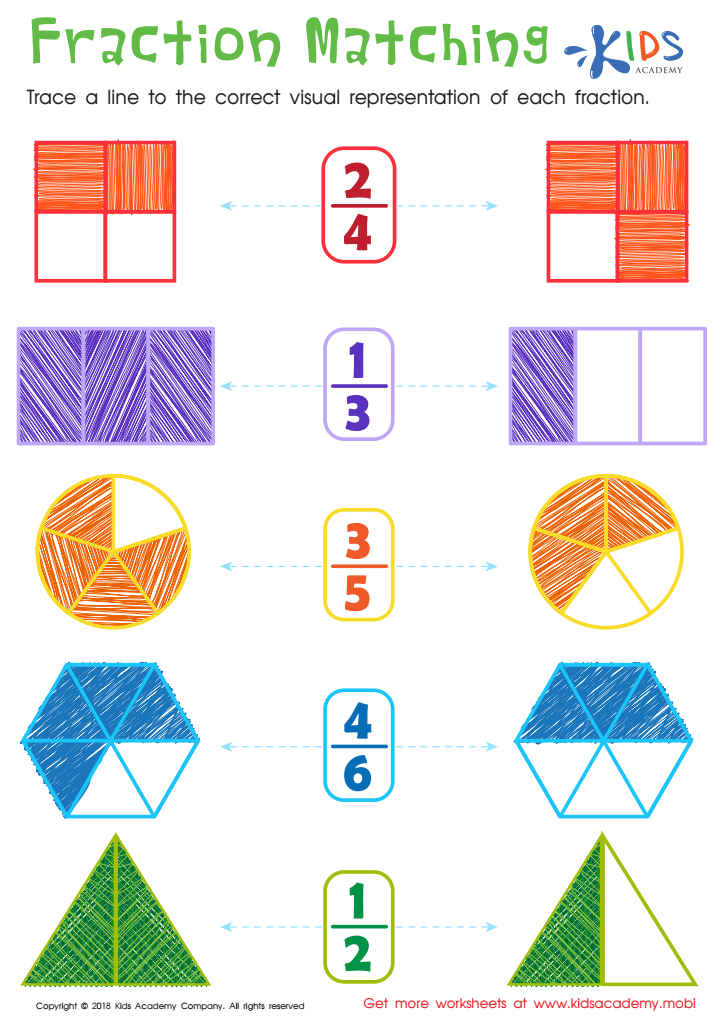
Fraction Matching Worksheet
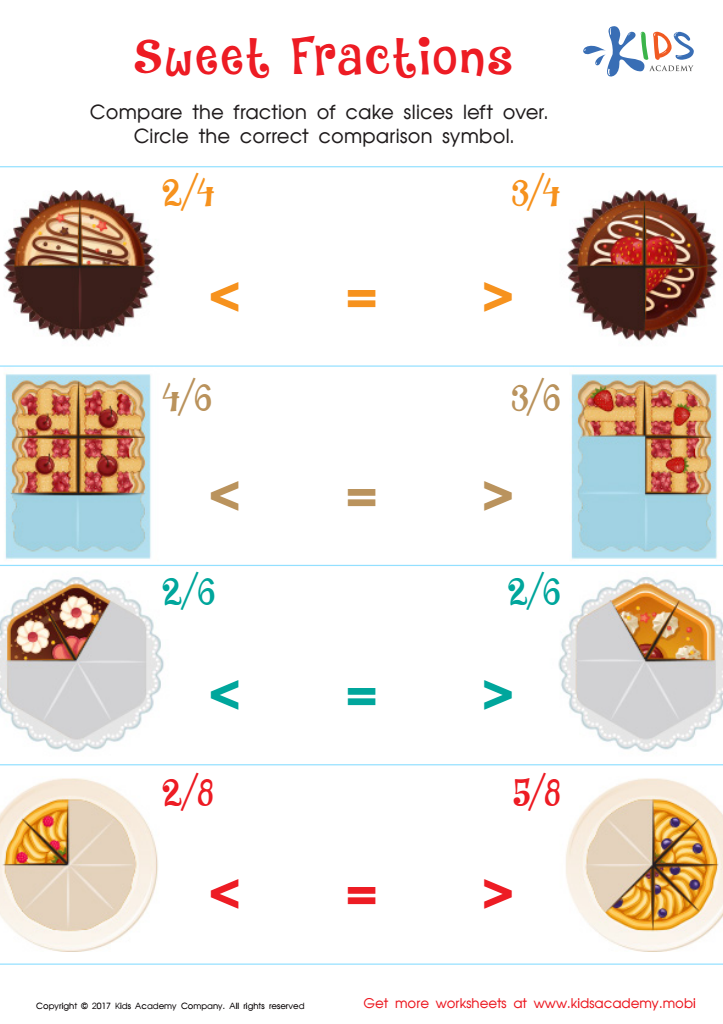
Compare Fractions Worksheet








Improving math skills for children ages 6-8 is crucial for several reasons. At this developmental stage, children are building the foundational knowledge that will support their future academic success and daily life activities. Enhancing math skills not only promotes better problem-solving abilities but also fosters logical thinking and reasoning. This age is critical for developing an interest in math, which can influence children’s attitudes towards the subject in later years.
Parents and teachers play a vital role in providing a strong base for understanding basic math concepts like addition, subtraction, and understanding normal numbers; this foundation is indispensable for more complex mathematical operations encountered in higher grades. Regular practice and engagement with math problems help children to grasp these concepts more effectively, ensuring they remain confident and curious about numbers.
Moreover, strong math skills are relevant beyond the classroom. They enhance a child’s ability to manage daily activities that involve numbers, such as telling time, counting money, and measuring quantities while cooking or playing. Reinforcing these skills early on prepares children for real-world applications, instills a sense of achievement, and builds self-esteem. Consequently, parental engagement and dedicated teaching methods can make a significant difference in a child’s overall cognitive development and lifelong learning trajectory.