Logical Reasoning Normal Numbers Worksheets for Ages 6-8
4 filtered results
-
From - To
Unlock your child's potential with our engaging Logical Reasoning Normal Numbers Worksheets designed specifically for ages 6-8. These interactive worksheets focus on developing critical thinking and problem-solving skills while reinforcing numerical concepts. Each worksheet is carefully crafted to provide a stimulating learning experience, where kids can practice logical reasoning through fun activities and exercises. With colorful visuals and age-appropriate challenges, children will discover harmony in numbers and learn to identify patterns, sequences, and relationships in math. Perfect for classroom use or at-home learning, our worksheets foster cognitive development and make learning an exciting adventure. Dive into a world of logic and numbers today!
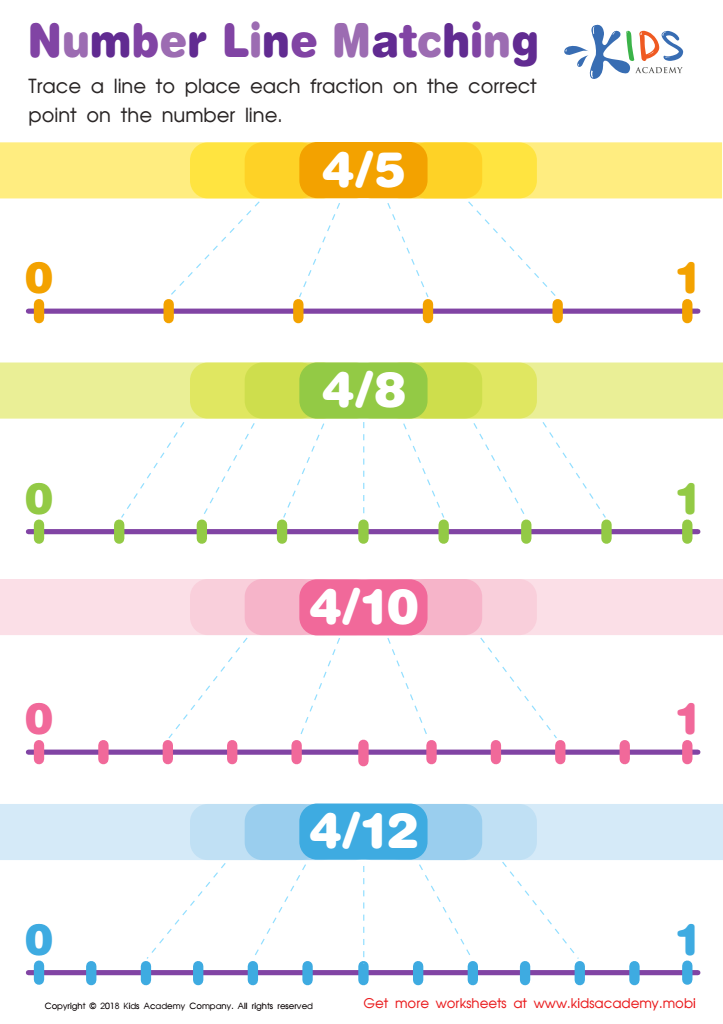
Number Line Matching Worksheet
 Assign to My Students
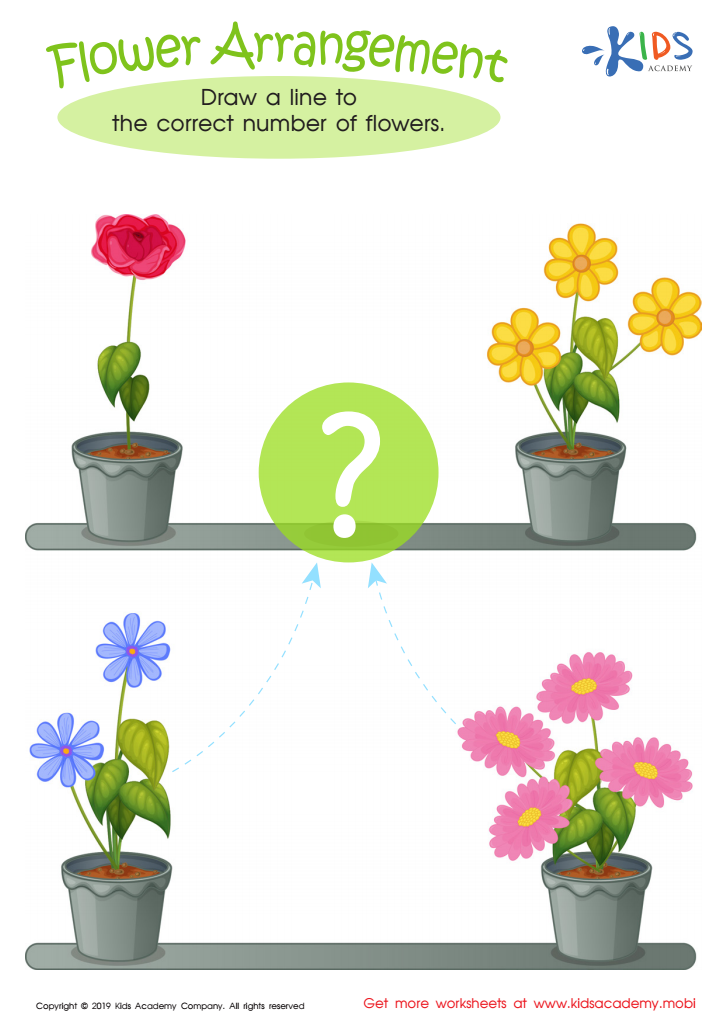
Flower Arrangement Worksheet
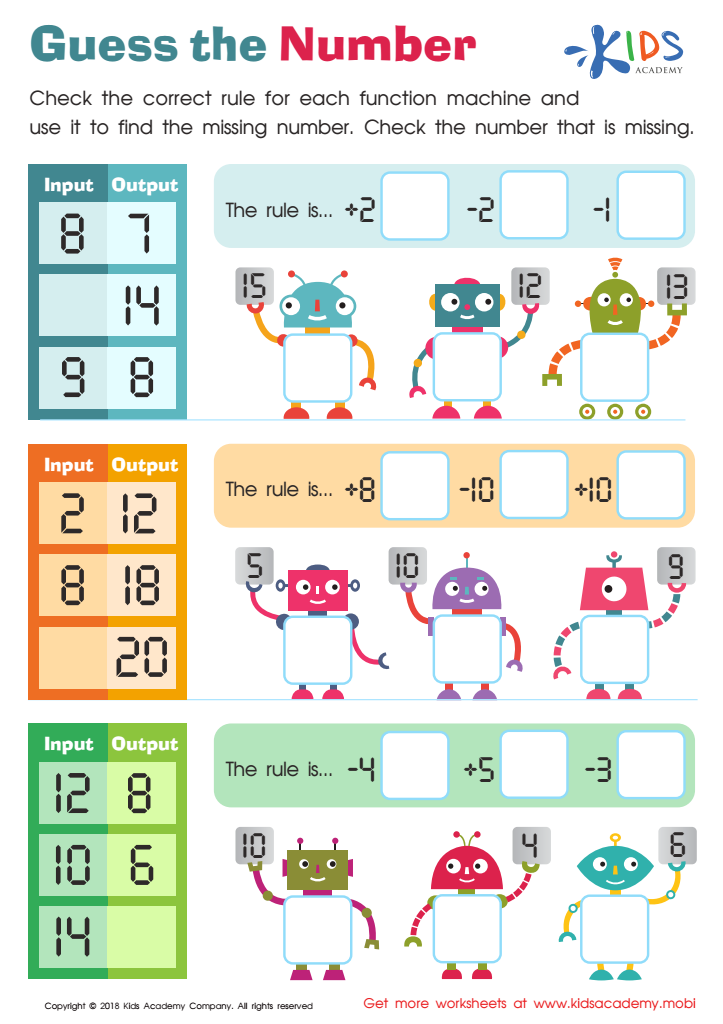
Guess the Number Worksheet
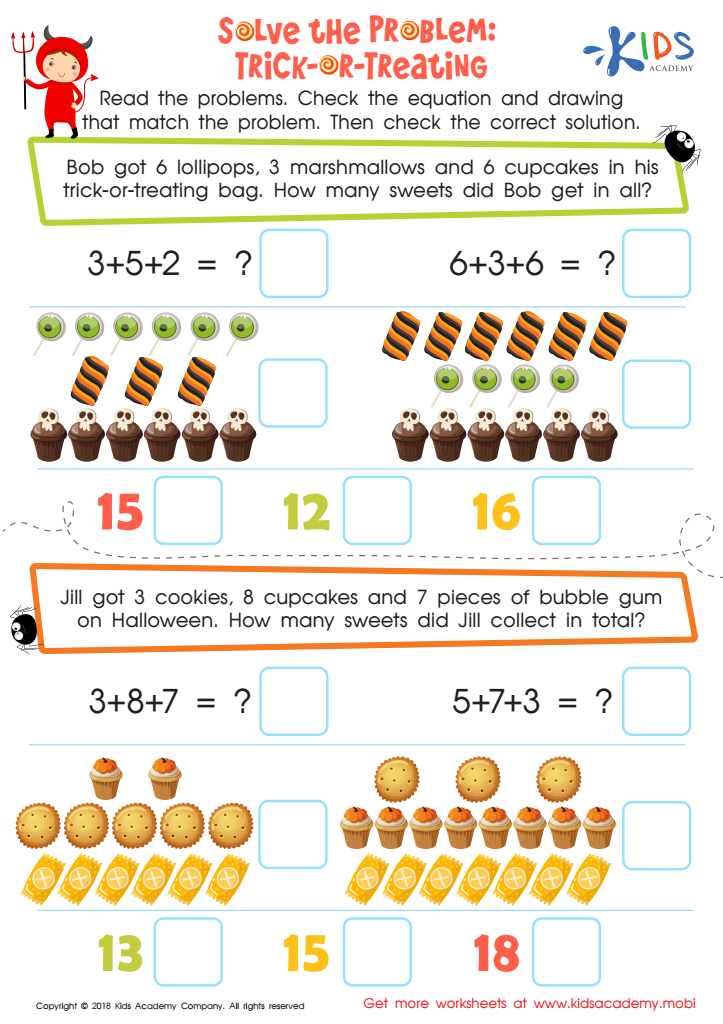
Solve the Problem: Trick–or–treating Worksheet








Logical reasoning and an understanding of normal numbers are pivotal skills for children aged 6 to 8. During this developmental stage, children are not only learning to read and write but also beginning to grasp foundational mathematical concepts. By focusing on logical reasoning, parents and teachers promote critical thinking skills that enable students to analyze, interpret, and apply information effectively.
Normal numbers, which refer to numbers in standard format, help children make connections between abstract concepts and real-world applications. Educators can leverage this knowledge to enhance students' problem-solving abilities, enabling them to tackle real-life situations with confidence. Moreover, early exposure to logical reasoning lays the groundwork for subjects like mathematics, science, and analytical literacy, which are increasingly important in a world that demands strong reasoning skills.
Parents' involvement in teaching these skills encourages a culture of learning at home, reinforcing classroom lessons. This collaborative effort motivates children to take an active interest in their education, fostering a positive attitude toward learning. Cultivating logical reasoning and a strong grasp of numbers in young children not only prepares them for academic success but also develops lifelong skills that will benefit them in various aspects of life.








