Developing logical thinking Normal Math Worksheets for Ages 6-8
3 filtered results
-
From - To
Developing logical thinking at an early age is crucial for problem-solving and analytical skills. Our Normal Math Worksheets for Ages 6-8 are designed to challenge young minds and foster critical thinking. Featuring engaging activities such as patterns, sequences, sorting, and categorization, these worksheets help children enhance their logical reasoning in a fun and interactive way. Whether in the classroom or at home, Kids Academy provides the perfect resources to support your child's intellectual growth, ensuring they build a strong foundation in math. Explore our carefully curated worksheets to give your child the head start they deserve!
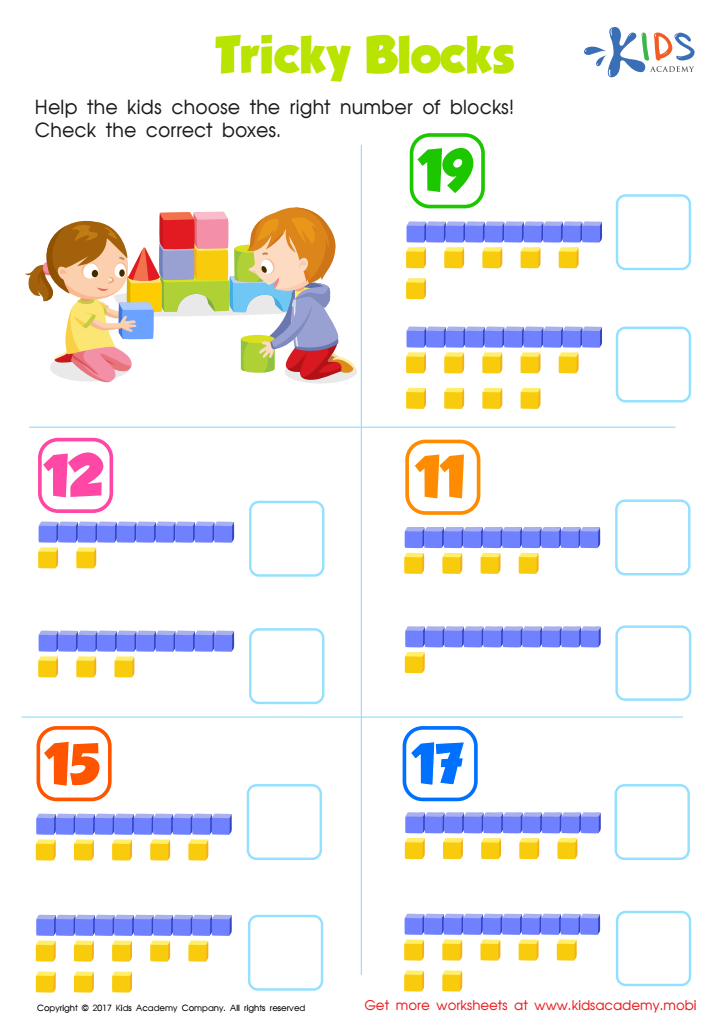
Tricky Blocks Worksheet
 Assign to My Students
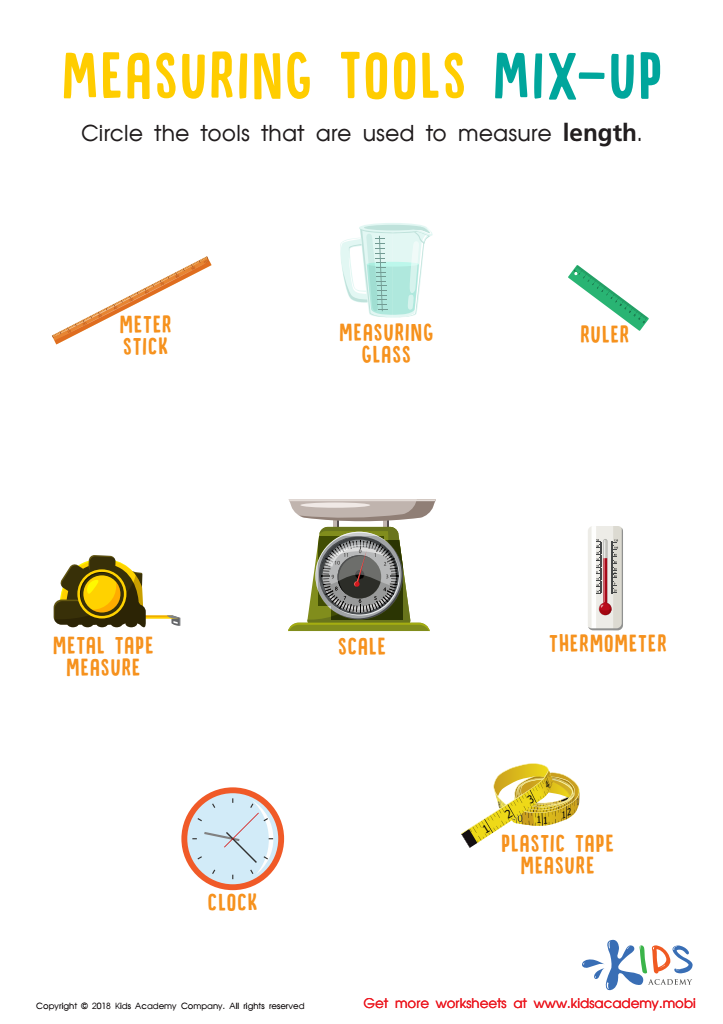
Measuring Tools Mix–up Worksheet
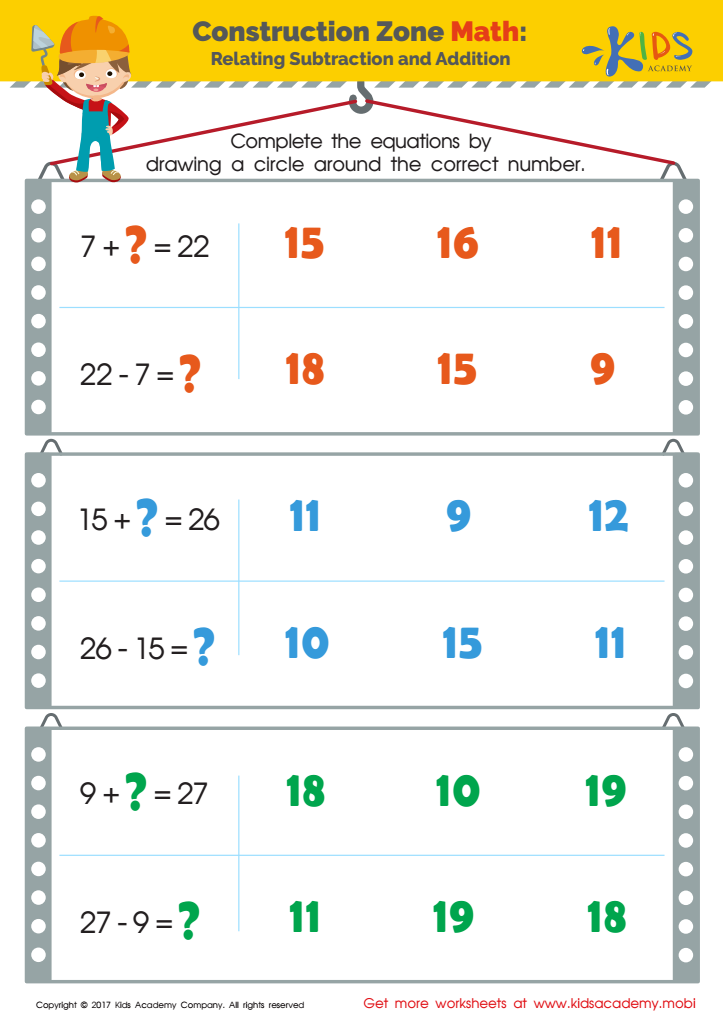
Related Addition and Subtraction Facts Worksheet






.jpg)

Developing logical thinking through normal math for ages 6-8 is crucial for a child's overall cognitive growth. At this formative stage, children's brains are highly plastic, making it an optimal time to introduce foundational concepts that will shape their future learning abilities.
Logical thinking in math isn't just about numbers and equations; it involves understanding patterns, sequences, and relationships. For example, solving a basic addition problem requires recognizing that numbers can be combined in a structured way to reach a solution. This enhances problem-solving skills and helps children learn to approach questions methodically.
Incorporating logical reasoning into math helps children make sense of the world around them. They begin to notice daily patterns and dependences, such as cooking recipes or time schedules, which increases their practical understanding and critical thinking.
Moreover, fostering a child’s problem-solving mentality early builds confidence. When they succeed in solving a math challenge, they learn persistence and resilience. These skills extend beyond the classroom, aiding in everything from social interactions to future academic pursuits.
Finally, logical thinking supports other academic areas. For instance, reading comprehension improves as children begin to understand story structures and causality.
In essence, early logical thinking development in math equips children with life-long learning tools, making it vital for both parents and teachers to nurture these skills during these formative years.








