Handwriting Skills Normal Math Worksheets for Ages 6-8
3 filtered results
-
From - To
Enhance your child's handwriting skills with our specially designed math worksheets for ages 6-8! These engaging printable worksheets combine essential math concepts with fun handwriting practice. Suitable for young learners, our resources support skill development while keeping learning enjoyable. Each worksheet fosters fine motor skills through writing numbers, solving math problems, and following instructions. Children will gain confidence in their writing abilities and improve their understanding of basic math concepts, setting the foundation for future academic success. Explore our collection and watch your child thrive in a supportive learning environment. Perfect for at-home practice or classroom use!
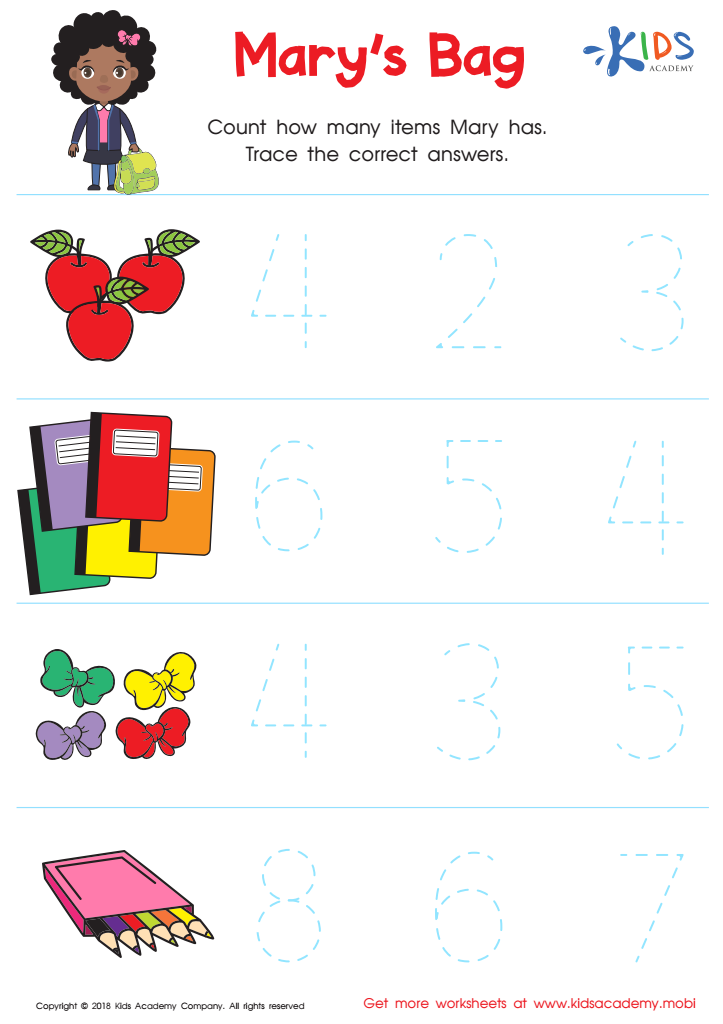
Kindergarten Number Tracing: Mary's Bag Worksheet
 Assign to My Students
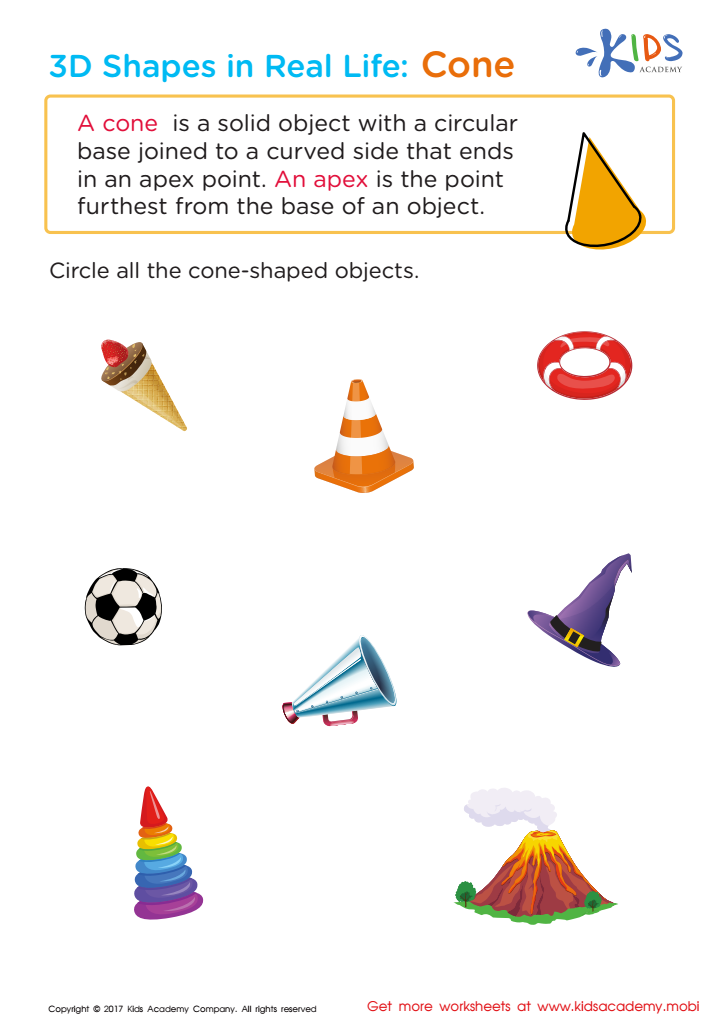
Shapes in Real Life: Cone Worksheet
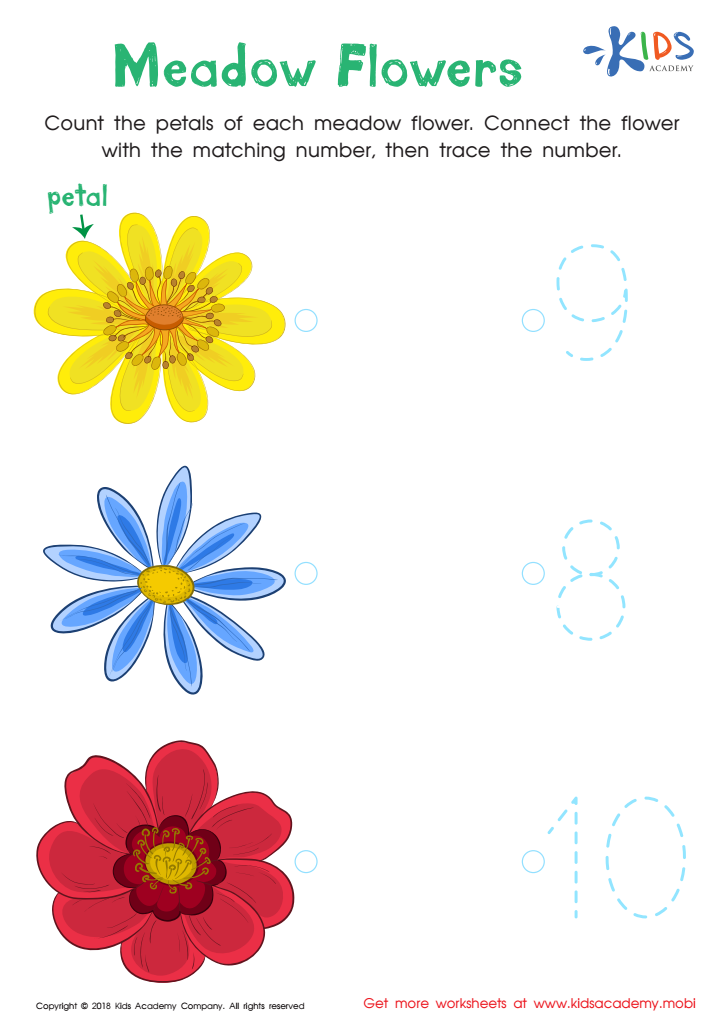
Kindergarten Number Tracing: Medow Flowers Worksheet








Handwriting skills are crucial for children aged 6-8, as these foundational abilities impact their overall academic performance and self-confidence. At this stage, students are developing not only their writing style but also their fine motor skills, which are essential for various everyday tasks. Proficient handwriting enables children to communicate their thoughts clearly, ensuring that their ideas are understood by teachers and peers alike.
Moreover, handwriting proficiency enhances learning in subjects like math. Written calculations, number formations, and problem-solving often require neatness and clarity, which can facilitate better comprehension and reduce mistakes. When children can confidently express these mathematical concepts on paper, they are more likely to engage meaningfully in their learning process.
Additionally, focusing on handwriting helps build discipline and attention to detail, which are skills that benefit children throughout their lives. By nurturing these skills in young learners, parents and teachers foster an environment where children feel secure in their writing abilities, paving the way for a positive attitude towards education. Consequently, developing handwriting in tandem with math can lead to greater academic success and joy in learning. Thus, supporting handwriting mastery is an investment in a child’s long-term educational trajectory.








