Matching skills Normal Math Worksheets for Ages 6-8
7 filtered results
-
From - To
Discover fun and engaging Matching Skills Normal Math Worksheets tailored for children ages 6-8. These worksheets are designed to enhance young learners’ recognition and comprehension abilities through interactive matching activities. Children will enjoy pairing numbers, shapes, and objects, helping them solidify foundational math concepts while developing critical thinking skills. Perfect for reinforcing classroom learning or for use at home, our worksheets come in a variety of themes and difficulty levels to cater to every child’s needs. Download and print our high-quality resources today to support your child’s journey toward math mastery and make learning a delightful experience!
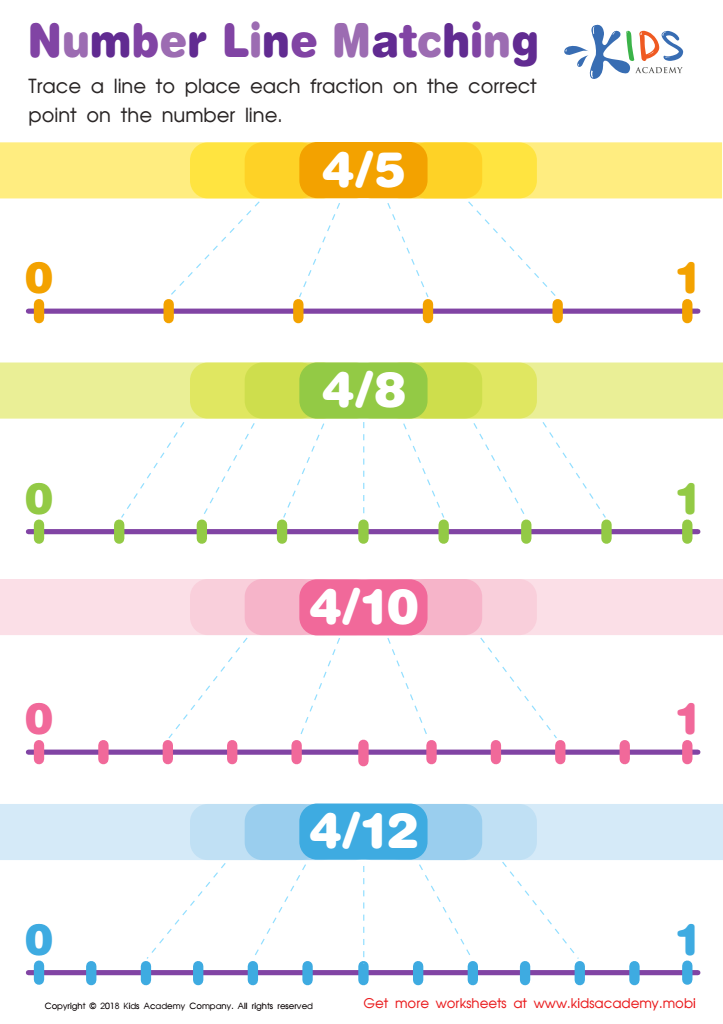
Number Line Matching Worksheet
 Assign to My Students
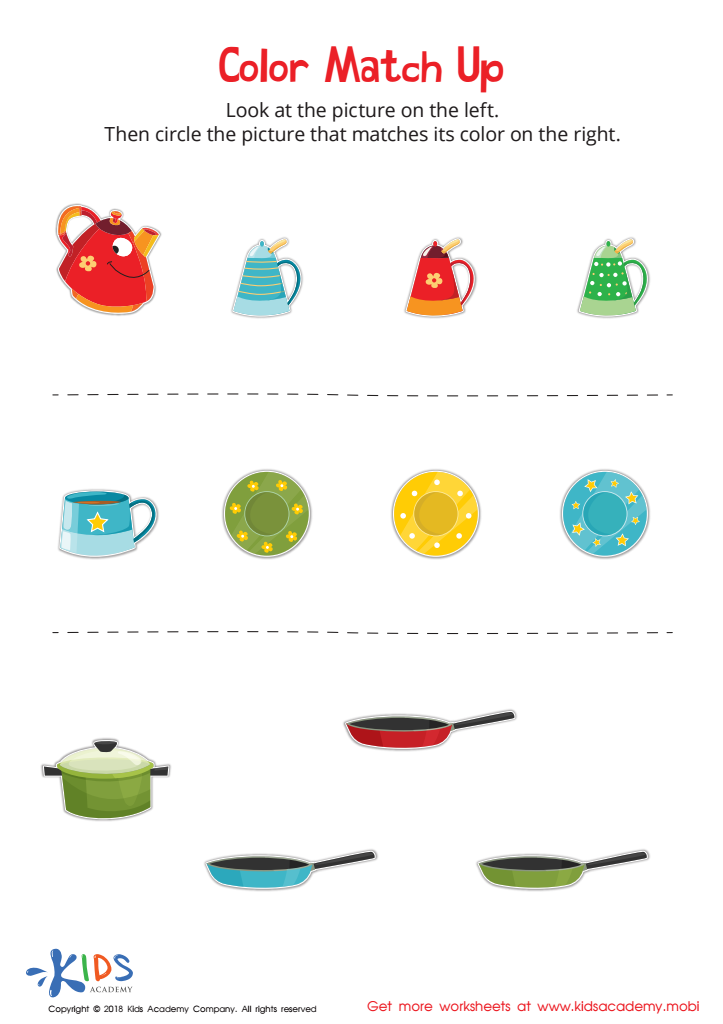
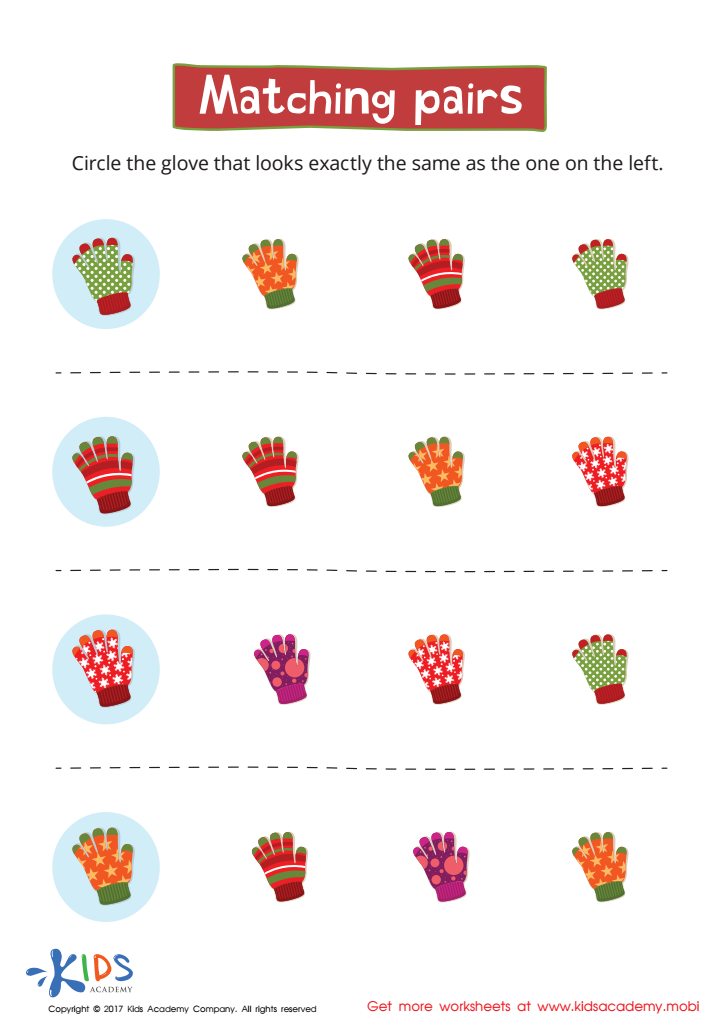
Matching: Matching Pairs Worksheet
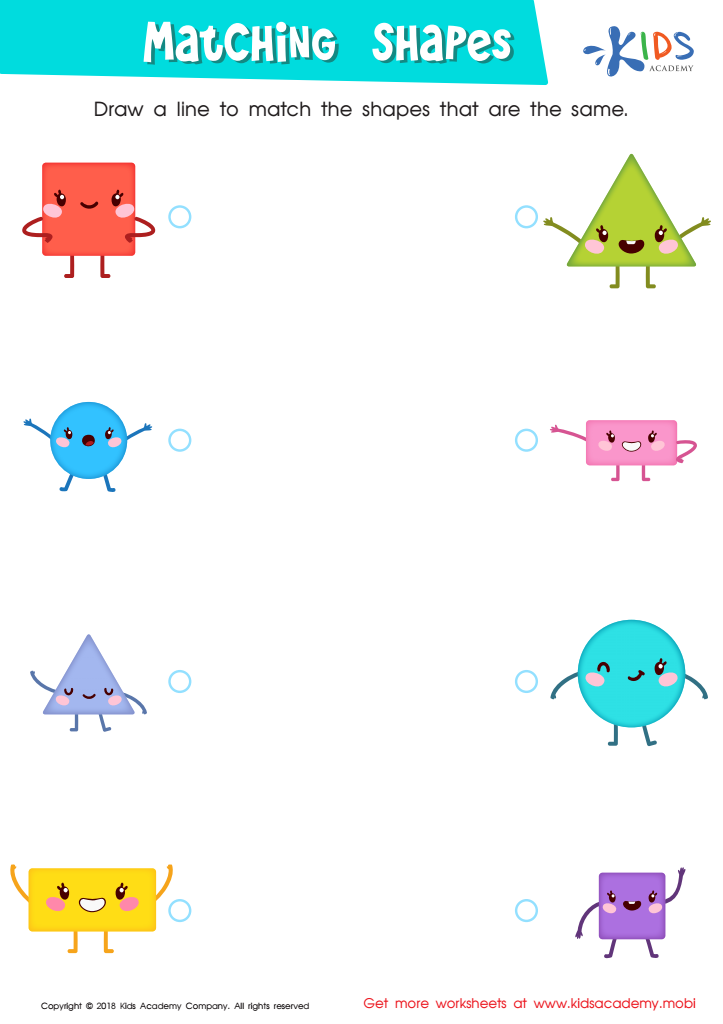
Matching Shapes Worksheet
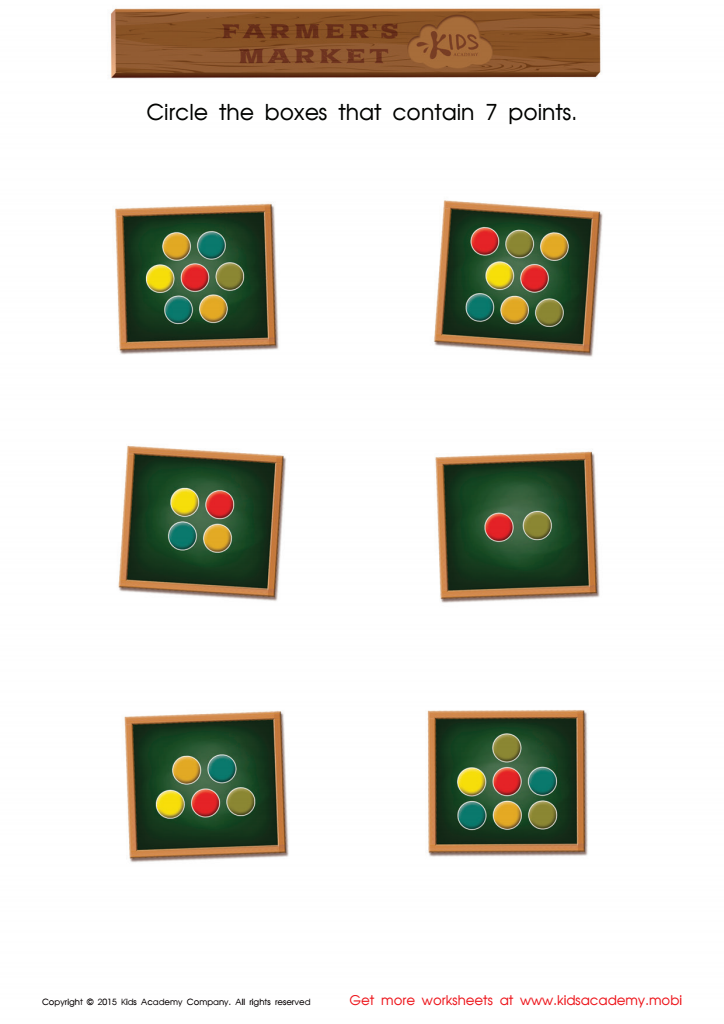
Count and Match Points 7 Math Worksheet
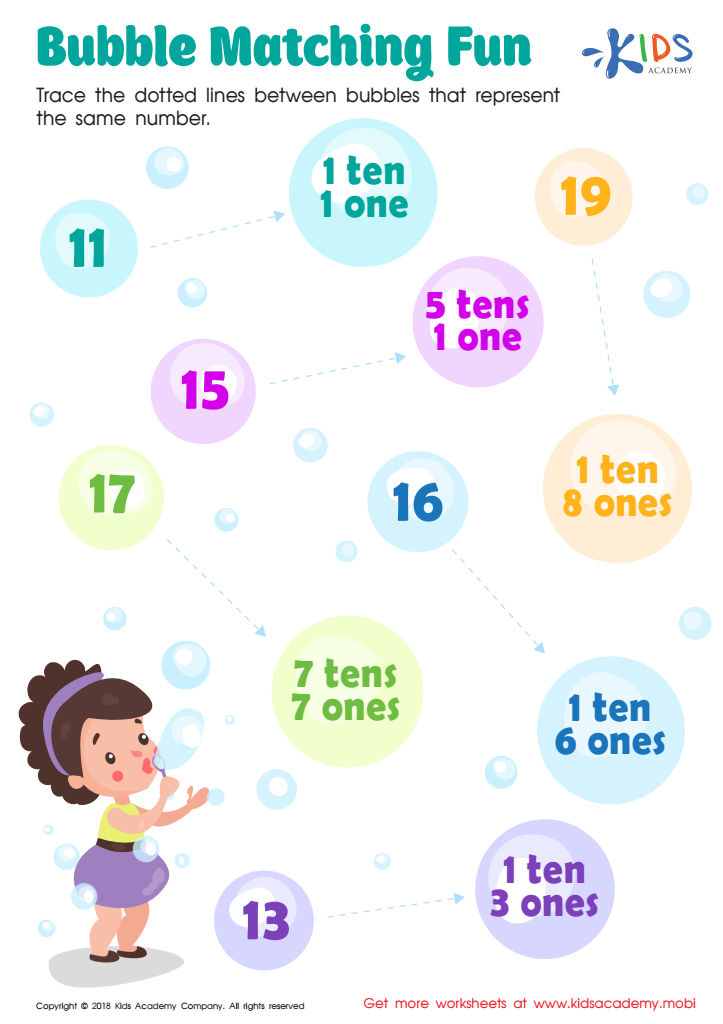
Bubble Matching Fun Worksheet
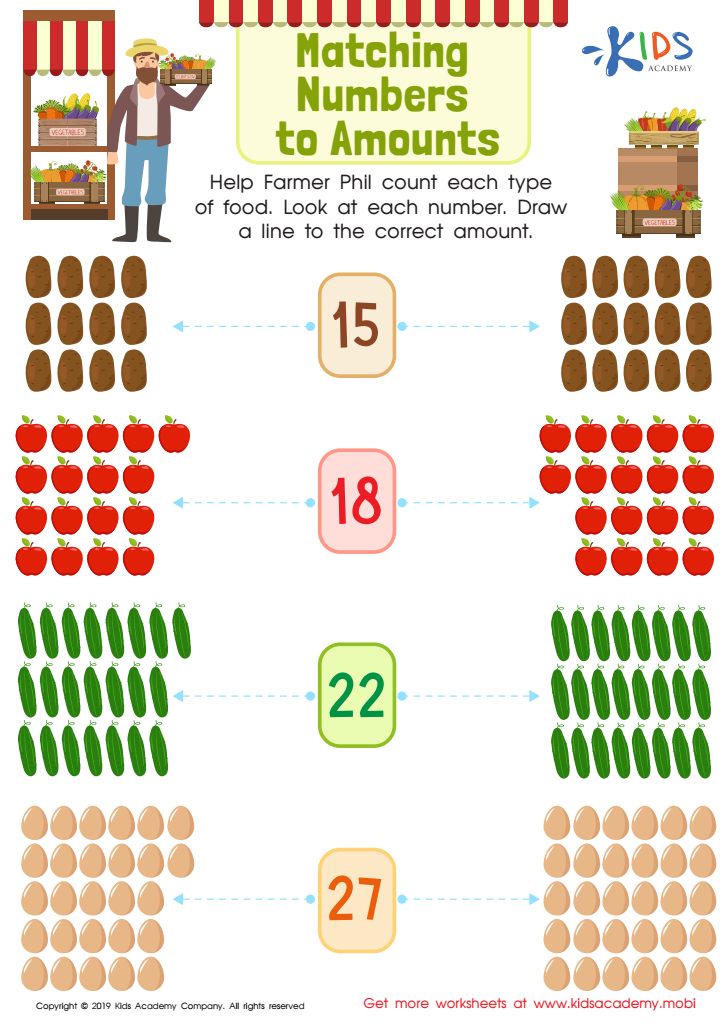
Matching Numbers to Amounts Worksheet







Parents and teachers should prioritize Matching Skills in Normal Math for children aged 6-8 as it forms the foundational blocks of mathematical understanding. At this age, children are naturally curious and ready to learn essential concepts that will support their future educational journeys. Matching skills encourage children to identify similarities and patterns, which are critical components of early mathematical thinking.
Engaging in matching activities helps to develop core cognitive abilities, enhancing problem-solving and critical thinking skills. This foundational knowledge prepares young learners to tackle more complex mathematical concepts, such as addition, subtraction, and even basic geometry, as they progress in school. Furthermore, mastering matching skills can foster a sense of achievement and boost children's confidence, motivating them to explore math further.
This skill also promotes social and cooperative learning when done in group activities, allowing children to share knowledge and support one another. Parents and teachers can easily integrate matching exercises into everyday routines, making learning seamless and enjoyable. By emphasizing matching skills in math, caregivers can create a richer learning environment that takes advantage of children's developmental stages, ensuring they are well-equipped for future academic success. Ultimately, prioritizing these skills nurtures a lifelong love for math and learning.








