Recognizing number patterns Normal Math Worksheets for Ages 6-8
4 filtered results
-
From - To
Explore our engaging "Recognizing Number Patterns" math worksheets designed for children aged 6-8. These interactive resources help young learners identify and understand number sequences through fun activities. By recognizing patterns, children enhance their critical thinking and problem-solving skills, laying a strong foundation for future math concepts. Our carefully crafted worksheets include colorful illustrations and varying levels of difficulty, ensuring that every child can learn at their own pace. Perfect for classroom or home use, these worksheets make learning enjoyable and cater to diverse learning styles. Start your child's journey to mathematical confidence with our "Recognizing Number Patterns" worksheets today!
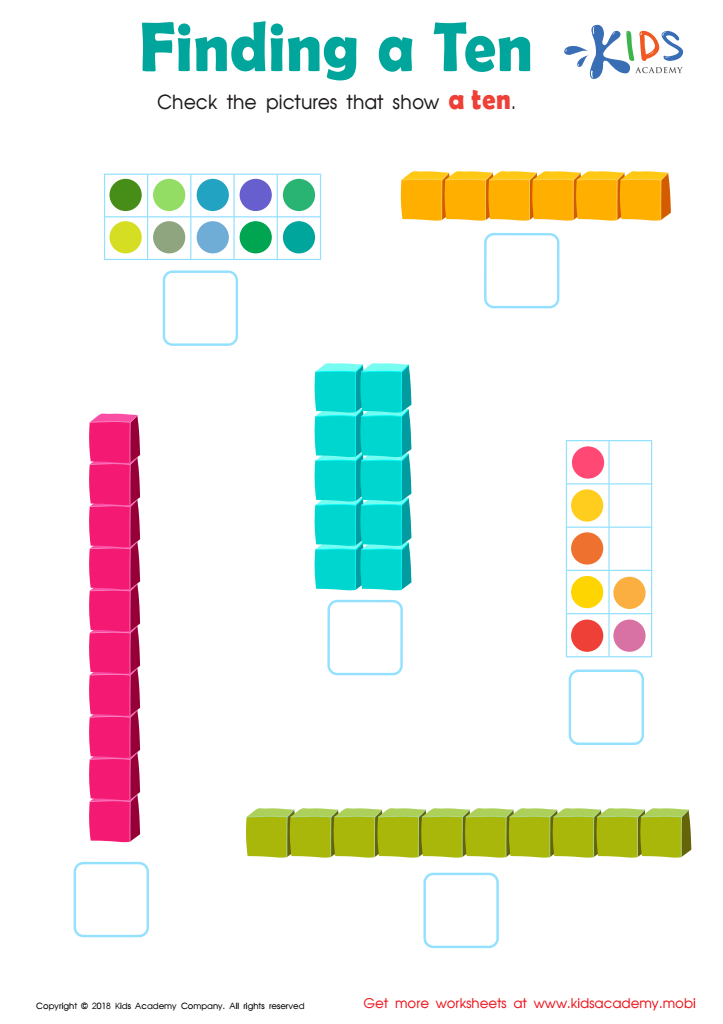
Finding a Ten Worksheet
 Assign to My Students
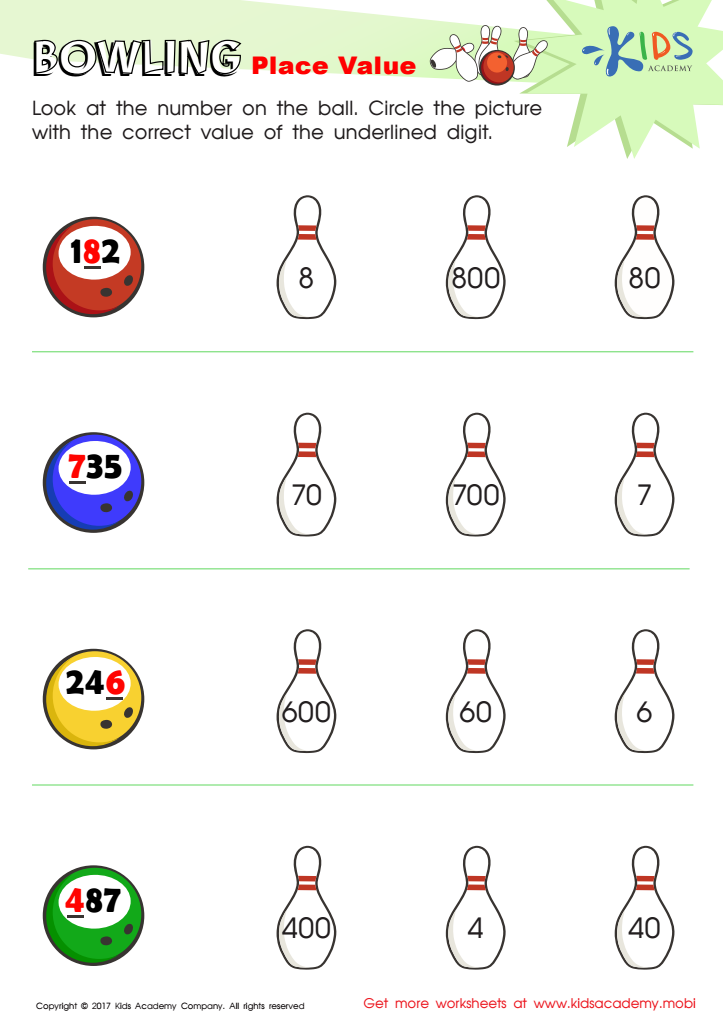
Place Value Worksheet
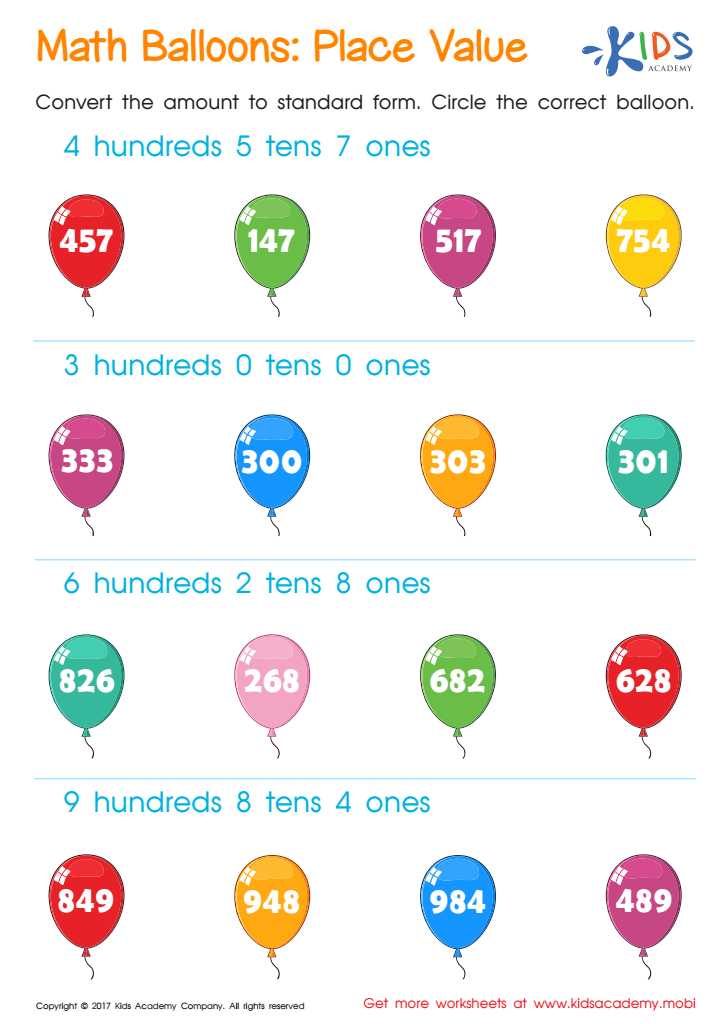
Place Value Printable Worksheet
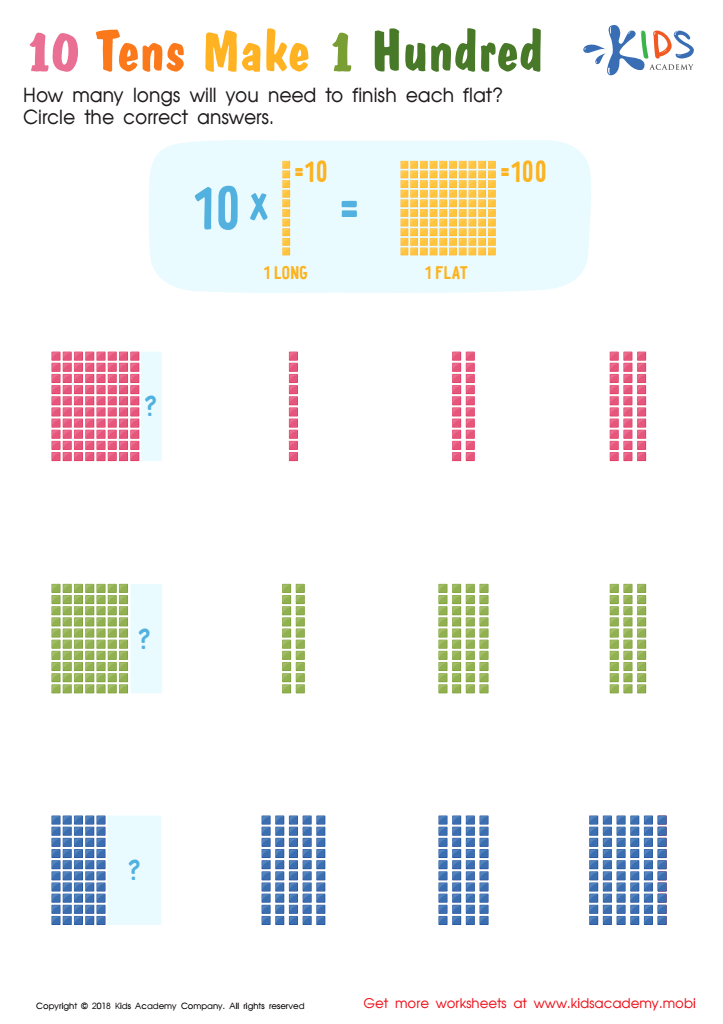
10 Tens Make 1 Hundred Worksheet








Recognizing number patterns is a crucial skill for children aged 6-8, as it forms the foundational basis for advanced mathematical concepts. Parents and teachers should care about this aspect of learning because it not only enhances children's number sense but also boosts their problem-solving abilities and critical thinking skills.
When children learn to recognize patterns, they develop the ability to predict outcomes and understand relationships between numbers. This knowledge is essential for deeper mathematical topics like algebra, geometry, and even statistics later in their education. Furthermore, recognizing patterns cultivates an appreciation for mathematics as an orderly and logical subject, making it less intimidating and more accessible.
Engaging students in pattern recognition can foster collaboration, as they often work together to identify and explain patterns. This social aspect supports their emotional development and encourages communication skills. For parents, understanding the importance of patterns allows them to support their children through meaningful activities at home, reinforcing classroom learning and creating a collaborative learning environment.
Ultimately, fostering skills in recognizing number patterns not only prepares children for future academic success but also builds their confidence in navigating a world rich in numerical information. This foundational skill is vital for lifelong learning and development.








