Understanding number relationships Normal Math Worksheets for Ages 6-8
3 filtered results
-
From - To
Unlock your child's mathematical potential with our "Understanding Number Relationships Normal Math Worksheets for Ages 6-8." Designed to build a strong foundation, these engaging worksheets help children recognize patterns, compare numbers, and develop essential math skills through fun, interactive exercises. Ideal for young learners, our resources promote critical thinking and problem-solving abilities, making math both enjoyable and educational. Perfect for classroom activities or at-home practice, each sheet is crafted to nurture a love for numbers. Join Kids Academy and watch your child’s confidence and competence in math soar!
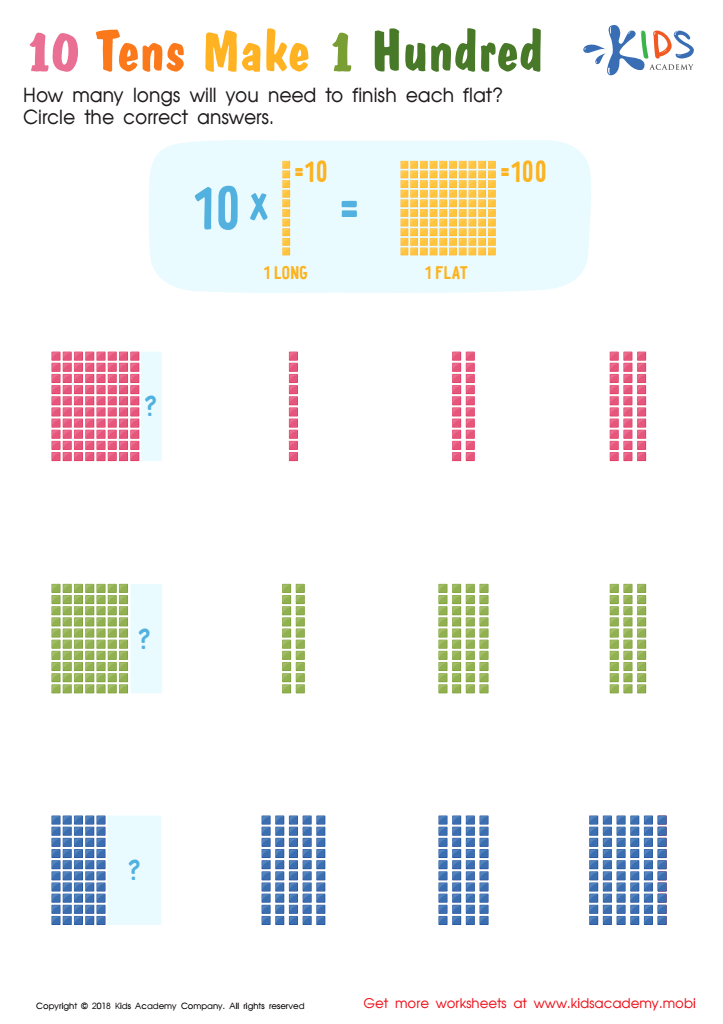
10 Tens Make 1 Hundred Worksheet
 Assign to My Students
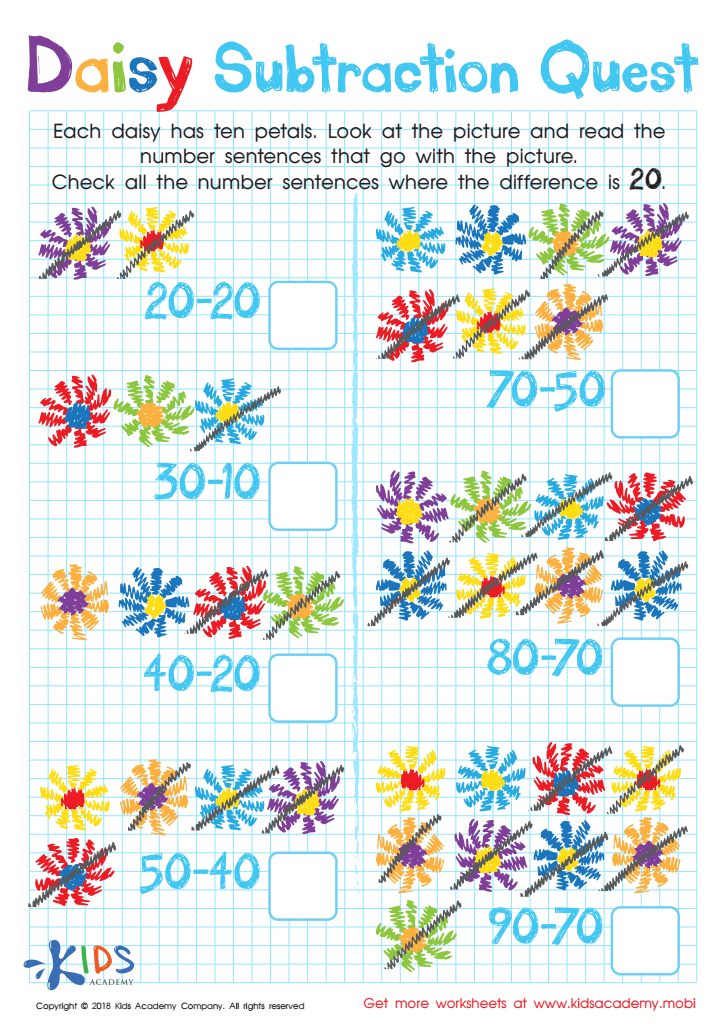
Daisy Subtraction Quest Worksheet
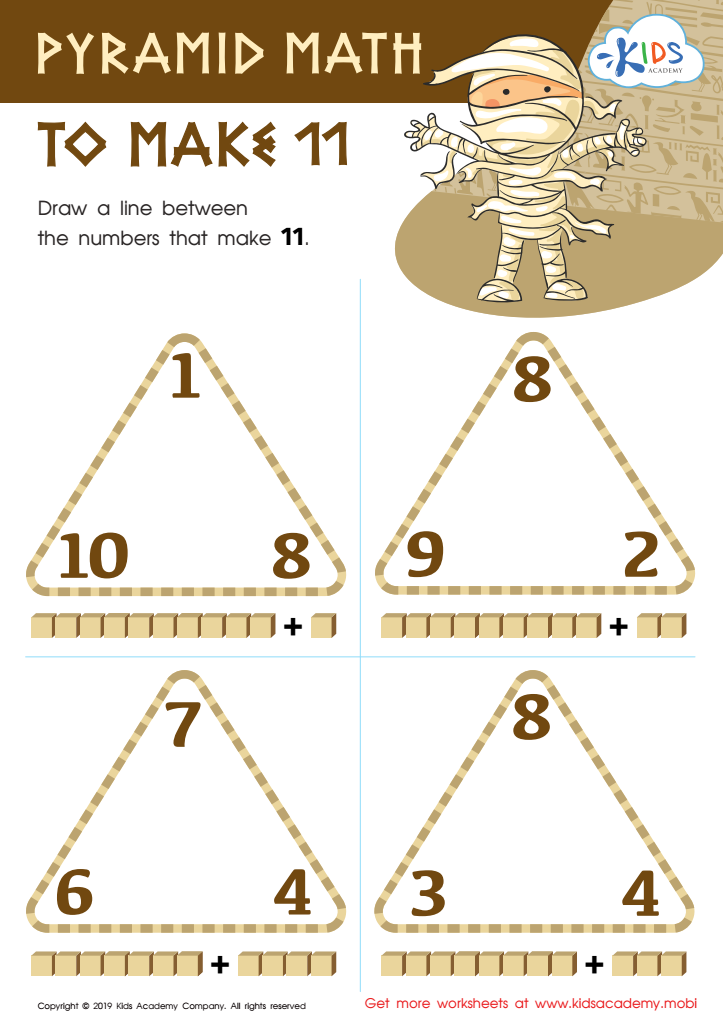
Pyramid Math to Make 11 Worksheet





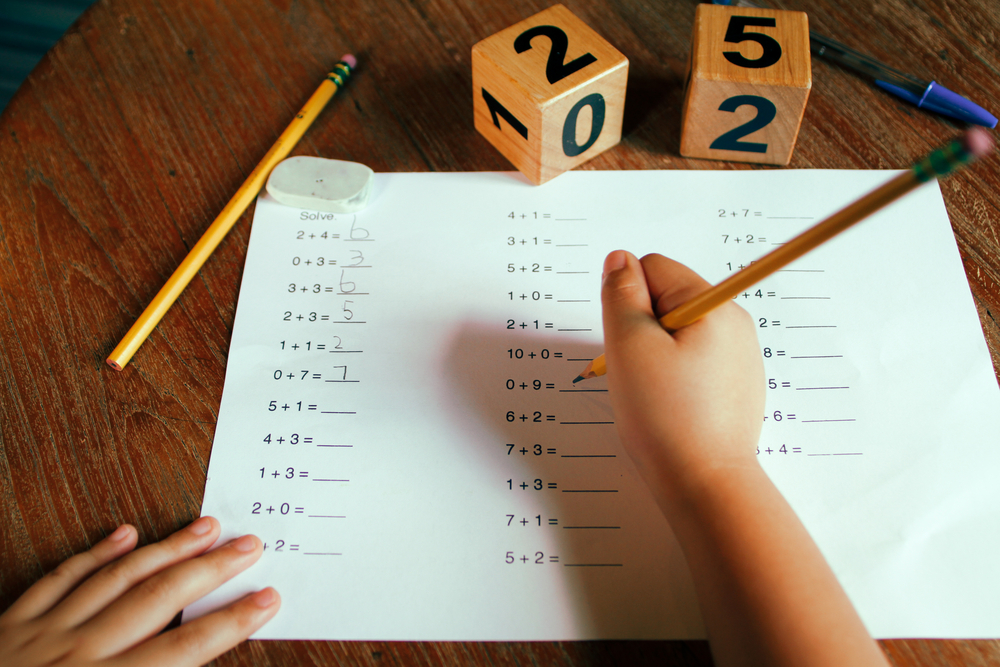

Understanding number relationships is fundamental for children ages 6-8 because it lays the groundwork for almost all future mathematical learning. This stage is crucial as children transition from intuitive grasps of quantity and magnitude to more formal and abstract mathematical concepts. Parents and teachers should prioritize guiding students through this learning curve for several key reasons.
First, a strong foundation in number relationships enhances students' abilities in basic arithmetic operations like addition, subtraction, multiplication, and division. Grasping how numbers interact with each other simplifies concepts of place value and helps children make sense of more complex numerical problems later.
Second, developing this understanding stimulates logical thinking and problem-solving skills. When children comprehend, for example, that 8 is 2 more than 6 or half of 16, they naturally develop strategies for mental math which is faster and often more efficient than relying solely on counting or manipulatives.
Third, positive early experiences with math can build confidence and reduce math anxiety. Consistent success in understanding and applying number relationships makes math enjoyable and approachable, fostering a growth mindset.
Finally, mastering number relationships is essential for real-world applications, from basic tasks like measuring ingredients for a recipe to more complex financial planning. Teaching children these concepts in their formative years equips them with crucial life skills and a strong academic foundation.








