Understanding symmetry Normal Math Worksheets for Ages 6-8
3 filtered results
-
From - To
Discover the joy of learning symmetry with our engaging Normal Math Worksheets designed for children aged 6-8! These resources offer a fun and interactive way for young learners to understand the concept of symmetry through captivating exercises involving drawing, coloring, and identifying symmetrical shapes. Ideal for reinforcing mathematical skills, each worksheet encourages critical thinking and creativity while providing clear illustrations and easy-to-follow instructions. Filly, designed to foster a great love for math, these worksheets can be used in classrooms or at home. Unlock your child's potential in geometry today with our thoughtfully crafted symmetry worksheets!
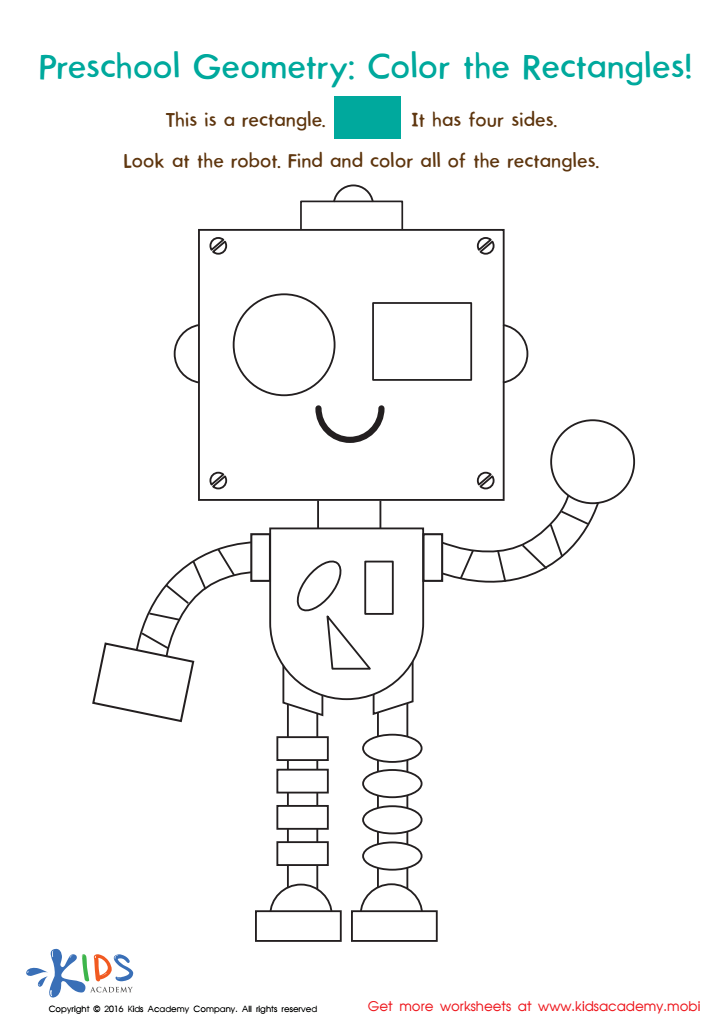
Geometry Worksheet
 Assign to My Students
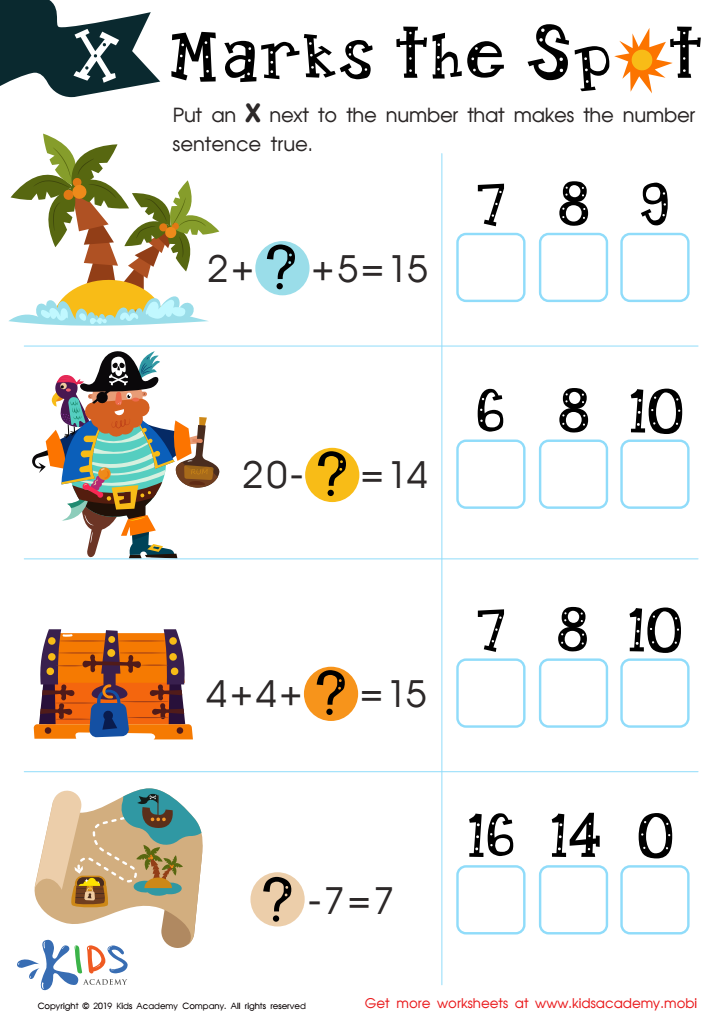
X Marks the Spot Worksheet
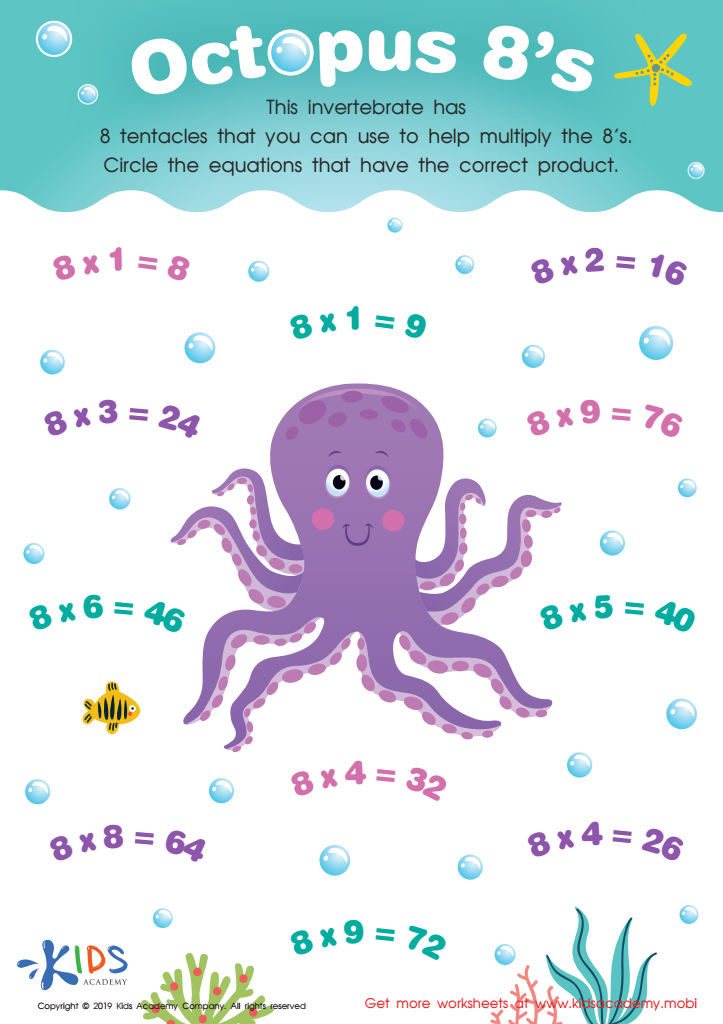
Octopus 8’s Worksheet








Parents and teachers should prioritize understanding symmetry in normal math for ages 6-8 because it lays a crucial foundation for children's cognitive development in several ways. Firstly, symmetry helps children recognize patterns and understand relationships between shapes, which are essential skills in geometry and spatial reasoning. By learning about symmetry, students develop the ability to classify objects and identify mirroring aspects in their environment, enhancing their observational skills.
Furthermore, symmetry encourages logical thinking and problem-solving. When children explore symmetrical shapes—such as those found in nature or architecture—they experience hands-on learning, making math both engaging and relevant to their daily lives. This hands-on approach helps solidify concepts and makes them more memorable.
Additionally, fostering an early understanding of symmetry cultivates creativity. As children engage in activities involving symmetry, such as drawing or constructing, they explore artistic concepts alongside mathematical ones. This interdisciplinary learning paves the way for future success in both the sciences and arts.
Finally, as foundational skills, understanding symmetry contributes to building confidence in math, encouraging a positive attitude toward learning as children progress. By supporting this knowledge, parents and teachers play an essential role in nurturing well-rounded, engaged learners.








