Counting skills Normal Matching Worksheets for Ages 6-8
6 filtered results
-
From - To
Unlock the world of numbers for your child with our "Counting Skills Normal Matching Worksheets for Ages 6-8". These specially designed worksheets make learning to count enjoyable and interactive. Perfect for young learners, they combine visual matching exercises and fun challenges to solidify counting skills. Each worksheet helps children recognize, count, and match numbers up to 20, fostering a strong mathematical foundation. Our engaging activities cater to individual learning styles and ensure improved counting, sequencing, and attention to detail. Prepare your child for math success with these creative and effective practice sheets! Download and start learning today!
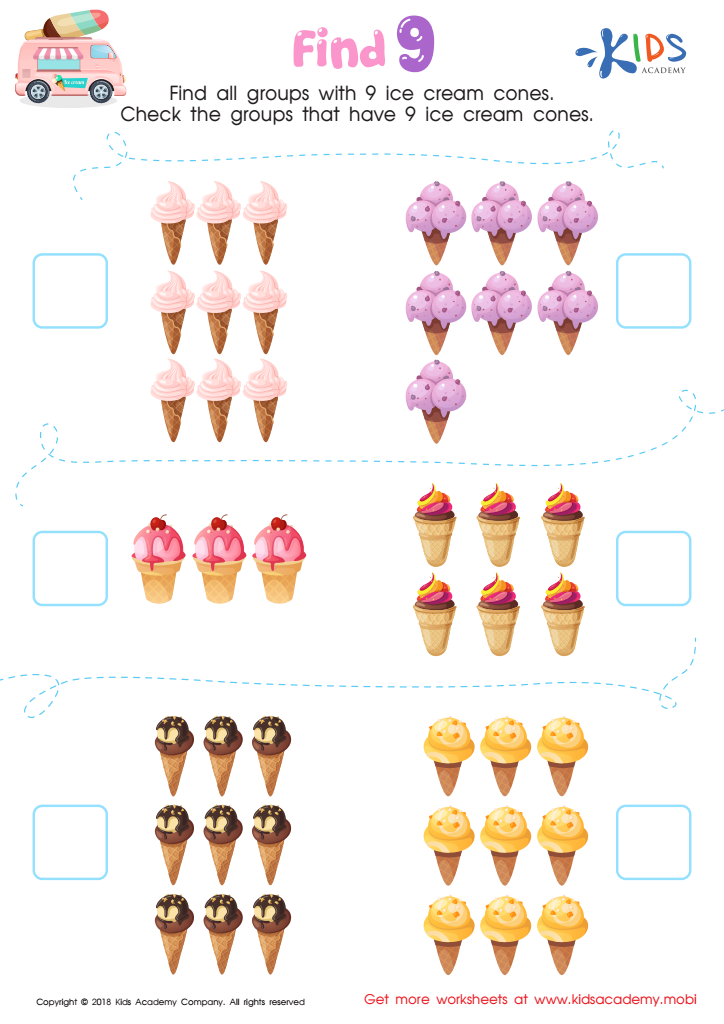
Find 9 Worksheet
 Assign to My Students
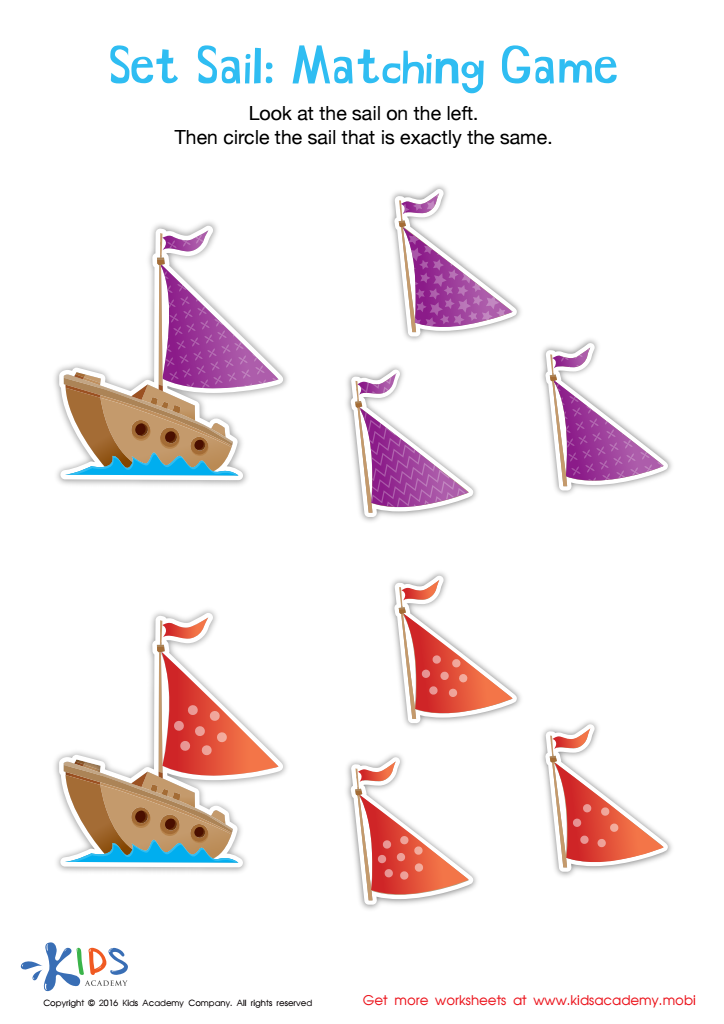
Set Sail Worksheet
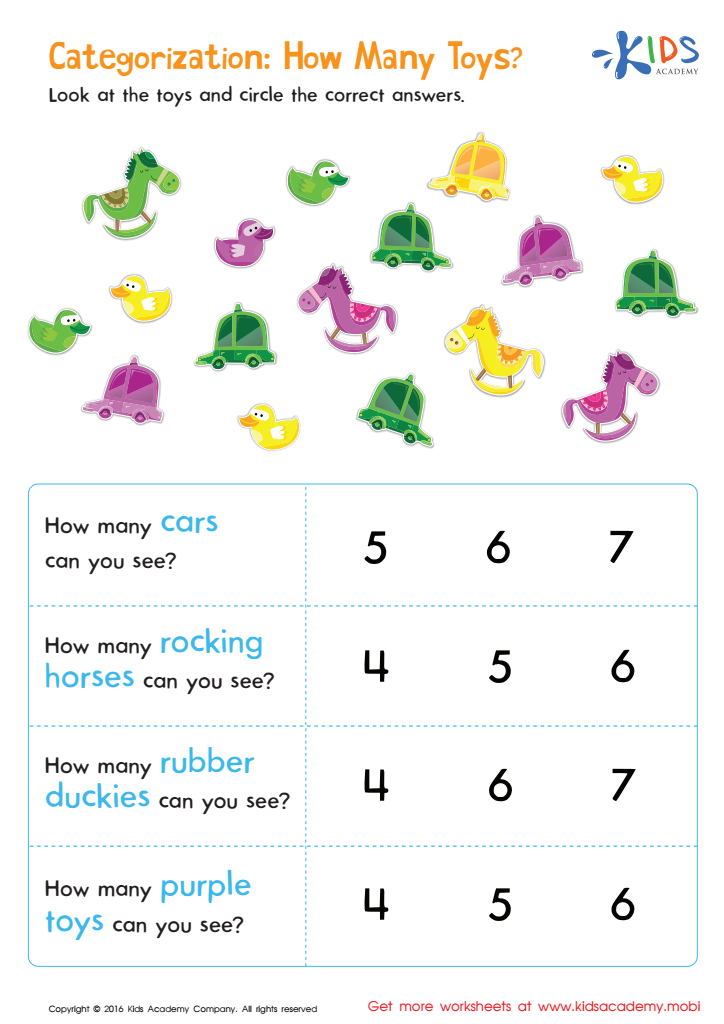
Classifying Toys by Type and Color Sorting Worksheet
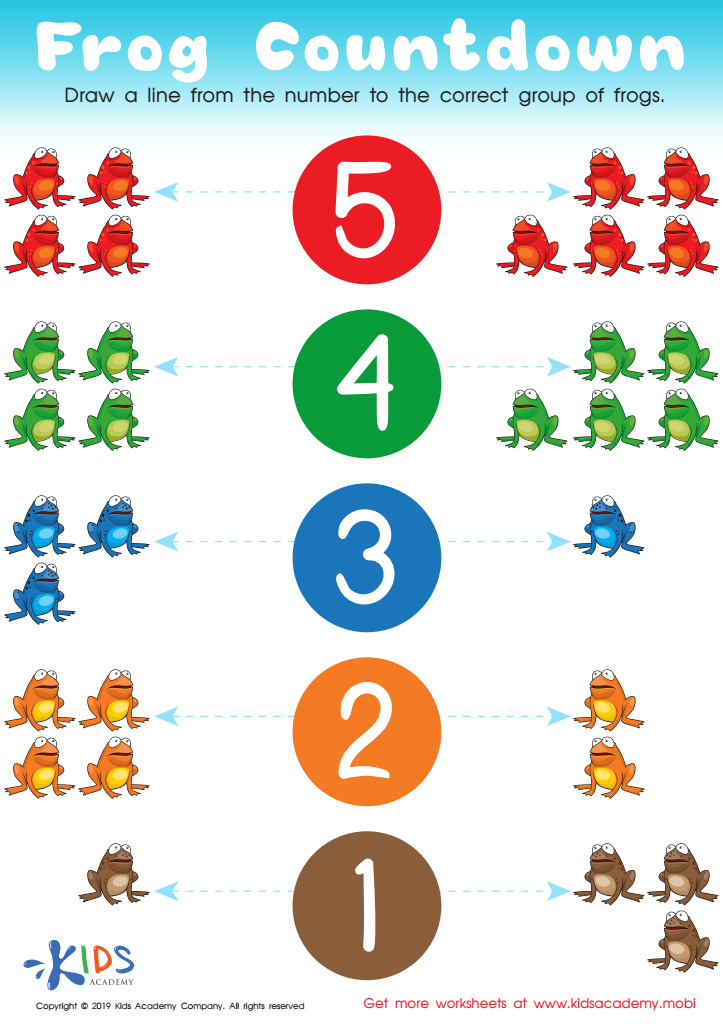
Frog Countdown Worksheet
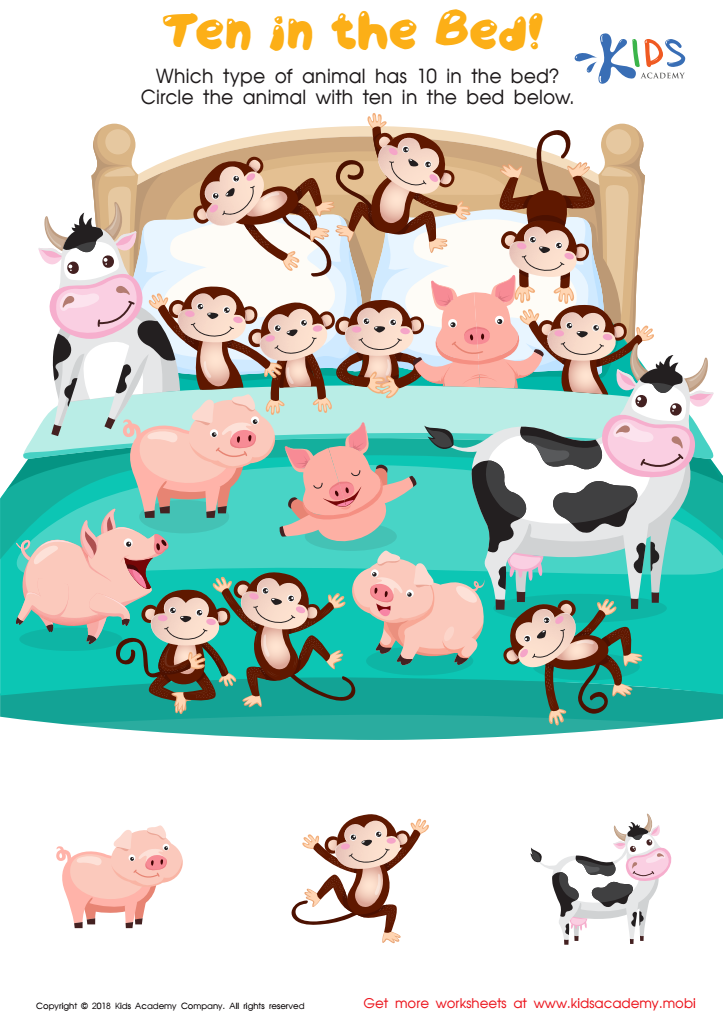
Ten in the Bed Worksheet
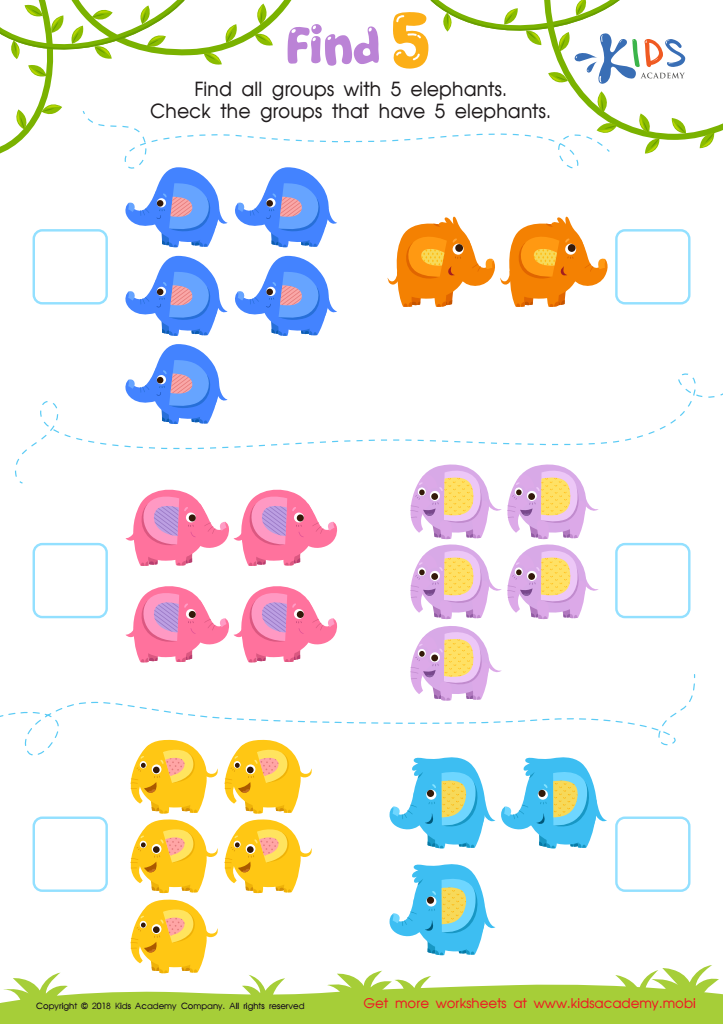
Find 5 Worksheet





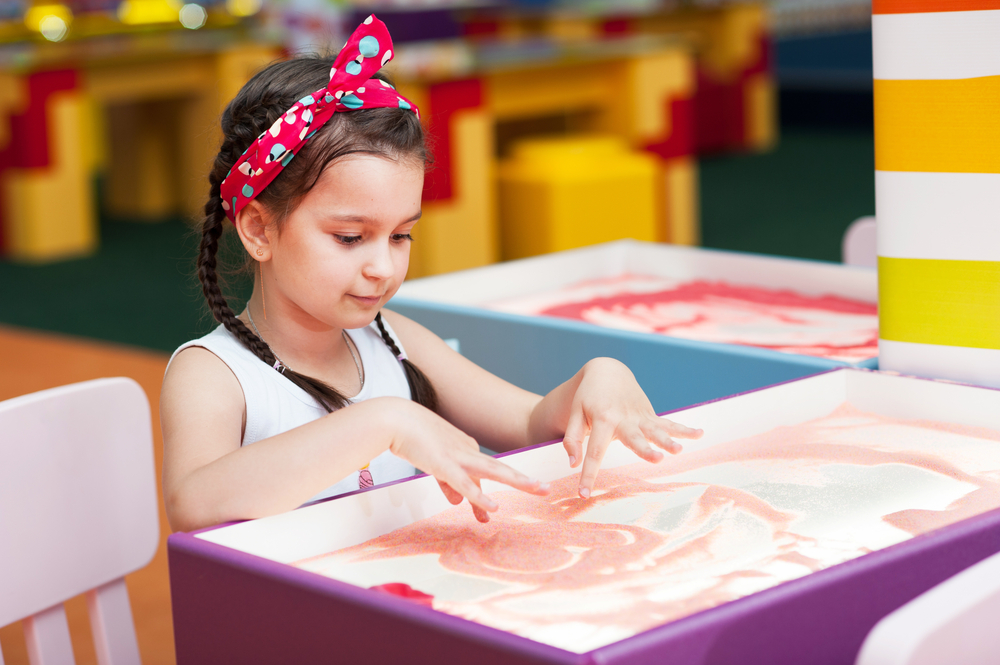


Counting skills and normal matching activities are vital for children aged 6-8 as they form the foundational bedrock for mathematical understanding and cognitive development. In this age group, children move beyond simple rote counting to more complex processes like recognizing numerical representations and understanding number relationships.
Counting skills are essential because they enable children to grasp basic arithmetic concepts. For instance, when children count objects, they begin to understand quantity, one-to-one correspondence, and sequences. These early numerical concepts are critical as they pave the way for more advanced math learning, including addition, subtraction, and beyond.
Matching exercises, where children pair items based on a common attribute or relationship, help improve critical thinking and problem-solving skills. Normal matching activities, such as matching numbers to sets of objects, reinforce the child’s comprehension of equivalences and inequalities, fostering their ability to compare and categorize. This practice not only improves mathematical thinking but also enhances memory and attention to detail.
For parents and teachers, supporting these activities promotes a well-rounded educational experience. Engaging in counting and matching lays a robust foundation for future academic success and cultivates an intrinsic motivation for learning. Ultimately, these skills equip children with the cognitive tools needed to navigate both academic challenges and everyday tasks effectively.