Problem-Solving Skills Normal Matching Worksheets for Ages 6-8
3 filtered results
-
From - To
Enhance your child's problem-solving skills with our engaging Normal Matching Worksheets designed for ages 6-8. These interactive worksheets help young learners develop critical thinking and logical reasoning through fun matching activities. Each worksheet challenges children to identify patterns, make connections, and solve problems creatively. By using these resources, kids can build a solid foundation in math and enhance their overall learning experience. Perfect for classroom use or at-home practice, our worksheets create a enjoyable learning environment while reinforcing essential skills. Foster your child's love for learning and watch them thrive as they tackle each exciting challenge with confidence!
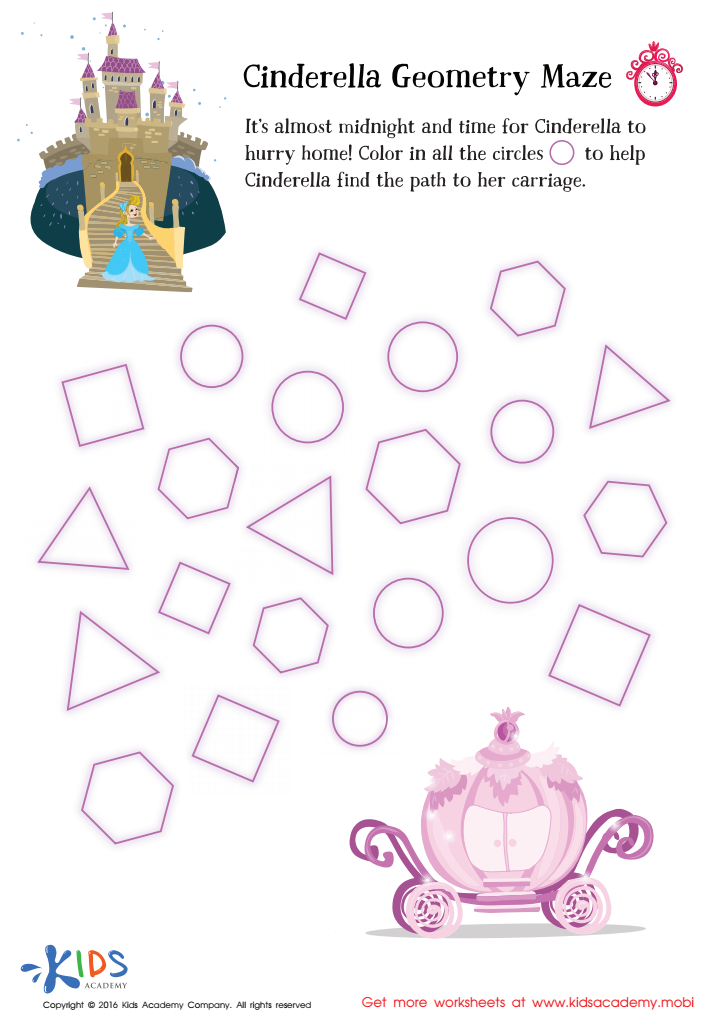
Cinderella Geometry Maze Worksheet
 Assign to My Students
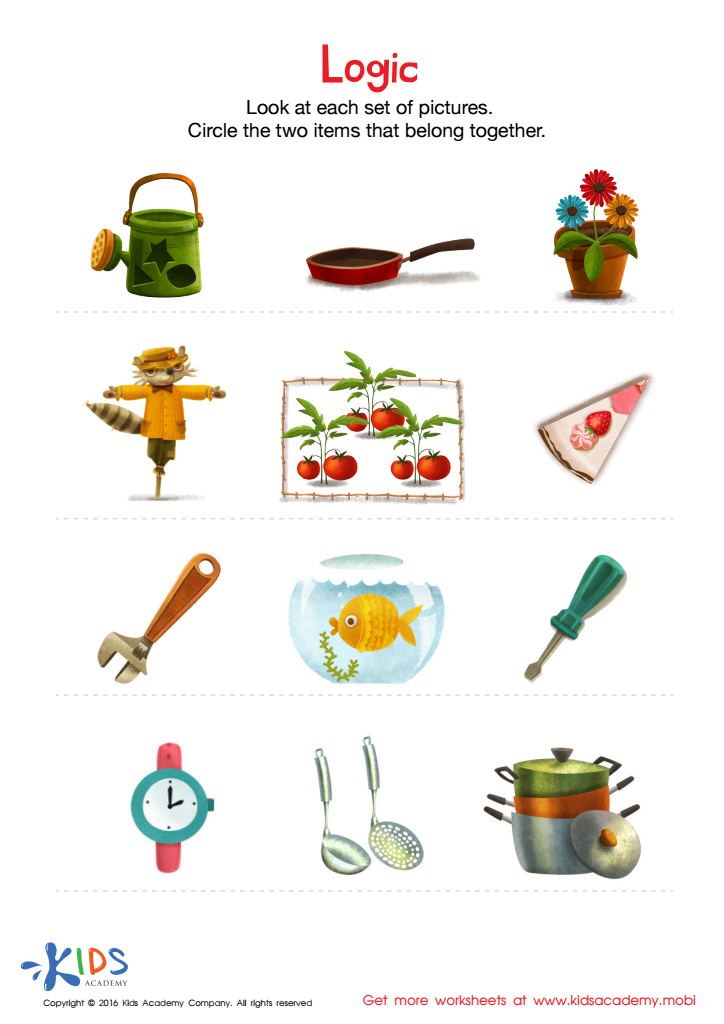
Logic Game Sorting Worksheet
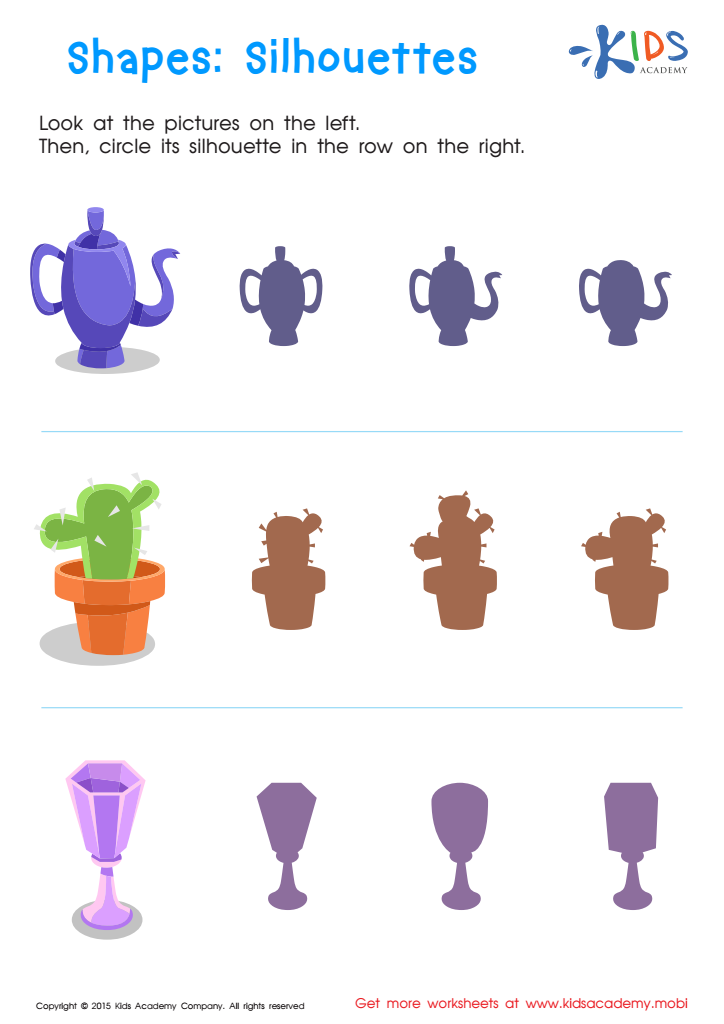
Silhouettes – Shapes Worksheet








Parents and teachers should care about developing problem-solving skills in children aged 6-8, specifically through activities like Normal Matching, for several compelling reasons. First, this age group is at a crucial stage of cognitive development, where foundational mathematics and critical thinking are being established. Normal Matching encourages children to identify and associate patterns, fostering sharp analytical skills that support future learning in subjects like math and science.
Moreover, problem-solving skills go beyond academic achievement—they cultivate essential life skills. By engaging in activities that require them to match or categorize objects, children learn persistence, decision-making, and the ability to approach challenges systematically. These skills help build resilience, encouraging children to view setbacks as opportunities for learning rather than failures.
Additionally, Normal Matching activities can enhance cognitive flexibility, allowing children to adapt their thought processes when faced with new situations. This adaptability is increasingly important in a dynamic world.
Lastly, fostering problem-solving skills encourages curiosity and creativity. When children learn to approach problems from various angles, they become more confident learners who are willing to explore and innovate. Overall, investing in these skills through play-based and structured learning experiences lays the groundwork for successful future academic endeavors and everyday life challenges.








