Cognitive Development Normal Building Vocabulary Worksheets for Ages 6-8
5 filtered results
-
From - To
Discover our engaging Cognitive Development Vocabulary Worksheets tailored for children aged 6-8. These specially designed activities foster vocabulary expansion through fun and interactive exercises, enhancing reading and comprehension skills. Our worksheets incorporate visuals and relatable contexts, making learning enjoyable and effective. Perfect for early learners, these resources support cognitive growth while building a solid foundation in language development. From word associations to matching exercises, each worksheet aims to challenge and inspire young minds. Help your child embark on a journey of learning and exploration with our comprehensive vocabulary-building tools. Equip them today for a brighter tomorrow in literacy!
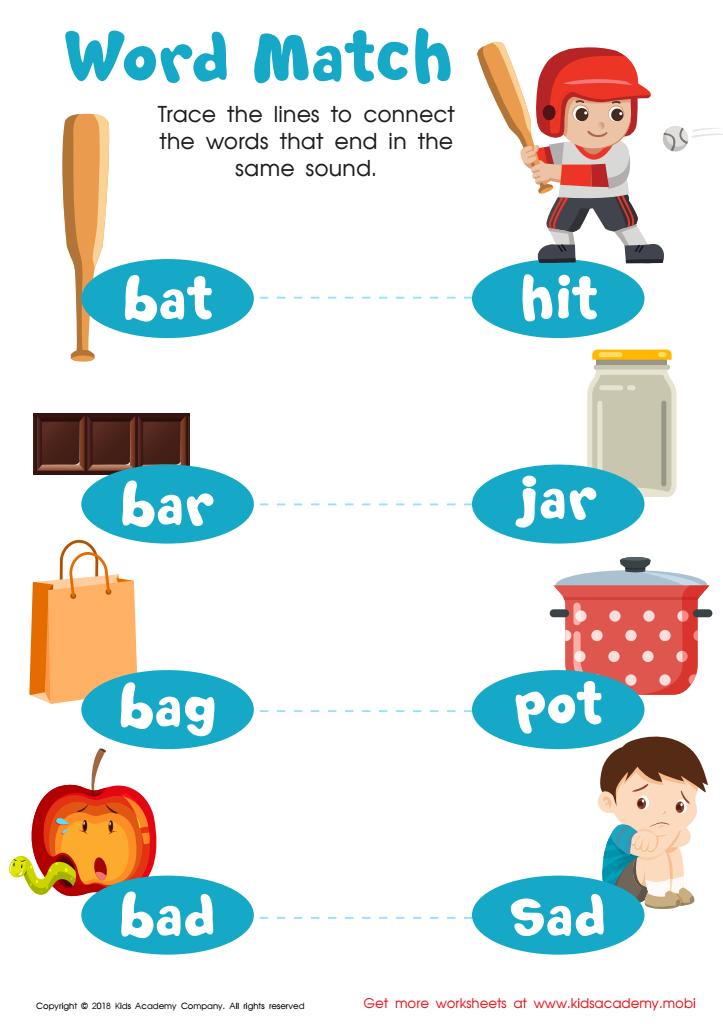
Word Match Reading Worksheet
 Assign to My Students











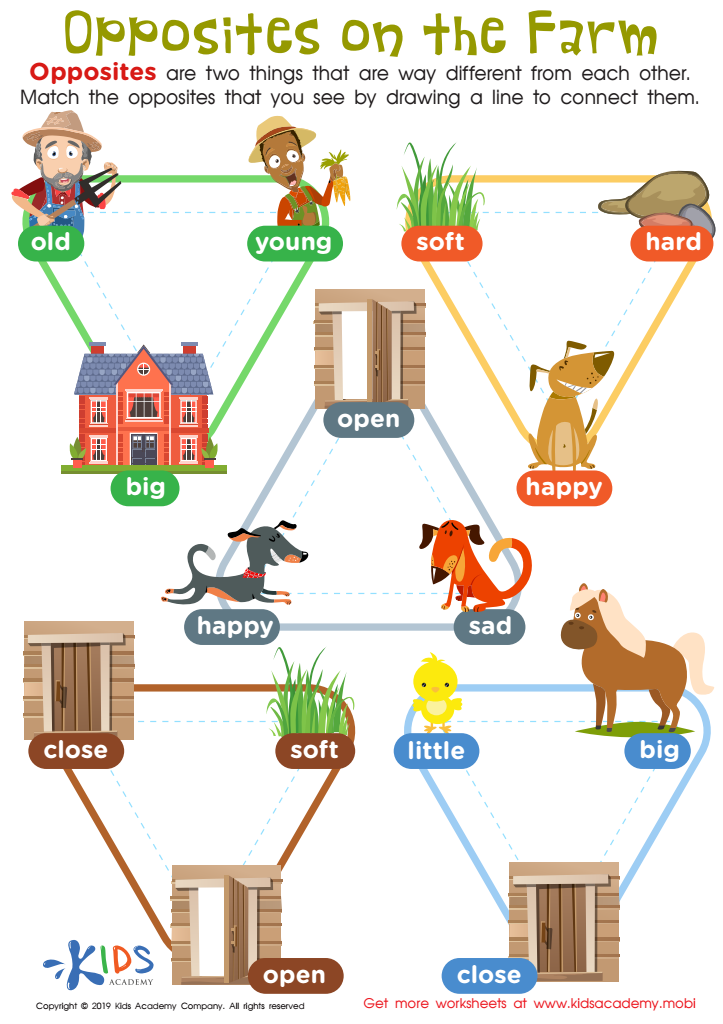
Opposites on the Farm Worksheet
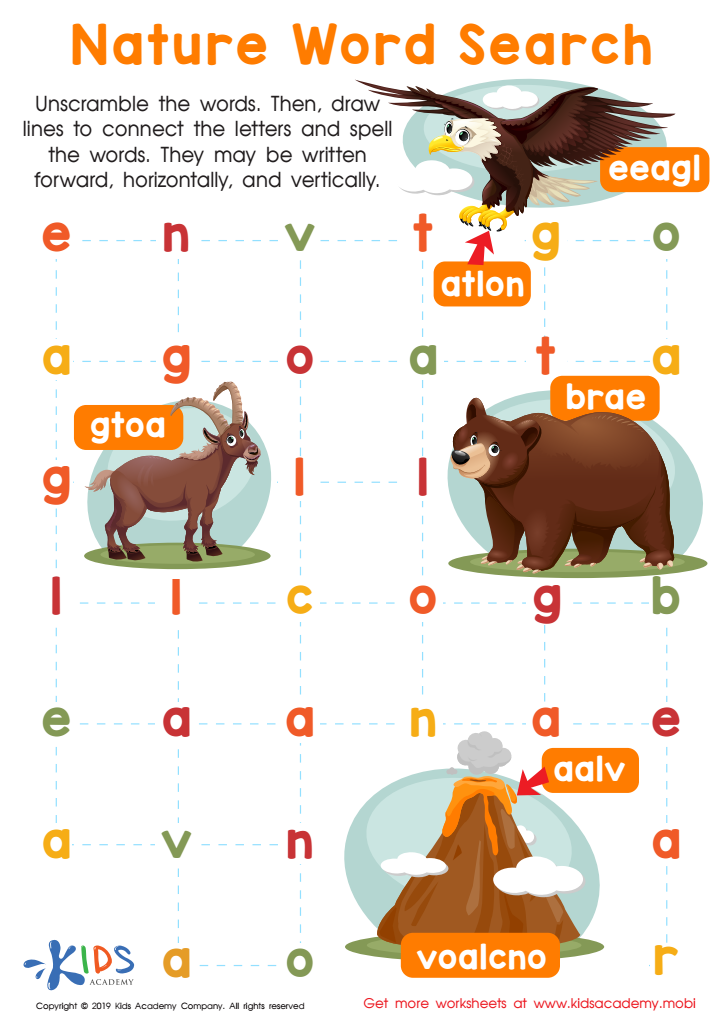
Nature Word Search Worksheet
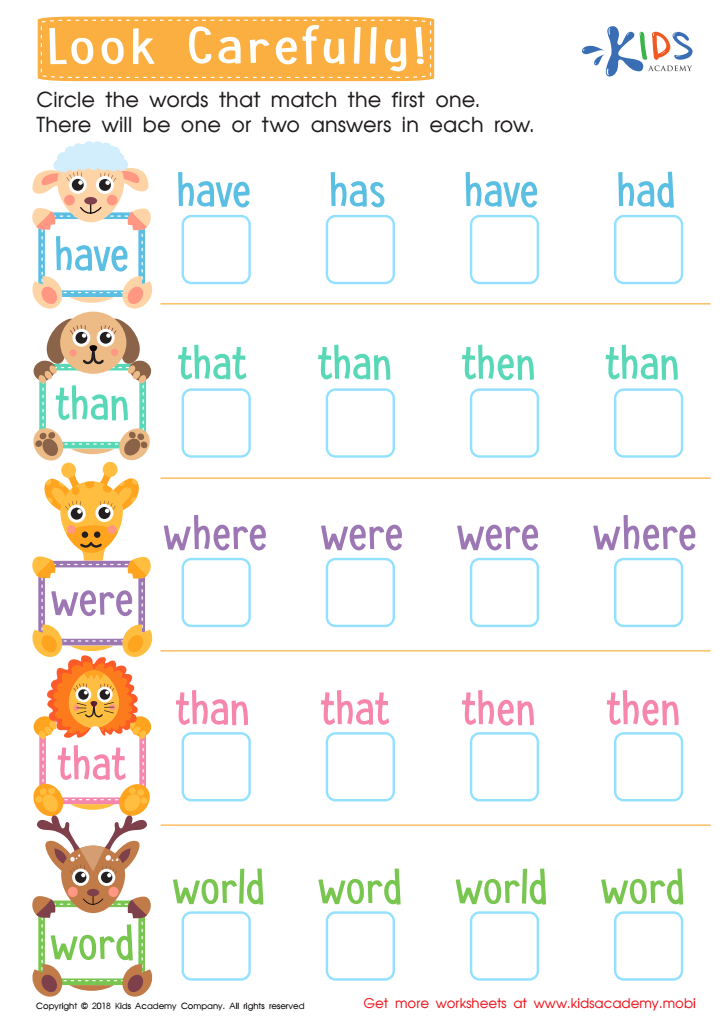
Look Carefully Worksheet
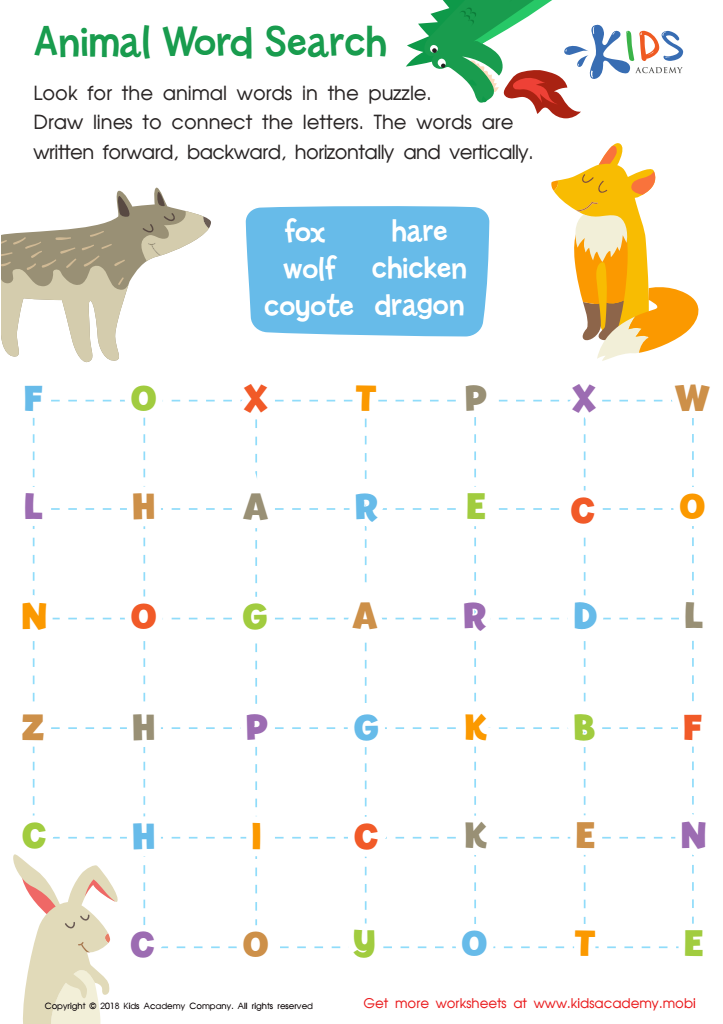
Animal Word Search Worksheet








Cognitive development and vocabulary building are crucial for children aged 6-8 as they form the foundation for academic success and lifelong learning. At this stage, children are developing critical thinking, problem-solving, and language skills. A rich vocabulary enhances their ability to express thoughts, understand complex information, and engage in meaningful conversations. When children can articulate their ideas, they're more likely to participate actively in classroom discussions, which further deepens their understanding of subjects.
Moreover, a strong vocabulary is linked to reading comprehension—the person who reads well often enjoys reading, leading to more practice, resulting in even broader vocabulary growth. For parents and teachers, understanding and fostering vocabulary development is essential, as it shapes children's confidence in communication and academic performance.
Additionally, children are becoming more socially aware, and a diverse vocabulary helps them to navigate friendships and peer interactions effectively. Encouraging vocabulary learning through interactive activities—like storytelling, word games, and discussions—makes the process enjoyable and impactful. By prioritizing cognitive development and vocabulary building, parents and teachers equip children with essential tools for success in school and beyond, ensuring they can thrive academically and socially as they grow.








