Counting practice Normal Reading Worksheets for Ages 6-8
4 filtered results
-
From - To
Discover engaging Counting Practice Normal Reading Worksheets designed for children aged 6-8! These worksheets provide a fun and interactive way for young learners to strengthen their counting skills while enhancing their reading abilities. Each activity encourages children to count objects, understand number concepts, and follow simple instructions through captivating visuals. Ideal for classroom use or at-home learning, our printable resources cater to diverse learning styles and are aligned with educational standards. Support your child’s early math and literacy development with worksheets that make learning enjoyable and effective. Explore our collection today and watch your child thrive in counting and reading!
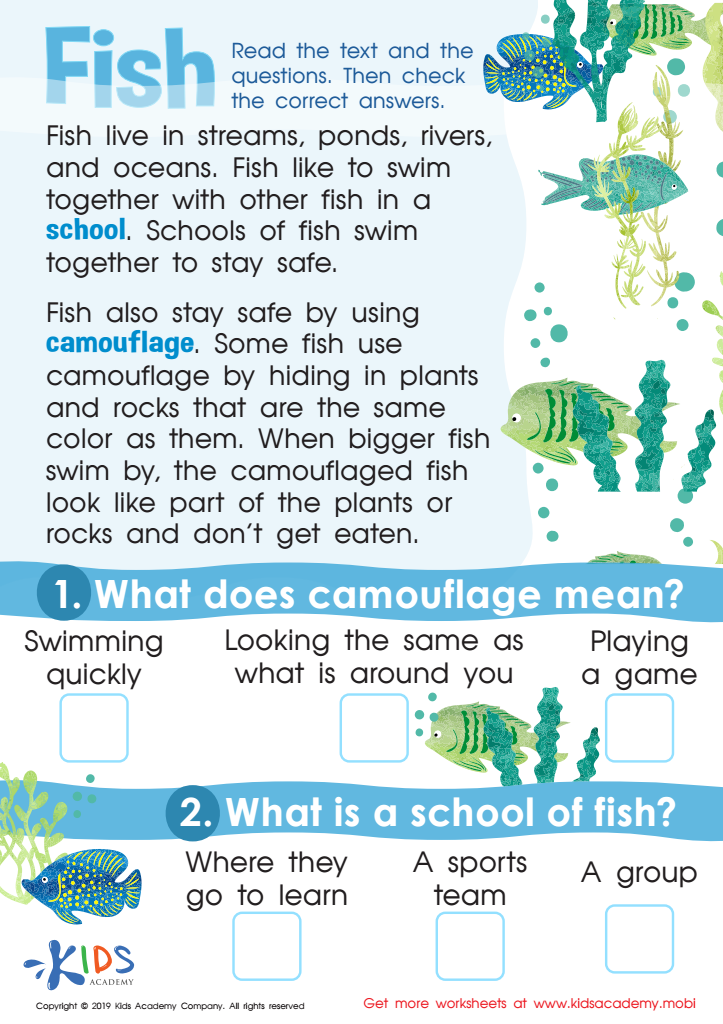
Fish Worksheet
 Assign to My Students
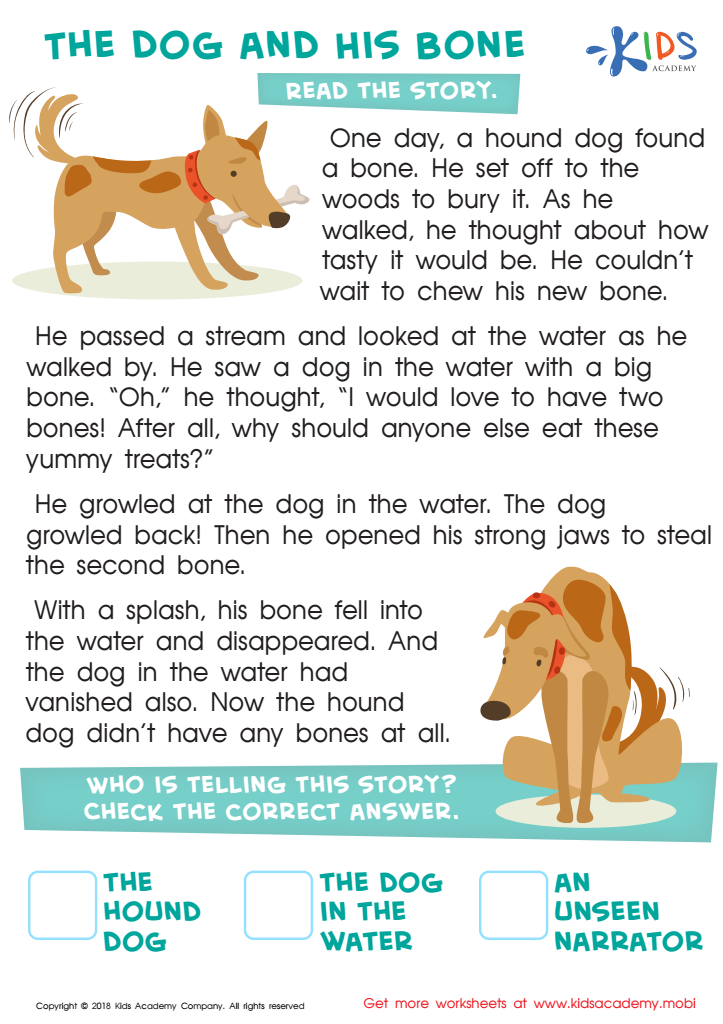
The Dog and His Bone Worksheet
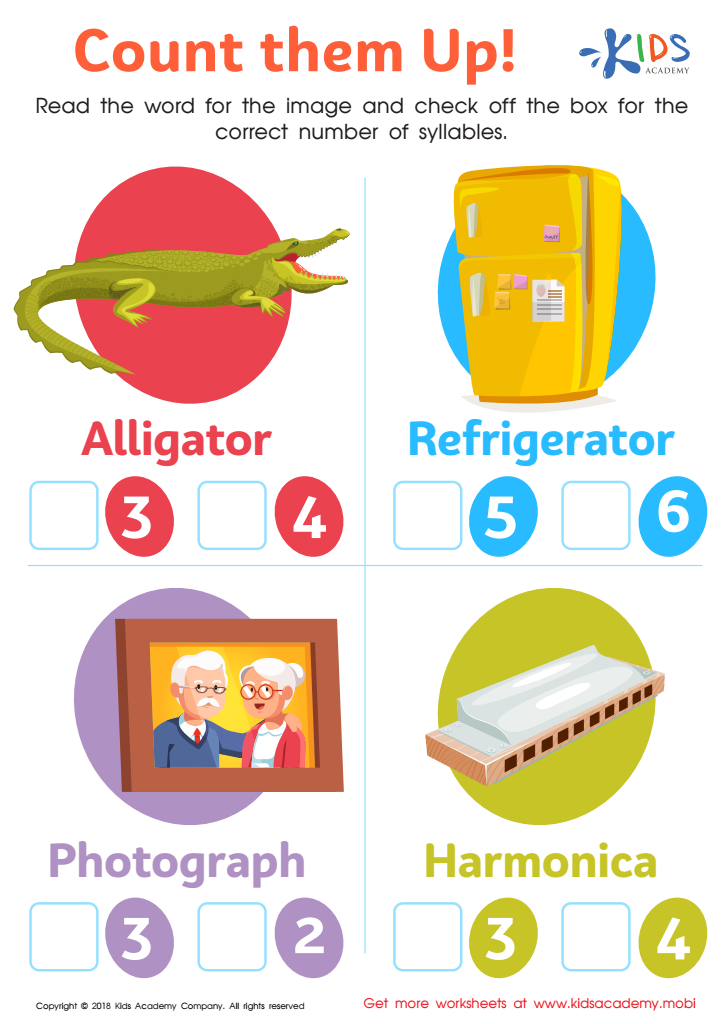
Count Them Up Worksheet
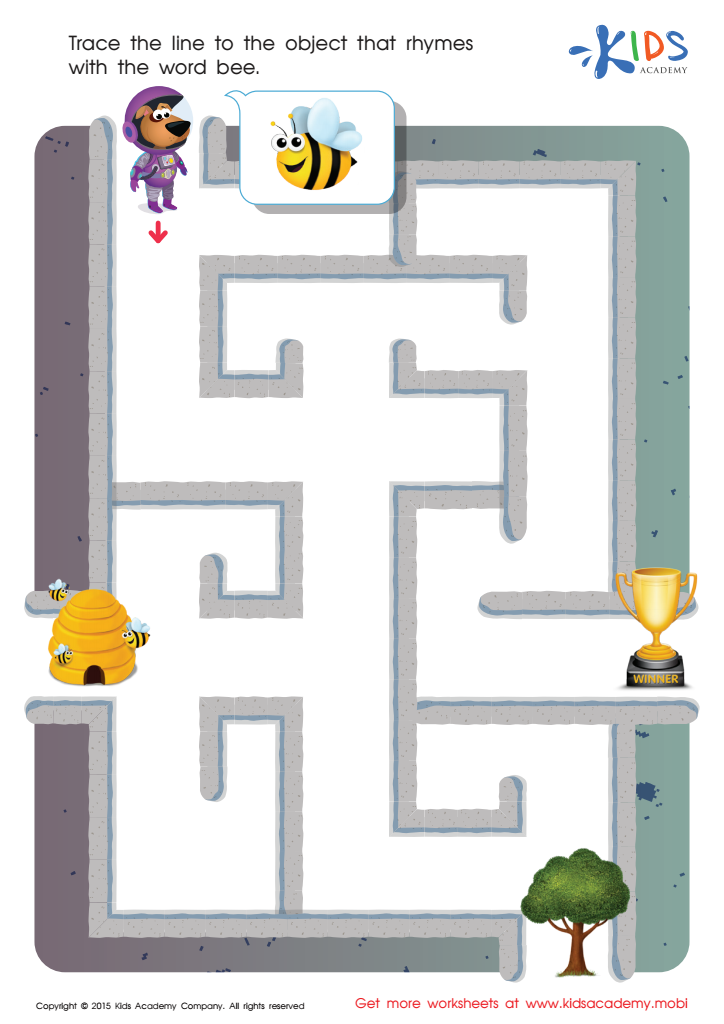
Bee Rhyming Words Worksheet







Counting practice and normal reading skills are foundational aspects of learning for children aged 6-8. At this developmental stage, children are not only building essential literacy skills but are also enhancing their numerical understanding, which is crucial for future academic success.
For parents and teachers, engaging in counting practice helps children grasp basic mathematical concepts such as addition, subtraction, and the understanding of numbers. It instills confidence and encourages problem-solving abilities, both of which are vital as they progress in school. A strong numerical foundation will assist in more complex math skills they will encounter later on.
On the literacy side, normal reading practices allow children to develop their phonemic awareness, vocabulary, and comprehension skills, setting the groundwork for effective communication and comprehension abilities. Reading broadens their imagination and instills a love for learning.
Overall, counting and reading practices are interconnected; strong skills in both areas enhance a child's cognitive development and academic readiness. Parents and teachers play a crucial role in promoting these skills through engaging activities that make learning enjoyable, supporting a holistic educational environment conducive to success. By prioritizing these foundational practices, they invest in their children's futures.








