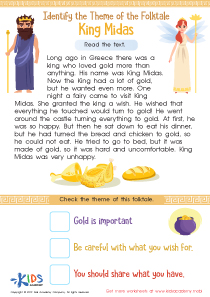
Reading skills development Normal Reading Worksheets for Ages 6-8
3 filtered results
Difficulty Level
Grade
Age
-
From - To
Subject
Activity
Standards
Unlock your child's reading potential with our Normal Reading Worksheets designed for ages 6-8. These engaging, interactive resources focus on developing essential reading skills, tailored to meet the needs of young learners. Each worksheet features age-appropriate activities that enhance vocabulary, comprehension, and fluency through fun exercises. Our thoughtfully curated content encourages a love for reading while building confidence and understanding in young readers. Ideal for use at home or in the classroom, these worksheets are perfect for reinforcing lessons and supporting your child's literacy journey. Start fostering your child's reading skills today with enjoyable practice that paves the way for academic success!
Favorites
With answer key
Interactive
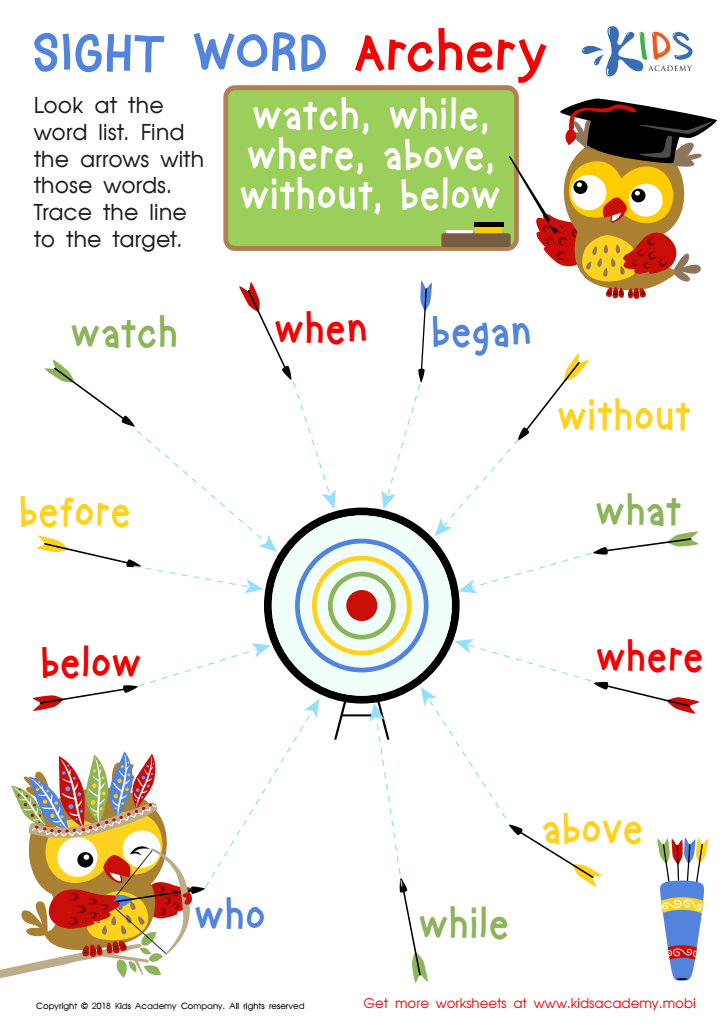
Sight Word Archery Worksheet
Read the words list with your kids, pointing at each one. Ask them to do the same. Help them find the arrows with those words and trace the line to the target in the centre.
 Assign to My Students
Sight Word Archery Worksheet
Worksheet
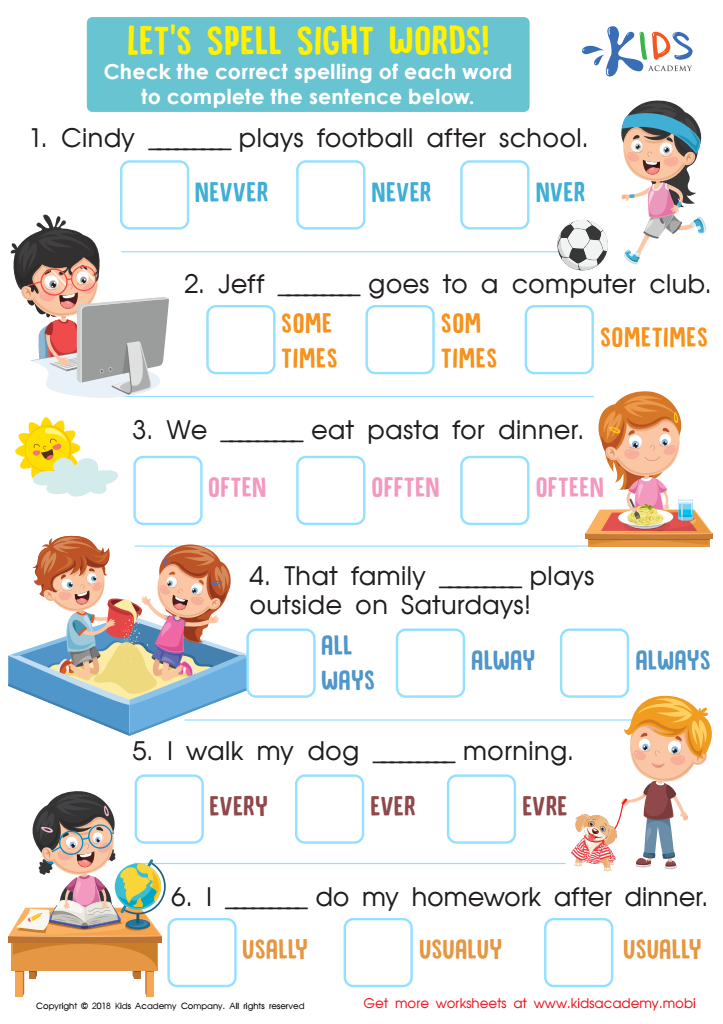
Let's Spell Sight Words Worksheet
Help your kids spell tricky sight words by asking them to spot differences in the sentences of activities they do regularly. This worksheet contains incomplete sentences, with the correct spelling of the word in the options for them to fill in. Get them to look out for words with the wrong spellings.
Let's Spell Sight Words Worksheet
Worksheet
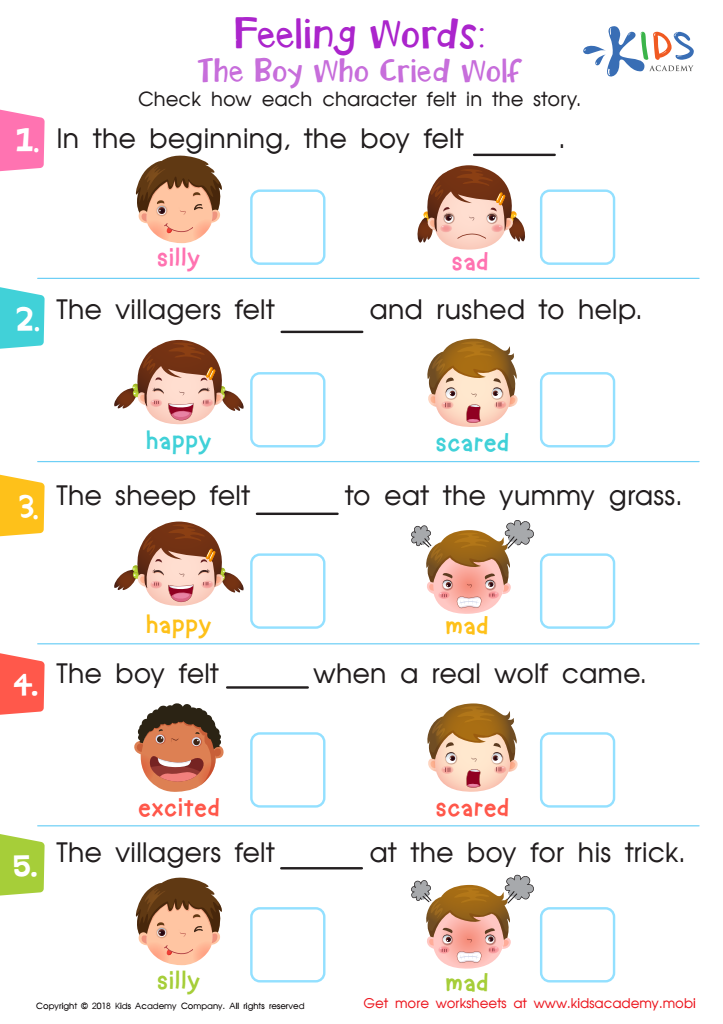
Feeling Words: The Boy Who Cried Wolf Worksheet
This worksheet helps students infer characters' traits and feelings by reading The Boy Who Cried Wolf. They choose the correct emotion for each character to improve their story comprehension. A great resource for the reading classroom, it teaches an essential comprehension skill.
Feeling Words: The Boy Who Cried Wolf Worksheet
Worksheet
Join Kids Academy for Free
Who is primarily going to use this learning content?





Reading skills development is crucial for children aged 6-8, as this is a key stage when they transition from learning to read to reading to learn. During these formative years, children build foundational skills that influence their academic success and overall confidence. Proficient reading abilities enhance comprehension, enabling students to grasp complex ideas and information across subjects such as science and mathematics. Furthermore, strong reading skills correlate with improved writing and communication abilities, vital tools for effective expression and comprehension throughout life.
Parents and teachers play a pivotal role in nurturing reading skills. Engaging children with a variety of reading materials fosters a love for literature and encourages critical thinking. Additionally, parents’ involvement and encouragement can boost a child's motivation and self-esteem. Consistent practice, through both guided and independent reading, allows children to develop fluency and vocabulary, essential for academic achievement.
Moreover, literacy skills are deeply intertwined with emotional and social development. Reading can broaden a child's worldview, build empathy, and enhance interpersonal skills. Overall, prioritizing reading skill development lays the groundwork for lifelong learning and personal growth, making it an essential focus for parents and educators alike.