Problem-Solving Skills Normal Our Planet and Environment Worksheets for Ages 6-8
5 filtered results
-
From - To
Discover fun and engaging worksheets designed to cultivate problem-solving skills in kids aged 6-8. Focusing on our planet and its environment, these printable activities encourage young learners to think critically, make decisions, and understand ecological concepts. The worksheets cover various topics to spark curiosity and develop essential skills, including pattern recognition, logical reasoning, and creative thinking. Through fun exercises and relatable scenarios, children will gain a deeper appreciation for our world while enhancing their cognitive abilities. Perfect for classroom or home use, these educational resources support a holistic approach to learning and environmental stewardship.
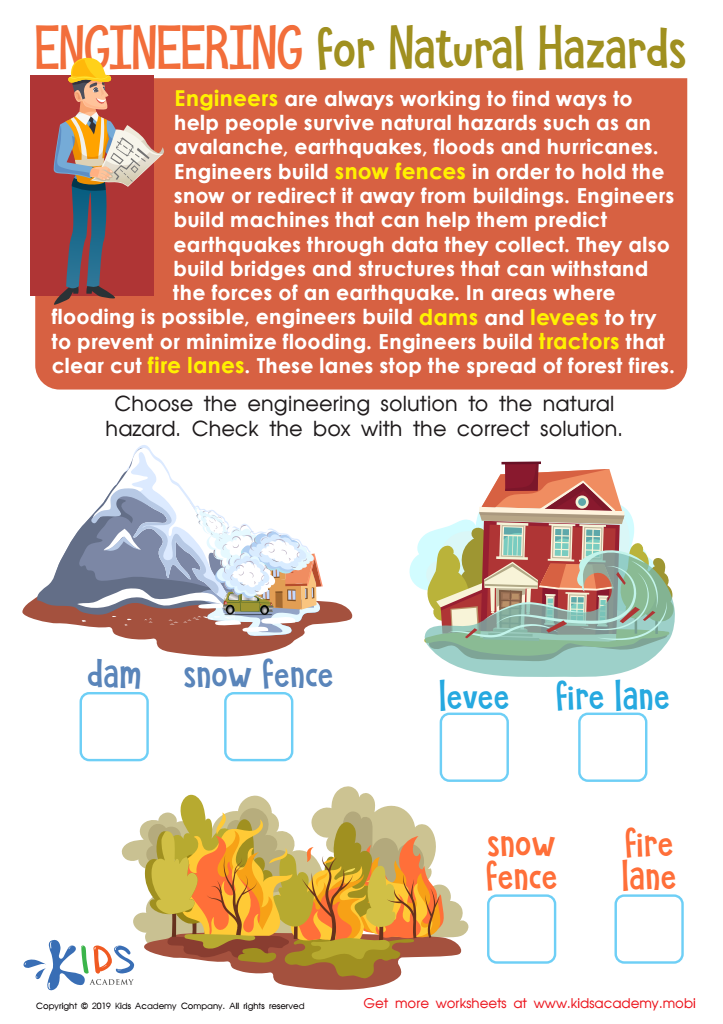
Engineering Natural Hazards Worksheet
 Assign to My Students
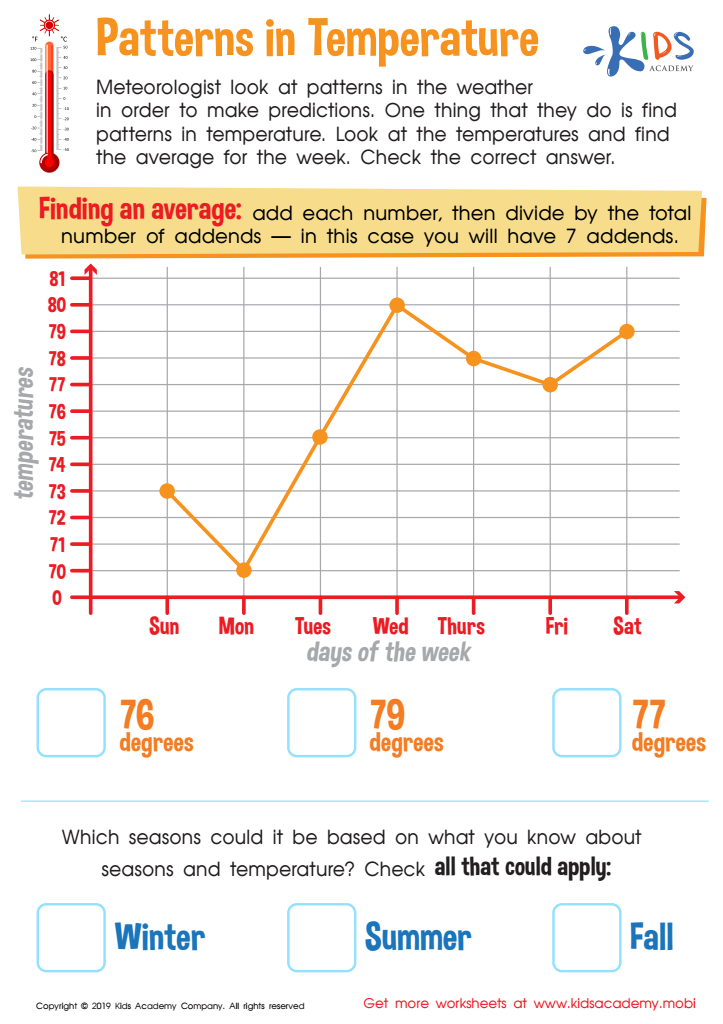
Patterns in Temperature Worksheet
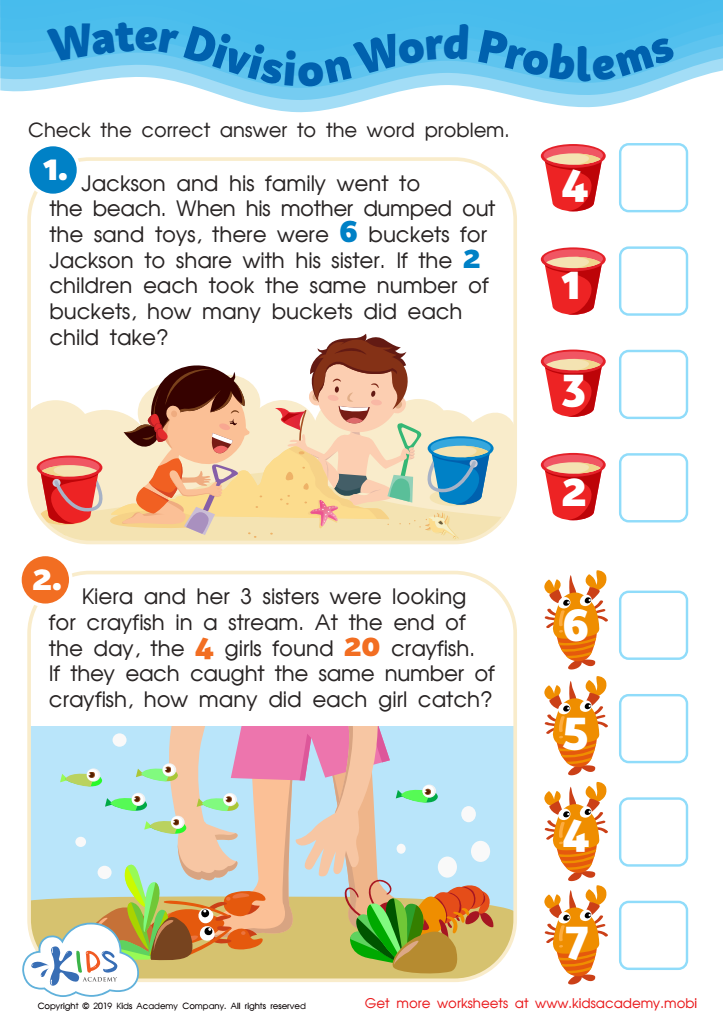
Water Division Word Problems Worksheet
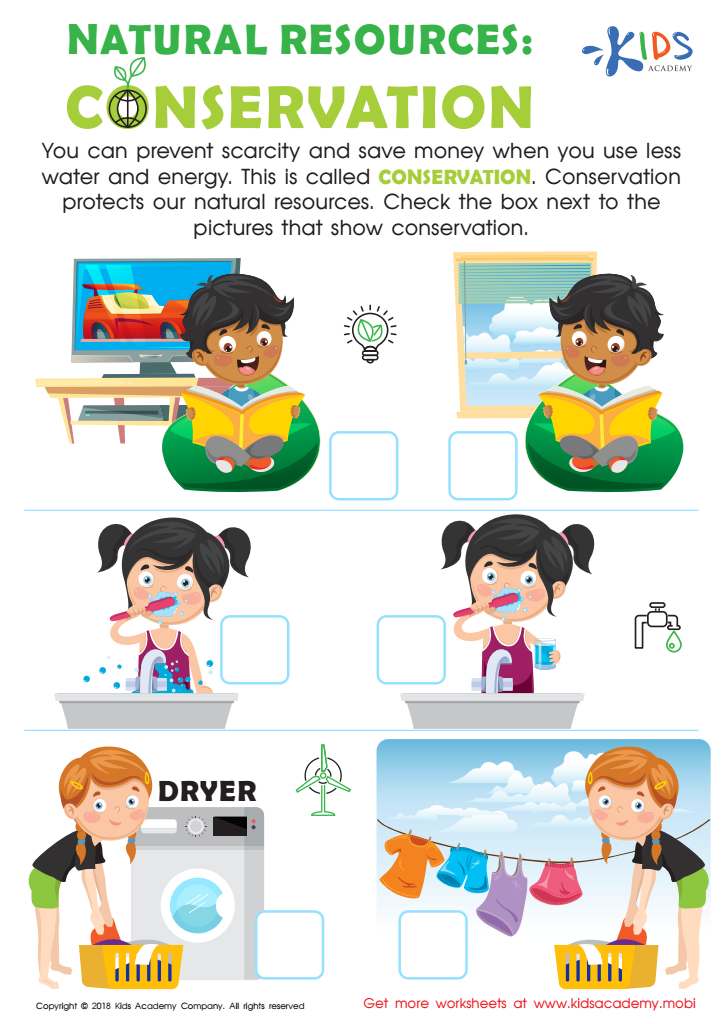
Natural Resources: Conservation Worksheet
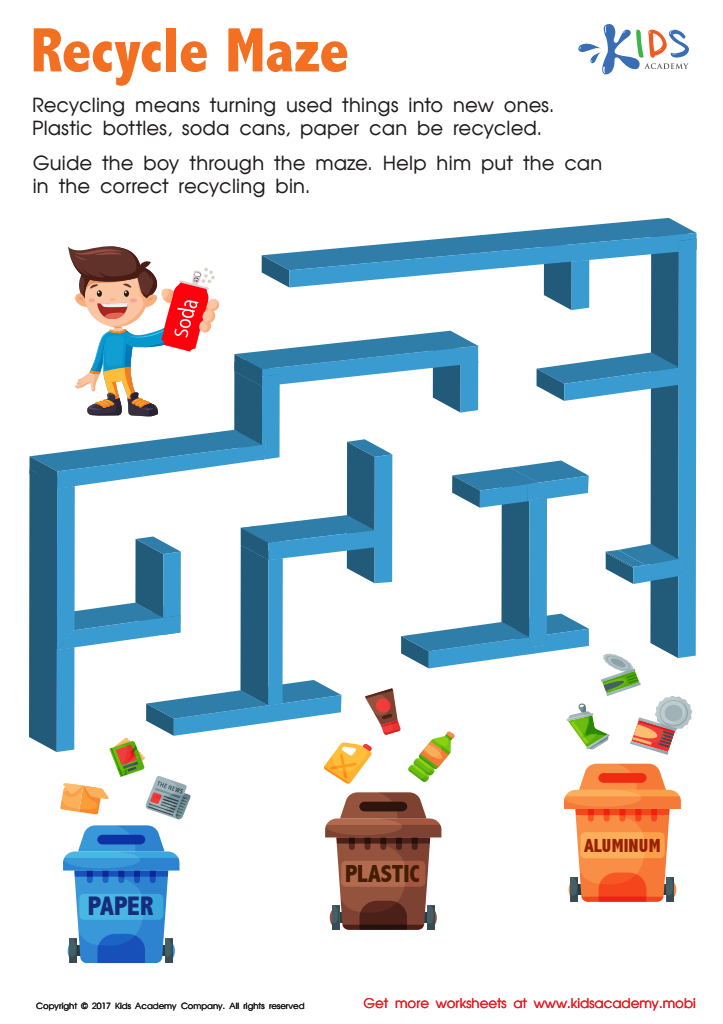
Recycle Maze Worksheet



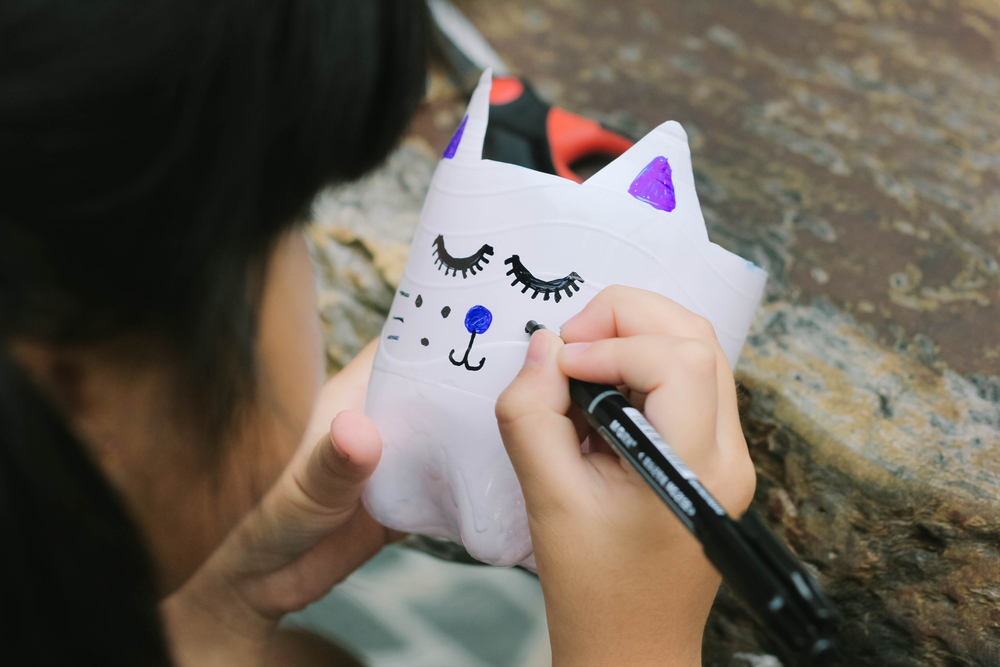
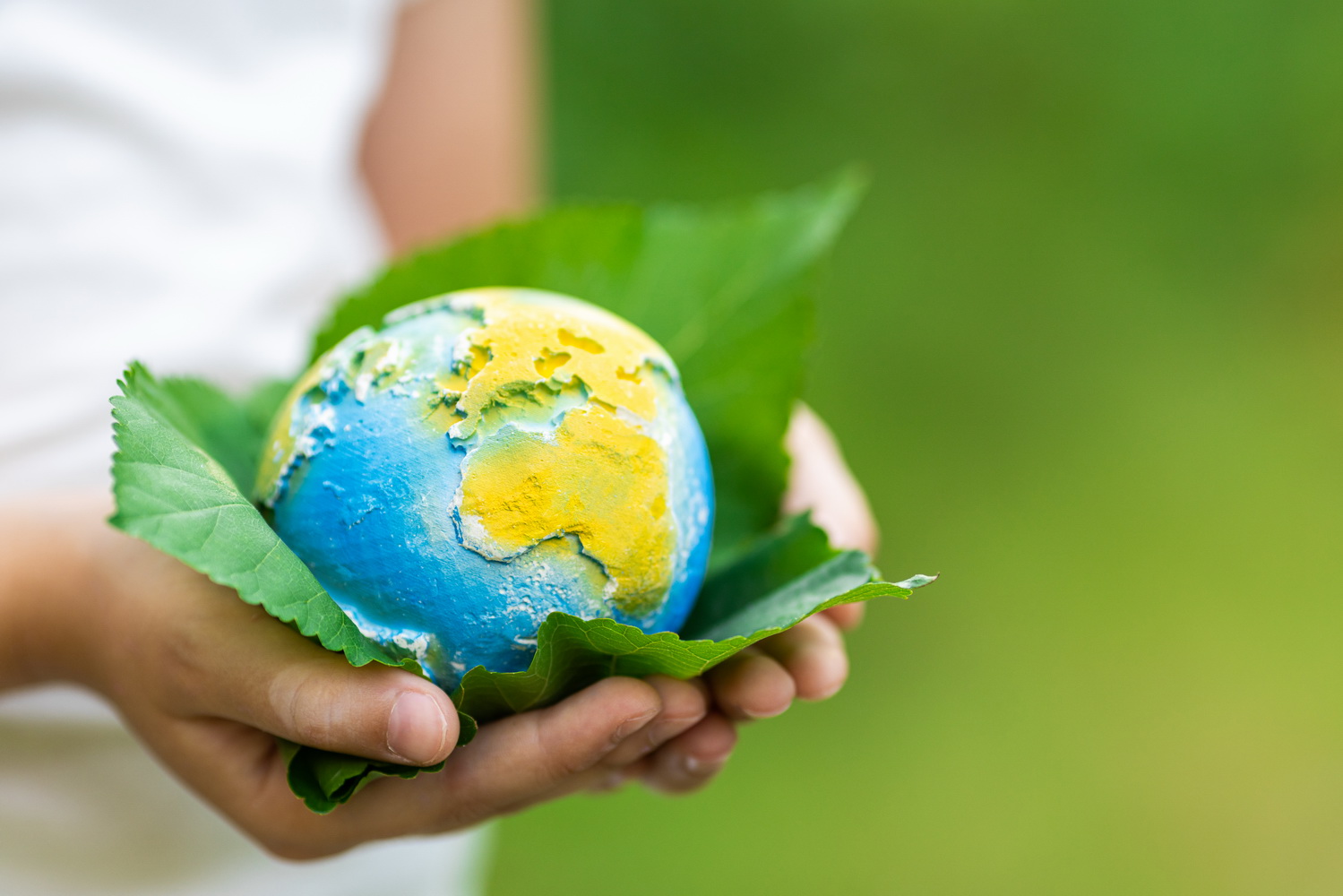
Problem-solving skills are foundational for children aged 6-8 as they navigate school and everyday life. These skills help children develop critical thinking, creativity, and independence. When children know how to solve problems, they can figure out how to tackle both academic challenges and social situations. This reduces their stress and boosts their confidence and success in school.
Understanding our planet and environment is essential for young learners because the habits and attitudes formed at a young age often last a lifetime. Teaching children about the environment fosters a sense of responsibility and caring towards the world they live in. It empowers them to make choices that are good for the planet, such as recycling and conserving energy.
When parents and teachers focus on both problem-solving skills and environmental education, they help children become capable, thoughtful, and responsible individuals. Through activities like puzzles, nature-based projects, and environmental discussions, children learn to think critically and care deeply about solving real-world issues. This holistic approach equips them with the tools they need to thrive in the future and contribute to a better, healthier planet for everyone. Therefore, integrating these skills into early education is crucial for the well-rounded development of children.







