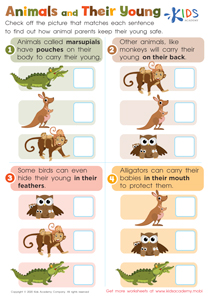
Vocabulary expansion Normal Plants Worksheets for Ages 6-8
3 filtered results
-
From - To
Enhance your child's vocabulary with our engaging Normal Plants worksheets, specially designed for ages 6-8. These interactive resources aim to expand language skills while exploring the fascinating world of plants. From identifying key plant parts to understanding their functions, children will enjoy activities that make learning fun and accessible. Each worksheet is crafted to spark curiosity and enhance comprehension, making it ideal for both classroom settings and home learning. Nurture a love for science and language while helping your little ones develop essential vocabulary. Perfect for budding scientists and curious minds, these worksheets offer a blend of education and enjoyment!
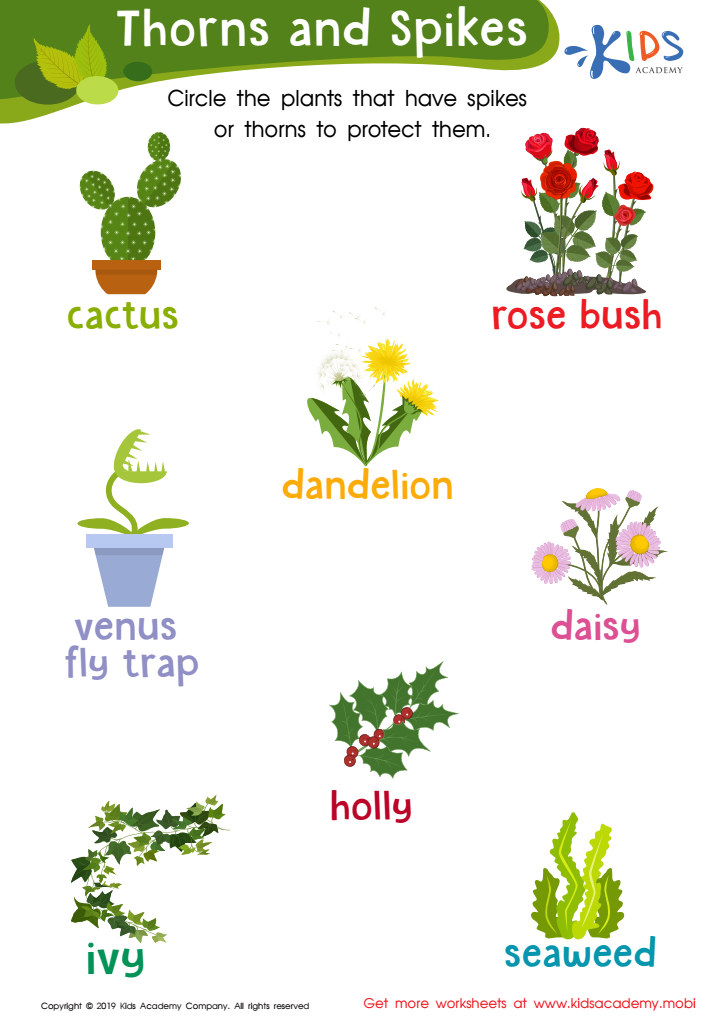
Thorns and Spikes Worksheet
 Assign to My Students

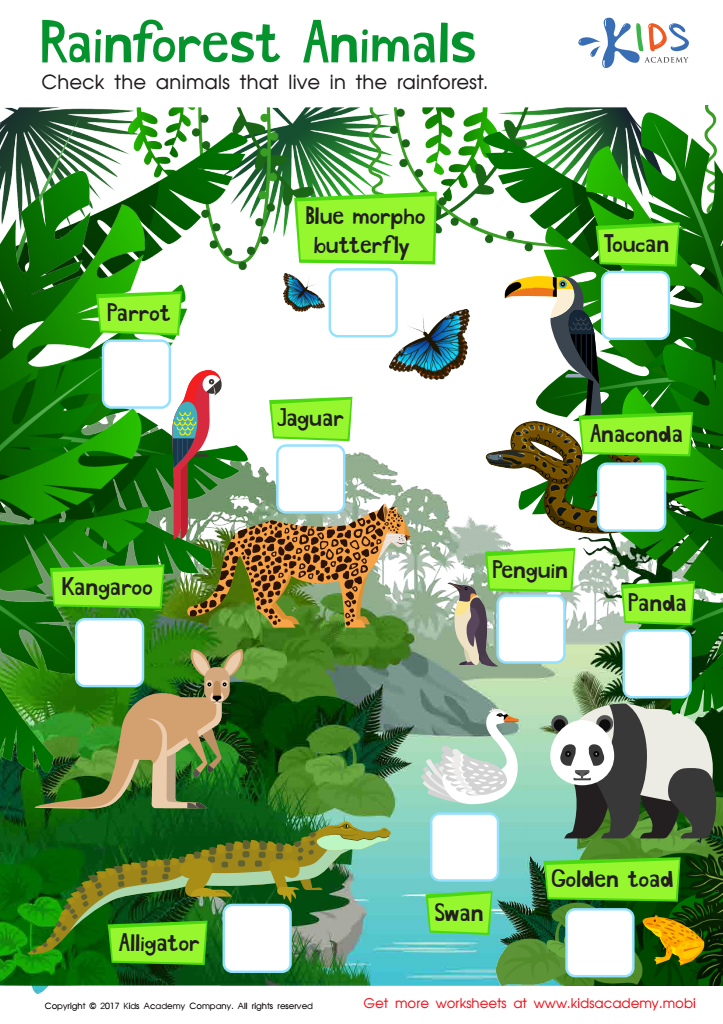
Rainforest Animals Worksheet
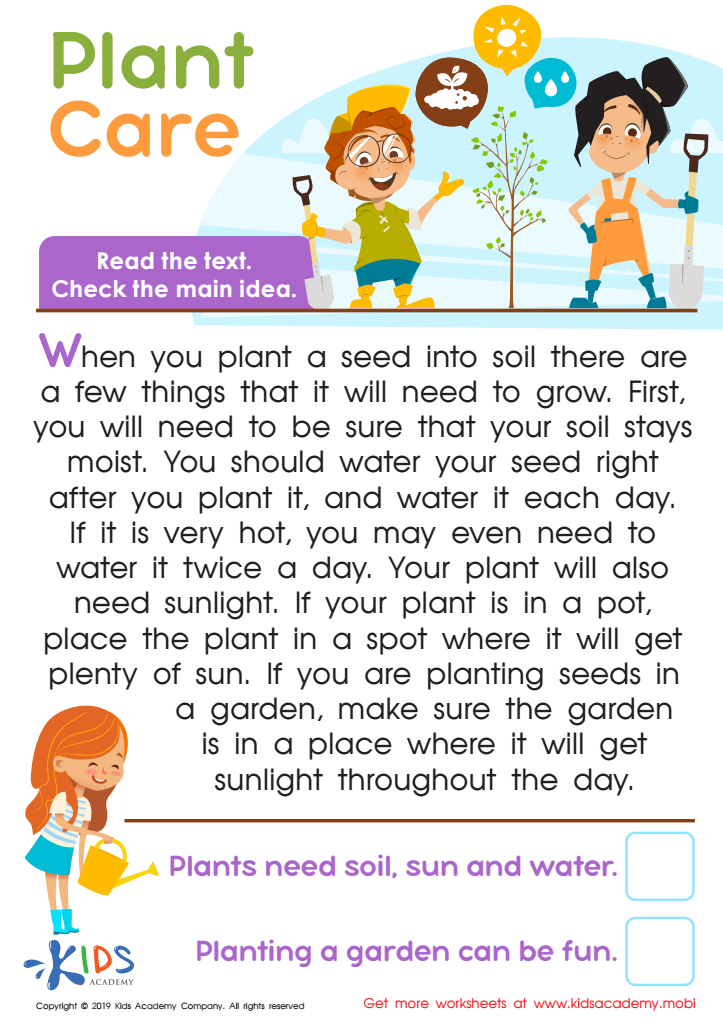
Plant Care Worksheet


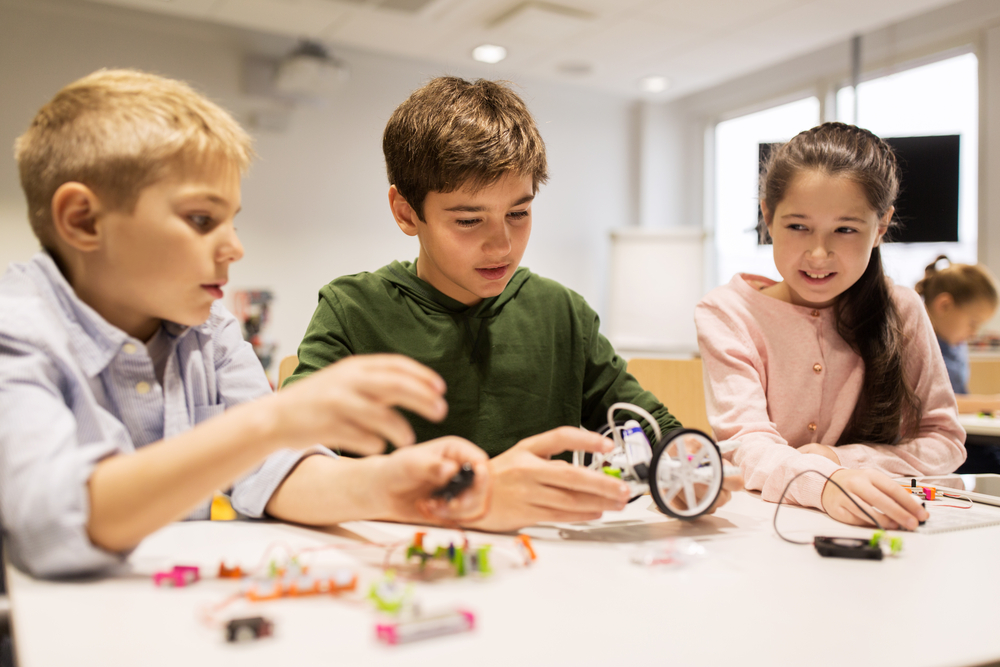





Vocabulary expansion is crucial for children ages 6-8, particularly in the context of themes like "Normal Plants." This age group is at a pivotal stage in language development where their cognitive abilities gradually evolve, making them more capable of understanding complex concepts and relationships. Introducing vocabulary related to plants can significantly influence a child's comprehension and appreciation of nature, science, and the environment.
Understanding plant vocabulary—such as "photosynthesis," "photos," "stems," and "roots"—helps children describe their surroundings, engage in conversations, and build a solid foundation for future scientific learning. As they learn to connect these terms with real-life examples, their critical thinking and reasoning skills enhance, empowering them to explore scientific principles independently.
Additionally, expanding vocabulary fosters better reading skills. Children with a rich vocabulary are more likely to succeed academically as they can understand and engage with more challenging texts, positioning them for future learning opportunities. For parents and teachers, nurturing a child's vocabulary encompasses not merely linguistic growth but also emotional intelligence, curiosity, and a deeper understanding of the world. It ultimately cultivates a generation that is both articulate and informed about their environment, promoting a balanced and enthusiastic approach towards learning.