Enhancing observation skills Normal Plants and Animals Worksheets for Ages 6-8
5 filtered results
-
From - To
Enhance your students' observation skills with our engaging Normal Plants and Animals worksheets designed for ages 6-8! These thoughtfully crafted activities encourage young learners to closely examine various plants and animals, cultivating their curiosity and analytical thinking. Each worksheet features vibrant illustrations that captivate attention while guiding children to compare, contrast, and make detailed observations. By participating in these interactive exercises, kids will develop a deeper understanding of the natural world. Perfect for classroom or at-home learning, these worksheets are an invaluable resource for early educators aiming to foster scientific inquiry and recognition of living organisms in their environment.
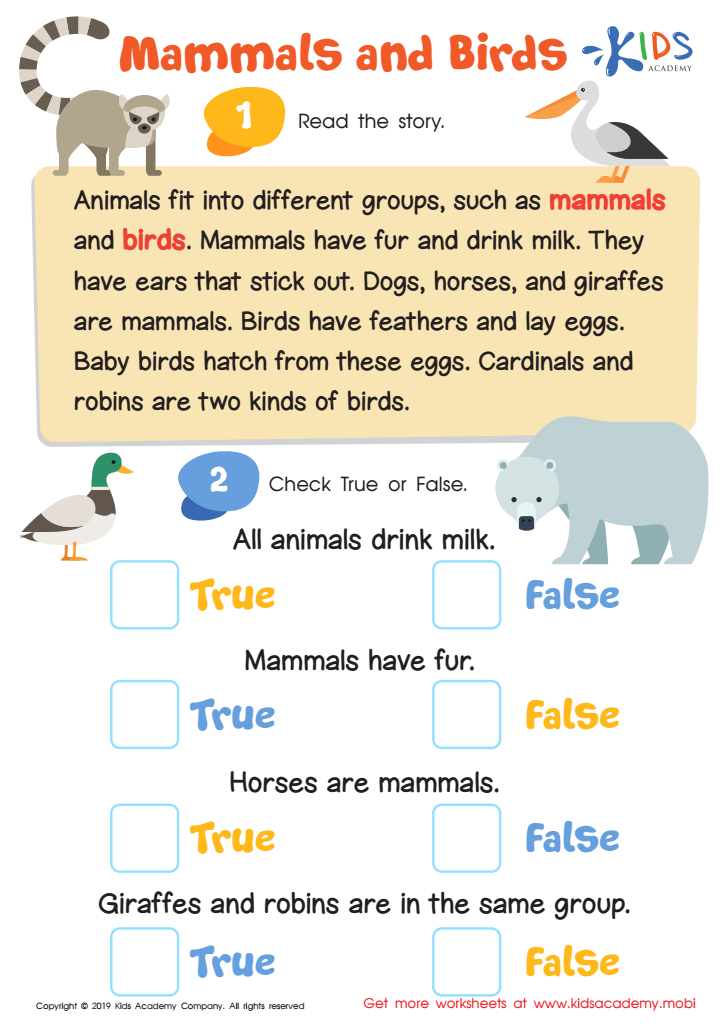
Mammals and Birds Worksheet
 Assign to My Students
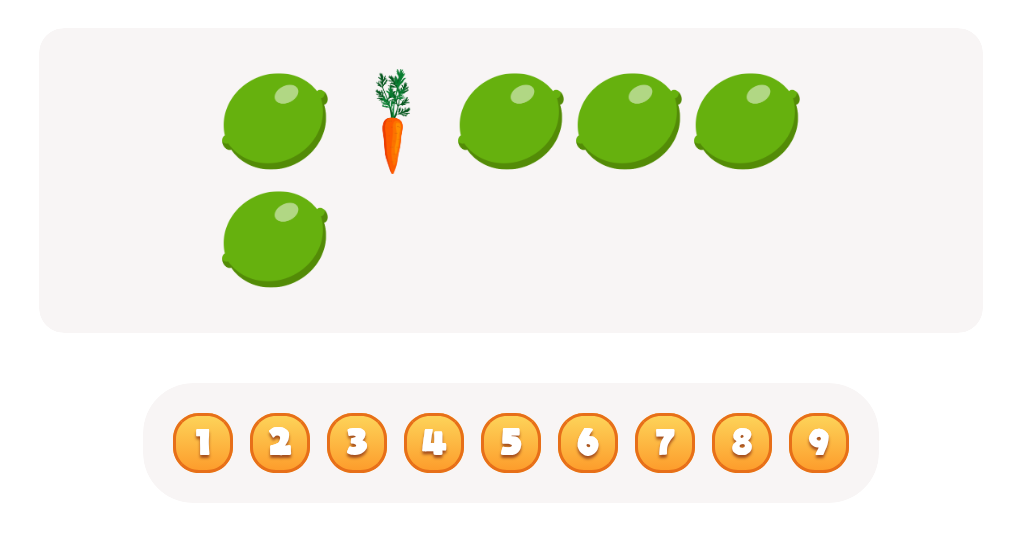


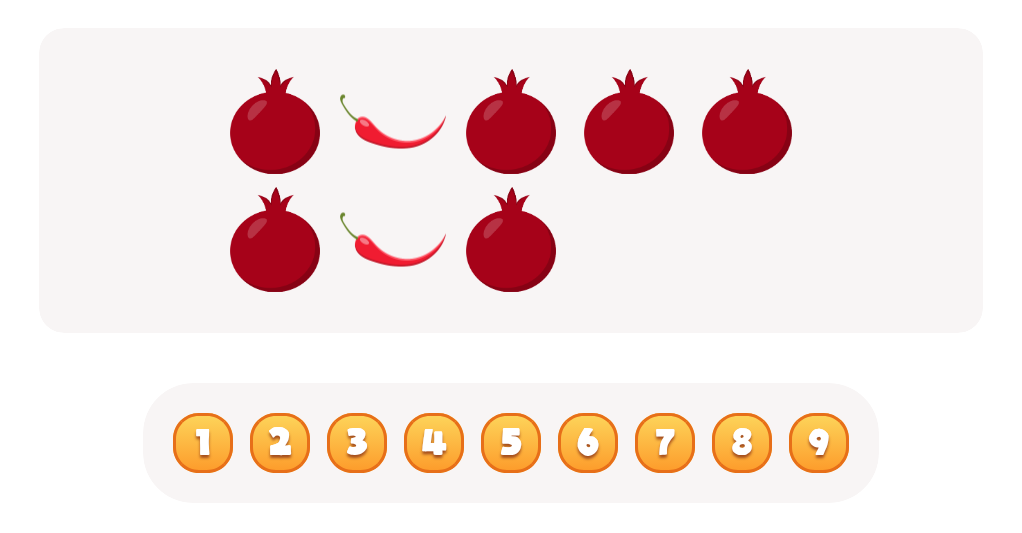
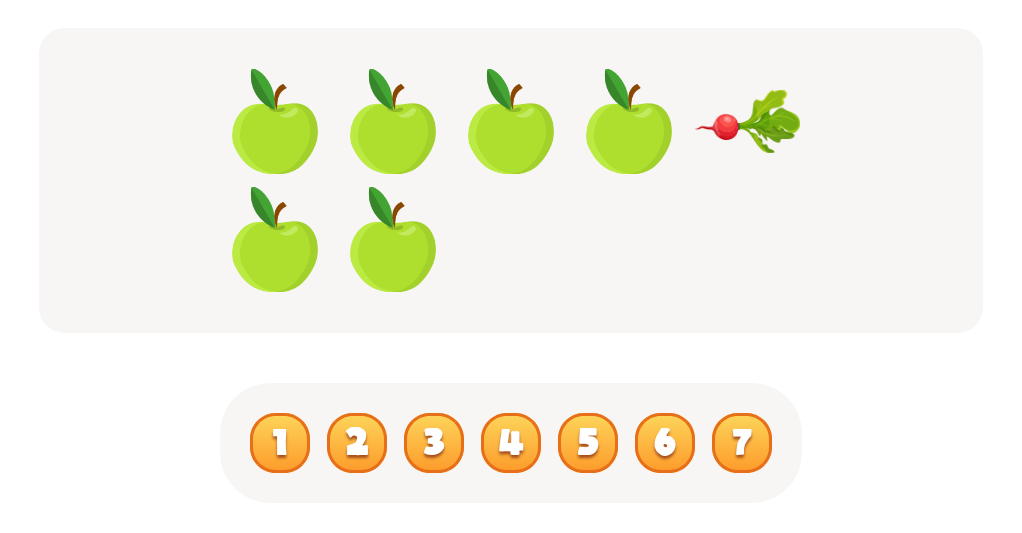
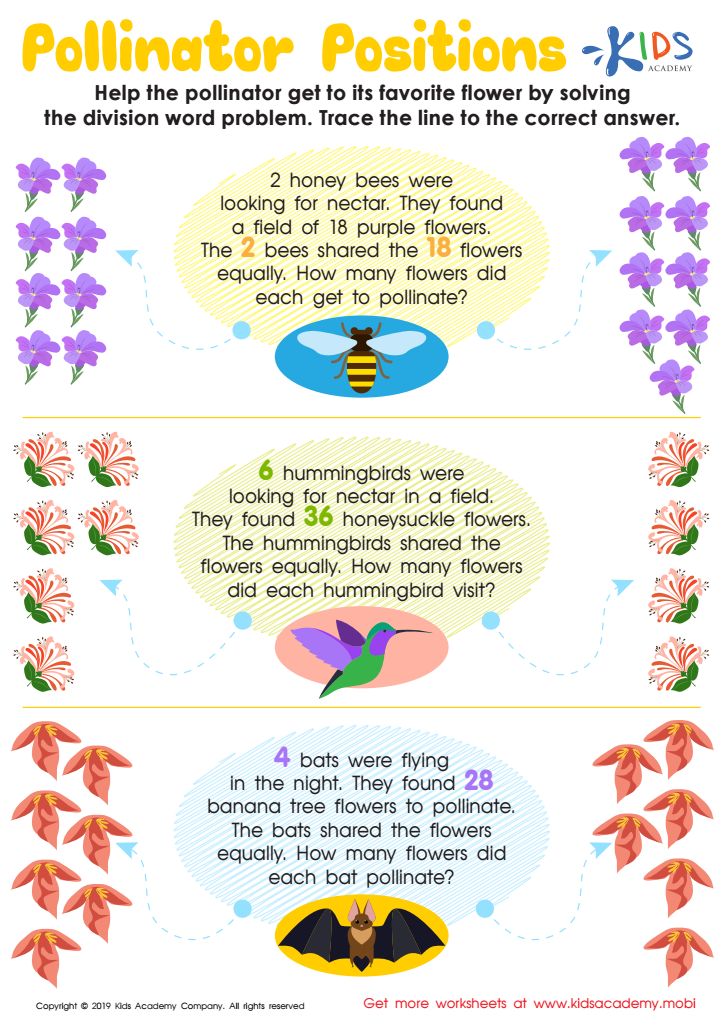
Pollinator Positions Worksheet
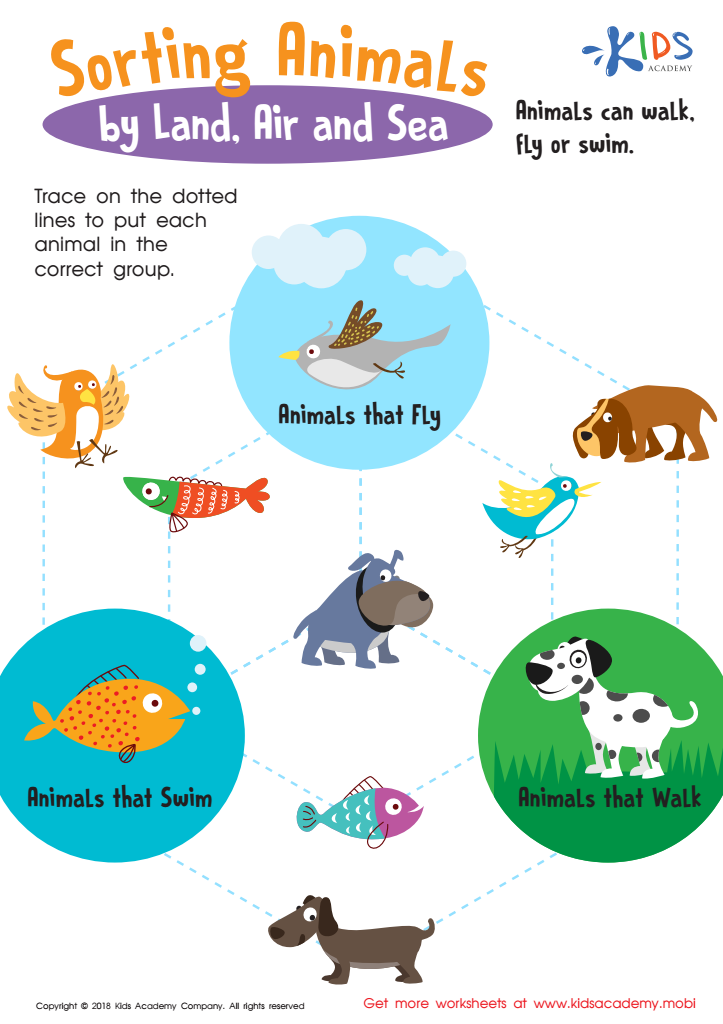
Sorting Animals by Land, Air and Sea Worksheet
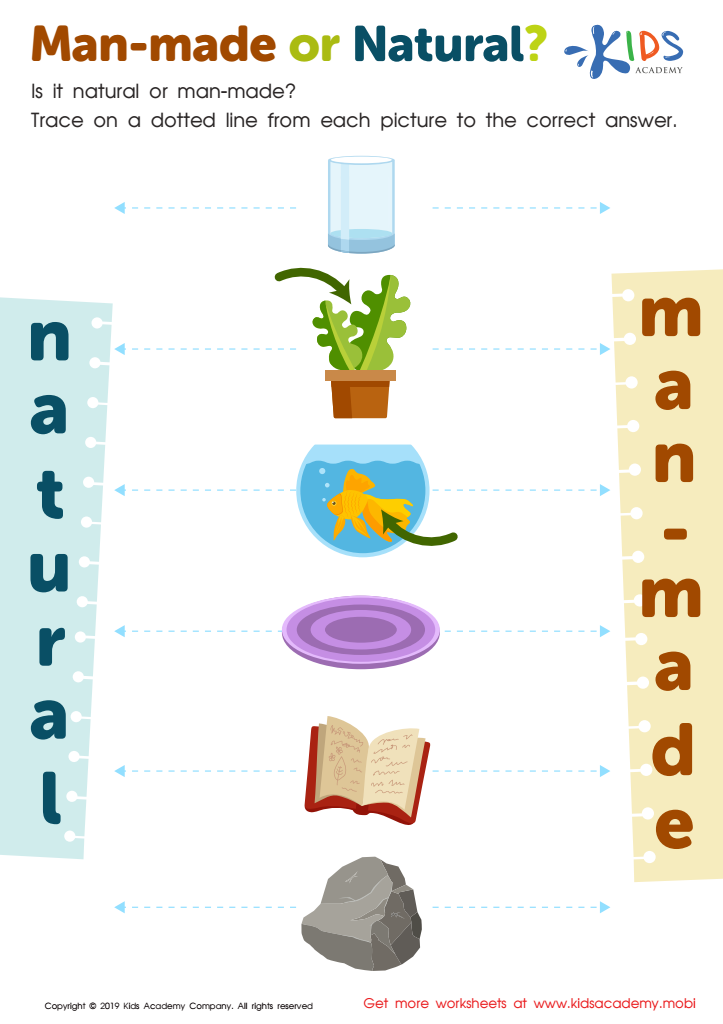
Man-Made or Natural? Worksheet
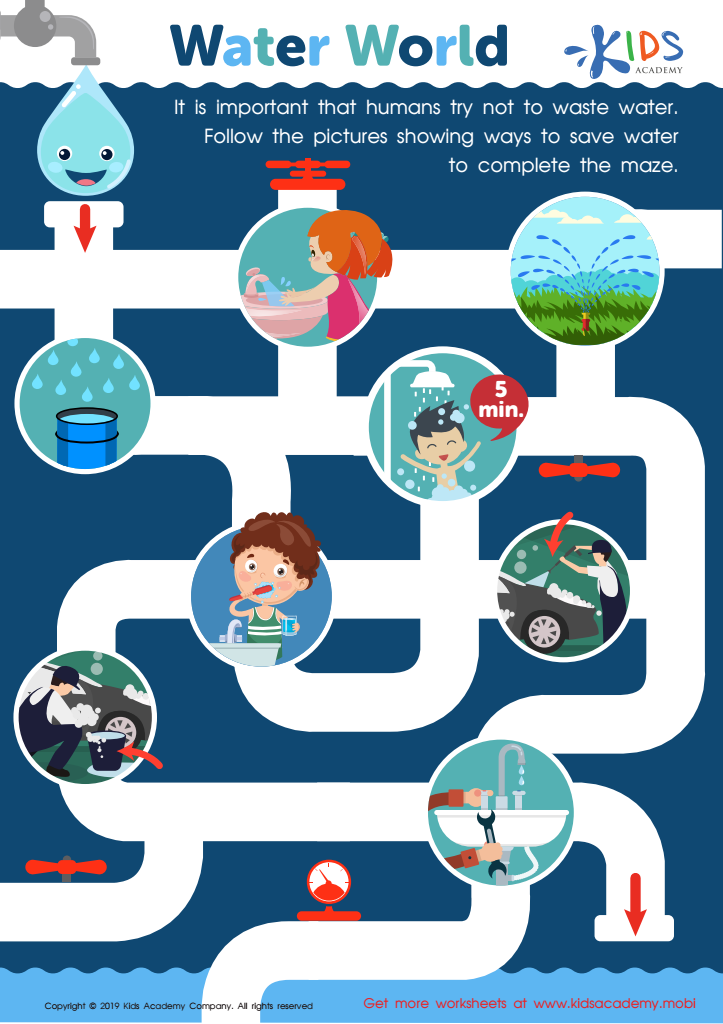
Water World Worksheet








Enhancing observation skills in young learners, particularly regarding normal plants and animals, is crucial for various developmental reasons. First, these skills foster critical thinking. By closely observing the details of plants and animals, children learn to ask questions, make connections, and draw conclusions based on their observations. This cultivates analytical abilities essential for future academic success.
Furthermore, understanding the natural world nurtures a sense of curiosity and wonder in children. Engaging with their environment helps them appreciate biodiversity, promoting empathy and respect for living organisms. It lays the foundation for environmental stewardship—a vital awareness as they grow in an increasingly interconnected world.
Additionally, cultivating observation skills can significantly improve children's language development. As they describe their findings, they expand their vocabulary and improve their communication skills, which are fundamental at this age.
Finally, these outdoor explorations provide invaluable opportunities for experiential learning. Observational activities encourage collaboration among peers, fostering social skills and teamwork as students share their discoveries. By nurturing observation skills related to plants and animals, parents and teachers equip children with the tools they need to become informed, engaged, and responsible learners and citizens.







