Learning about ecosystems Normal Plants and Animals Worksheets for Ages 6-8
3 filtered results
-
From - To
Discover the fascinating world of ecosystems with our "Learning about Ecosystems: Normal Plants and Animals Worksheets" designed for ages 6-8. These engaging worksheets help young learners explore various plants and animals, their habitats, and the roles they play in the environment. Specifically tailored to captivate curiosity and enhance understanding, these resources include fun activities, colorful illustrations, and thought-provoking questions. Perfect for both classroom and at-home learning, our worksheets make science enjoyable and educational, fostering a love for nature and life sciences from an early age. Visit Kids Academy now to enrich your child's learning journey!
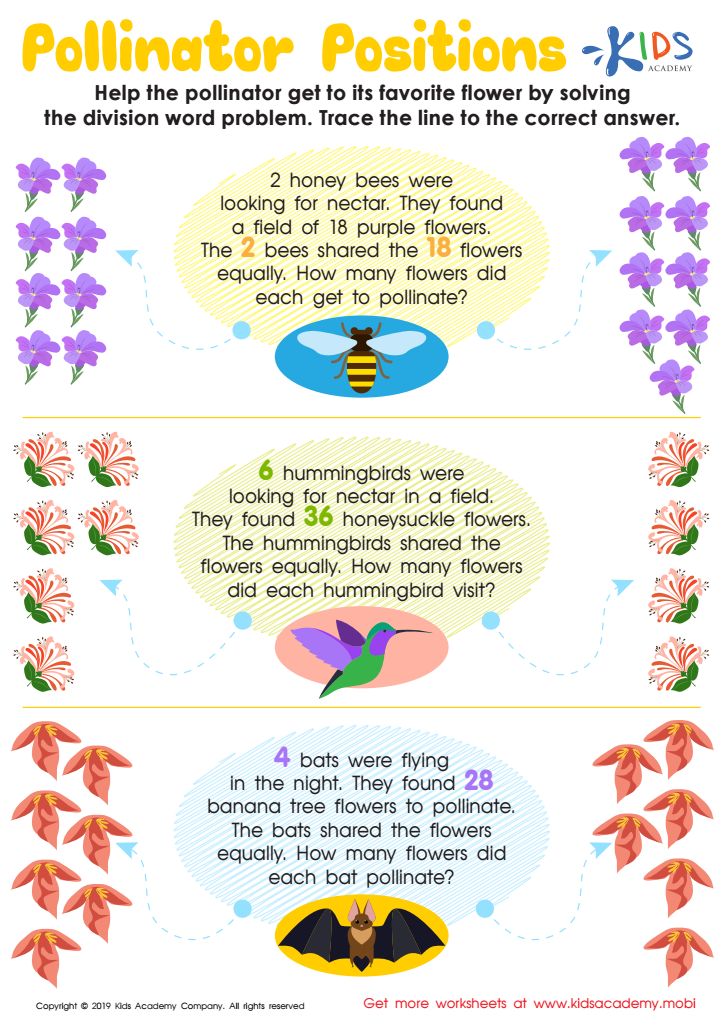
Pollinator Positions Worksheet
 Assign to My Students











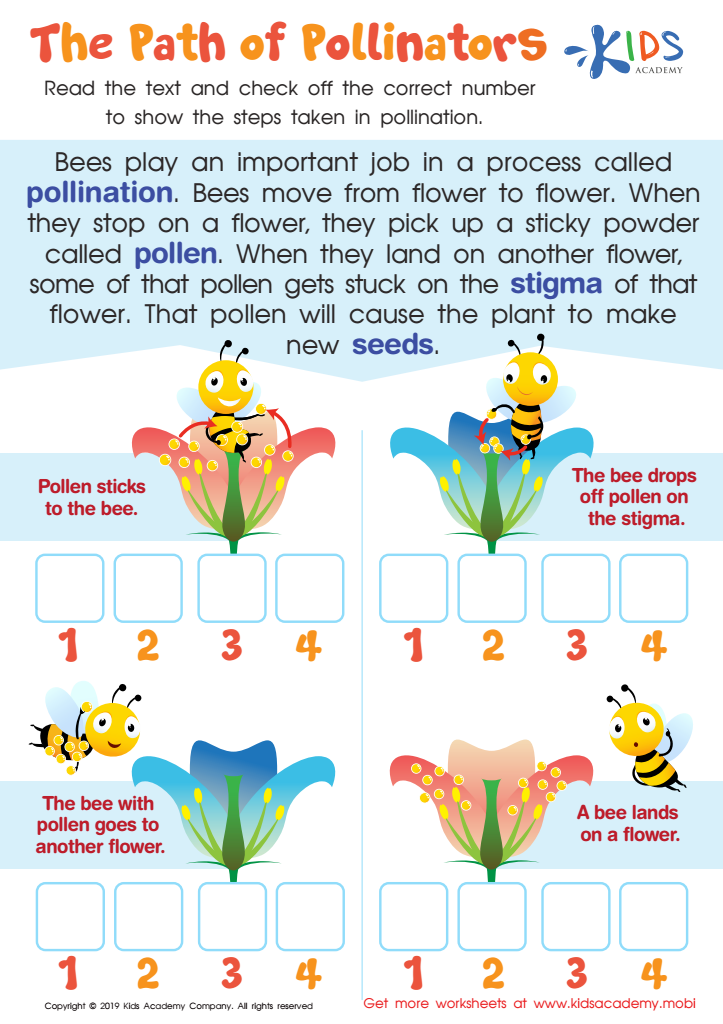
The Path of Pollinators Worksheet
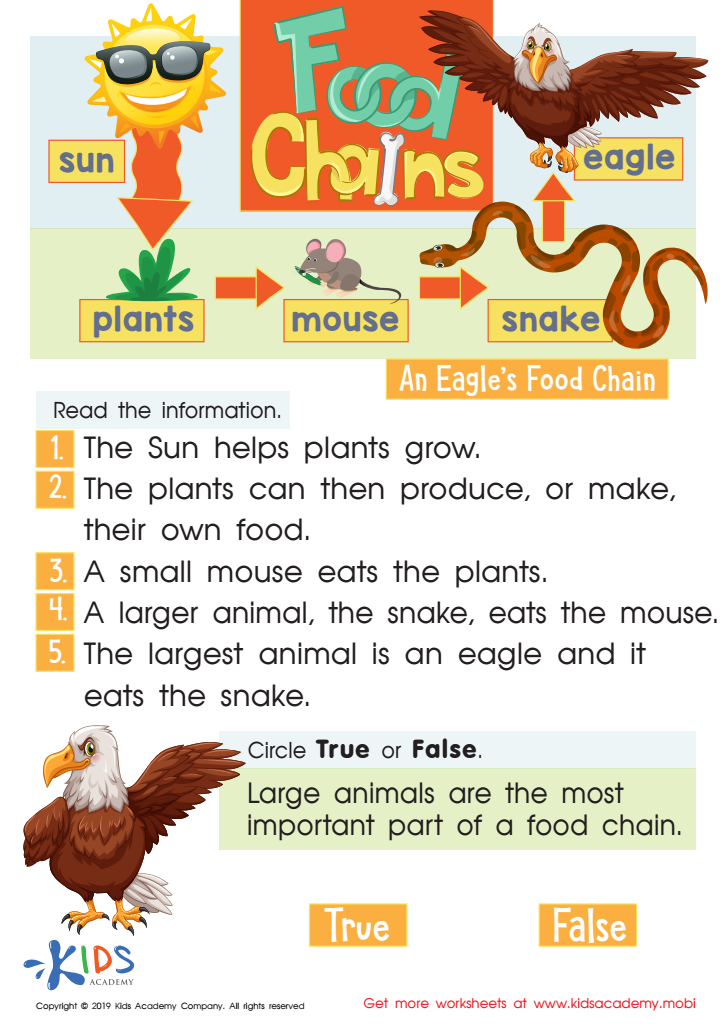
Food Chains Worksheet








Learning about ecosystems, normal plants, and animals at ages 6-8 is crucial for several developmental reasons. First, it helps young children cultivate a sense of curiosity and appreciation for the natural world, fostering lifelong environmental stewardship. By understanding how plants and animals interact within ecosystems, children can grasp the importance of biodiversity, as well as the role that each organism plays in maintaining ecological balance.
Second, early education on these topics promotes critical thinking and observational skills. Kids learn to compare, classify, and make inferences about different living things and their habitats. This foundational knowledge enhances their ability to engage with more complex scientific concepts as they progress academically.
Furthermore, learning about ecosystems connects well with other subjects, providing a holistic approach to education. For instance, children can enhance their reading skills through nature-related stories and improve mathematics abilities by measuring and documenting plant growth or animal behaviors. This interdisciplinary learning fosters a well-rounded intellect.
Lastly, it spurs emotional development; caring for living things nurtures empathy and responsibility. Activities like planting seeds or exploring local parks can be both educational and therapeutic, affording opportunities for meaningful life lessons while also nurturing a child’s mental and emotional well-being.
In sum, comprehending ecosystems and their inhabitants prepares children to be informed, empathetic, and thoughtful individuals.







