Understanding ecosystems Normal Plants and Animals Worksheets for Ages 6-8
4 filtered results
-
From - To
Explore the fascinating world of ecosystems with our "Understanding Ecosystems: Normal Plants and Animals" worksheets designed for ages 6-8. These engaging activities help young learners discover the relationships between plants, animals, and their environments. Through colorful illustrations and interactive tasks, children will enhance their knowledge of ecosystems while developing essential science skills. Perfect for classroom or home use, our worksheets encourage critical thinking, observation, and curiosity about nature. Give your child the tools to understand the balance of life on Earth and inspire a lifelong love for science and environmental awareness with these fun and educational resources.
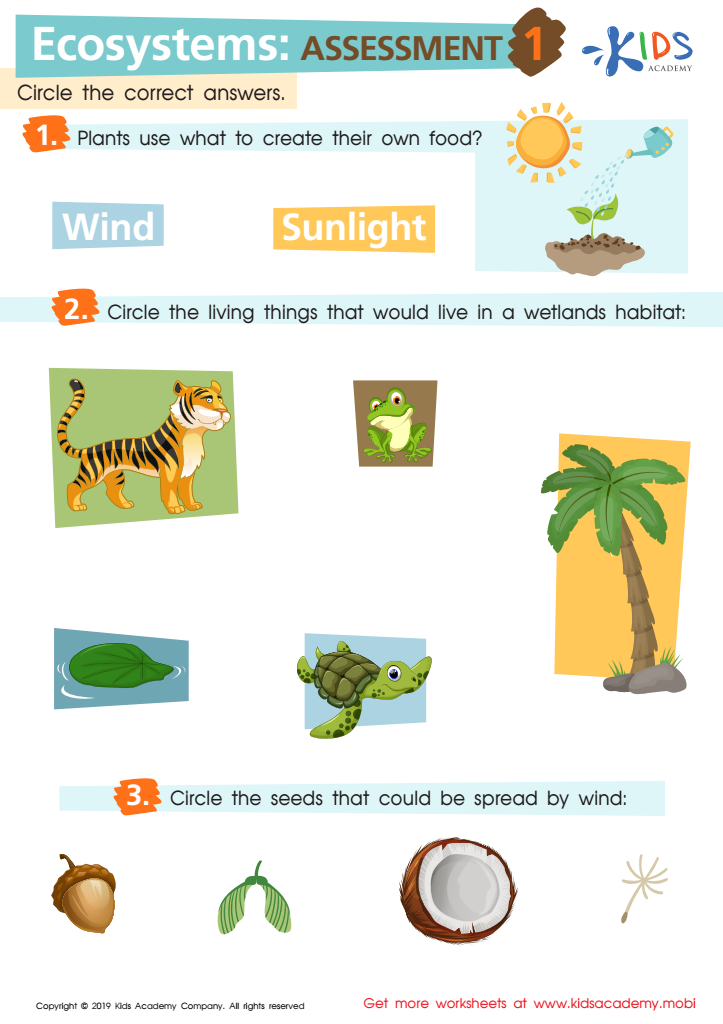
Ecosystems: Assessment 1 Worksheet
 Assign to My Students

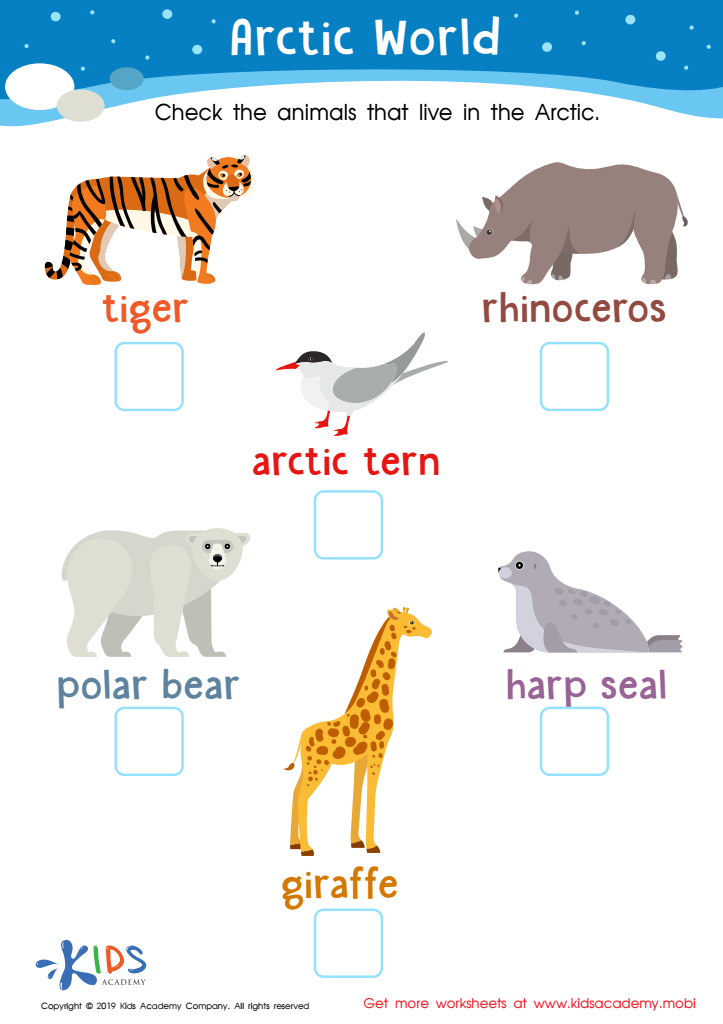
Arctic World Worksheet
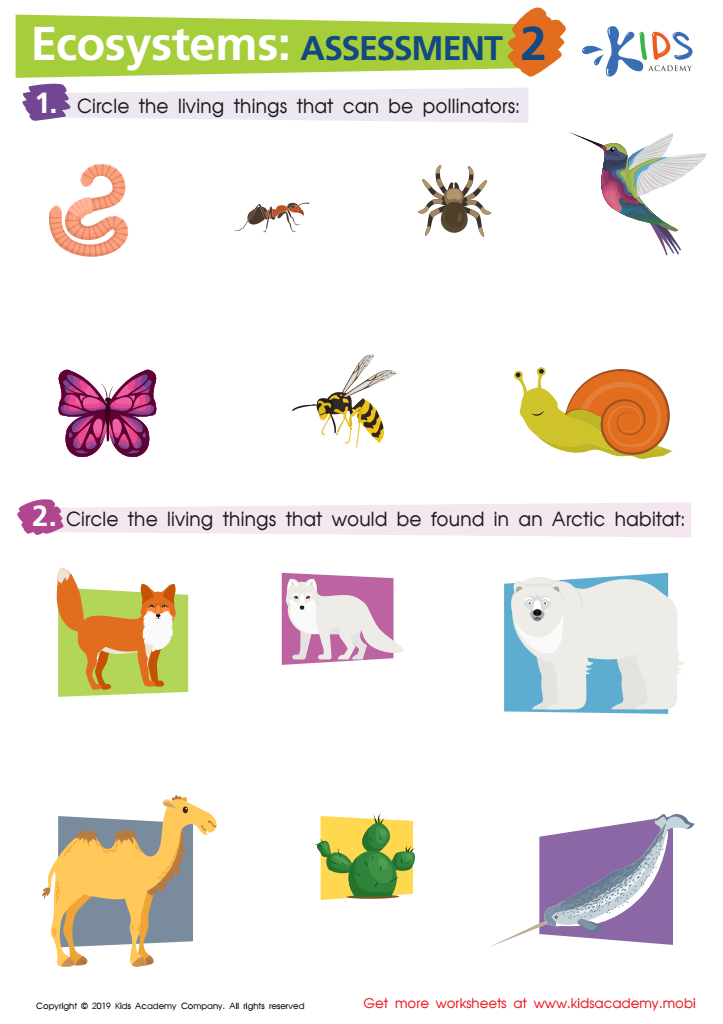
Ecosystems: Assessment 2 Worksheet
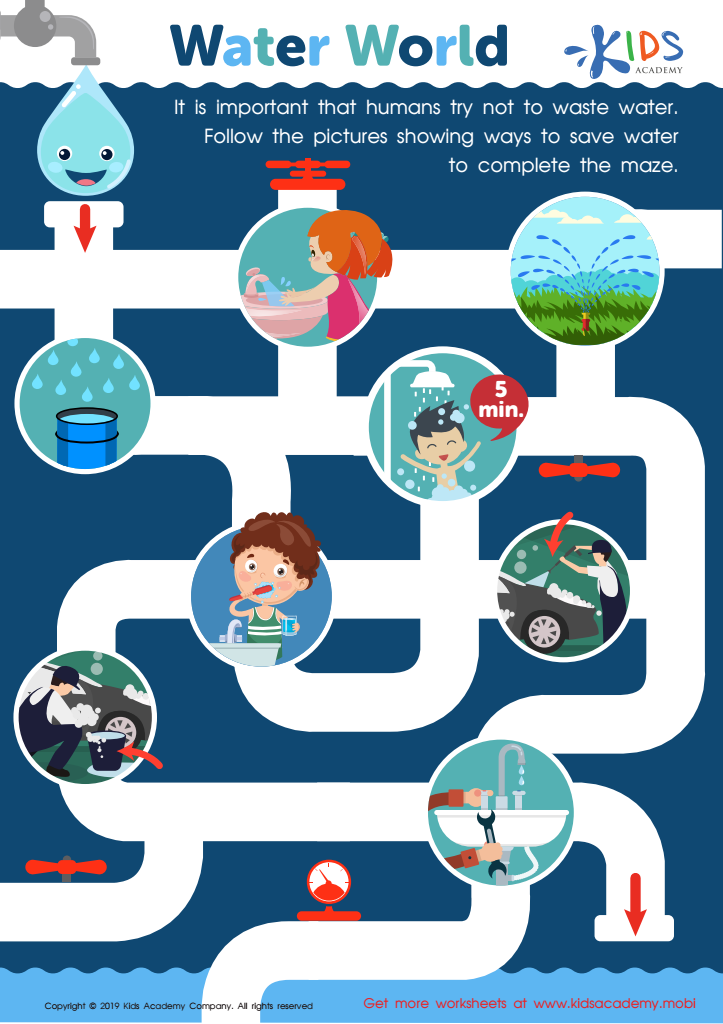
Water World Worksheet








Understanding ecosystems and normal plants and animals is crucial for children aged 6-8 as it lays the foundational knowledge for their environmental awareness and responsibilities. At this age, children are naturally curious and eager to learn about the world around them. Teaching them about ecosystems helps develop their appreciation for nature, fostering a sense of respect and empathy for all living things.
Moreover, early education about ecosystems informs children about the interdependence of plants and animals, illustrating how each organism plays a critical role in maintaining balance. For instance, understanding the role of bees in pollination can inspire future generations to advocate for conservation efforts. It also enhances critical thinking skills, enabling children to connect how human actions impact the environment.
Additionally, knowledge of normal plants and animals helps combat misinformation and fosters scientific literacy. Engaging children through hands-on experiences, such as nature walks or gardening, keeps their learning interactive and memorable, reinforcing the importance of stewardship.
In essence, parents and teachers should prioritize teaching about ecosystems as it equips children with the knowledge to make informed decisions and encourages them to become environmentally conscious individuals who can contribute positively to society and the planet.







