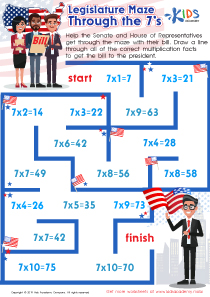
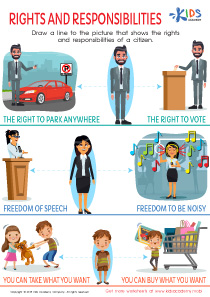
Problem-Solving Skills Normal Community Worksheets for Ages 6-8
5 filtered results
-
From - To
Enhance your child's problem-solving skills with our engaging worksheets designed specifically for ages 6-8! These printable resources focus on real-life community scenarios, encouraging young learners to think critically and develop their decision-making abilities. Each worksheet fosters creativity and logic through fun, relatable exercises that challenge children to explore different solutions. By working on these essential skills, kids will gain confidence and become more adept at tackling everyday problems. Perfect for home or classroom use, our Problem-Solving Skills Normal Community Worksheets are an excellent resource for teachers and parents alike. Start building your child's problem-solving foundation today!
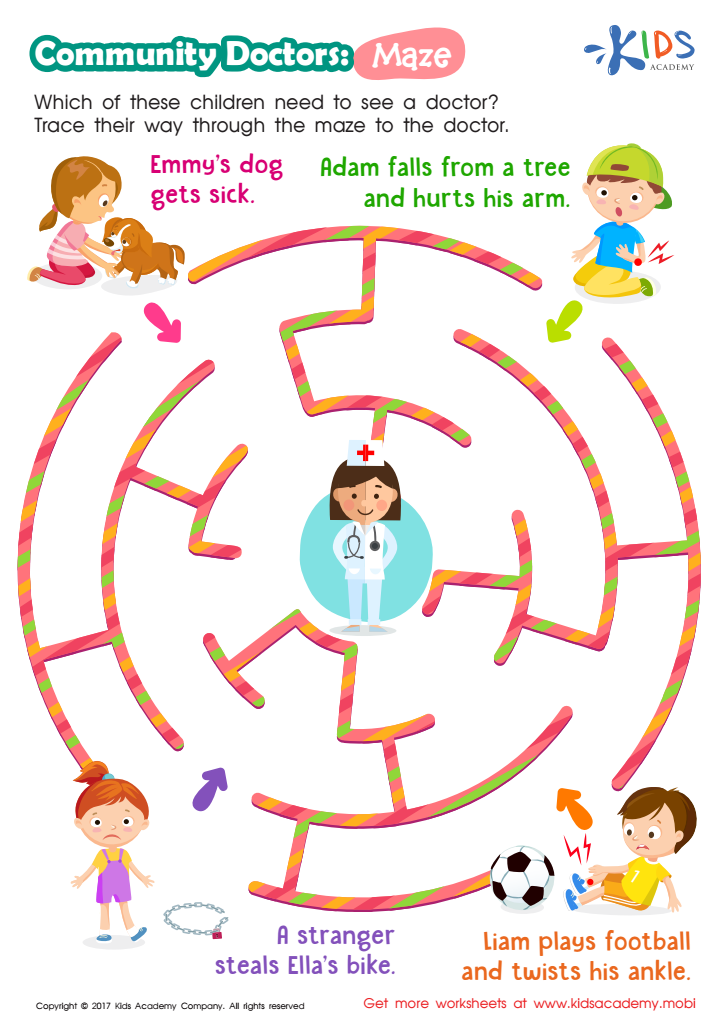
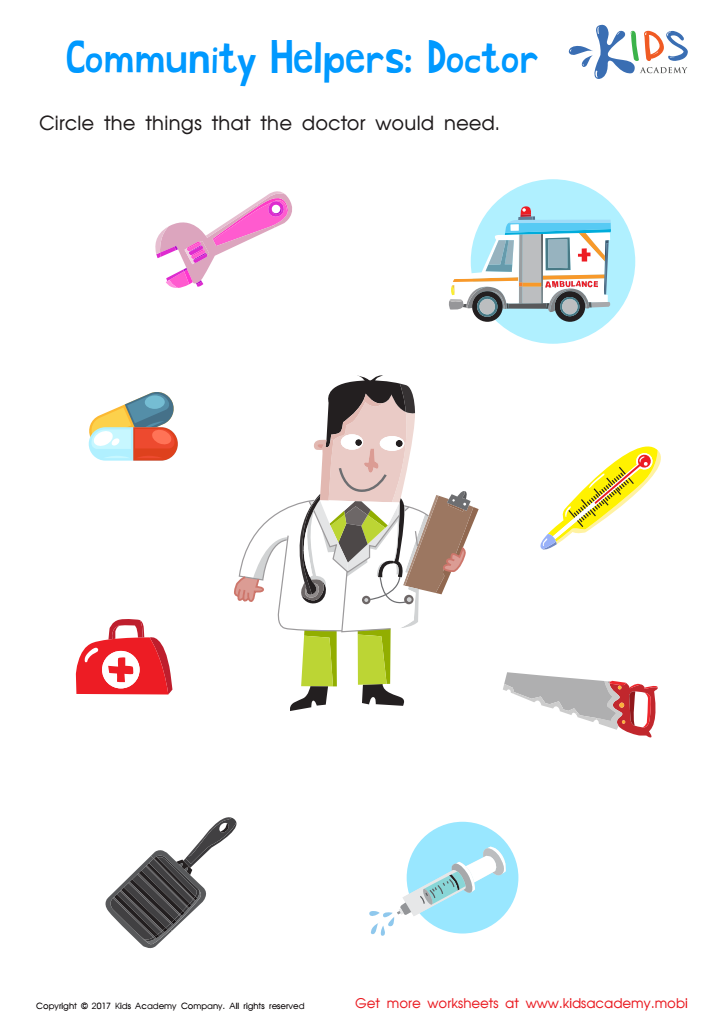
Community Doctors: Maze Printable
 Assign to My Students
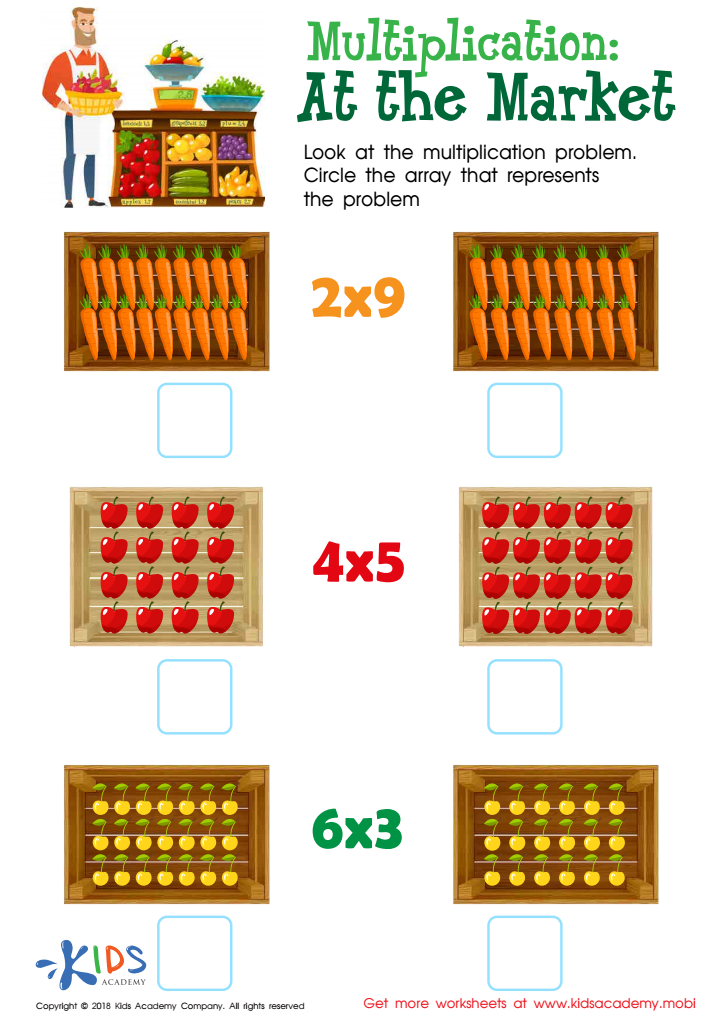
At the Market Worksheet
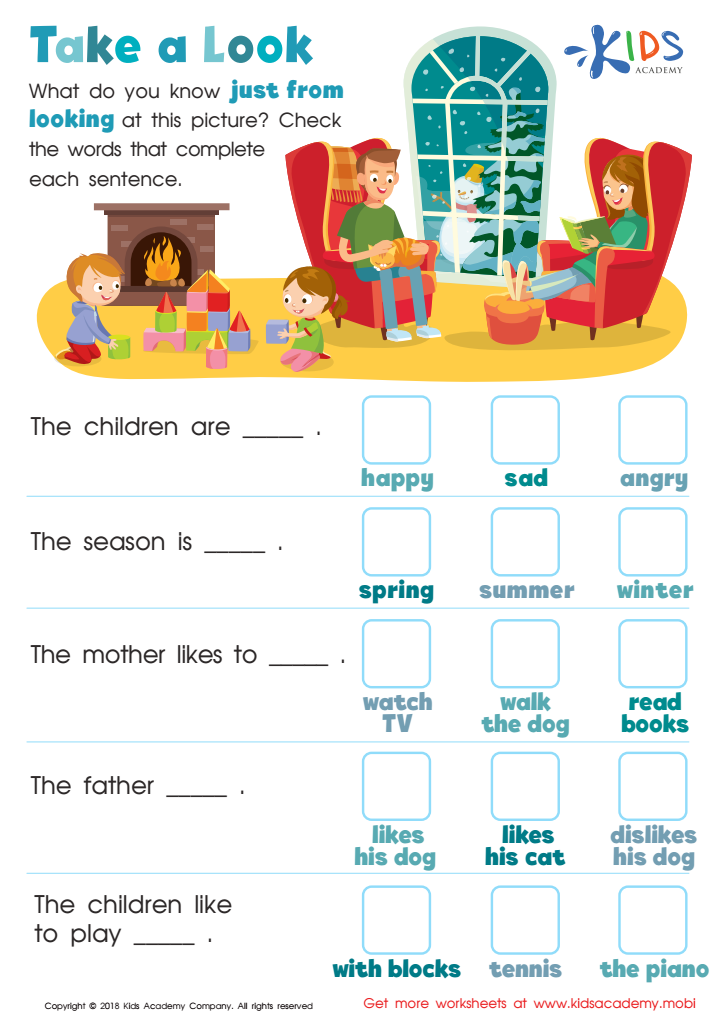
Take a Look - Part 1 Worksheet
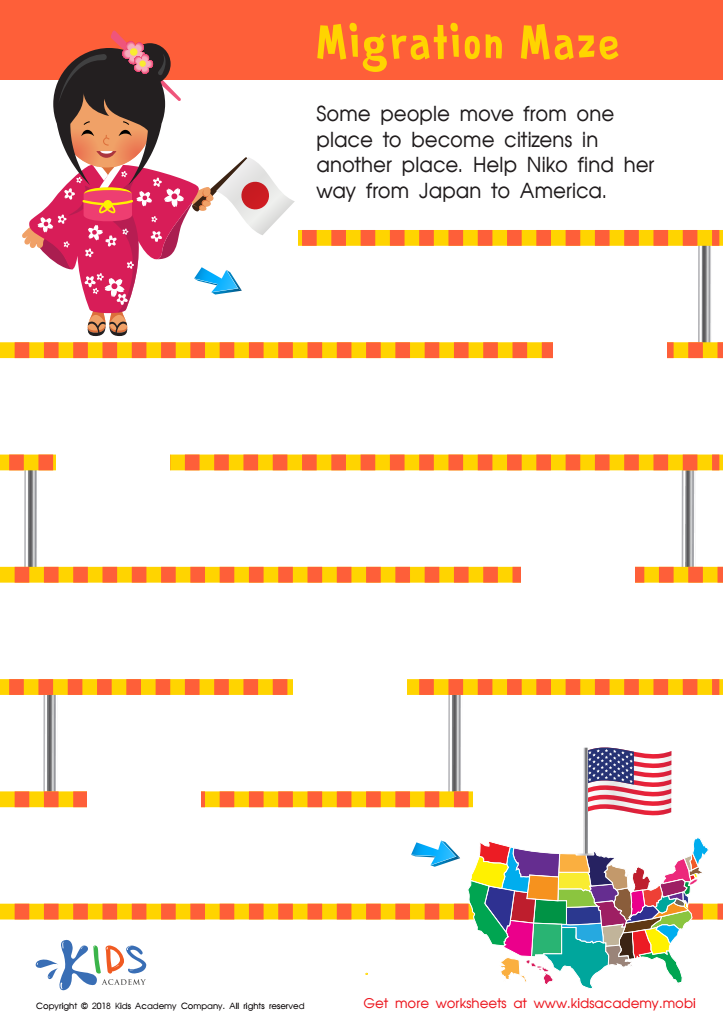
Migration Maze Worksheet







Problem-solving skills are crucial for children aged 6-8, as they foster independence, critical thinking, and resilience—qualities that promote overall development. At this age, children begin to encounter increasingly complex challenges, both academically and socially. Encouraging problem-solving skills helps them navigate these situations effectively, enhancing their confidence and ability to handle adversity.
Parents and teachers play a vital role in cultivating these skills. By incorporating problem-solving activities, such as puzzles, games, and open-ended questions, they create learning environments that stimulate curiosity and creativity. Moreover, engaging children in discussions about different solutions to common problems not only boosts their cognitive abilities but also improves their communication skills and ability to work collaboratively with others.
Furthermore, nurturing problem-solving skills in a normal community setting encourages cooperation among peers, helping children to understand diverse perspectives and approaches to challenges. This collaboration builds empathy and social awareness, vital components of a harmonious community. By prioritizing the development of these skills, parents and teachers ensure that children become adept thinkers and contributors to society, equipped to tackle the problems of the future. Thus, advocating for problem-solving opportunities can significantly enhance a child's learning journey and personal growth.