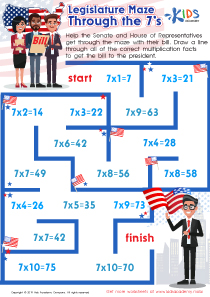
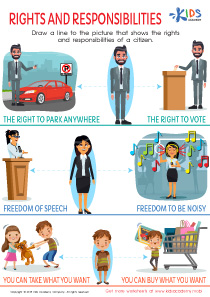
Developing analytical skills Normal Social Studies Worksheets for Ages 6-8
3 filtered results
-
From - To
Explore our engaging Normal Social Studies Worksheets designed for young learners aged 6-8, aimed at developing crucial analytical skills. These worksheets offer interactive activities that encourage critical thinking, problem-solving, and the ability to analyze information effectively. Your child will navigate fun scenarios, engage with thought-provoking questions, and enhance their understanding of social studies concepts in a stimulating environment. Perfect for classroom or at-home learning, our resources promote curiosity and foster comprehension. Equip your child with the analytical tools they need to succeed in their educational journey. Discover the joy of learning with our thoughtfully crafted worksheets today!
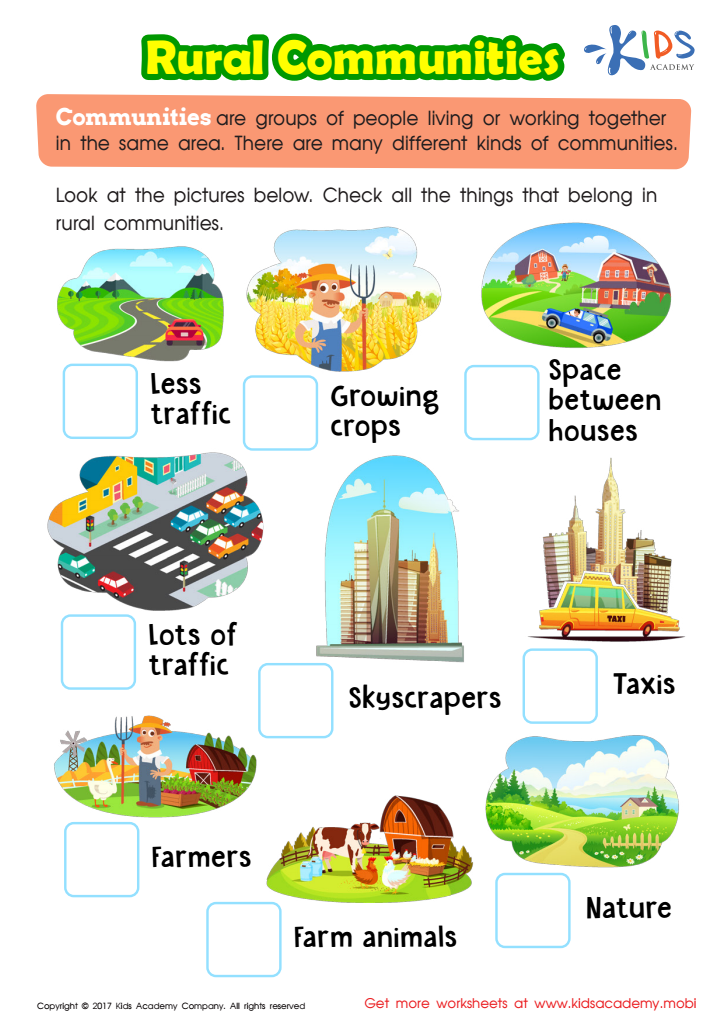
Rural Communities Printable
 Assign to My Students
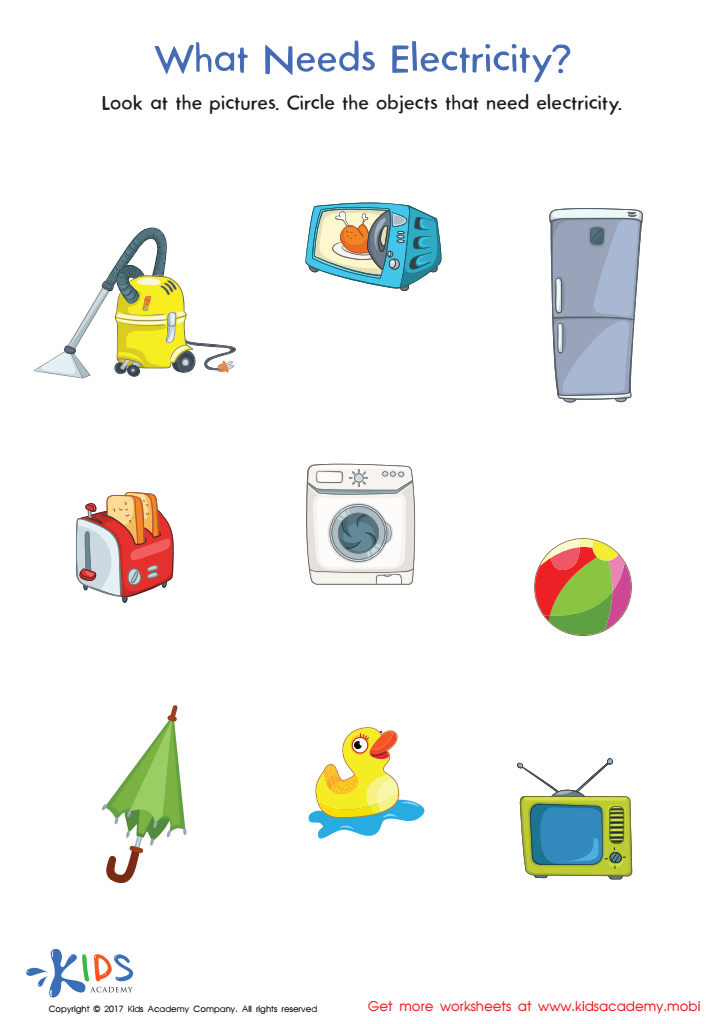
What Needs Electricity Printable
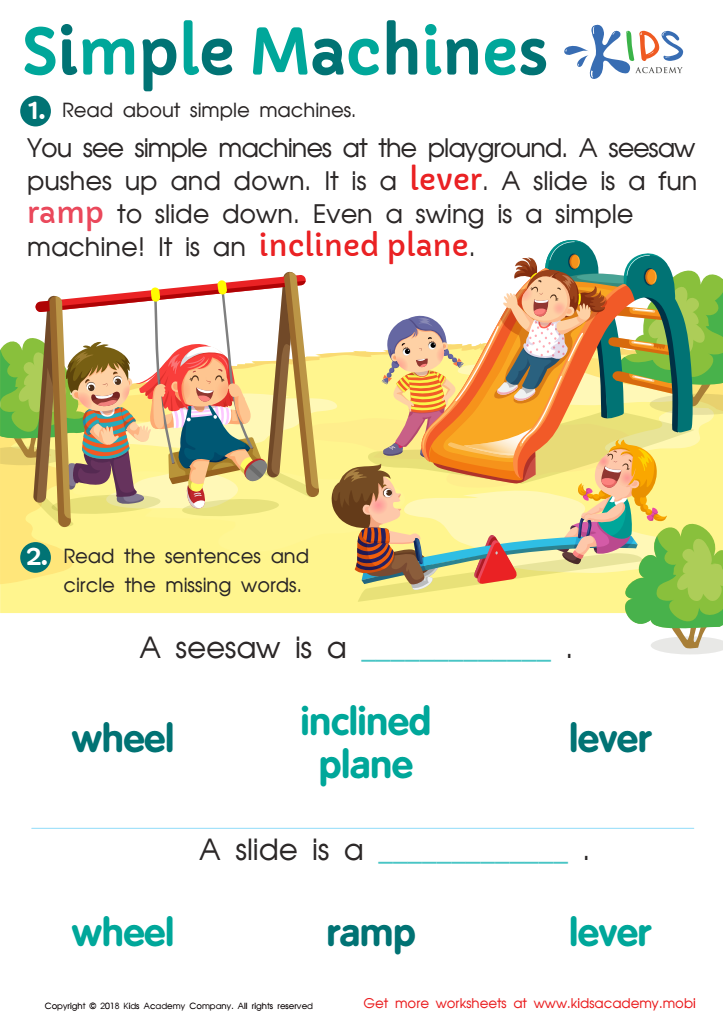
Simple Machines Worksheet







Developing analytical skills through social studies for children aged 6-8 is crucial for several reasons. First, social studies cultivates a child's ability to understand their community and the broader world, promoting awareness of society, culture, and history. When parents and teachers support this development, they empower children to think critically about social issues they encounter daily, such as diversity, equity, and citizenship.
At this age, children's cognitive abilities are evolving, and they are beginning to ask questions and seek deeper understanding. Engaging them in activities that require analysis—like comparing different cultures or discussing historical events—helps nurture their ability to evaluate information, discern facts from opinions, and understand multiple perspectives. These skills are foundational for lifelong learning and responsible citizenship.
Moreover, analytical skills in social studies foster emotional intelligence. Understanding societal dynamics can enhance empathy, helping children comprehend the feelings of others and their place within various social contexts. Ultimately, nurturing these skills not only prepares children for academic success but also equips them with the tools to navigate and contribute positively to the world around them. It prepares them to be informed, reflective, and engaged individuals, which is beneficial for society as a whole.