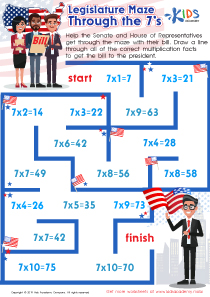
Shape Recognition Normal Social Studies Worksheets for Ages 6-8
3 filtered results
-
From - To
Unlock young minds with our engaging Shape Recognition Social Studies Worksheets tailored for ages 6-8. These colorful and interactive worksheets are designed to blend foundational geometry skills with essential social studies concepts. Children will explore shapes while learning about community structures, landmarks, and cultural symbols. Ideal for both classroom use and homeschooling, these activities promote critical thinking, cognitive development, and spatial awareness. Perfect for educators and parents aiming to foster a love for learning and provide a strong academic foundation. Elevate your child's educational journey with our fun, easy-to-understand shape recognition worksheets today.
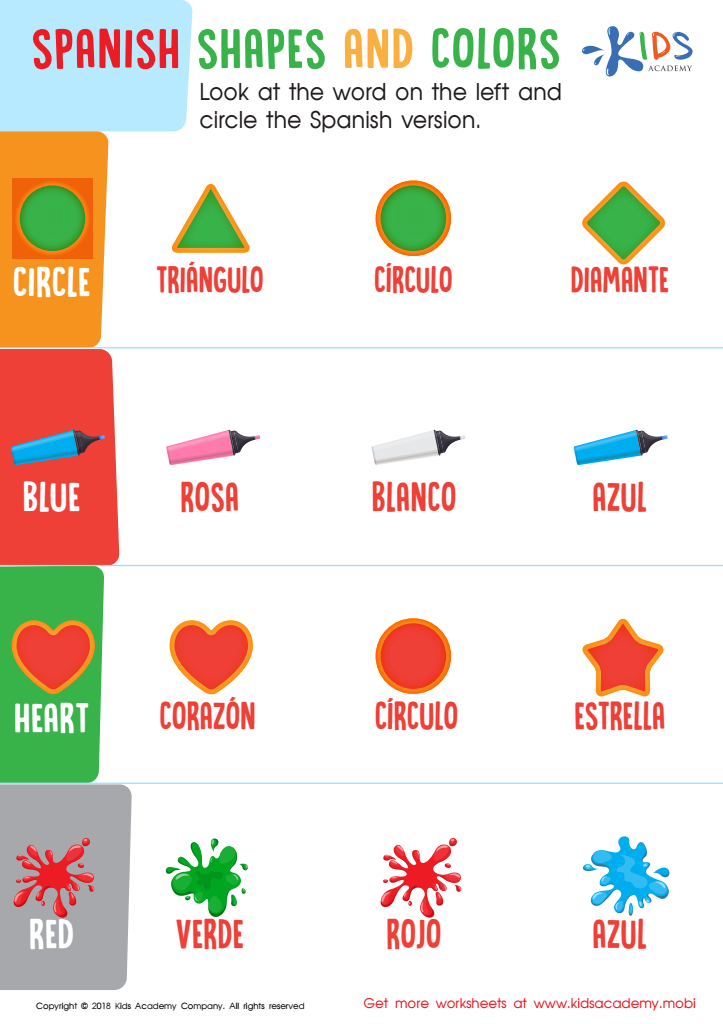
Spanish Shapes and Colors Worksheet
 Assign to My Students
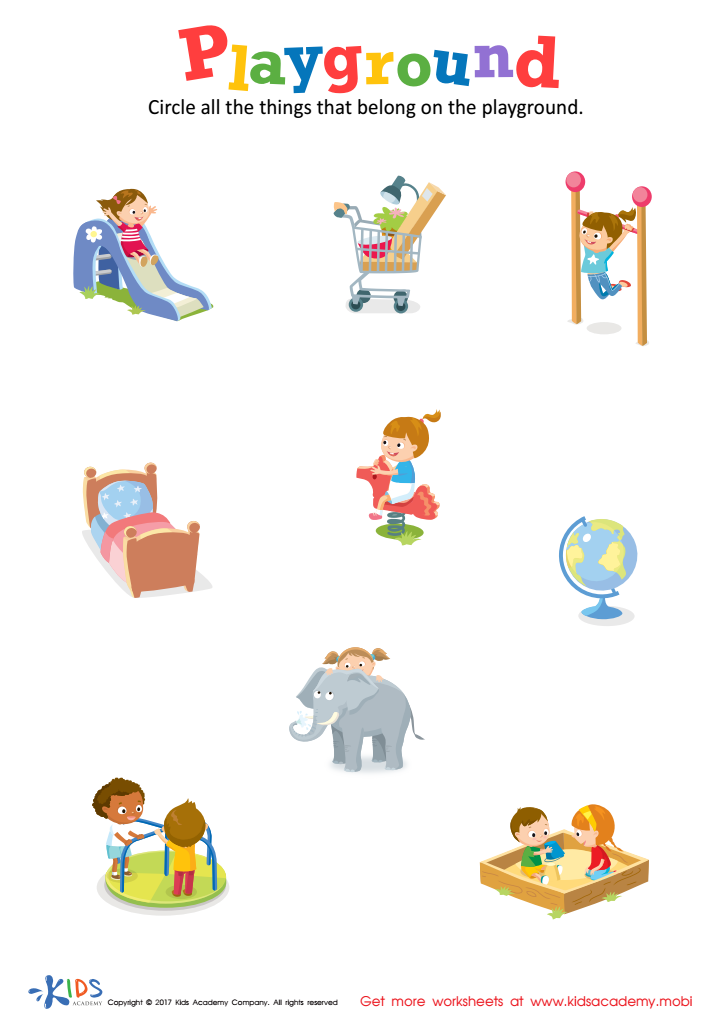
Playground Worksheet
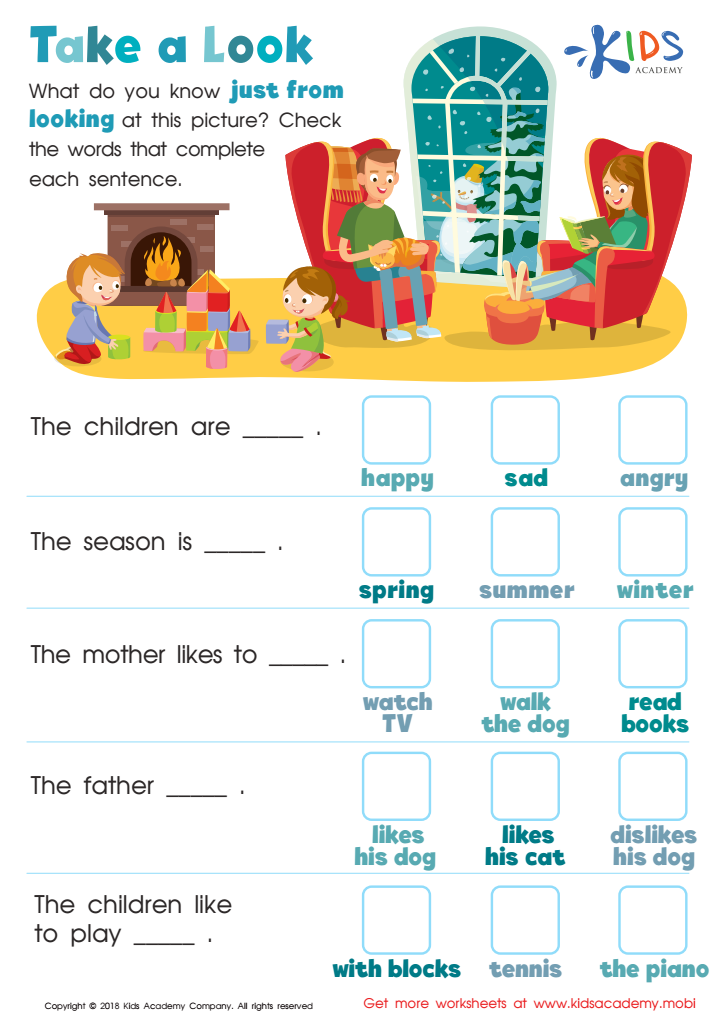
Take a Look - Part 1 Worksheet



.jpg)


Shape recognition and a foundational understanding of social studies are essential in the development of young children, specifically those aged 6-8. Recognizing shapes goes beyond identifying circles, squares, and triangles; it enhances cognitive skills necessary for future learning in math, reading, and problem-solving. Shape recognition helps children understand the world around them through visual discrimination, spatial reasoning, and pattern recognition. It's crucial for interpreting signs and symbols, vital cognitive processes.
On the social studies front, early exposure instills a sense of cultural awareness, community, and history. Understanding social roles, community helpers, and basic geography helps children develop empathy and social skills. When young learners grasp concepts like citizenship, respect, and cooperation, they are better prepared to engage in a diverse world.
The integration of shape recognition and social studies in early education encourages well-rounded intellectual growth. Shape identification can be connected to various social studies themes, such as recognizing geometric shapes in historical artifacts or categorizing objects based on cultural significance. By fostering both these areas, parents and teachers support holistic development, prep students for academic success, and help them grow into socially responsible individuals. Combining these fields in a child's education provides a robust framework for understanding both the physical and social dynamics of the world.