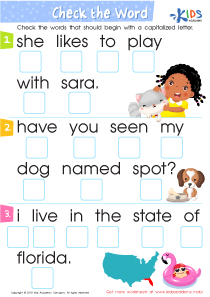
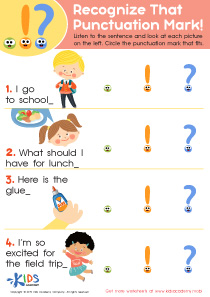
Reading Skills Normal Grammar Worksheets for Ages 6-8
5 filtered results
-
From - To
Boost your child's reading skills with our engaging "Reading Skills Normal Grammar Worksheets" designed specifically for ages 6-8. These worksheets provide fun and educational activities to enhance grammar understanding and improve literacy. Young learners will explore sentence structure, punctuation, and context through a variety of interactive exercises. Tailored to meet early learning standards, our worksheets promote critical thinking and comprehension, making learning enjoyable. Perfect for use in classrooms or at home, these resources support children in developing essential reading skills necessary for academic success. Equip your child for brilliance in reading and writing today!
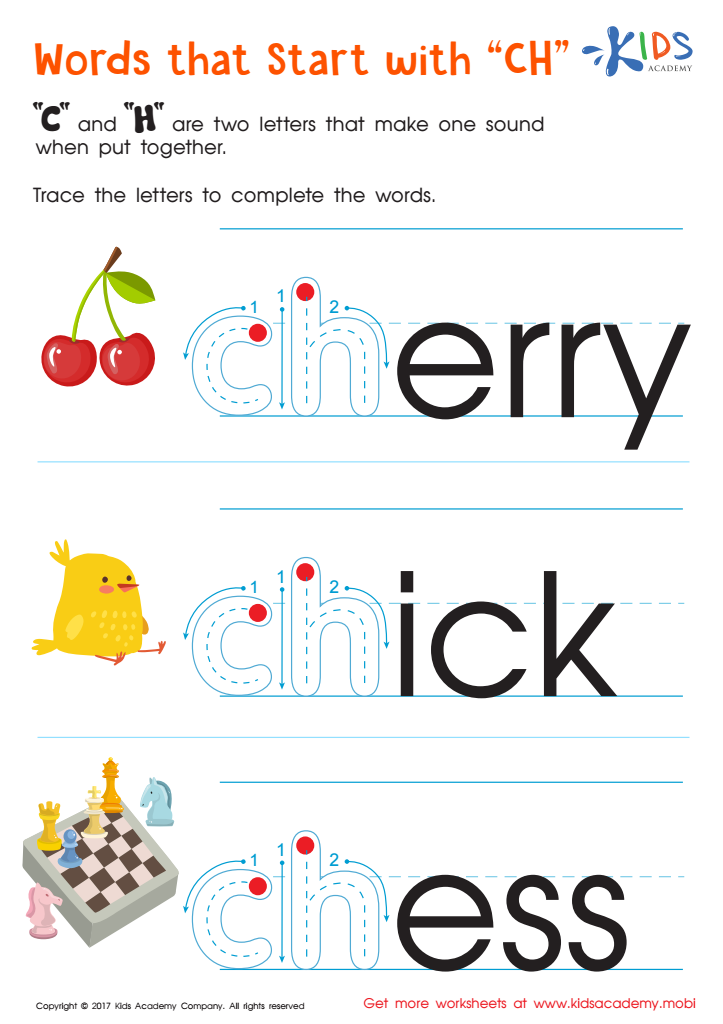
Words That Start with "ch" Spelling Worksheet
 Assign to My Students
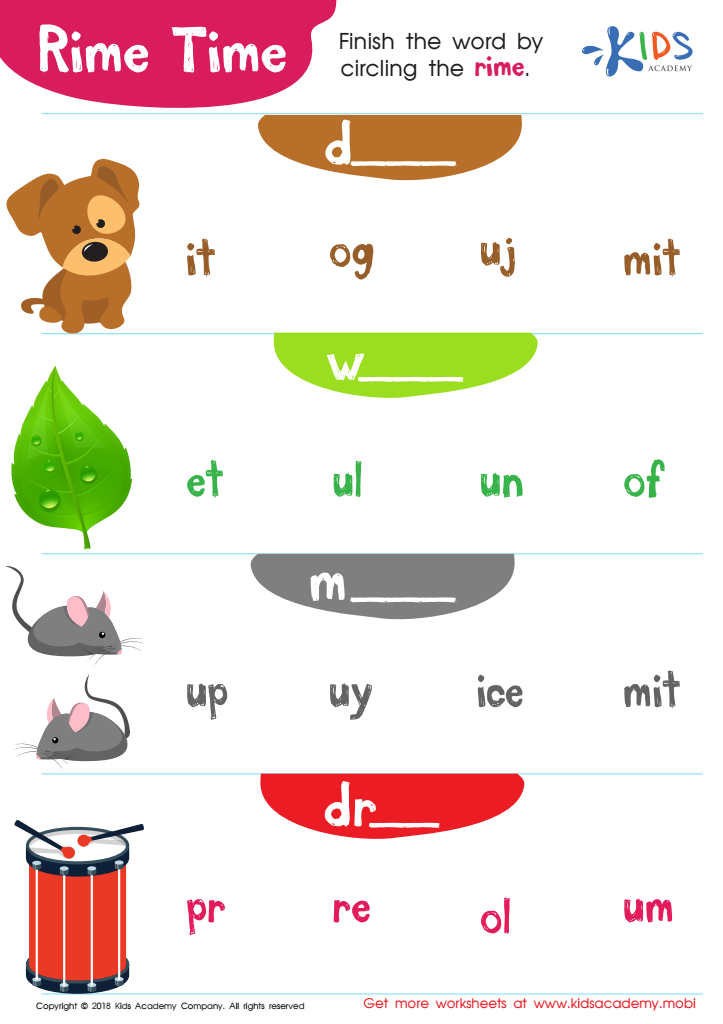
Rime Time Worksheet
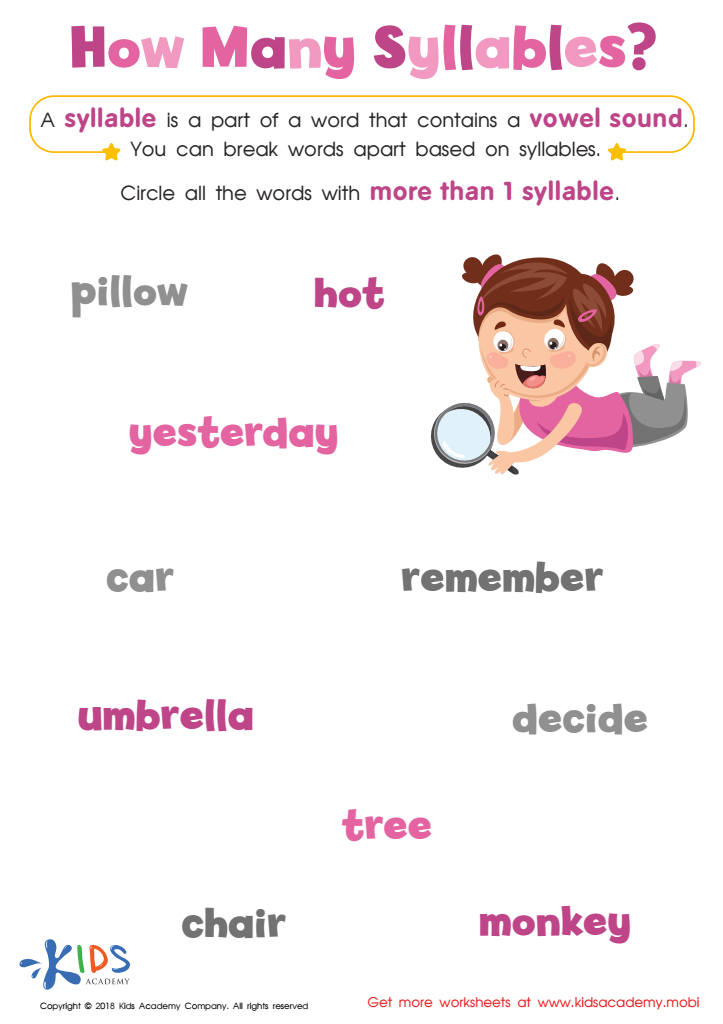
Reading: How Many Syllables Worksheet
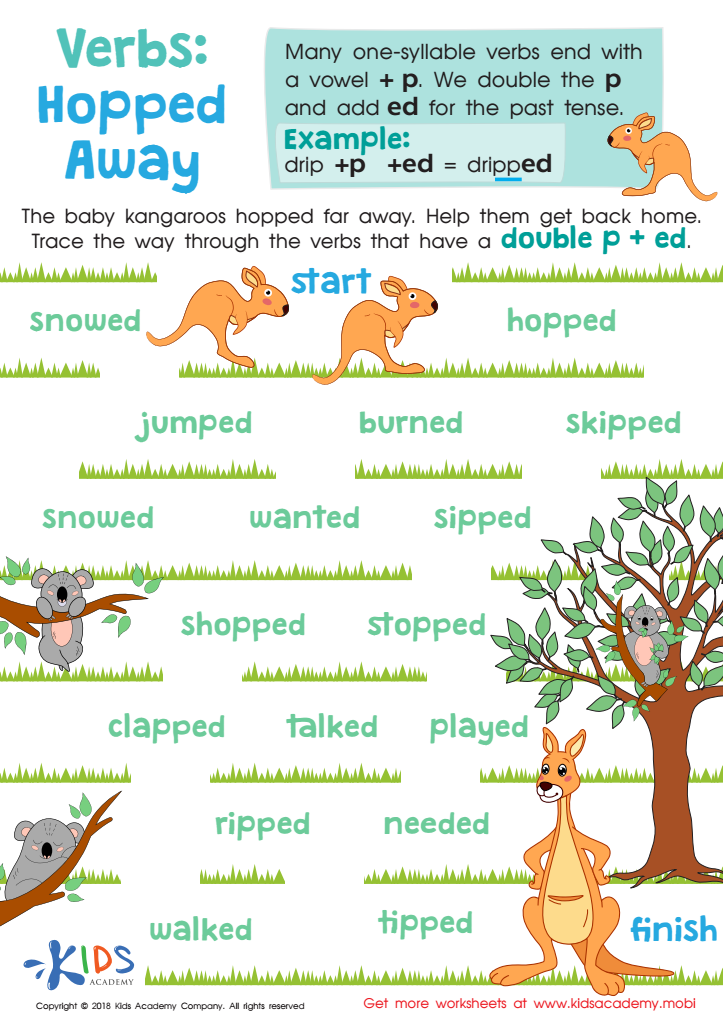
Verbs: Hopped Away Worksheet
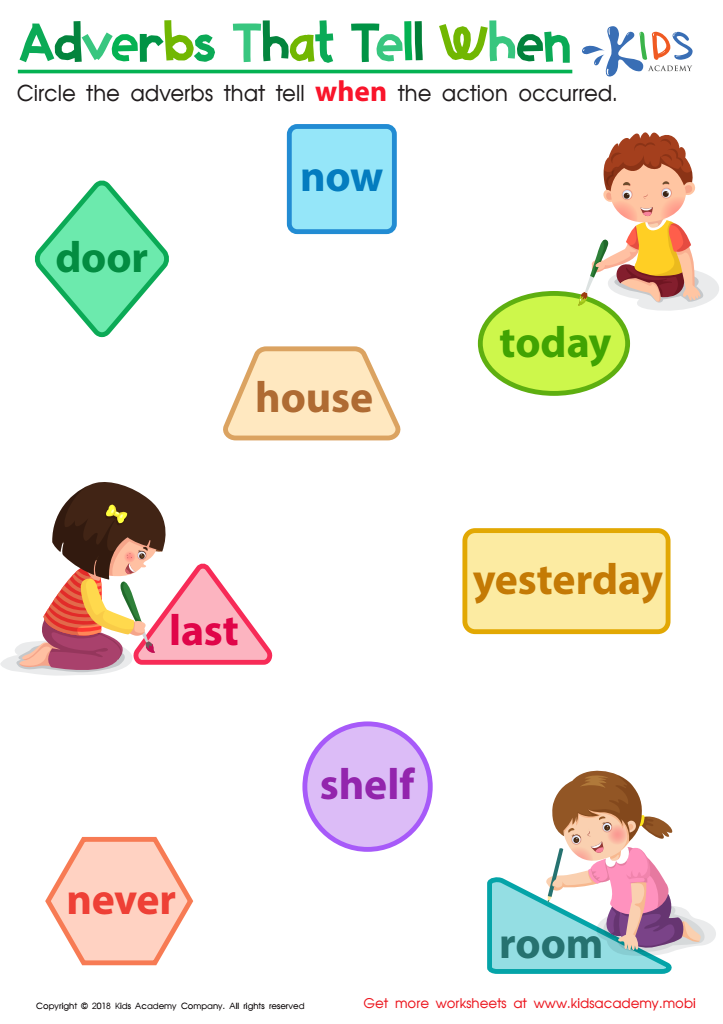
Adverbs That Tell us When Worksheet






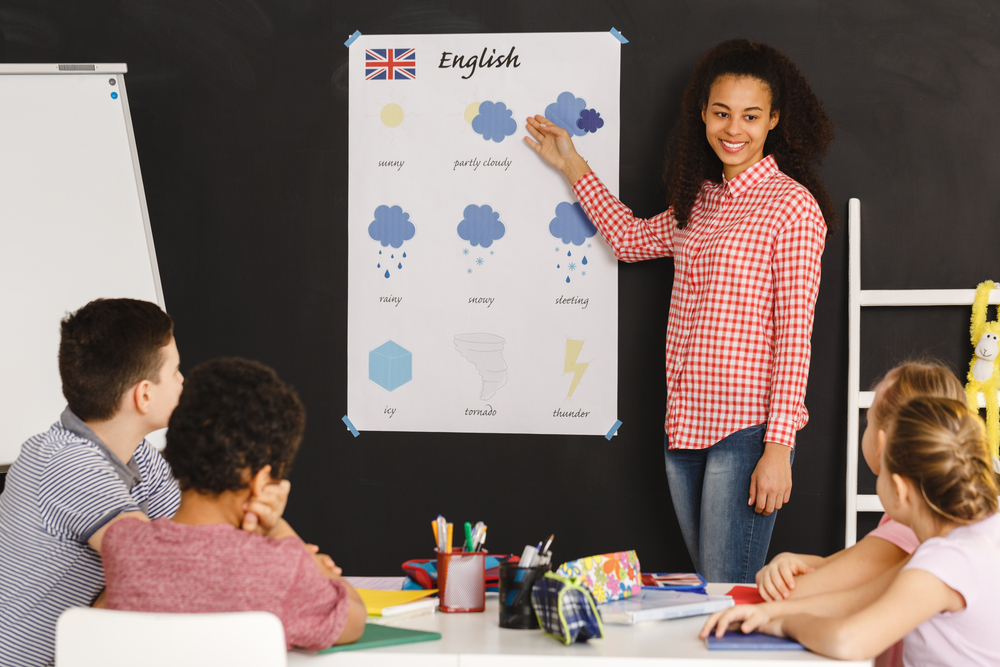
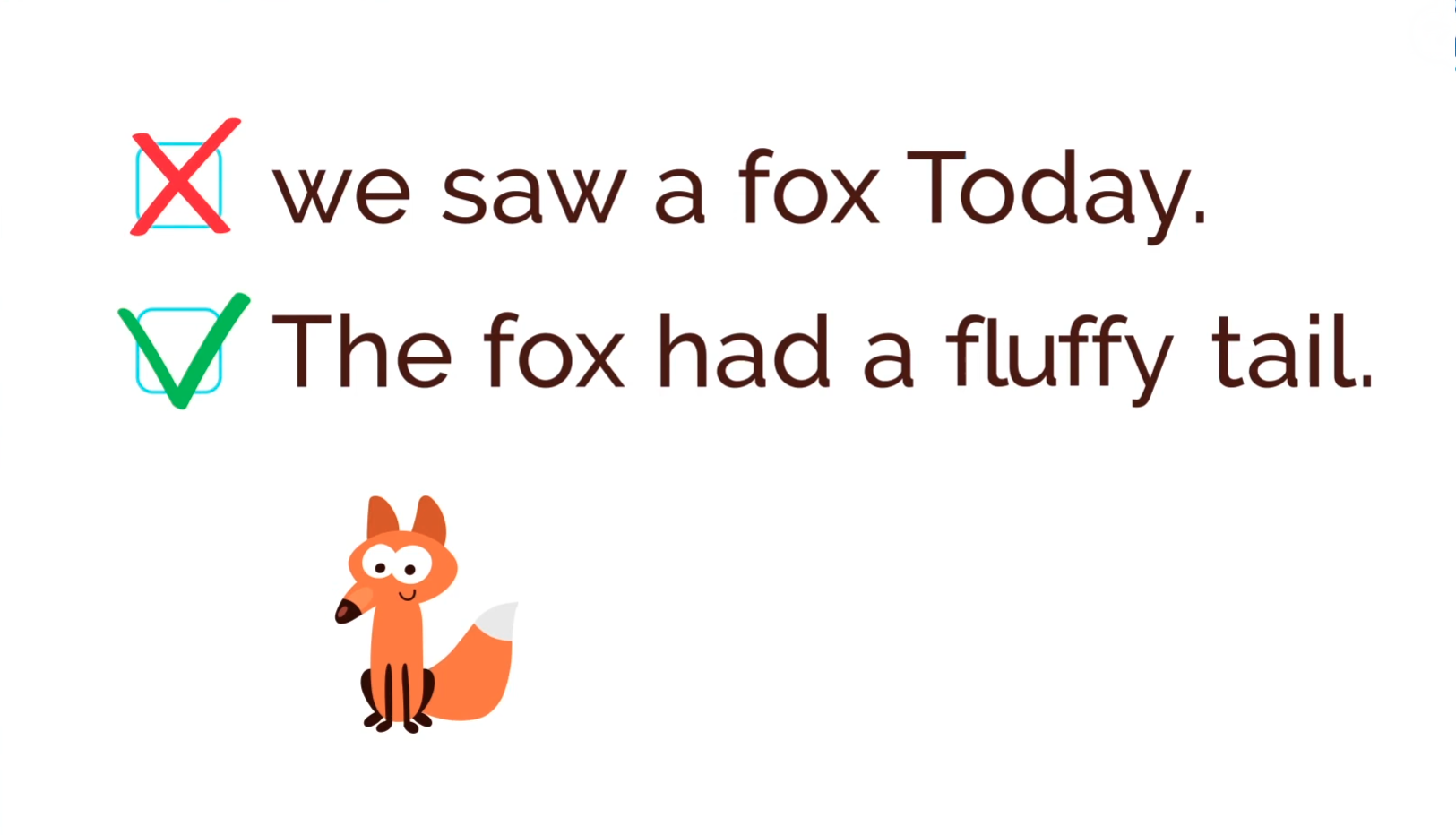
Parents and teachers should prioritize teaching reading skills and normal grammar for children aged 6-8 because this foundational stage significantly impacts a child’s overall development. During these crucial years, children's brains are highly receptive to language and literacy, making it the perfect time to instill strong reading habits. Proficient reading skills enhance vocabulary acquisition, comprehension, and critical thinking, which are essential for academic success and lifelong learning.
Understanding normal grammar helps children express themselves clearly and confidently. It lays the groundwork for effective communication, enabling them to articulate ideas and emotions, which is vital for social interactions and future educational settings. Moreover, strong reading skills correlate with better performance across subjects—beyond language arts, including mathematics and science—providing a well-rounded education.
Additionally, improving reading and grammar skills fosters a love for reading, promoting a habit that supports ongoing education and lifelong curiosity. When parents and teachers actively engage in facilitating these skills, they empower children to reach their full potential, preparing them for the challenges of higher education and the wider world. By caring about and investing in literacy during these formative years, guardians and educators can help shape enthusiastic, articulate, and confident learners.