Reading comprehension Normal ABC Letters Worksheets for Ages 6-9
3 filtered results
-
From - To
Discover our engaging Reading Comprehension Normal ABC Letters Worksheets, designed specifically for children ages 6-9. These worksheets help young learners enhance their reading skills while becoming familiar with the alphabet. Each activity features a variety of fun exercises that encourage critical thinking and comprehension through interactive storytelling, match-ups, and quizzes. Our thoughtfully crafted materials aim to make learning enjoyable while building essential literacy skills. Perfect for classroom use or at-home learning, these worksheets support a solid foundation in reading comprehension, ensuring kids grasp the concepts with confidence. Boost your child's literacy journey today with our printable, easy-to-use resources!
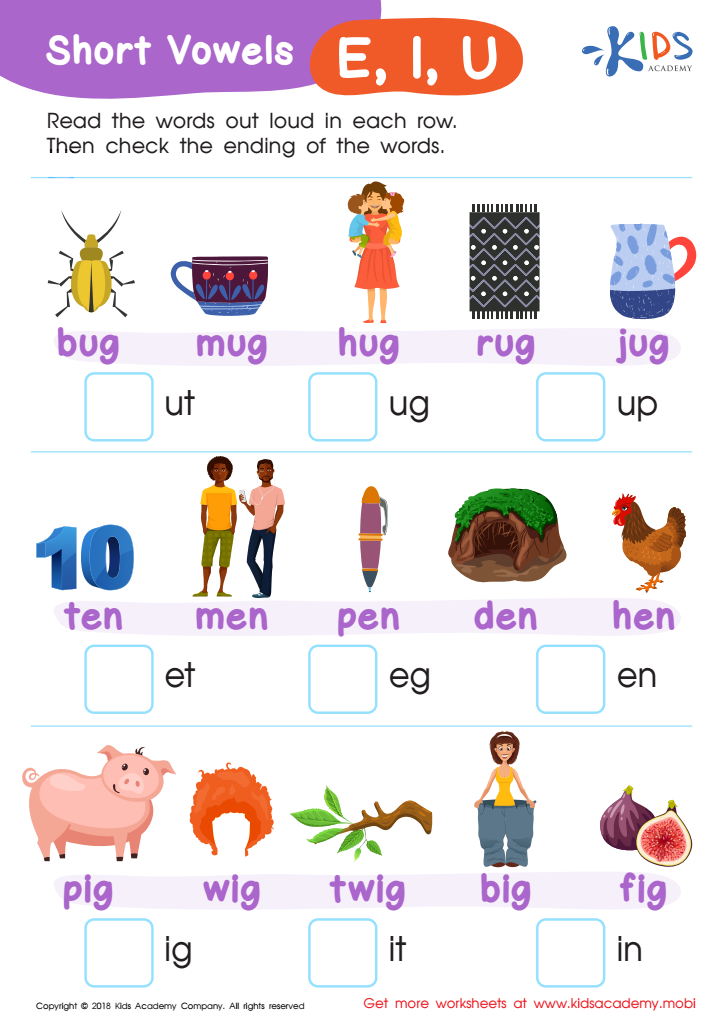
Short Vowels /e/, /i/, and /u/ Worksheet
 Assign to My Students

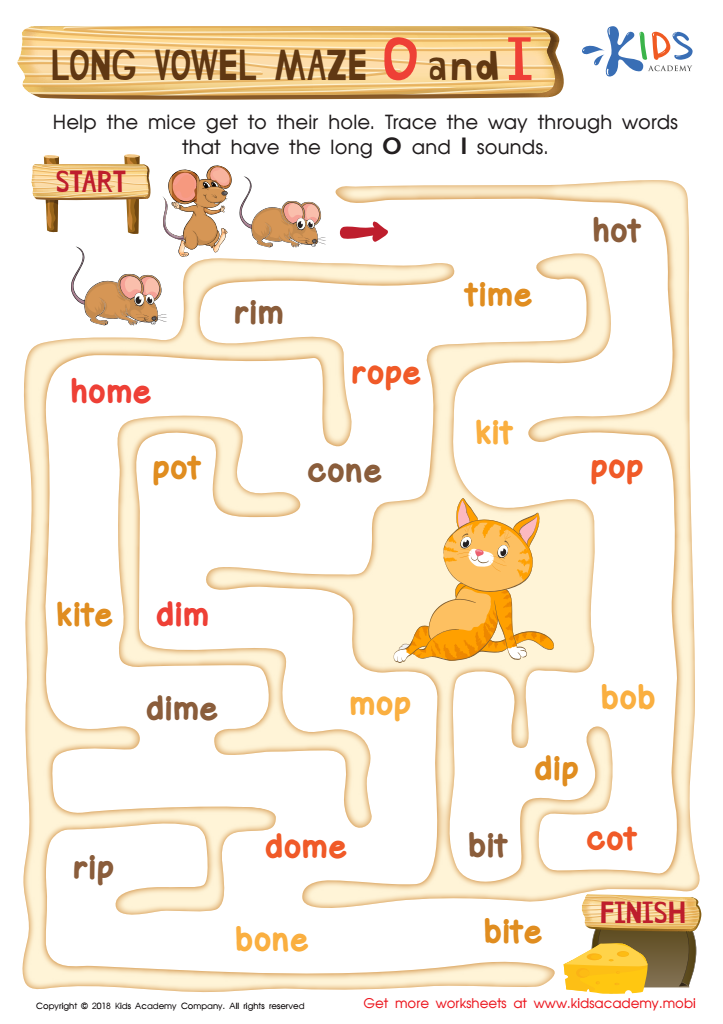
Long Vowel Maze /o/ and /i/ Worksheet
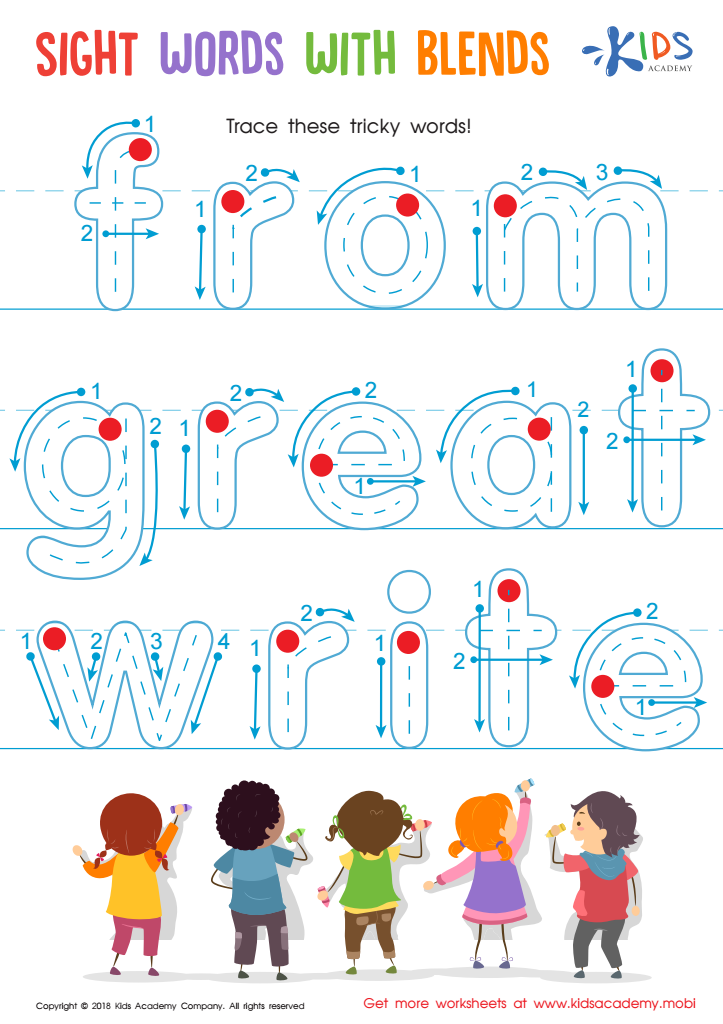
Sight Words with Blends Worksheet








Reading comprehension is crucial for children aged 6-9, as it forms the foundation for their educational journey and overall development. At this stage, students transition from learning to read to reading to learn, making understanding and interpreting text essential for academic success across subjects.
Fostering reading comprehension equips children with critical thinking skills, enabling them to process information, make connections, and draw conclusions. With solid reading comprehension, students can engage more effectively with their environment, which aids their social and emotional development through better communication and interaction skills.
Moreover, effective comprehension helps prevent frustration and disengagement from learning. When children grasp what they read, they are more likely to enjoy reading and develop a lifelong love for books. Parents and teachers play a vital role in this process. By cultivating a rich reading environment and encouraging discussions about texts, they can significantly enhance children’s comprehension abilities.
Investing time and effort in strengthening reading comprehension during these formative years can lead to greater academic achievements and improved self-confidence, ensuring that children are equipped to tackle the complexities of future learning challenges. Encouraging curiosity, exploration, and joy in reading will ultimately support their holistic development.







