Phonics practice Normal Consonants Worksheets for Ages 6-9
5 filtered results
-
From - To
Enhance your child's reading skills with our Phonics Practice Normal Consonants Worksheets, specially designed for ages 6-9. These engaging, interactive worksheets focus on reinforcing consonant recognition and sound associations, essential for early literacy development. Your little learners will enjoy fun exercises that promote phonetic awareness through varied activities like tracing, matching, and filling in blanks. Each worksheet is crafted to build confidence and support independent learning in a playful environment. Perfect for at-home practice or classroom use, these resources equip children with the foundational skills needed for successful reading. Explore our collection and watch your child's phonics skills flourish!
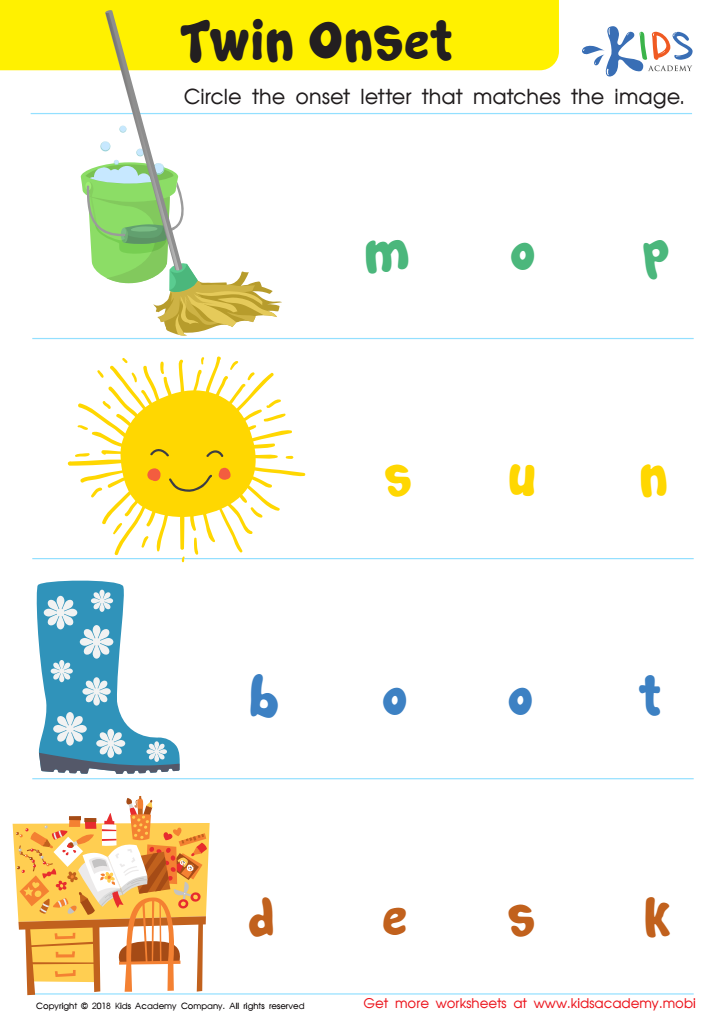
Twin Onset Worksheet
 Assign to My Students
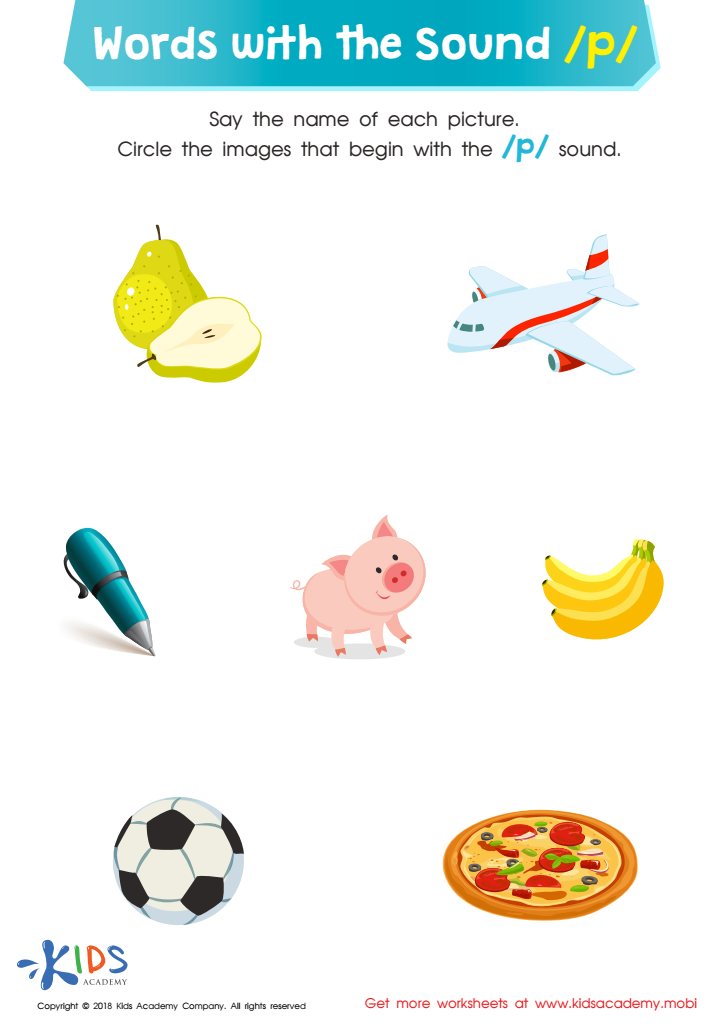
Words with sound p Reading Worksheet
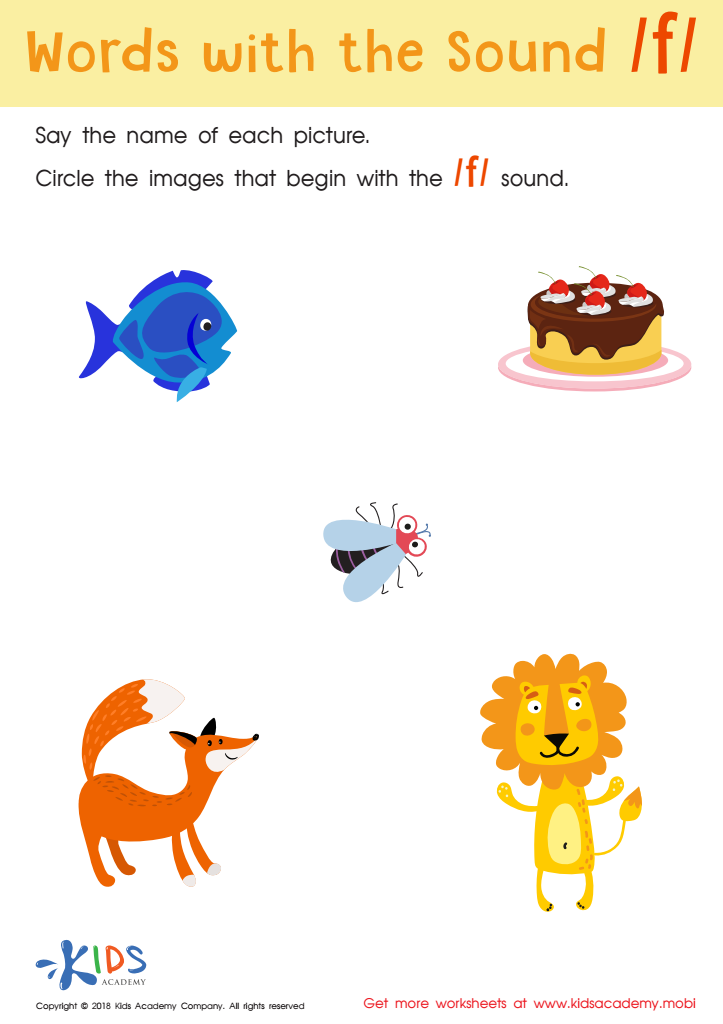
Words with sound f Reading Worksheet
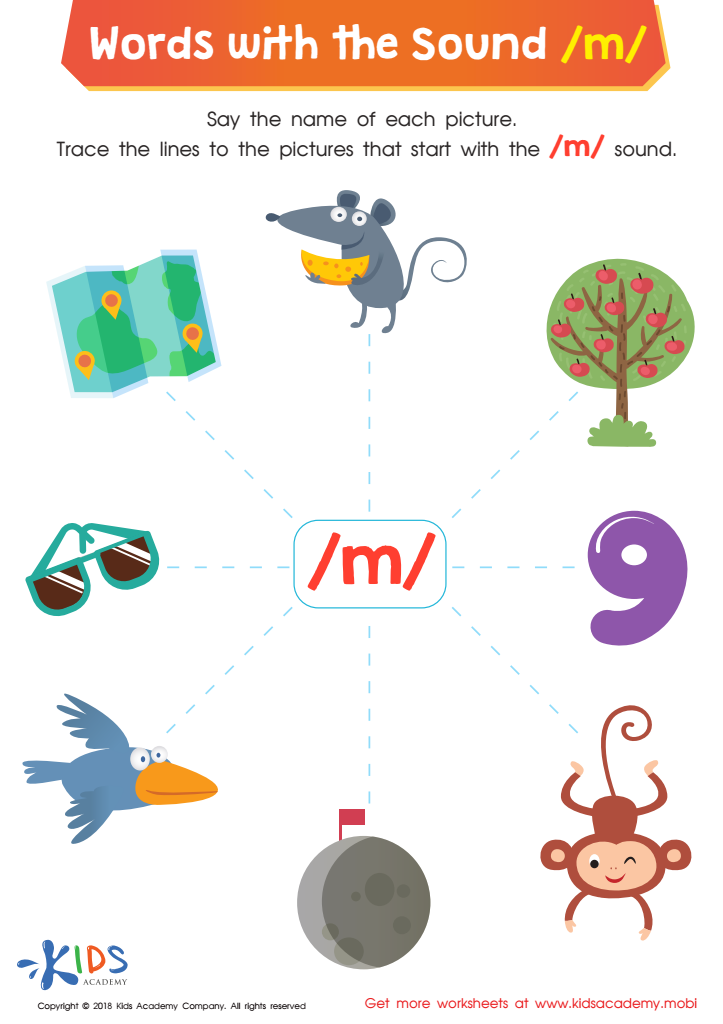
Words with Sound M Reading Worksheet
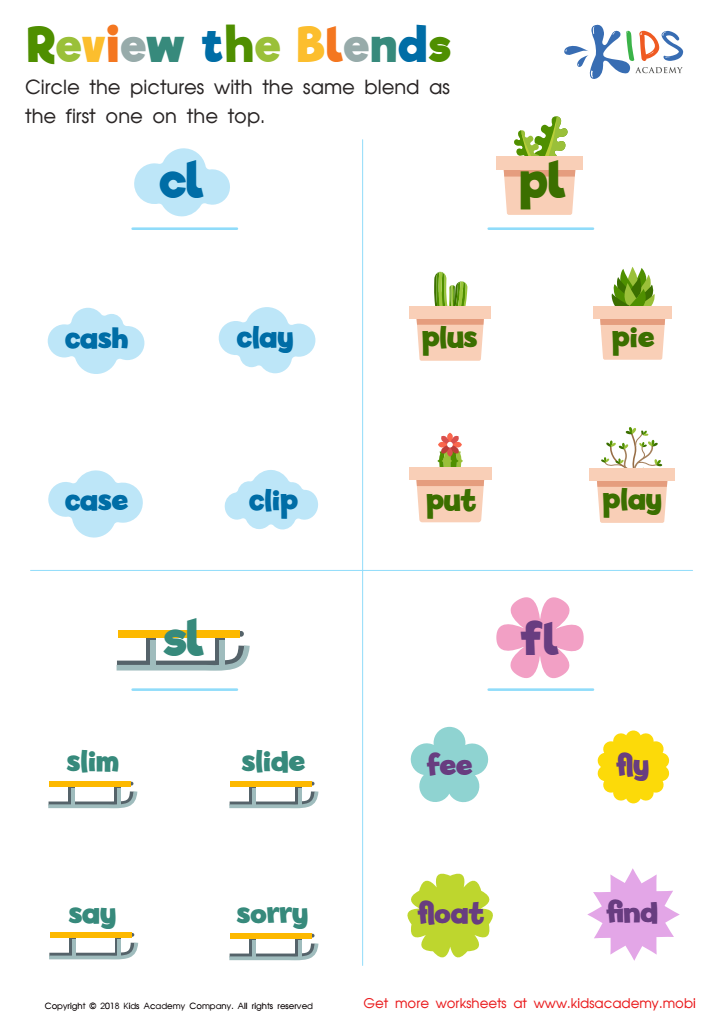
Review the Blends Worksheet



Parents and teachers should prioritize phonics practice of normal consonants for children aged 6-9 because this foundational skill dramatically impacts literacy development. Phonics, the relationship between letters and sounds, is essential for children as they learn to read and write. Mastering normal consonants enables young learners to decode words effectively, enhancing their reading fluency and comprehension skills.
At this age, children are beginning to tackle more complex texts. A solid grasp of consonant sounds helps them break down unfamiliar words, boosting their confidence and motivation to read. Moreover, phonics practice equips them with essential spelling skills, allowing for more effective written communication.
Regular practice with consonants also supports phonemic awareness, which is crucial in discerning and manipulating sounds in speech. This skill can have a profound effect on overall language development and critical thinking.
Additionally, early mastery of consonants lays the groundwork for spelling patterns and phonetic rules encountered in later grades. By fostering these skills, parents and teachers can empower children to become proficient readers and writers, leading to academic success and a lifelong love for learning. Investing in phonics promotes cognitive growth and equips children with the tools necessary for effective communication in a complex world.






