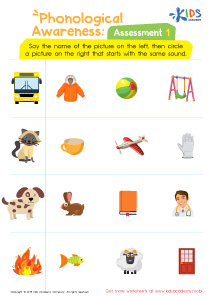
Vocabulary enhancement Normal Consonants Worksheets for Ages 6-9
5 filtered results
Difficulty Level
Grade
Age
-
From - To
Subject
Activity
Standards
Discover a world of words with our "Vocabulary Enhancement Normal Consonants Worksheets for Ages 6-9". Tailored to young learners, these engaging worksheets focus on boosting vocabulary while solidifying understanding of consonant sounds. Each activity incorporates fun exercises that challenge children to identify, pronounce, and use consonants in various contexts. Ideal for building a strong foundation in literacy, these resources support language development and reading skills. Suitable for classroom or home use, our worksheets align with education standards and make learning interactive and effective. Unlock your child's potential in language with our expertly designed, kid-friendly consonant worksheets!
Favorites
With answer key
Interactive
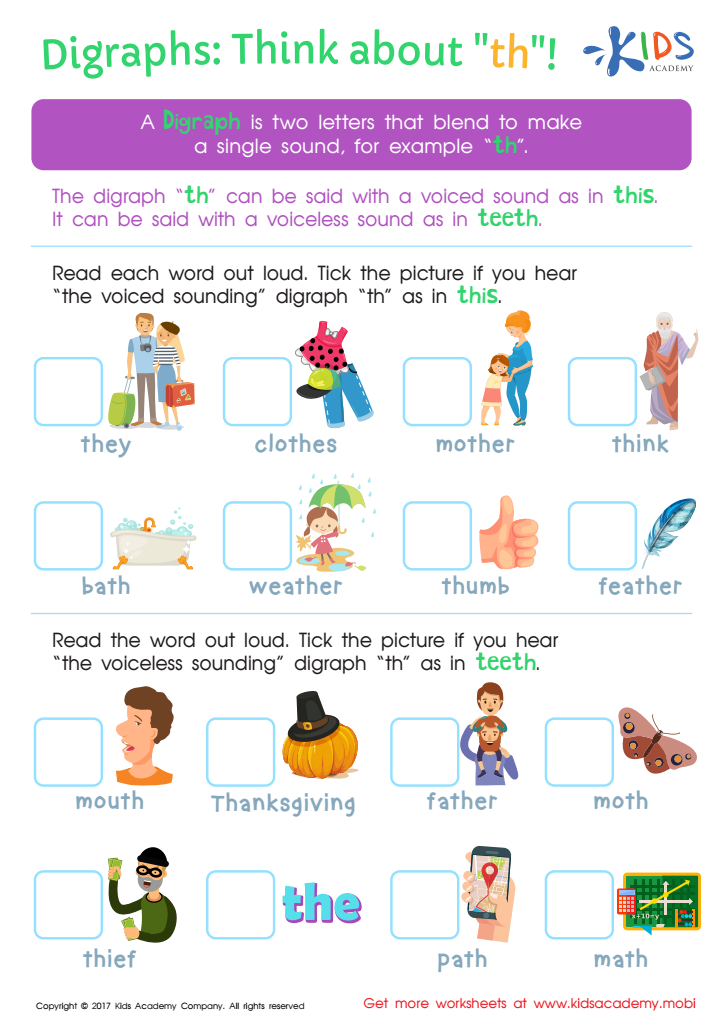
Digraphs: Think About "th" Worksheet
Help your child master phonics with this illustrated digraph Th printable worksheet. It will help recognize "Th" words, differentiate voiced and voiceless sounds and understand key concepts. Use similar words while they work to reap its full benefits!
 Assign to My Students
Digraphs: Think About "th" Worksheet
Worksheet
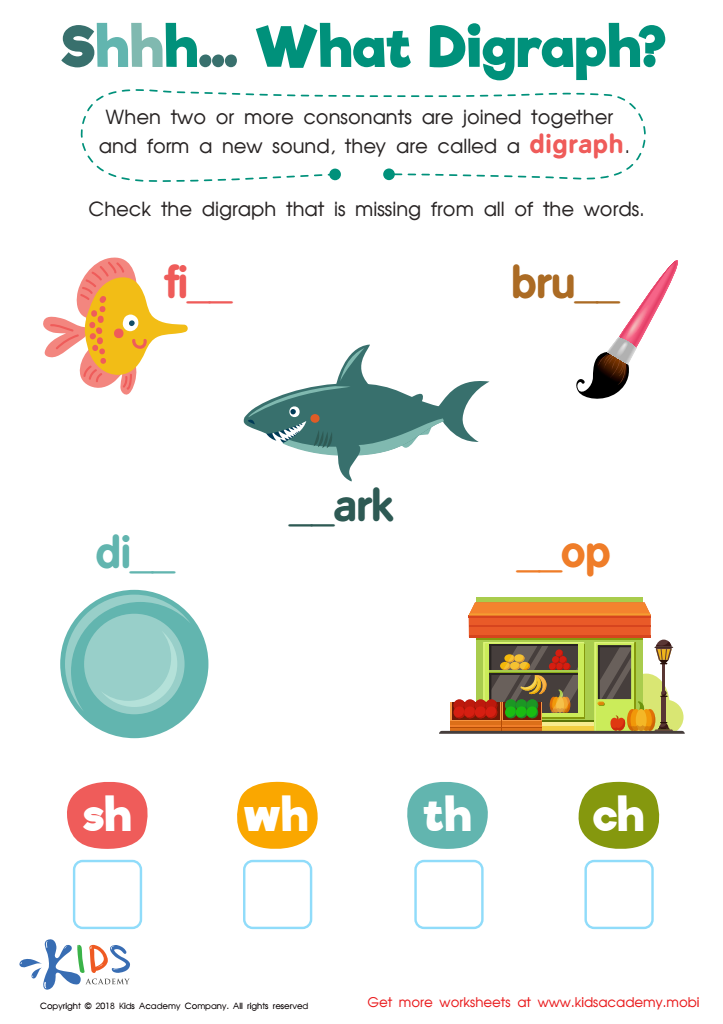
Shhh... What Digraph? Worksheet
Phonetics sounds can be combined to create a new sound - like a digraph. A great example is the /sh/ sound. Words like 'brush' and 'fish' can be heard. Ask your child to provide more examples. Look at the pictures in the PDF and see if they can identify the objects. Additionally, help them find the digraph missing from each word.
Shhh... What Digraph? Worksheet
Worksheet
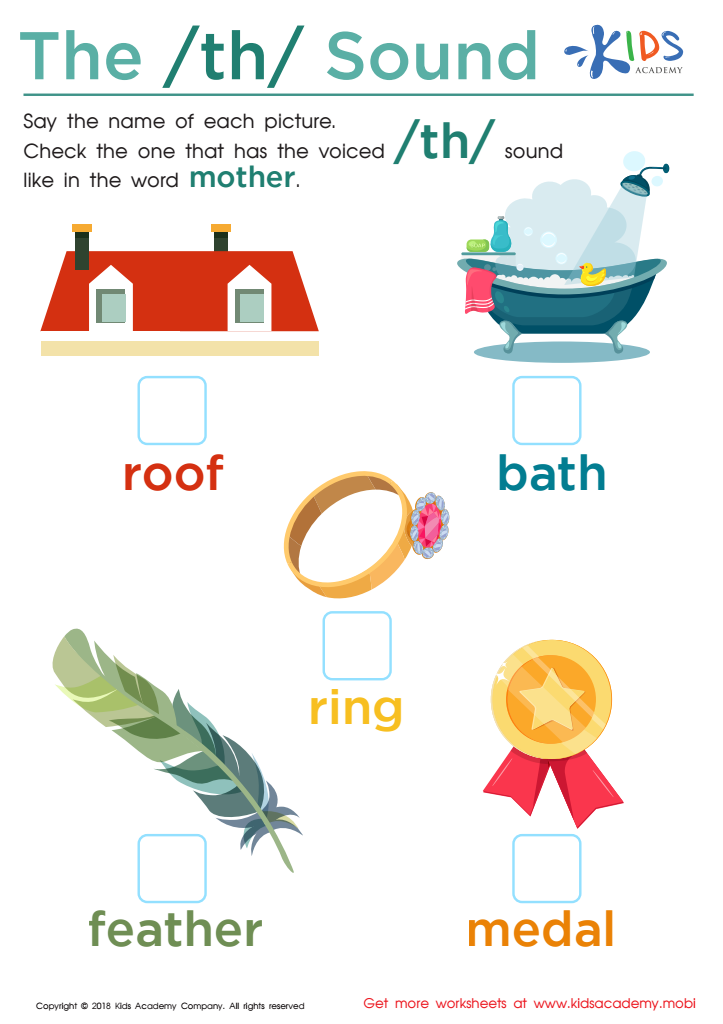
The /th/ Sound Worksheet
Confuse your students no more: have them use this worksheet to understand the /th/ sound and its two variants. With pictures, ask them to say the name of each one. Help them identify the voiced /th/ sound, like in 'mother', by having them say it aloud. Download the pdf to get started.
The /th/ Sound Worksheet
Worksheet
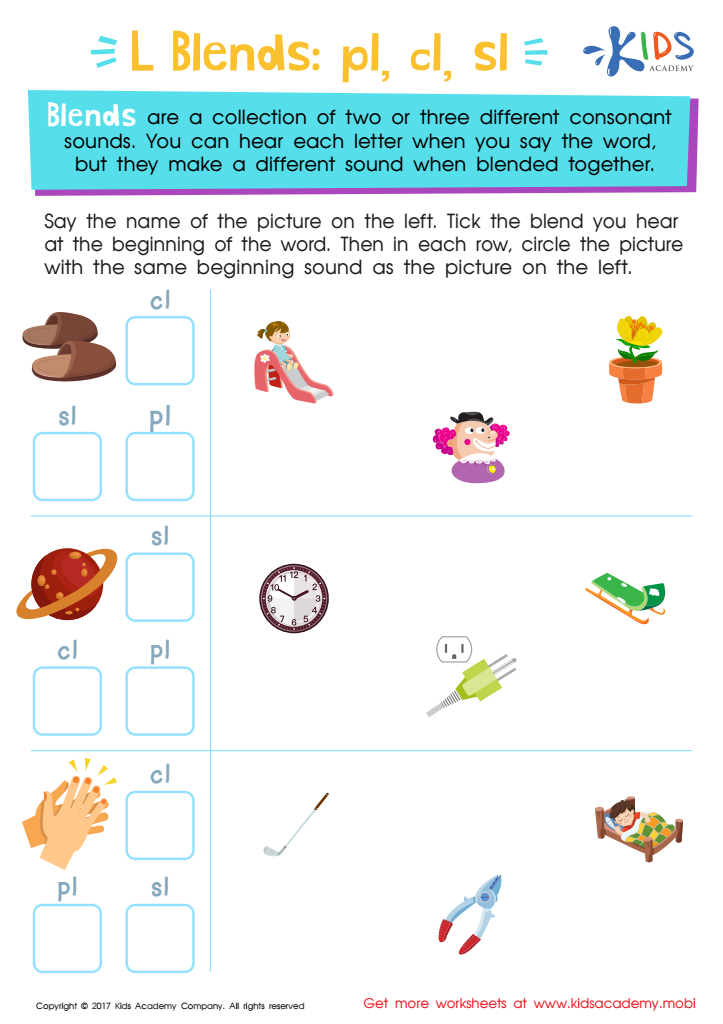
L Blends: "Pl", "Cl" and "Sl" Printable
This printable worksheet will help your child recognize and identify the Pl, Cl, and Sl consonant blends, sound them out, and identify them in print. Improve your child's reading and writing skills with fun and colorful phonics practice!
L Blends: "Pl", "Cl" and "Sl" Printable
Worksheet
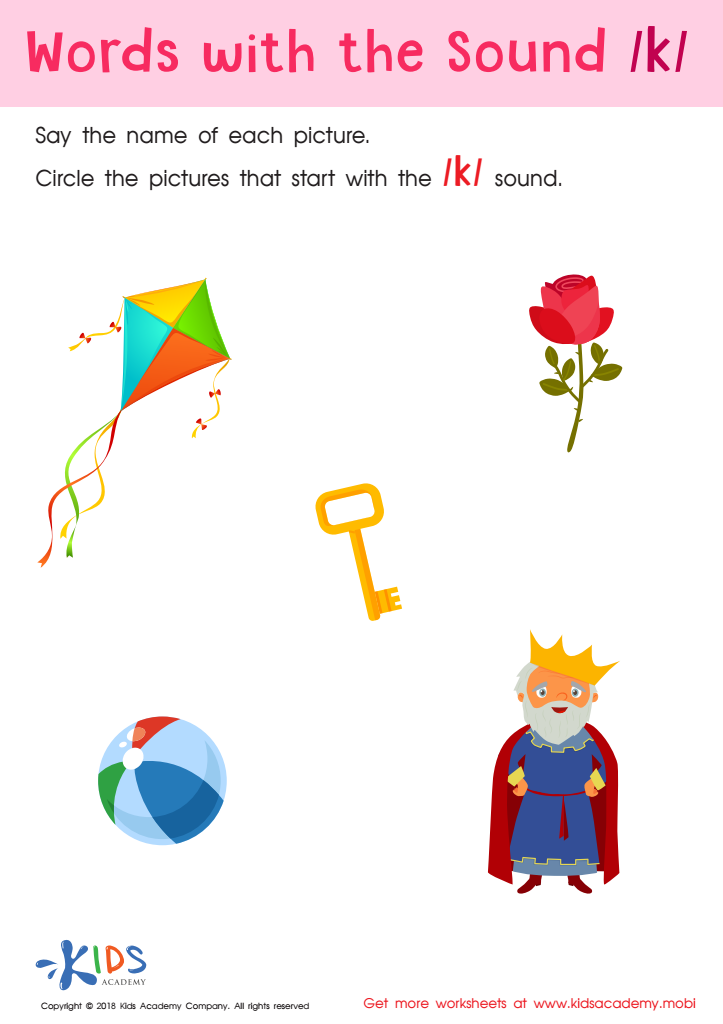
Words with sound k Reading Worksheet
Help your preschooler master the hard "k" sound with this fun worksheet from Kids Academy! Ask your child to say each picture aloud and circle only the pictures that start with "k". This early reading exercise will boost phonics skills and is sure to be loved by your little learner!
Words with sound k Reading Worksheet
Worksheet
Join Kids Academy for Free
Who is primarily going to use this learning content?



Vocabulary enhancement is crucial in the developmental years of children aged 6-9, a period where they are rapidly expanding their language proficiency. Normal consonants play a significant role in this enhancement process. Understanding and correctly pronouncing these consonants helps children in multiple facets of learning.
Firstly, articulation of normal consonants impacts a child's ability to read, as decoding words phonemically is foundational to reading fluency. When children can easily sound out words by recognizing and pronouncing consonants like 'b', 'd', 'm', and 's', they build confidence in reading and comprehending new texts.
Secondly, vocabulary enhancement involving consonant recognition assists in spelling and writing. Knowing how different consonants sound and influence word structure helps children become more effective spellers, reducing frustration and errors in written communication.
Thirdly, effective communication skills are nurtured as children learn and use new words correctly, fostering better listening and speaking abilities. This positively affects social interactions, classroom participation, and overall verbal competencies.
Lastly, teachers and parents should prioritize vocabulary enhancement because it sets a foundation for future academic success. Strong vocabulary skills established through understanding and using normal consonants pave the way for intellectual growth, better expression, and a lifelong love of learning. Nurturing these skills early ensures children are well-prepared for more complex literacy challenges ahead.