Alphabet familiarity Normal Alphabet Worksheets for Ages 6-9
7 filtered results
-
From - To
Enhance your child's alphabet familiarity with our engaging Normal Alphabet Worksheets, designed specifically for ages 6-9! These worksheets provide a fun and interactive way for young learners to recognize and understand the letters of the alphabet. Featuring colorful illustrations and diverse activities, children will enjoy practicing letter matching, tracing, and identifying both uppercase and lowercase letters. Each worksheet is aligned with early educational standards, ensuring that kids build essential skills while having fun. Perfect for classroom use or at-home learning, our alphabet resources help foster confidence and literacy as children embark on their reading journey. Encourage a lifelong love for letters today!
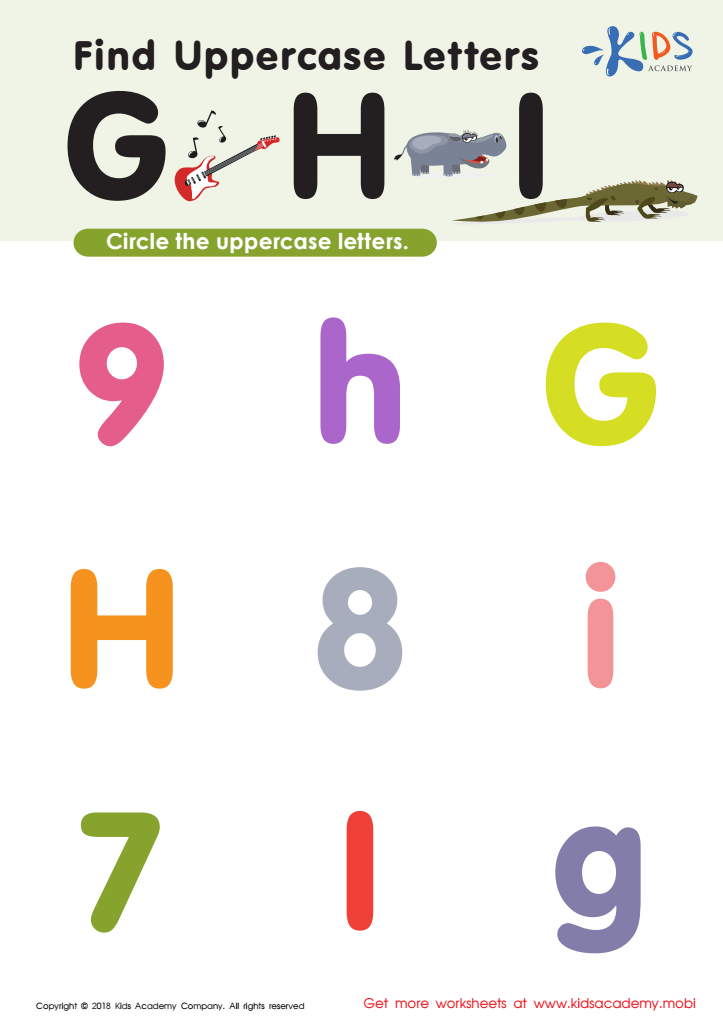
Find Uppercase Letters G, H, and I Worksheet
 Assign to My Students
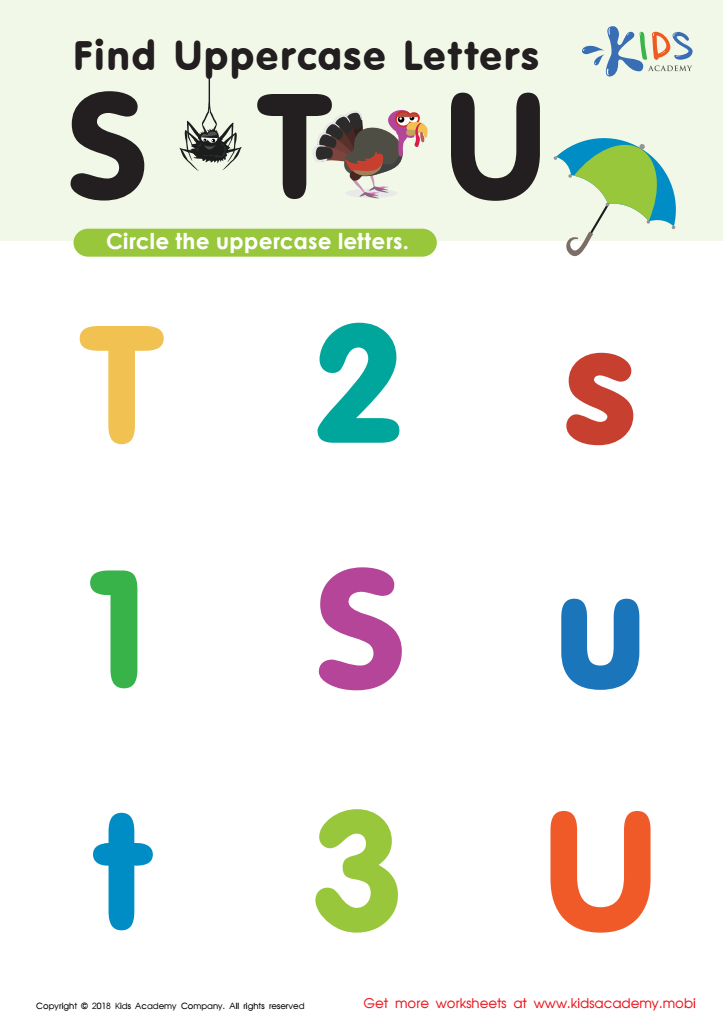
Find Uppercase Letters Worksheet
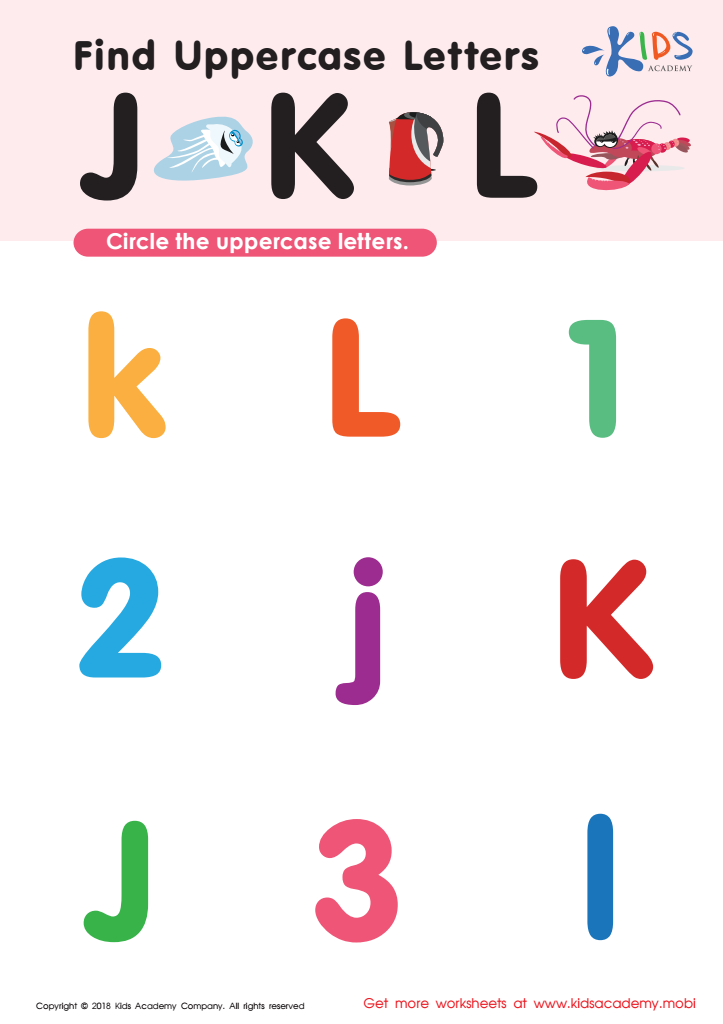
Find Uppercase Letters J, K, and L Worksheet
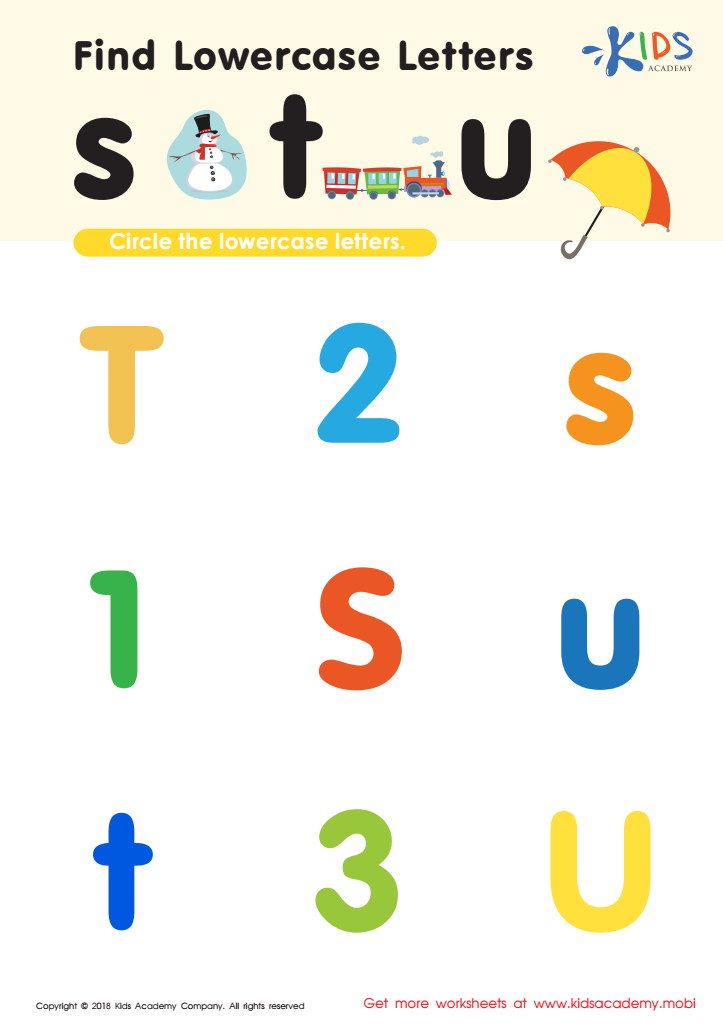
Find lowercase Letters s t u Worksheet
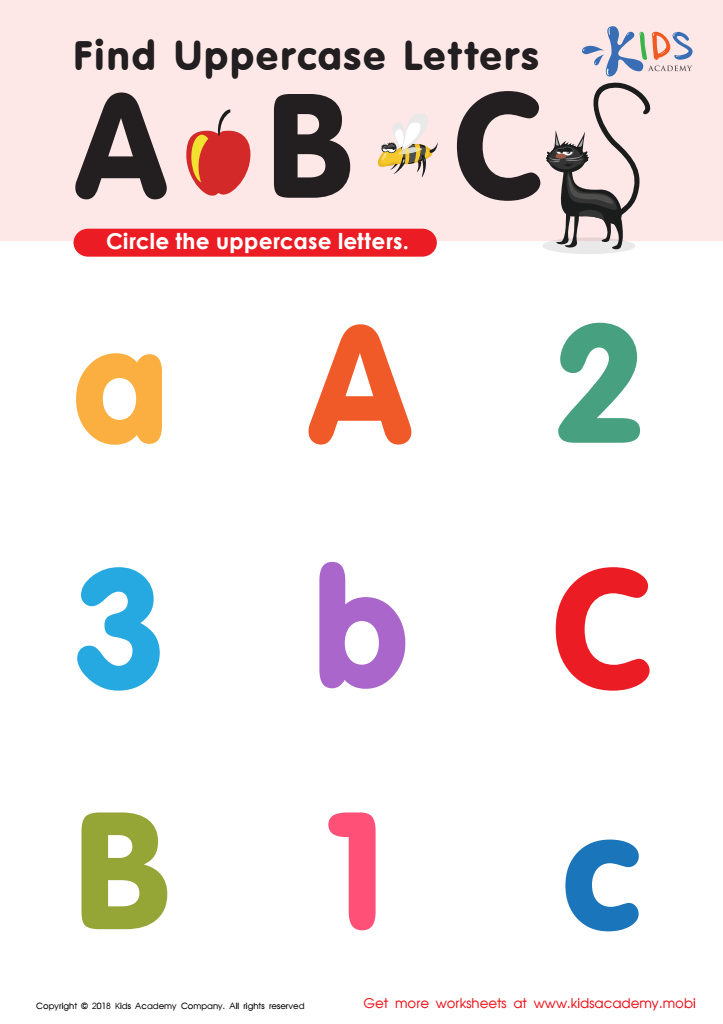
Find Uppercase Letters A, B, and C Worksheet
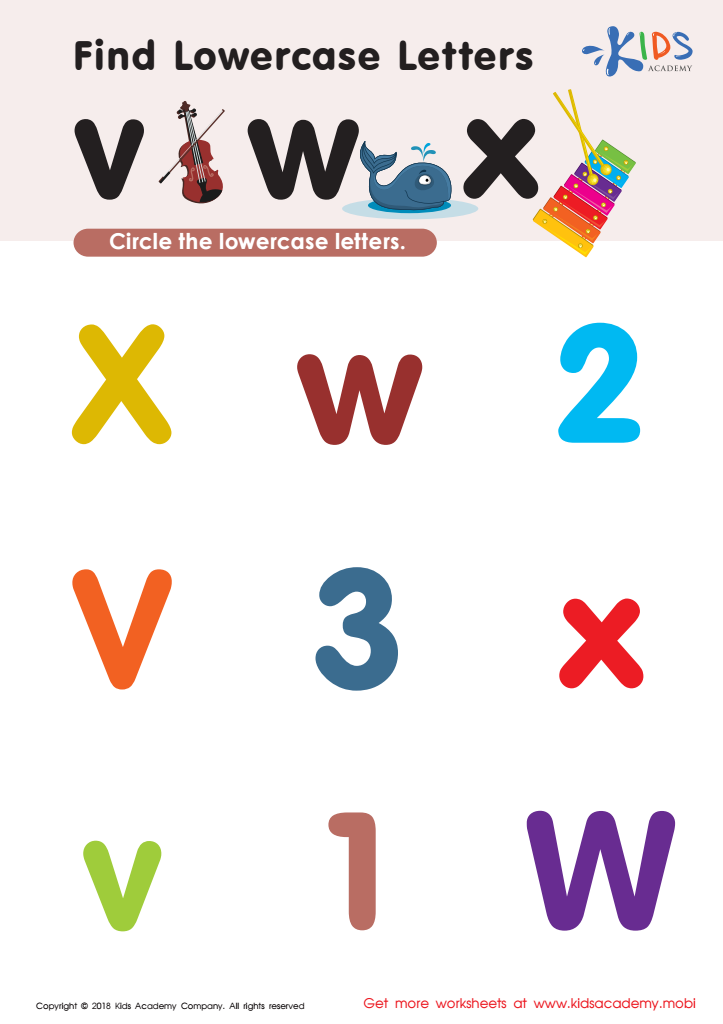
Find Lowercase Letters v w x Worksheet
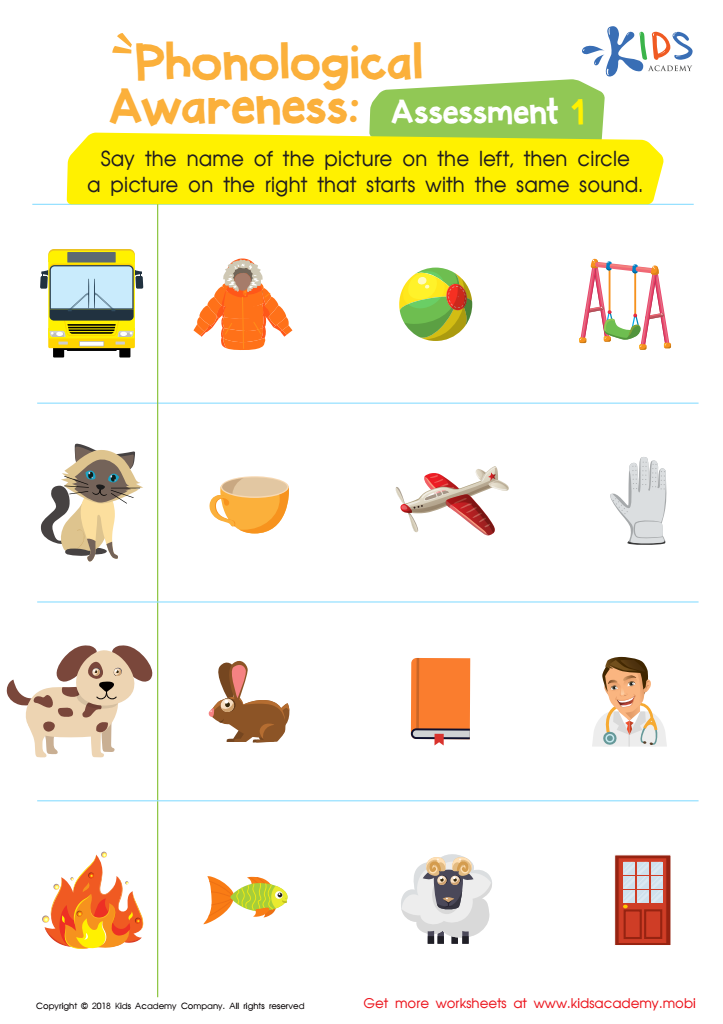
Phonological Awareness: Assessment 1 Worksheet








Alphabet familiarity is crucial for children aged 6-9 as it lays the foundation for their literacy skills. During these formative years, children are not only continuing to learn the alphabet but also beginning to decode words, spell, and understand the mechanics of reading and writing. A solid understanding of each letter, including both uppercase and lowercase forms, is essential for them to progress in their reading proficiency.
Moreover, familiarity with the alphabet enhances children's phonological awareness—a key predictor of future reading success. When children recognize letters and associate them with sounds, they become more adept at sounding out words, which directly influences their vocabulary growth and comprehension skills.
Parents and teachers play an important role in nurturing this familiarity through engaging activities, such as alphabet songs, interactive games, and reading together. This process fosters a love for reading and learning, promoting self-confidence in young learners. Additionally, a firm grasp of the alphabet aids in crafting sentences, leading to improved writing skills, which are equally important for academic success.
Ultimately, ensuring children are well-acquainted with the alphabet not only helps in reading and writing but also instills a lifelong appreciation for learning, which educators and parents should actively support.







